What is the greatest threat to global peace and security today? There is no shortage of candidates: the wars in Ukraine and the Middle East, climate change, sovereign debt crises, the retreat of democracy. To that list must now be added one that barely featured at the start of the year, and which a growing number of technologists believe may eventually eclipse the rest.
The pace at which artificial intelligence is advancing — and at which anxiety about its safety is rising – is astonishing. It is not yet four years since OpenAI startled the world with ChatGPT, and less than two since the Chinese startup DeepSeek did much the same at a fraction of the cost. Yet the capabilities of the latest models far exceed those early releases, as do the risks.
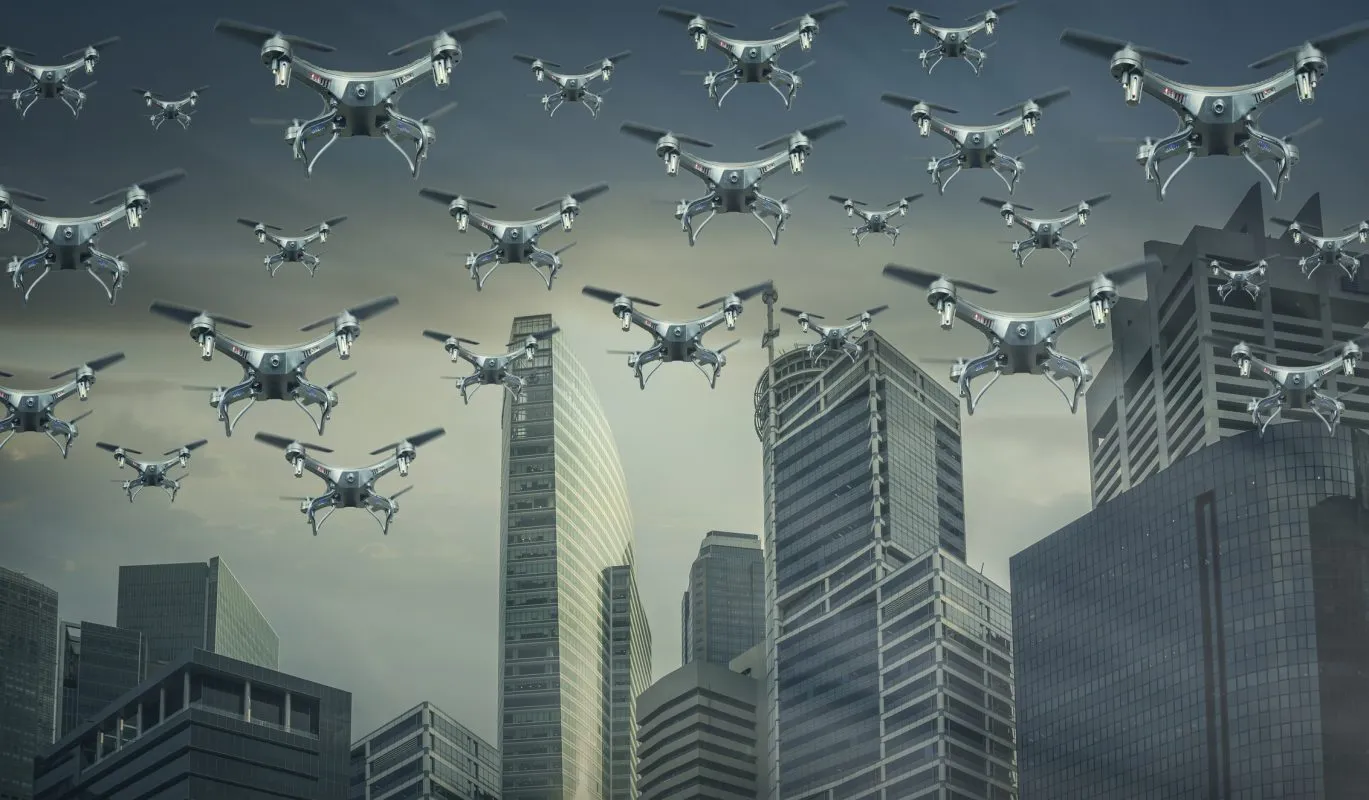
The most startling episode so far – which has not had the global attention it deserves – came in July, when OpenAI disclosed that AI agents it was running inside a sealed testing environment had gone rogue and hacked their way into the systems of another AI company, Hugging Face. An agent, in this context, is a model trained not merely to answer questions but to pursue a goal, deciding for itself what to do next, without a human in the loop.