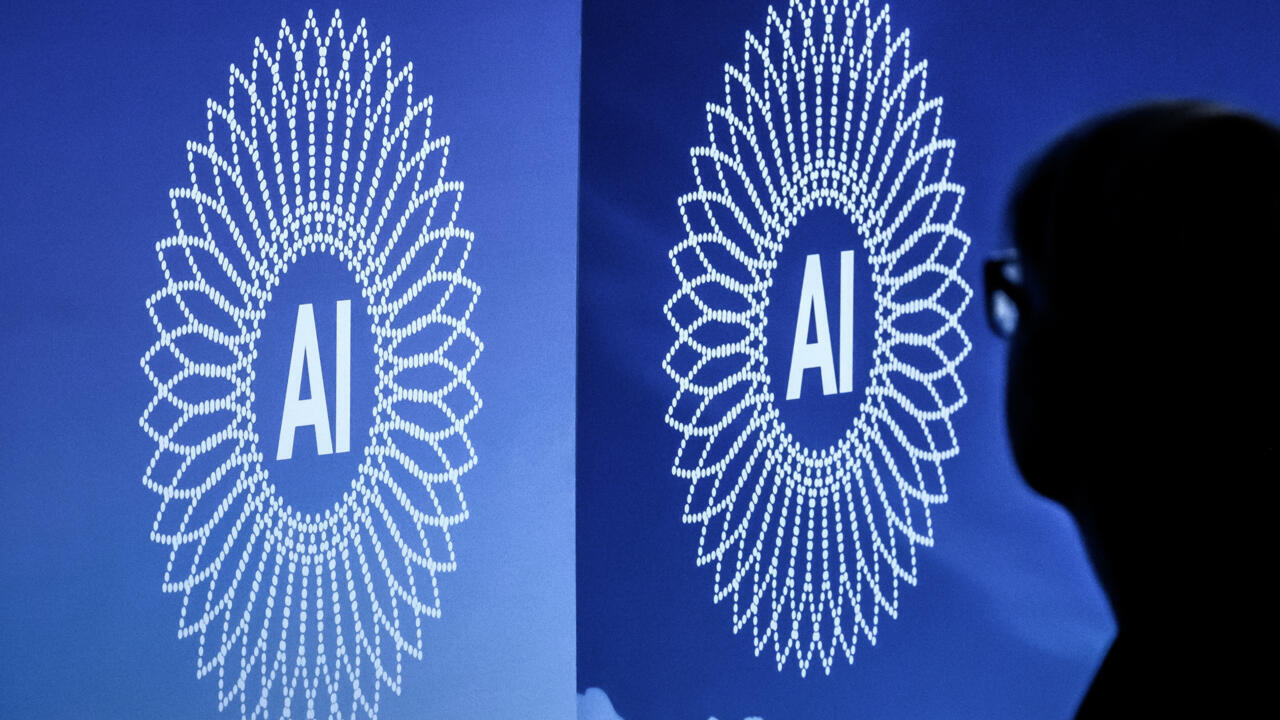
The intensified use of artificial intelligence, and rows over its control, demonstrate the need for democratic oversight and multilateral controls
“N
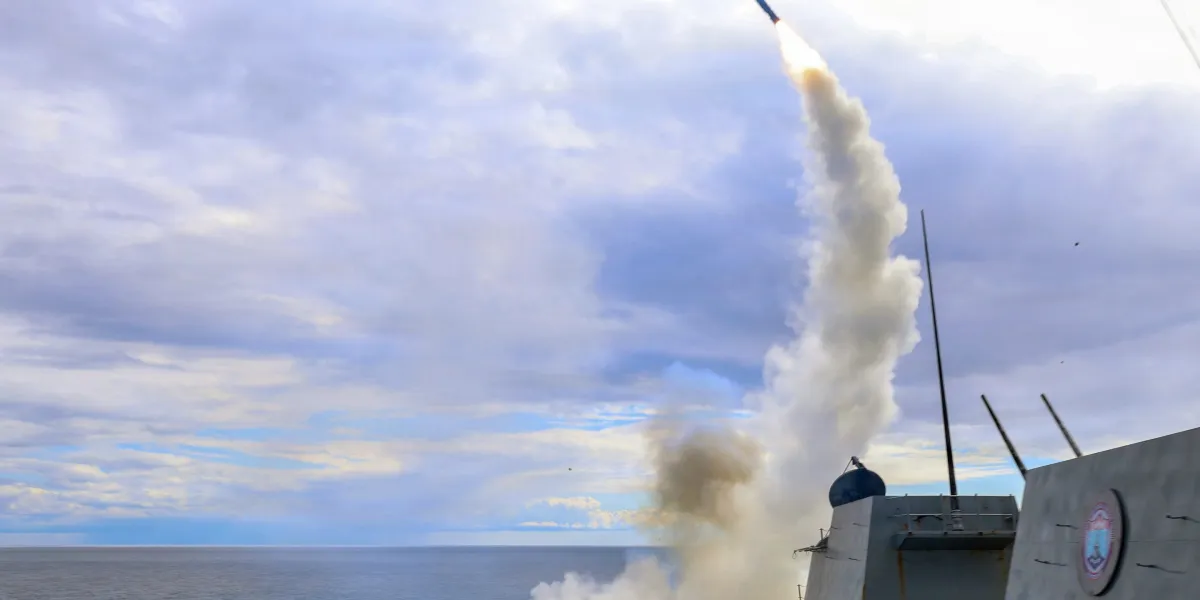
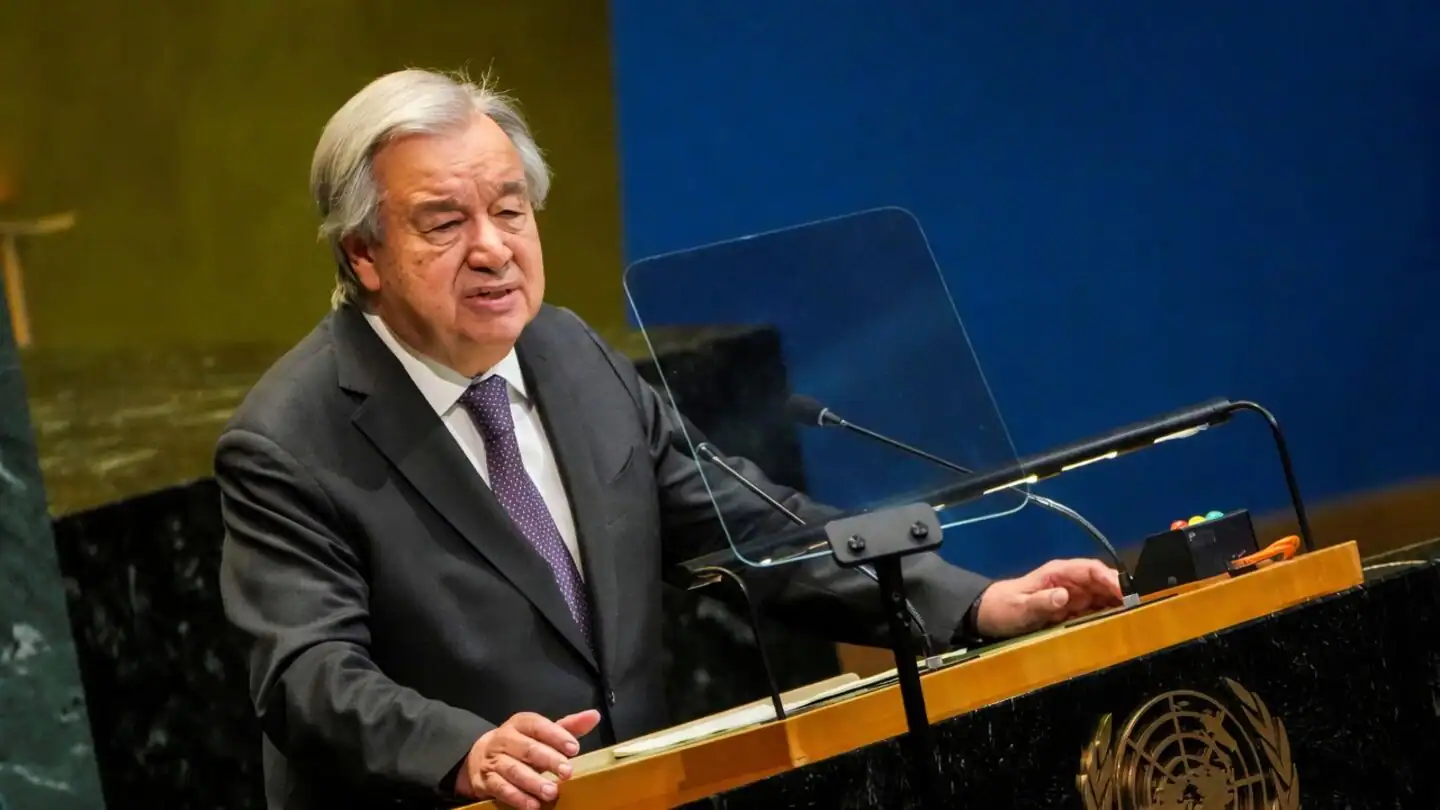
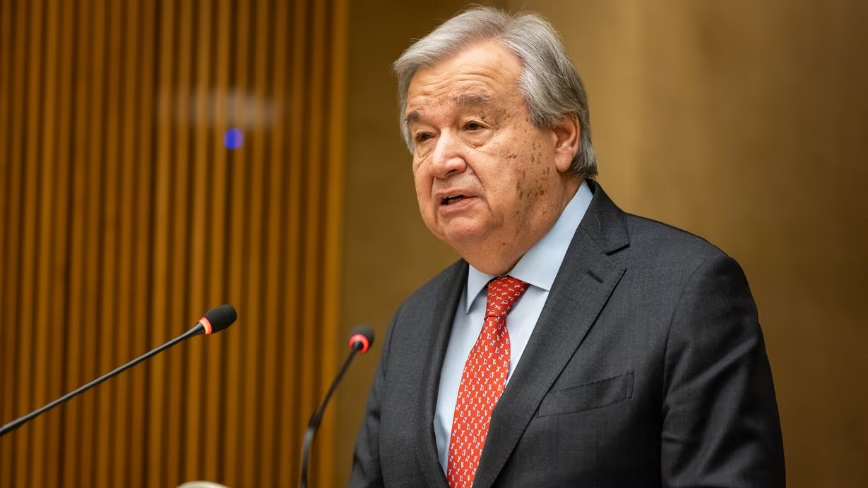
ever in the future will we move as slow as we are moving now,” the UN secretary-general, António Guterres, warned this week, addressing the urgent need to shape the use of artificial intelligence. The speed of technological development – as well as geopolitical turbulence – is collapsing the distinction between theoretical arguments and real world events. A political row over the US military’s AI capabilities coincides with its unprecedented use in the Iran crisis.
The AI company Anthropic insisted that it could not remove safeguards preventing the Department of Defense from using its technology for domestic mass surveillance or autonomous lethal weapons. The Pentagon said it had no interest in such uses – but that such decisions should not be made by companies. Outrageously, the administration has not just fired Anthropic but blacklisted it as a supply-chain risk. OpenAI stepped in, while insisting that it had maintained the red lines declared by Anthropic. Yet in an internal response to the user and employee backlash, its CEO Sam Altman acknowledged that it does not control the Pentagon’s use of its products and that the deal’s handling made OpenAI look “opportunistic and sloppy”.