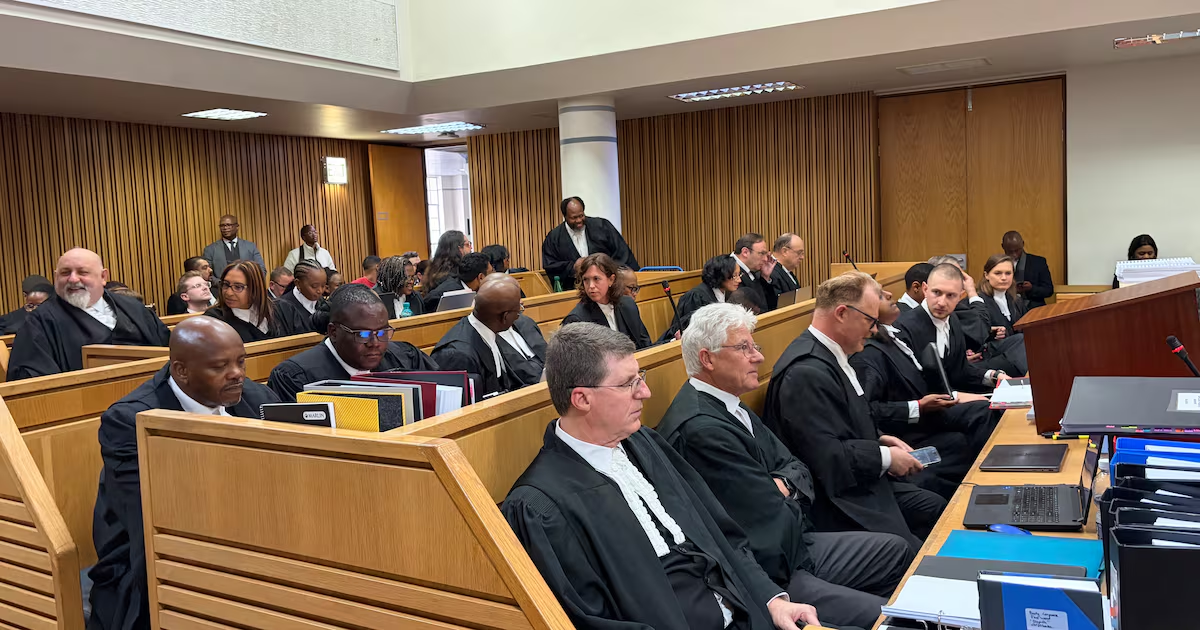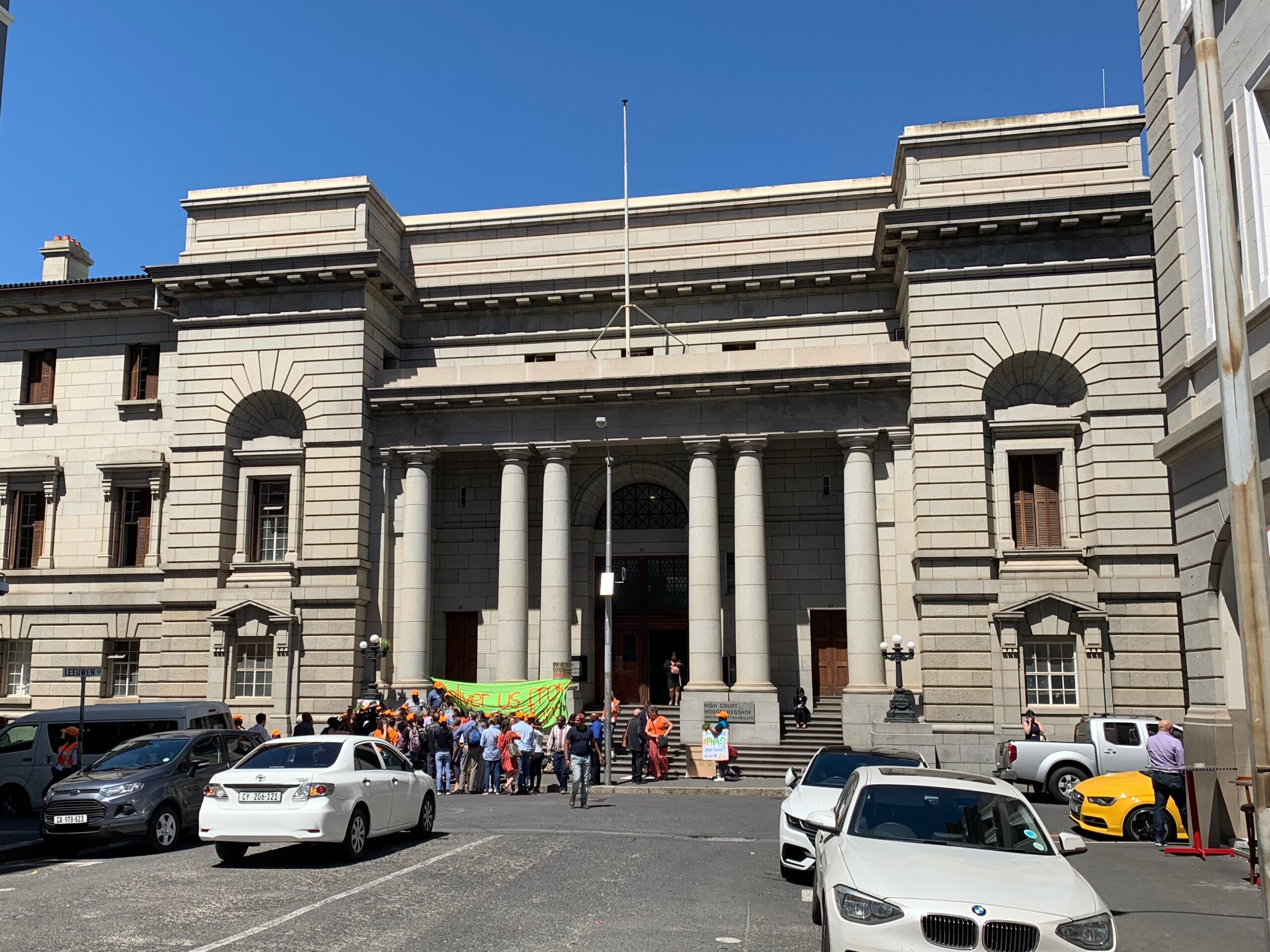
President Cyril Ramaphosa’s Phala Phala review has exposed a fundamental disagreement over when parliament should be allowed to investigate allegations against a president — and when the courts should step in.After three days of arguments in the Western Cape High Court, the case is less about whether Ramaphosa should ultimately be impeached than about what the section 89 independent panel was required to establish before the matter could reach parliament’s impeachment committee.Ramaphosa’s legal team, led by advocate Wim Trengove SC, says the panel failed in its role as a constitutional filter. The political parties resisting the review say the president is asking the court to turn a preliminary screening process into a trial and, in doing so, to usurp parliament’s constitutional role.At the centre of the dispute are the following charges arising from the 2020 theft of foreign currency from Ramaphosa’s Phala Phala farm, whether he: Undertook other paid work through his farming interests. Failed to report the theft as required by section 34 of the Prevention and Combating of Corrupt Activities Act (Precca). Exposed himself to a conflict of interest by involving the presidential protection unit. Unlawfully instructed Maj-Gen Wally Rhoode to investigate the burglary.Trengove’s case is that the panel applied the wrong test. It interpreted “sufficient evidence” as meaning “prima facie evidence”, which he says meant it looked for evidence capable of establishing a case against Ramaphosa without properly weighing his exculpatory version.“The essence of the prima facie evidence test is that you disregard the exculpatory evidence,” Trengove argued.That matters because the rules required the panel to consider whether Ramaphosa had committed serious misconduct or a serious constitutional violation intentionally and in bad faith. Trengove says the president’s own evidence about what he understood and intended was therefore central.He also argues the panel went beyond the four charges, particularly in its treatment of the stolen money and the investigation in Namibia. The judges repeatedly tested this argument, asking whether evidence about the source of the dollars could legitimately support the paid-work allegation and whether conduct by Rhoode could properly be attributed to Ramaphosa.The ATM, whose leader, Vuyolwethu Zungula, brought the original impeachment motion, has a direct interest in ensuring the process reaches the investigative stage. Its counsel, advocate Kessler Perumalsamy, argued that evidence about the source of the money could be relevant to the paid-work charge and that the Namibia investigation was relevant to the allegations concerning Rhoode.The bench repeatedly challenged whether those connections were sufficiently grounded in the actual charges.The EFF’s interest is similarly direct. It challenged the parliamentary process that had previously prevented the section 89 report from proceeding. Its advocate, Mfesane ka-Siboto, argued that the independent panel was only the preliminary stage, with the impeachment committee intended to conduct the fuller investigation.The EFF therefore resisted Ramaphosa’s attempt to have the court effectively determine the adequacy of the evidence before parliament had investigated it.The MK party took the separation-of-powers argument further. Advocate Dali Mpofu SC argued that the constitutional court’s order directing the report to the impeachment committee cannot effectively be undone by a high court review. He also characterised the review as another attempt to delay accountability.The UAT, represented by advocate Thabani Masuku SC, made the broader constitutional argument that the court must police legality but cannot decide the merits of the impeachment allegations for parliament.“The constitution is to police legality. It is not to decide in parliament’s place, on an untested written record, whether the president is innocent of the allegations,” Masuku said.The parties’ positions reflect their different stakes in the case. The ATM initiated the original impeachment motion, while the EFF’s constitutional challenge helped revive the parliamentary mechanism through which the report must now proceed. MK and UAT are defending parliament’s ability to pursue the accountability process rather than allowing it to be halted at the review stage.The constitution is to police legality. It is not to decide in parliament’s place, on an untested written record, whether the president is innocent of the allegations.— Thabani Masuku, UAT advocateThis leaves the court with a difficult institutional choice.If Ramaphosa is correct, allowing the report to stand would mean the independent panel failed to perform the filtering function designed to protect a president from an unjustified public impeachment inquiry.If the opposition parties are correct, setting the report aside now would prevent parliament from doing the work the impeachment process was designed to perform: testing evidence, questioning witnesses and ultimately deciding whether the constitutional grounds for removal have been established.Director for the Council for the Advancement of the South African Constitution (Casac) Lawson Naidoo said there was substance in Ramaphosa’s argument that the panel applied the wrong test, pointing to the different use of “prima facie” and “sufficient evidence” in the National Assembly’s rules. He also said the report’s consequences strengthened the case for reviewing it before the impeachment committee proceeds, particularly because the constitutional court had indicated that the report would stand unless and until it was set aside.Naidoo also supported the argument that the panel may have strayed beyond the four charges in considering the Namibia investigation, saying there was no evidence that Ramaphosa directed Rhoode to conduct the investigation in the manner alleged. He said the constitutional court had not considered the merits of the panel’s report, meaning the high court was not barred from assessing whether it complied with the applicable legal standards.The judges appeared alive to that tension. Their questions repeatedly returned to whether:“Sufficient evidence” really means something different from “prima facie evidence”.The panel properly weighed Ramaphosa’s version.It stayed within the four charges.The high court should intervene before parliament has completed its own process.The remedy adds another complication. The ATM argued that defective parts of the report could potentially be severed, allowing some charges to proceed. Ramaphosa’s team argued that defects going to the panel’s mandate cannot simply be cut out of an otherwise valid report.The sense of the hearing is therefore that the court is being asked to draw a line between judicial review and parliamentary accountability.The question is not whether Ramaphosa is guilty or innocent, but whether parliament should be permitted to investigate the allegations based on this particular report — or whether the court should first determine that the independent panel got the law right.Business Day
NEWS ANALYSIS: Ramaphosa’s Phala Phala fight is about who should decide
Judges weigh if sufficient evidence standard was properly applied to four core charges
1,037 words~5 min read