Until Saturday Newsletter 🏈 | This is The Athletic’s college football newsletter. Sign up here to receive Until Saturday directly in your inbox.Good morning. It’s the 400th edition of Until Saturday. In honor of that number, do you know which player was the first to ever rush for 400 yards in an FBS-level game? Hint: The opponent was UTEP. Answer below.The Main Thing: OK, what happened here?Here’s a quote:“I’m the most die-hard Michigan fan you are going to find; I can gladly spend hours detailing why the Connor Stalions saga is the most overblown ‘scandal’ in recent college football history.
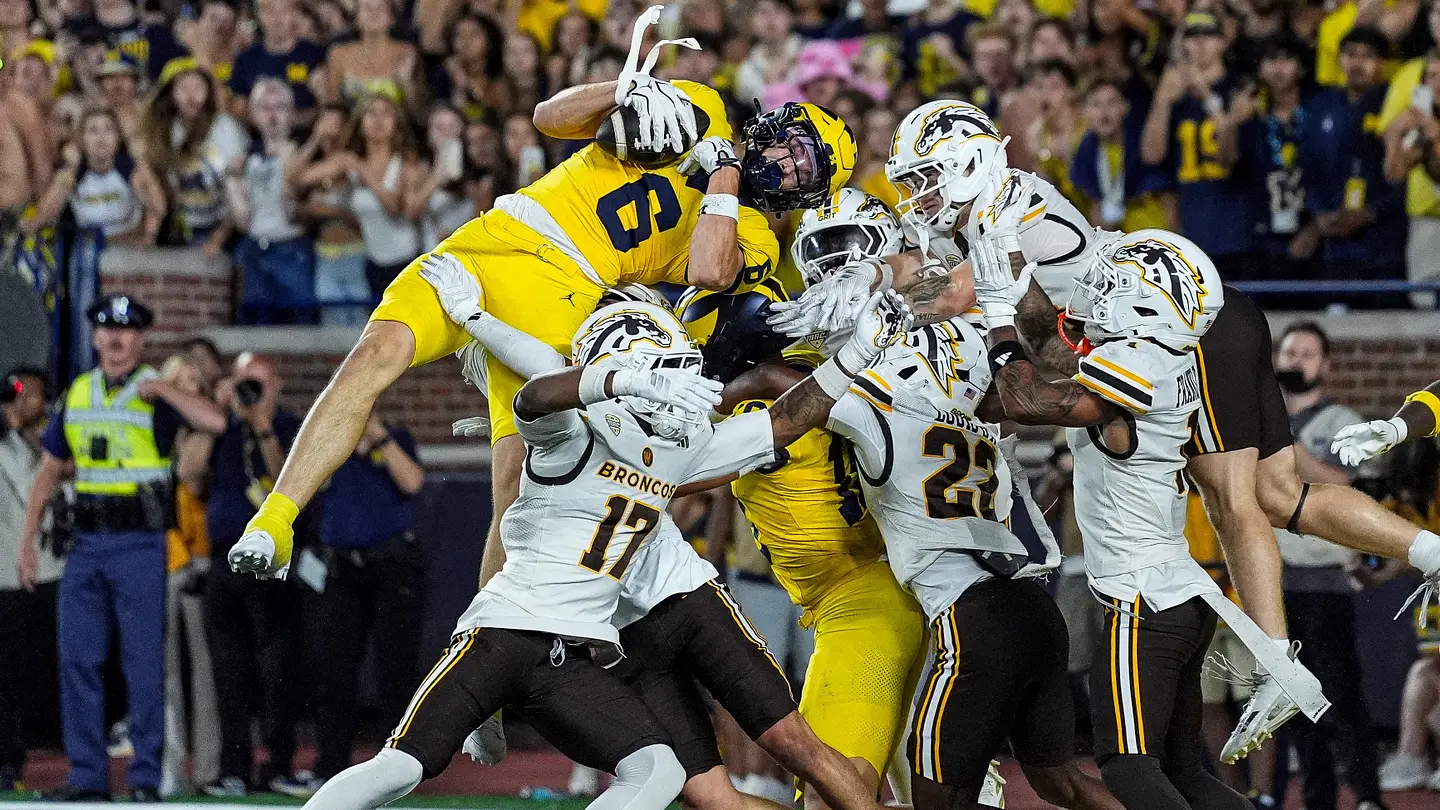
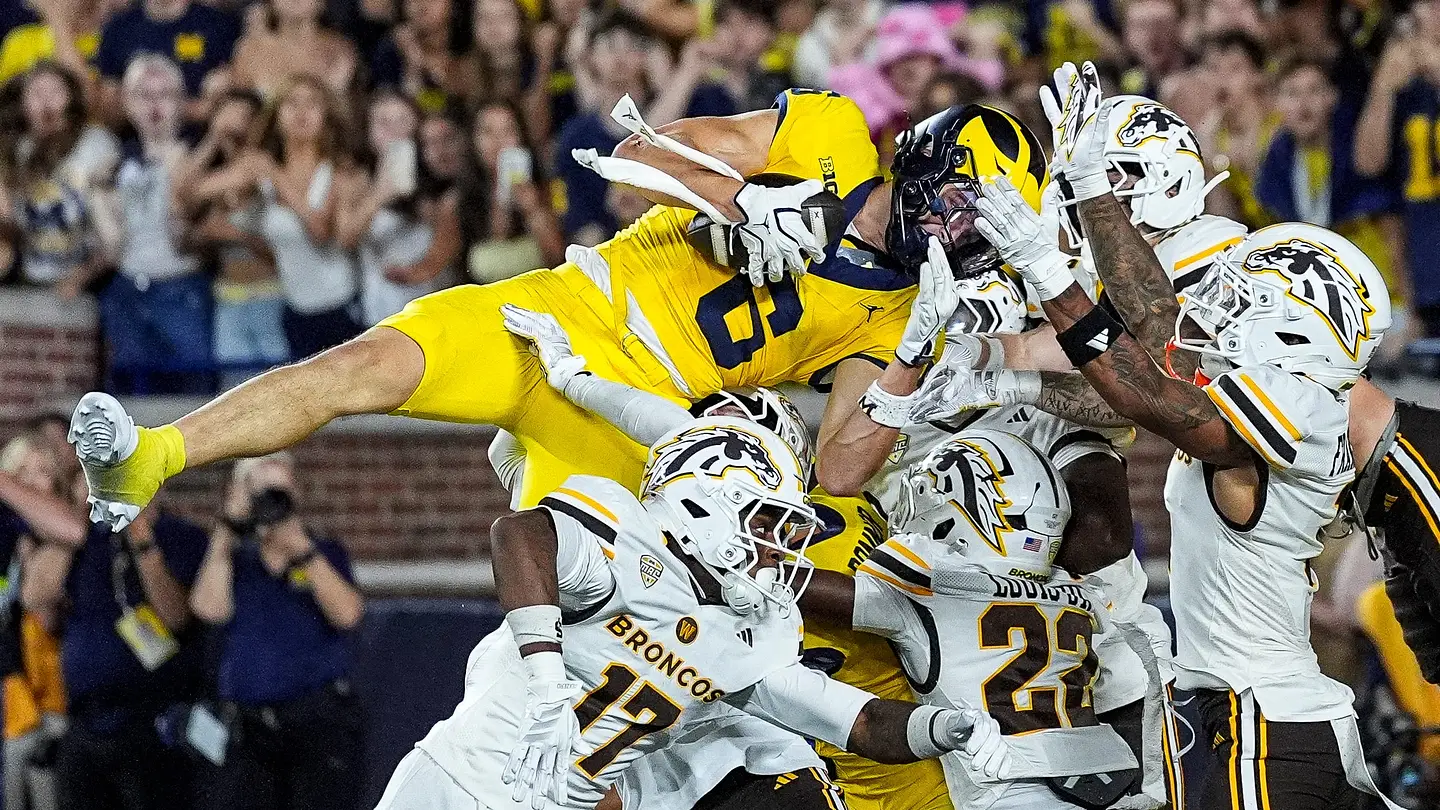
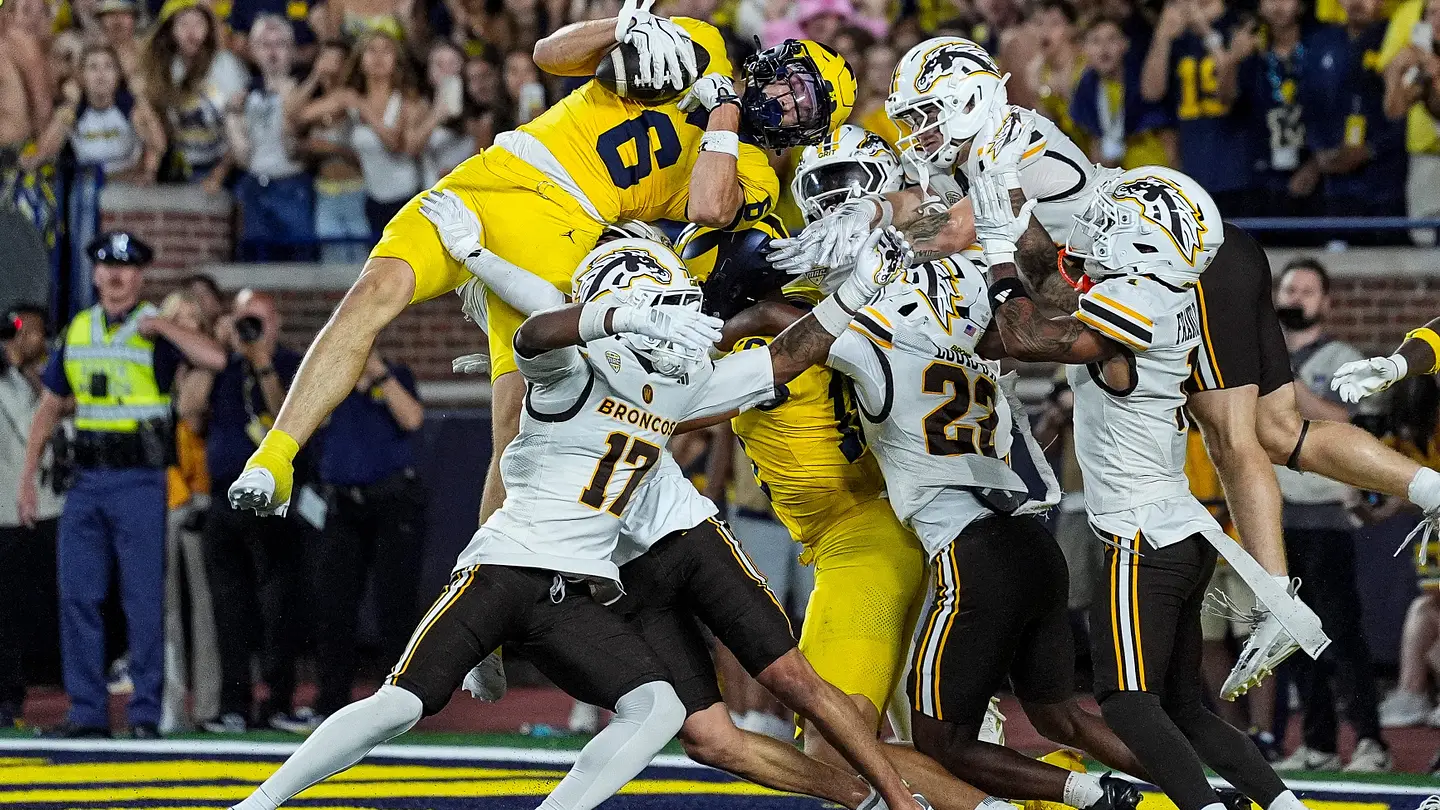
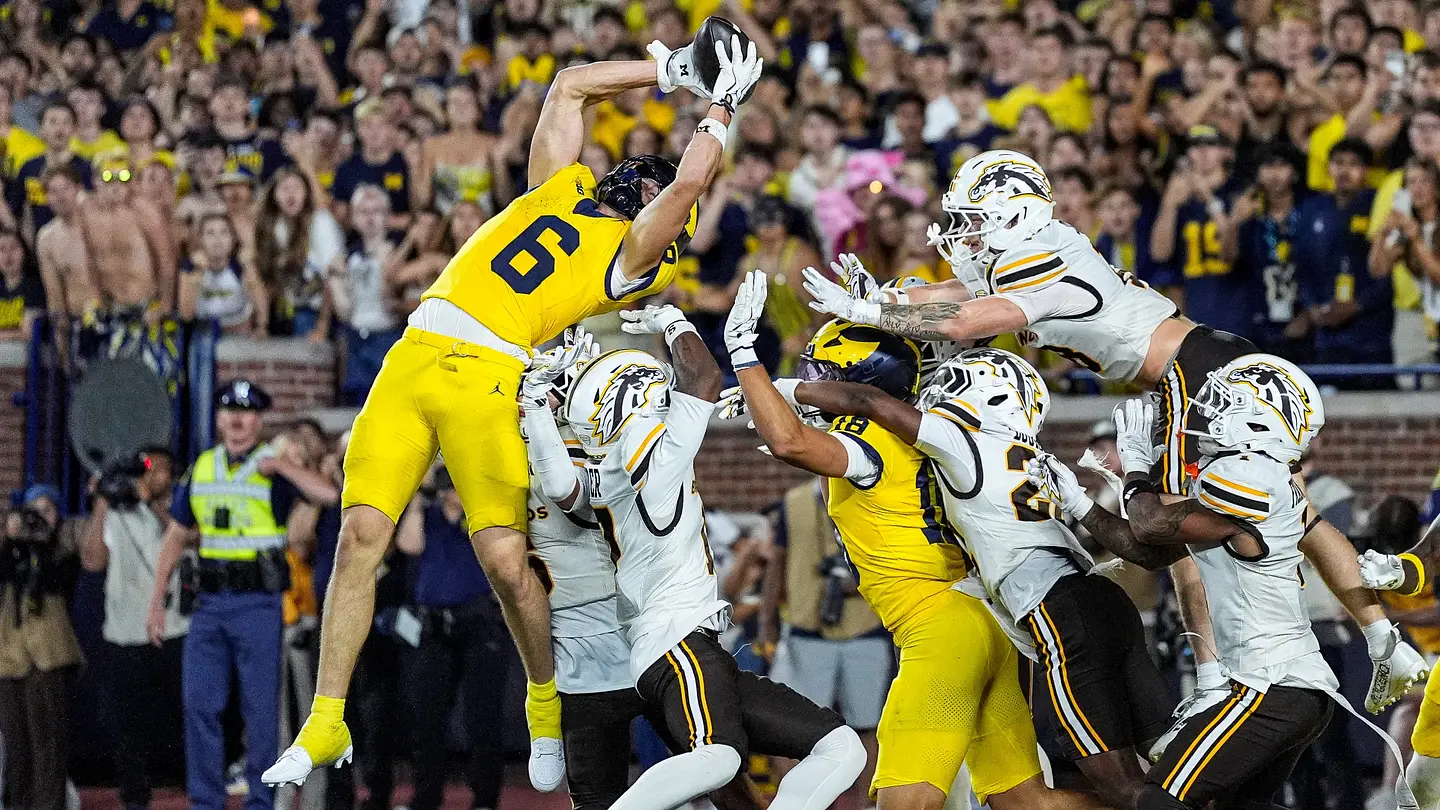
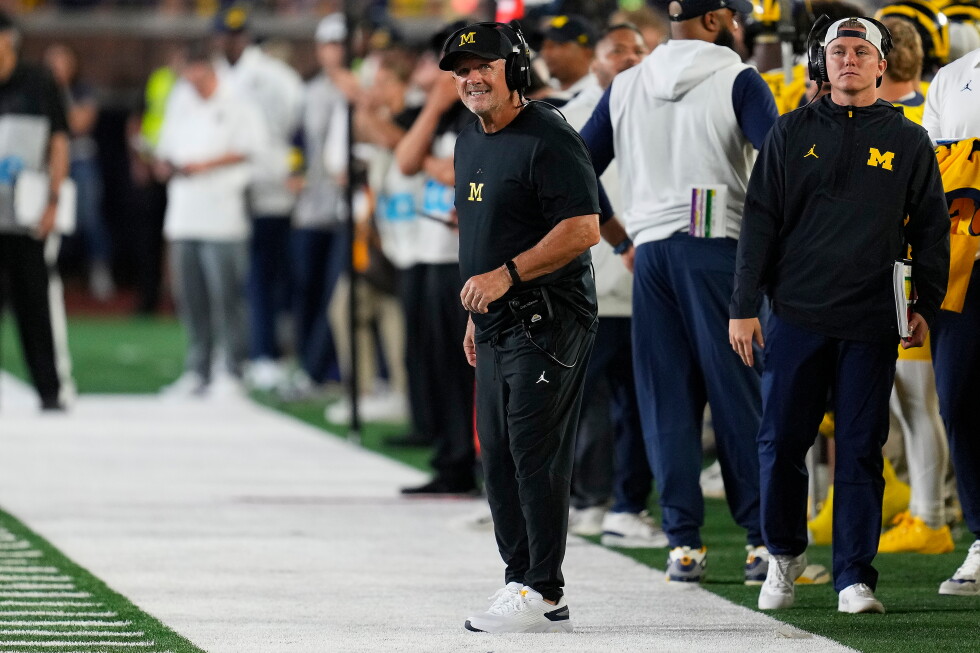
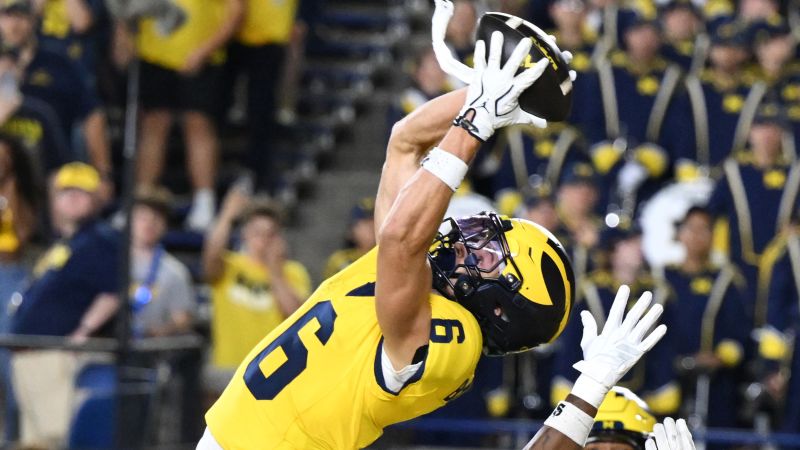
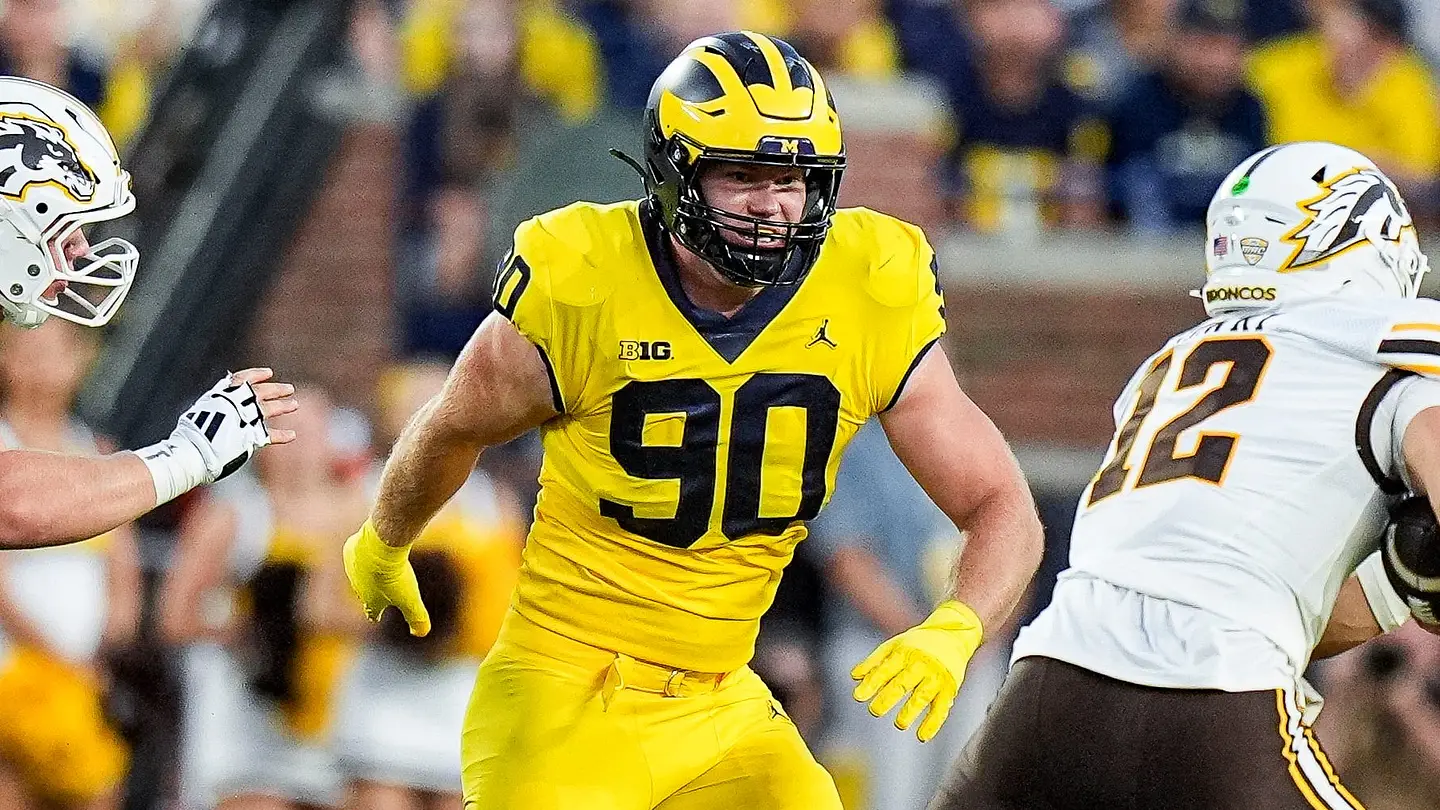
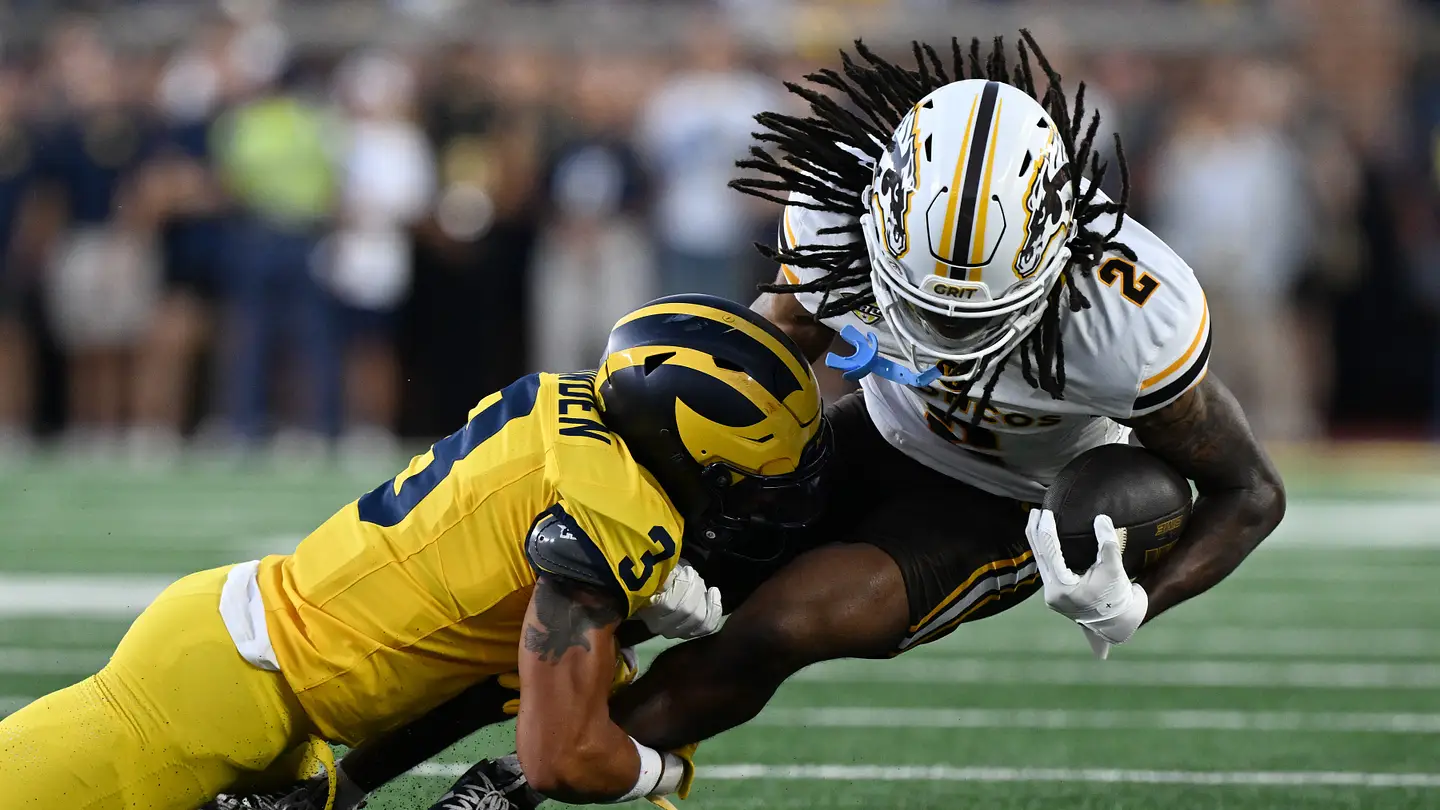
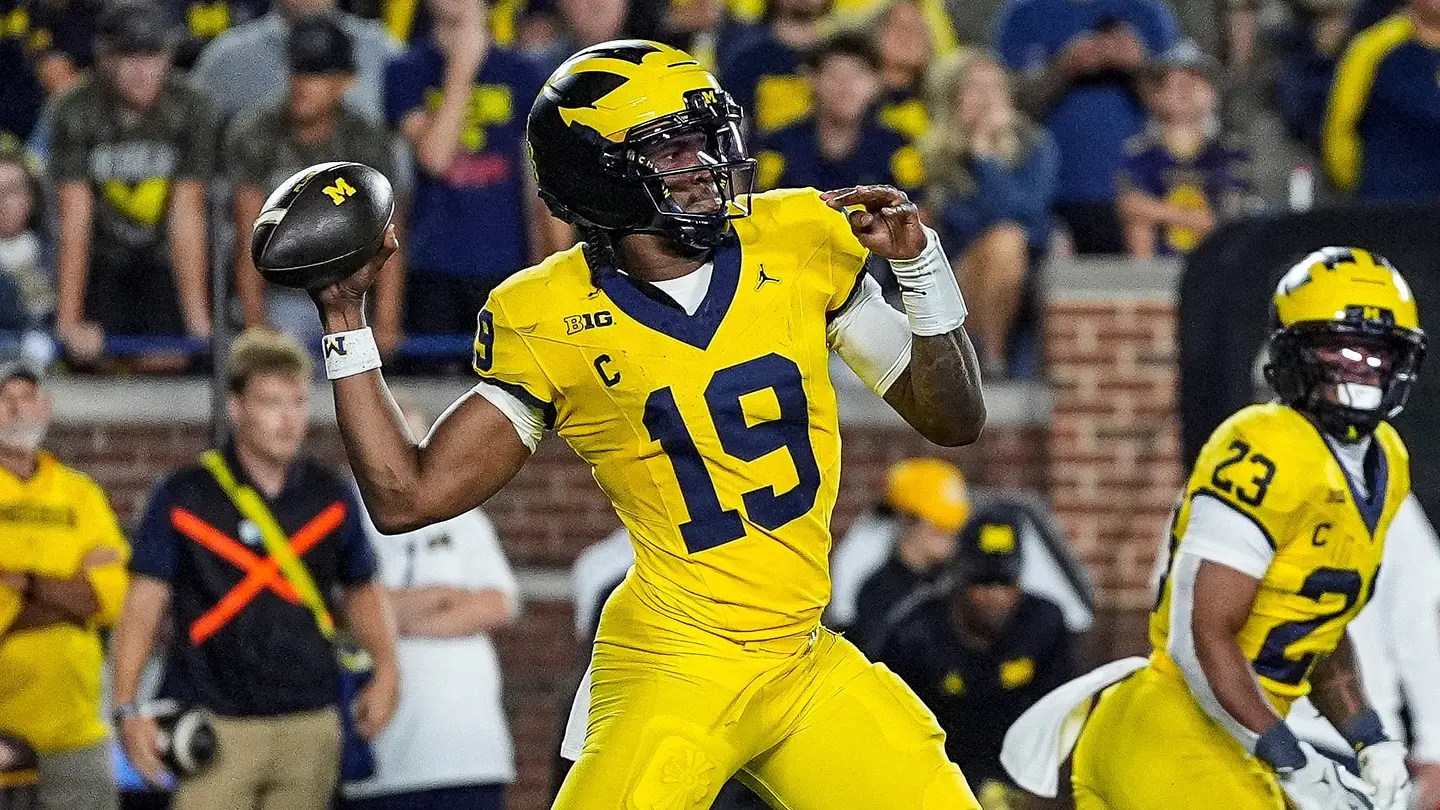
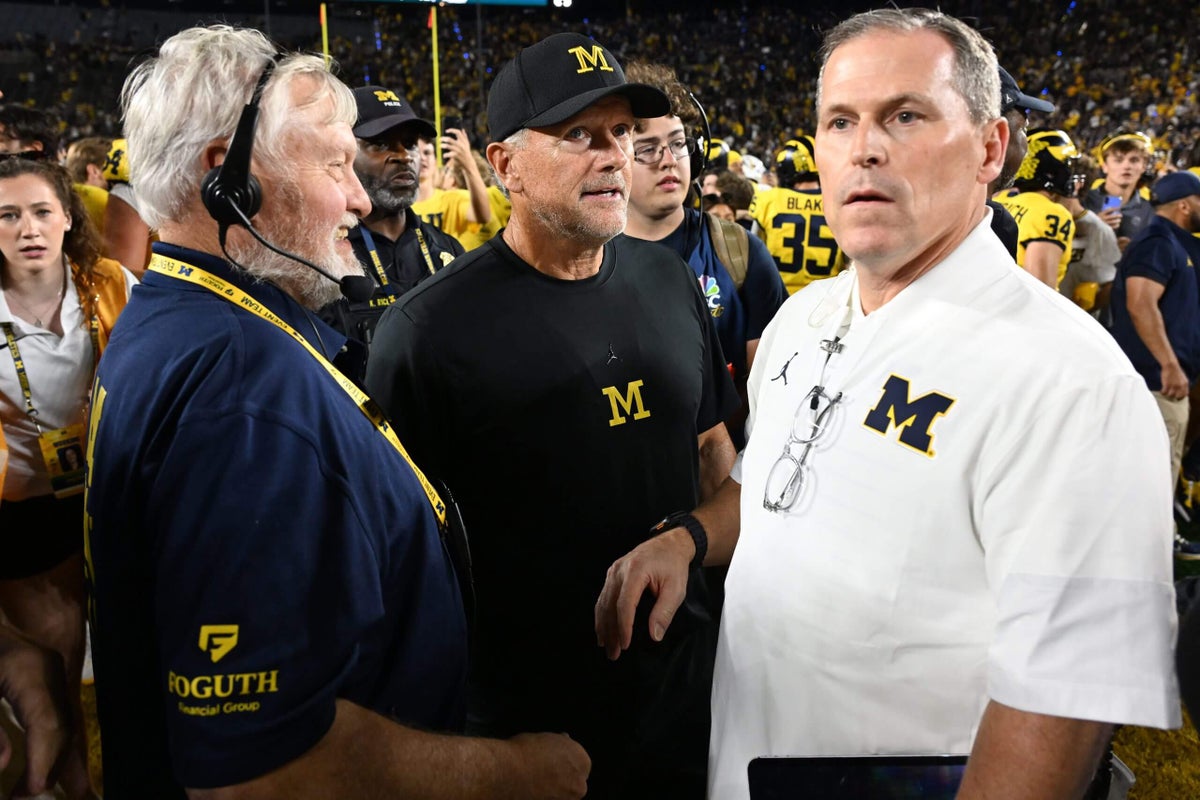
“But there’s zero part of me that will ever describe tonight as anything other than robbery. That clock was 0:00; Western Michigan won this game fair and square. The refs had absolutely zero business ‘finding’ one extra second. “That’s one of the top comments in our story on last night’s fiasco in Ann Arbor, when the No. 16 Wolverines somehow got to attempt a second Hail Mary after having seemingly lost 12-7 to WMU in Kyle Whittingham’s debut.First, here’s where the ball was when NBC’s depiction of the stadium clock initially struck zero:According to that clock, the game was over at that point. If someone had touched that ball a moment prior (and after having stepped out of bounds), this play would’ve ended with a second remaining, but as of that screenshot, nobody has touched the ball. Ballgame. Right?After review, the Big Ten gave Michigan one more second — and thus one more shot to beat the MAC team. What? On air, NBC rules expert Terry McAulay was among the baffled: “The ball isn’t even close to touching the player when it goes to zero. (The Big Ten’s) system, their Hawk-Eye system, apparently either had a different sync or whatever.”Next thing you know, Bryce Underwood’s second Hail Mary attempt worked, and Michigan fans stormed the field, having beaten a four-touchdown underdog 13-12.As the entire CFB internet raged on behalf of WMU (and rabidly probed the dealings of Hawk-Eye technology, a measurement system used by lots of sports leagues), what supercharged the whole thing was: This phantom clock benefitted Michigan, the school with about a million recent sports scandals and a football title won amid the Stalions thing, though I agree that part was “overblown.”At 12:49 a.m. ET, the Big Ten explained itself via a statement, which had really lovely font work, at least:The B1G included a video of its review discussion, in which officials concluded WMU’s Micah Davis jumped from out of bounds and touched the ball while one second remained on … well, we can’t really call it the clock, but we can certainly call it a clock.So why didn’t the replay officials’ “direct shot of the game clock in the stadium” match NBC’s, if everything was “synced” and “aligned”? That’s the crux, and we might never know the answer.But if the B1G was definitely using the correct clock (which would mean NBC was showing millions of people the incorrect time), then the B1G was correct to let one of its marquee teams get one last chance to avoid a loss at least as bad as 2007’s Appalachian State upset. I said if.“It is incomprehensible how, in 2026, conferences still employ and supervise the officials who work the league’s own nonconference games,” wrote Stewart Mandel in his Final Thoughts column on the weekend.