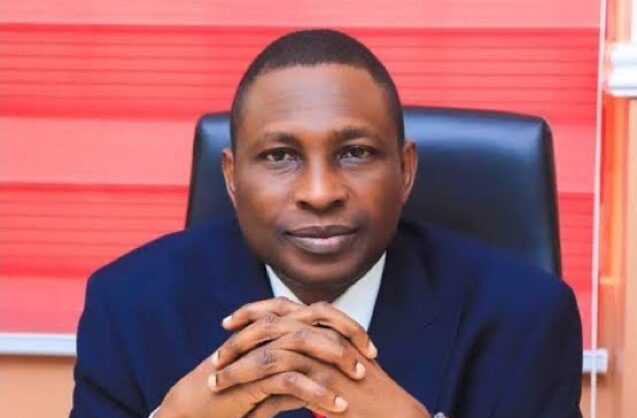
From tax recoveries and restitution to student loans and consumer credit, Nigeria’s anti-graft agency is betting recovered wealth can do more than punish financial crime, Onyinye Nwachukwu writes:
Capital lost to fraud and corruption rarely disappears from Nigeria’s economy in a single stroke. It is diverted — from government accounts, businesses, households and financial institutions — into assets, foreign accounts and increasingly, cryptocurrency wallets.
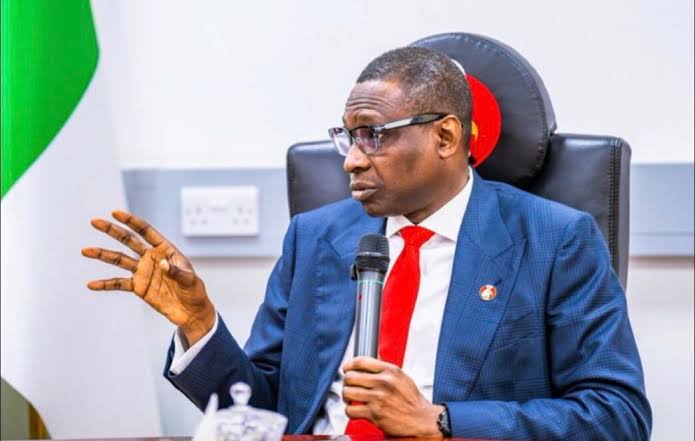
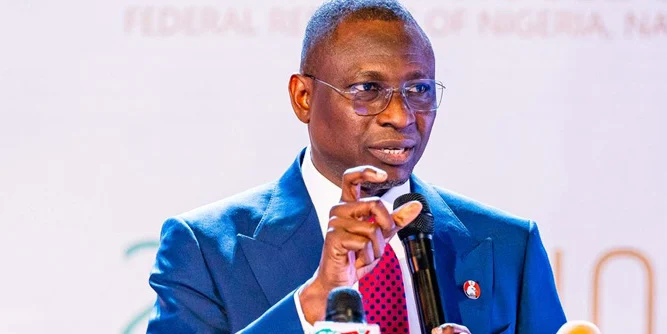
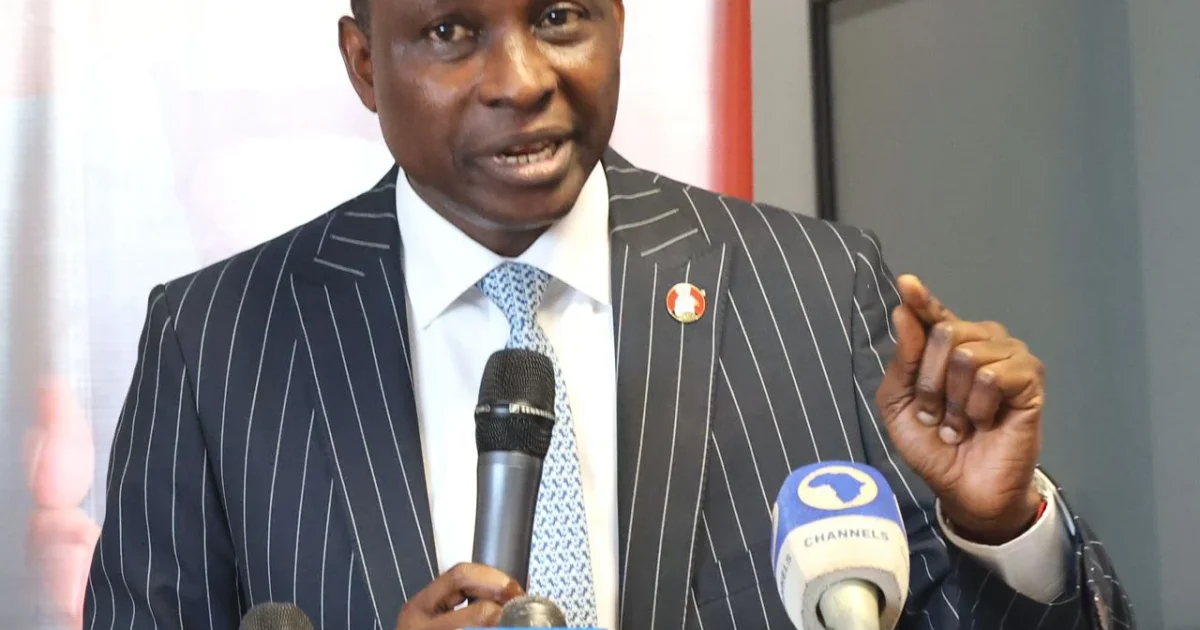
Under Ola Olukoyede, Nigeria’s Economic and Financial Crimes Commission (EFCC) is trying to reverse that flow. For him, the real test of an anti-corruption campaign should begin after the handcuffs come off and the money is recovered.
Since taking over as chairman of Nigeria’s Economic and Financial Crimes Commission (EFCC) in October 2023, Olukoyede has overseen the recovery of N1.23 trillion, $684.48 million, £373,906 and €9.34 million, according to figures he presented Monday in Abuja while accounting for his 34 months at the agency.
But the EFCC chairman is making a case for measuring the commission’s economic value differently. The question is no longer simply how much the agency has recovered. It is how much recovered capital has found its way back to its rightful owners, government accounts, businesses, students and households — and whether the money can generate economic value once it gets there.