By Dapo Akinrefon, Gabriel Ewepu, James Ogunnaike, Shina Abubakar & Adeola Badru
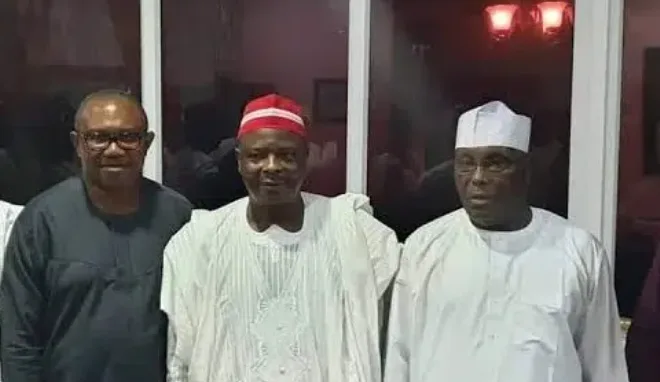
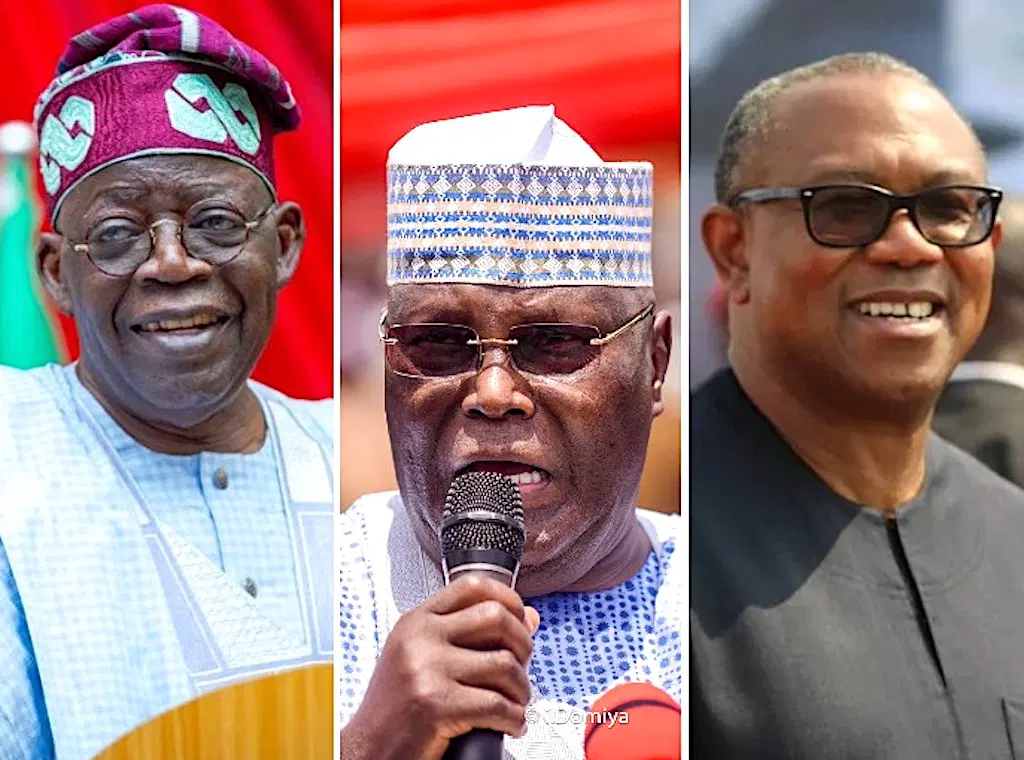
The ongoing moves by opposition political parties to present a single presidential candidate for the 2027 general elections on the understanding that the candidate would serve only one four-year term have triggered fresh concerns over the feasibility and credibility of the proposal.
There are also doubts over the credibility of political promises in Nigeria, particularly when such promises involve the voluntary surrender of constitutional rights after political power has been acquired.
At the heart of the proposal is an attempt by opposition forces to manage competing presidential ambitions, forge a common front against the ruling All Progressives Congress, APC, and persuade Nigerians that the proposed alliance would offer a credible alternative to the present government.
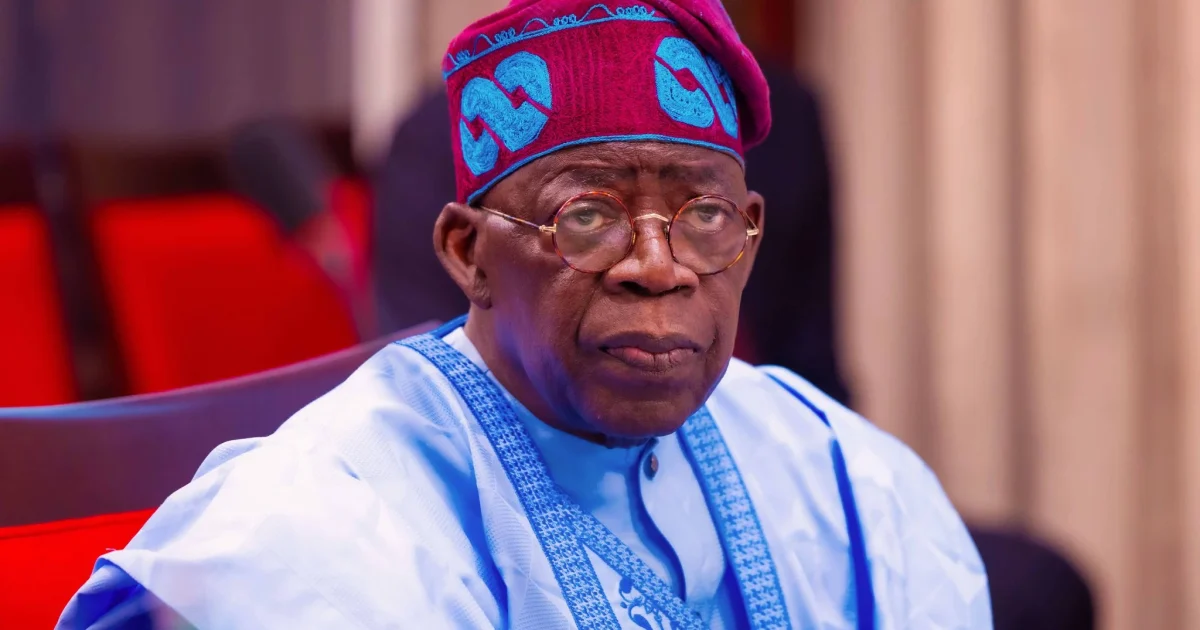
Since the return to democratic rule in 1999, no Nigerian president has voluntarily limited himself to a single four-year tenure after winning a first term. Olusegun Obasanjo served two terms between 1999 and 2007, while Umaru Musa Yar’Adua, who succeeded him, died in office before completing his first term. Goodluck Jonathan, who succeeded Yar’Adua, completed the late President’s tenure before winning the 2011 presidential election and serving until 2015. Muhammadu Buhari also served two terms between 2015 and 2023, while President Bola Tinubu, elected in 2023, is currently serving his first term and remains constitutionally eligible to seek a second term.