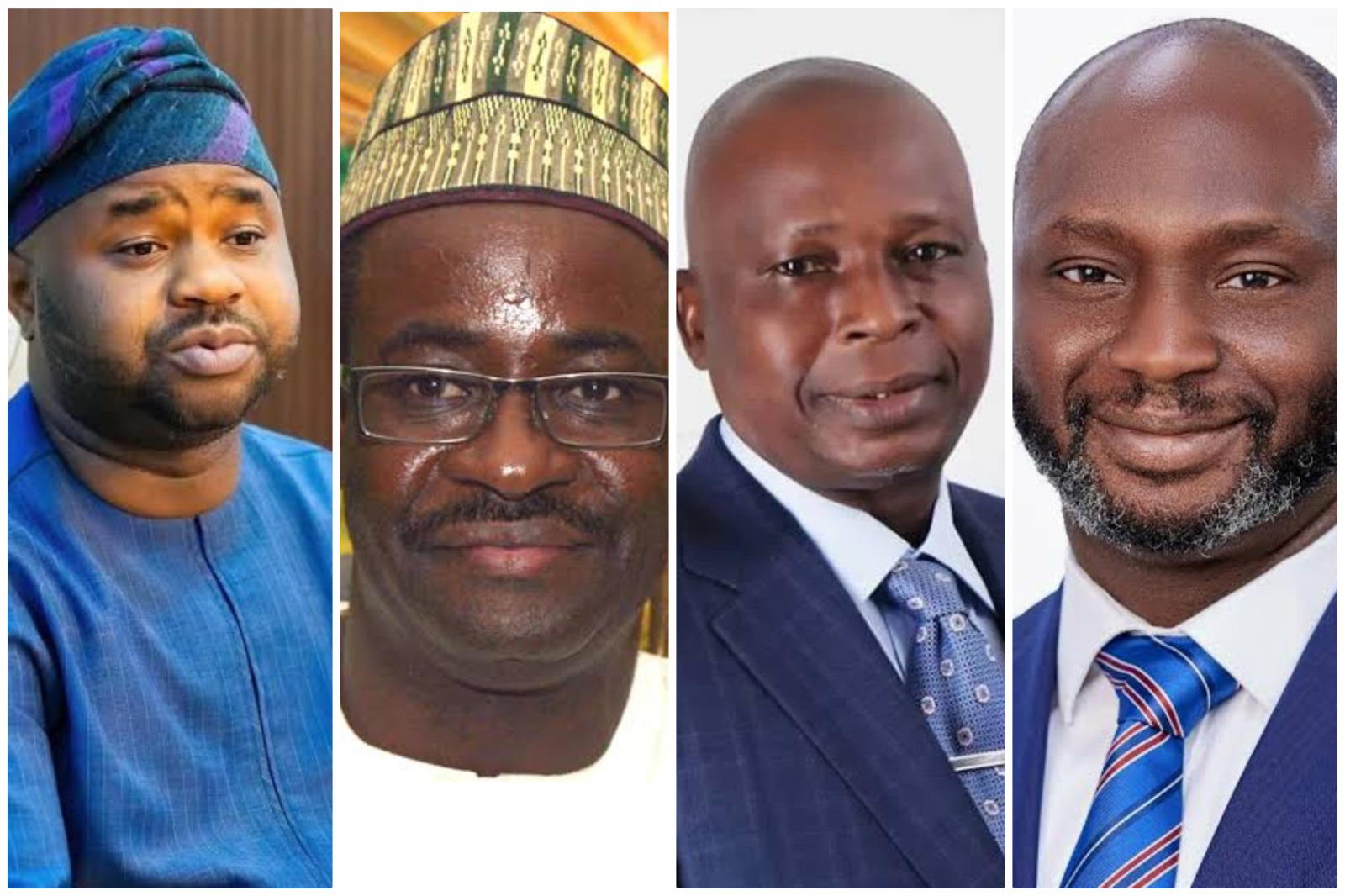
The controversy over Zacch Adedeji’s appointment as Deputy Director of Fundraising in President Bola Tinubu’s 2027 Presidential Campaign Council is not merely about one man, nor should it be reduced to another partisan skirmish in which the ruling party is accused, and the opposition suddenly discovers the virtues of institutional propriety.
The same applies to Dr Bisoye Coker-Odusote of the National Identity Management Commission. The deeper question is what happens to the Nigerian state when those who temporarily control its machinery begin to deploy it, openly or subtly, in the service of electoral survival.
This is not new. During the PDP’s long tenure, governors and presidents routinely blurred the line between official functions and campaign rallies. State-owned broadcasters became megaphones for incumbents, civil servants demonstrated loyalty at political gatherings, and their presence was less voluntary than obligatory.
Even smaller regional parties leaned on local government structures and traditional rulers to project electoral influence. The pattern is not partisan but structural: whoever holds office discovers the utility of office in electioneering.
The opposition denounces it while out of power, then embraces it once in office. The cycle repeats, eroding the distinction between the state and the party.