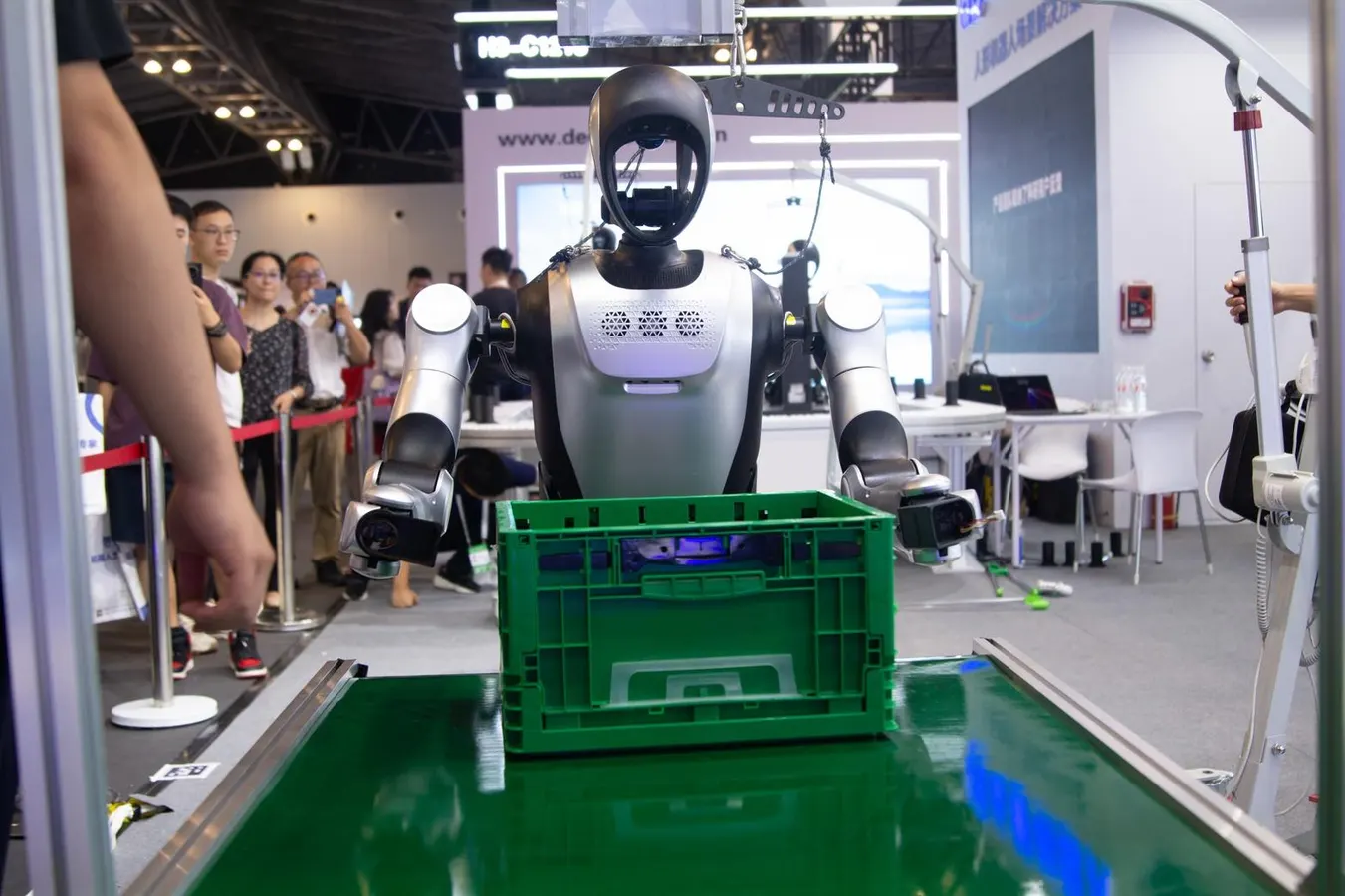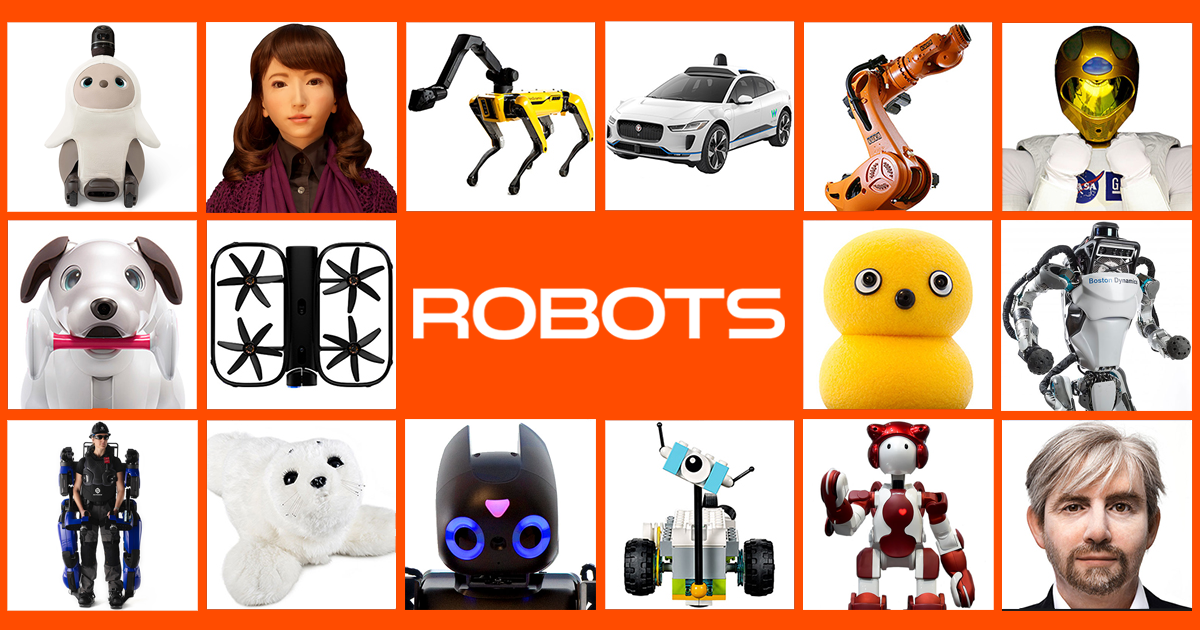
Humanoid robots have become the most photographed and least understood category in robotics. Almost everything the public sees is a short clip, and a clip is a poor instrument for judging a physical system. If you are trying to track this field seriously — as an engineer, a buyer, or just someone tired of the noise — a small set of questions does most of the work.
1. Which market is this machine in?
There are at least three, and they barely overlap.
Research platforms are experimental substrates. The buyer will replace the controller, bolt on sensors, and deliberately run the thing into failure. What matters is open interfaces, documented kinematics, a simulation model that matches the hardware, and a vendor who tolerates modification. Gait quality matters less than whether you are allowed to rewrite it.
Industrial and logistics platforms are evaluated on cost per unit of work. Duty cycle beats peak payload. Mean time between failures and mean time to repair beat demonstration footage. Battery swap logistics beat headline runtime. And the humanoid form has to justify itself against wheeled bases and fixed arms that are cheaper, older and already certified — the honest argument for legs is that the environment was built for people and cannot be rebuilt.