Imagine asking an AI coding assistant to help refactor a complex application. At first, it gives sharp, accurate responses. But 20 messages into the session, it suddenly forgets the architecture rules you set at the beginning, re-introduces previously fixed bugs, or hallucinates functions that don't exist.
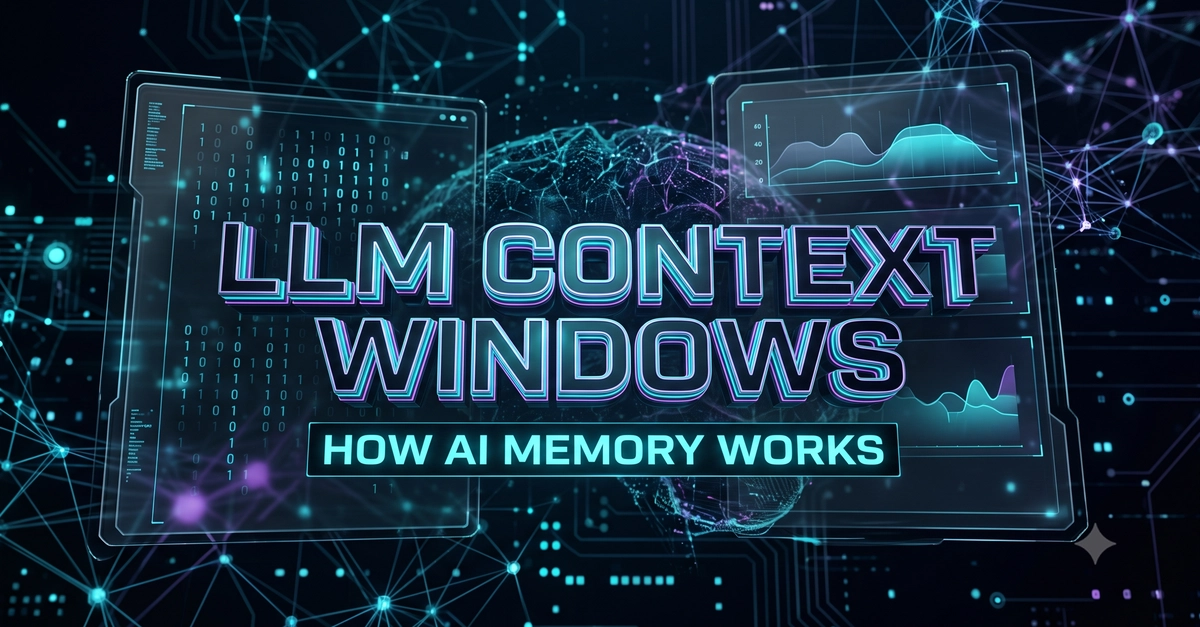
What went wrong? You just ran into the boundaries of the Context Window.
Whether you are a developer building AI agents or a user trying to get better outputs from ChatGPT, Claude, or Gemini, understanding how context windows work is the single most effective way to improve AI performance.
This guide will break down context windows from the ground up—starting with simple analogies and progressing into the core computer science behind tokenization, embeddings, self-attention mechanics, and retrieval limits.
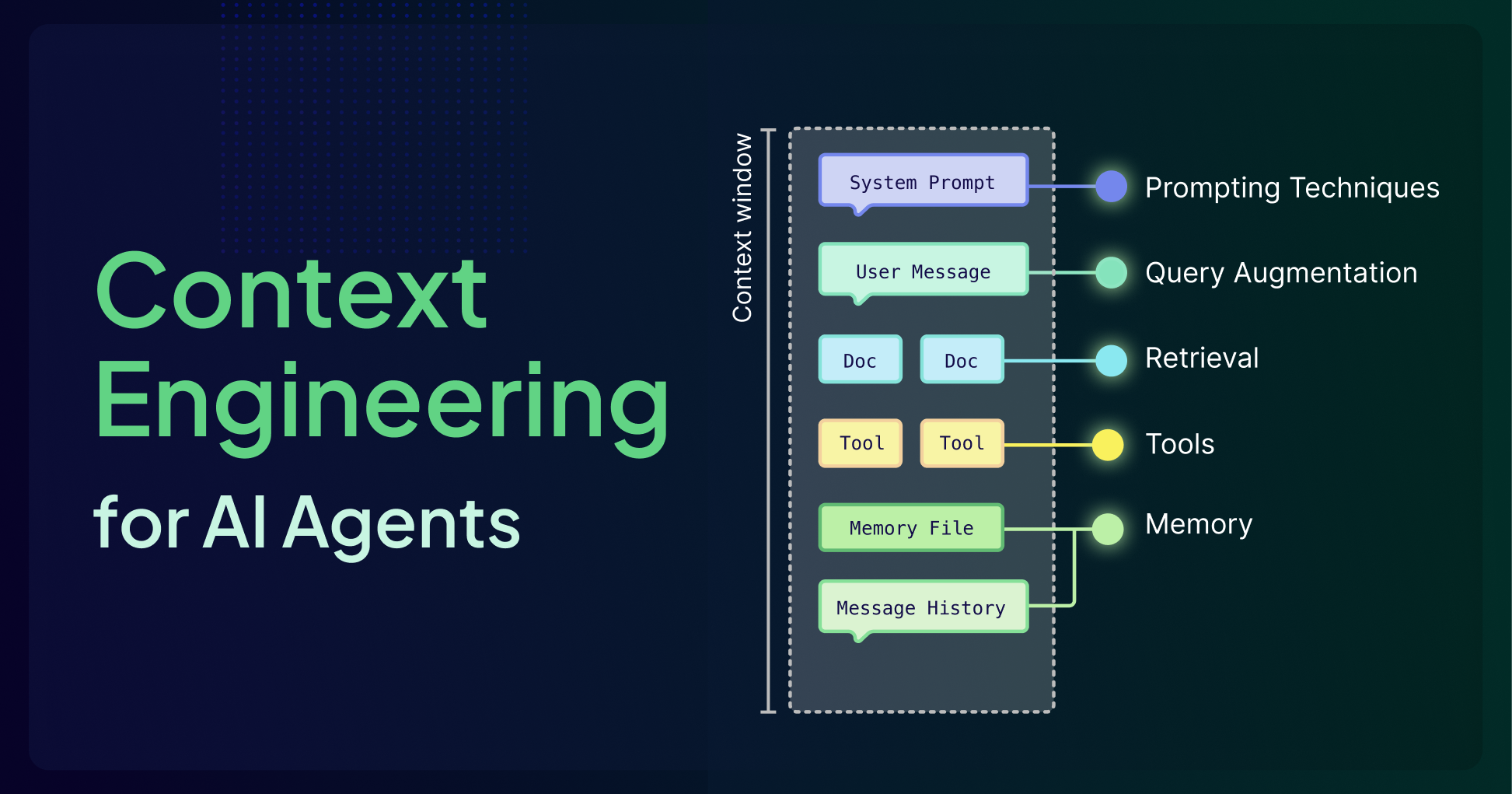
1. What is a Context Window?