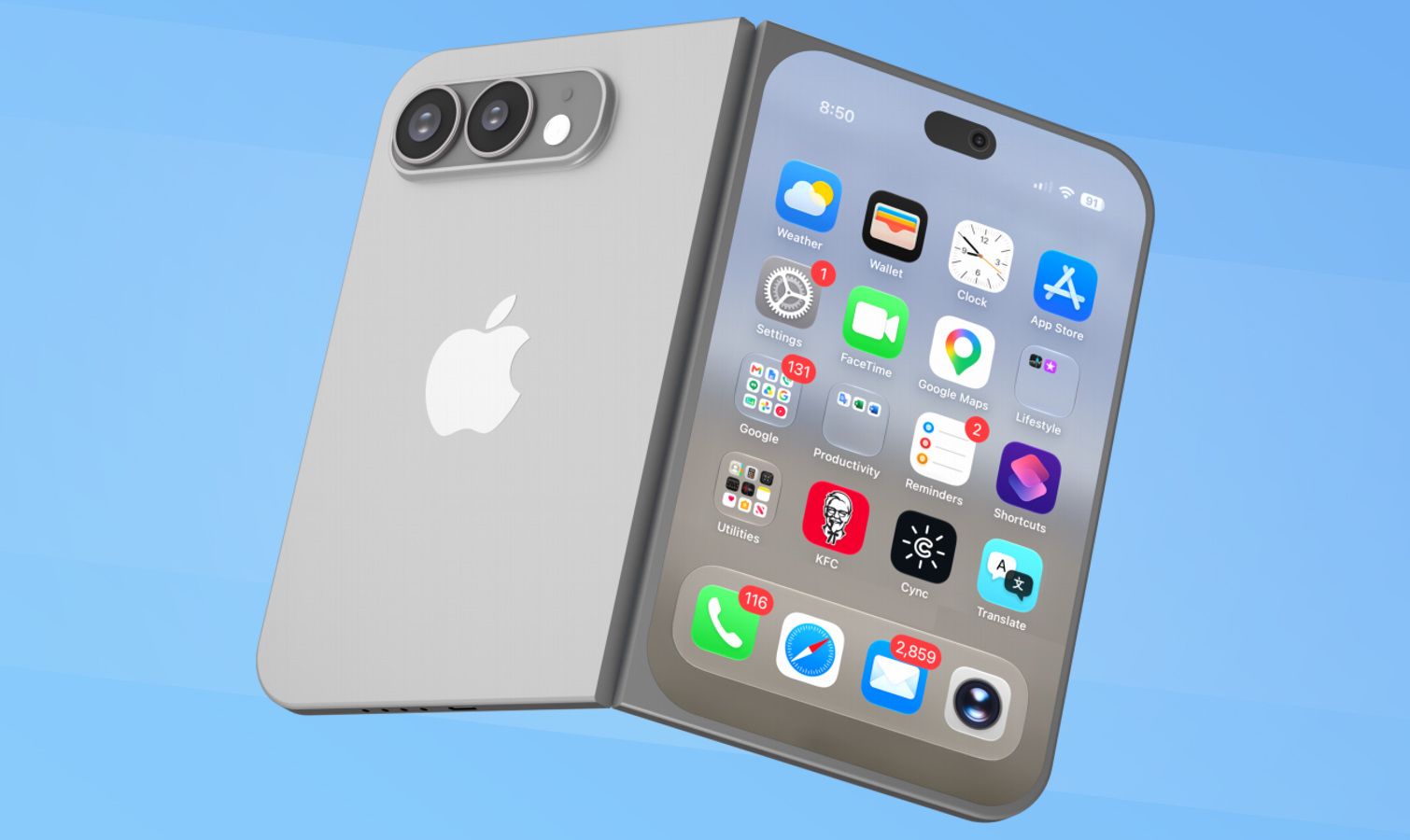
(Image credit: Future)
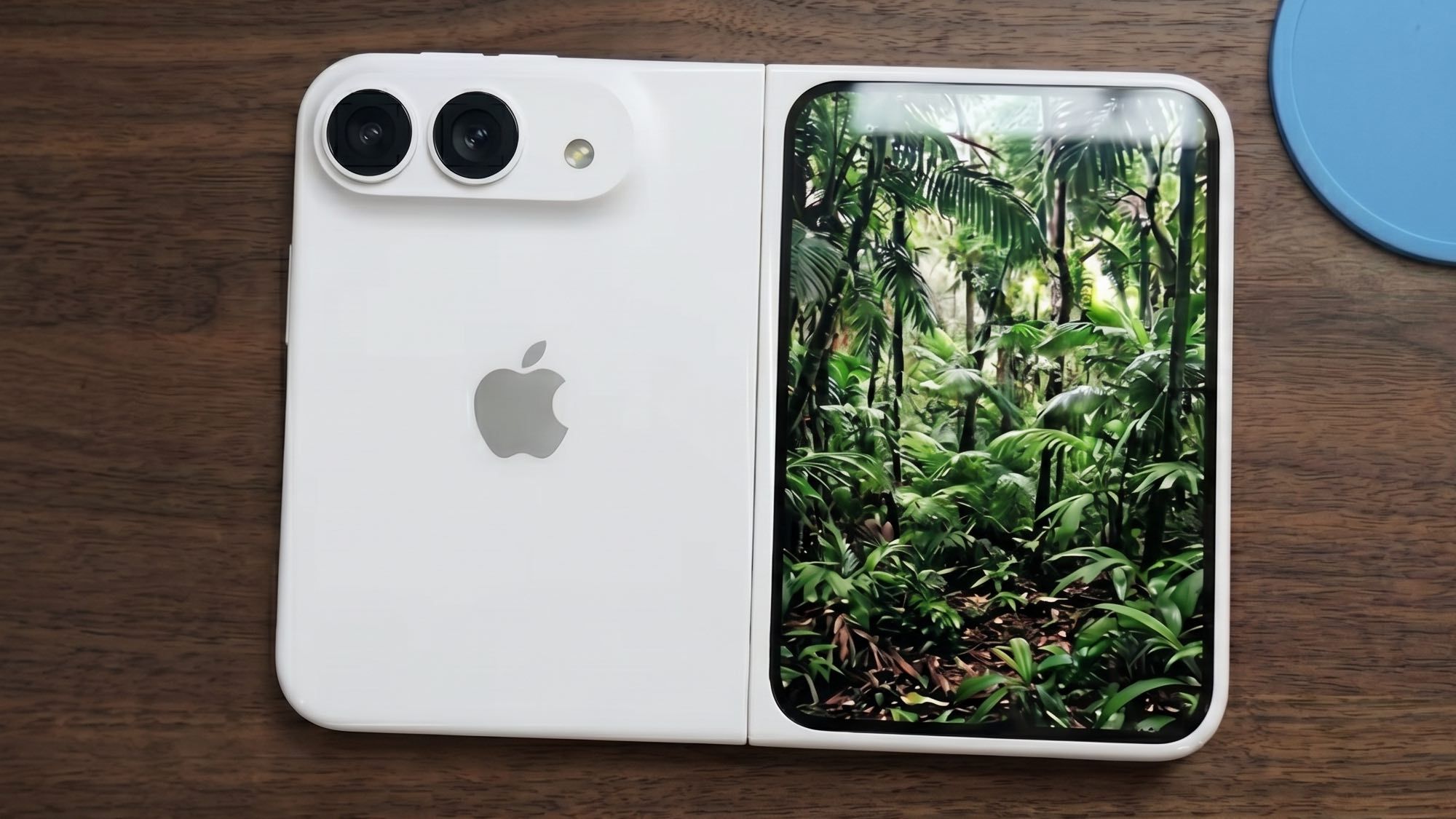
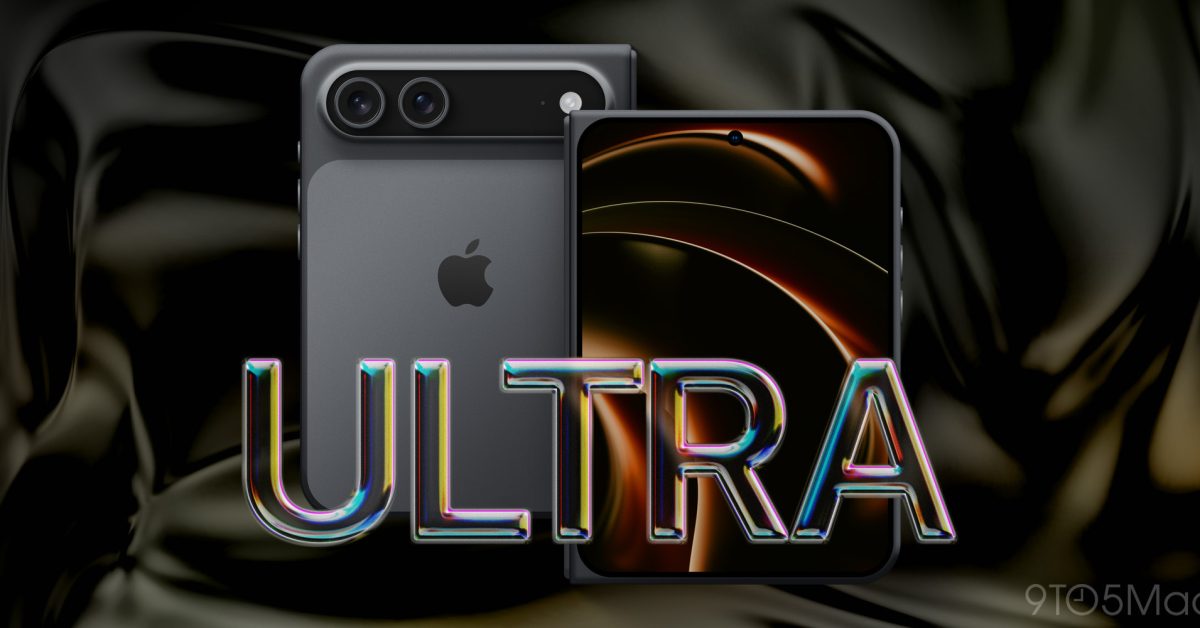
Seven years after Samsung made foldables a category with the troubled launch of the original Galaxy Fold, Apple is finally ready to join the race. The iPhone Ultra is expected to be unveiled at next week’s Surprise and Shine event on September 9.The foldable market has come a long way since the problem-filled early days of Fall 2019, but one thing that hasn’t been completely addressed is the visible crease where the two sides of a folding screen meet.Apple has long been rumored to be seeking to “eliminate the crease at all costs.” Here’s what we know about the company’s plans so far.Foldable creases: What’s the problem?In order to bend, foldable screens obviously require more flexibility than standard screens, typically opting for a plastic polymer or ultra-thin glass. As foldables are opened and closed, the repeated stress of bending creates a permanent crease, accelerated by the hinge mechanism that exerts pressure on the screen.You can see how this looks on the picture below, of the Honor Magic Vs.
(Image credit: Tom's Guide)While a crease doesn’t impact usage, some view it as a visible eyesore, and you can sometimes feel it while touching the screen. Understandably, buyers also aren’t keen on any visual imperfections on devices that typically start in four figures, though our very own Tom Pritchard thinks the problem is overstated.How the iPhone Ultra is tackling the creaseApple is reportedly combining three different approaches to fix the problem.Sign up to the Tom's iGuide weekly newsletter with coverage on everything from product launches to software updates, this is your go-to source for the latest updates on all the best Apple content.The first is the adoption of a liquid metal hinge, which is capable of handling repeated lifetime bends while spreading the tension through the glass.The second is the panel itself. Not only does it reportedly feature two layers of ultra-thin glass to reduce the impact of a crease over time, but its thickness isn’t uniform. Instead, it’s thinner at the center where it bends the most, and thicker towards the edges to offer some impact resistance.Finally, Apple is said to be using an optically clear adhesive glue. This is designed to maintain liquid properties to fill in microscopic gaps that would eventually contribute to a visible crease.Will this make the crease invisible, or merely less obvious? The Weibo account Fixed Focus Digital claims the latter, measuring a crease of less than 0.15mm, and an angle of less than 2.5 degrees. This is obviously out of the box, and we’ll need thousands of test hours to see how this changes over time.Apple isn’t the first company to try and reduce the appearance of the crease. Samsung has been trying making progress over multiple generations, reducing it significantly with the Galaxy Z Fold 6 SE, and claiming near victory with the recent Galaxy Z Fold 8.However, our Managing Editor Jason England has found that it can creep back after repeated use. We’ll have to see if a similar fate awaits Apple’s solution.Will the iPhone Ultra hinge be reliable?