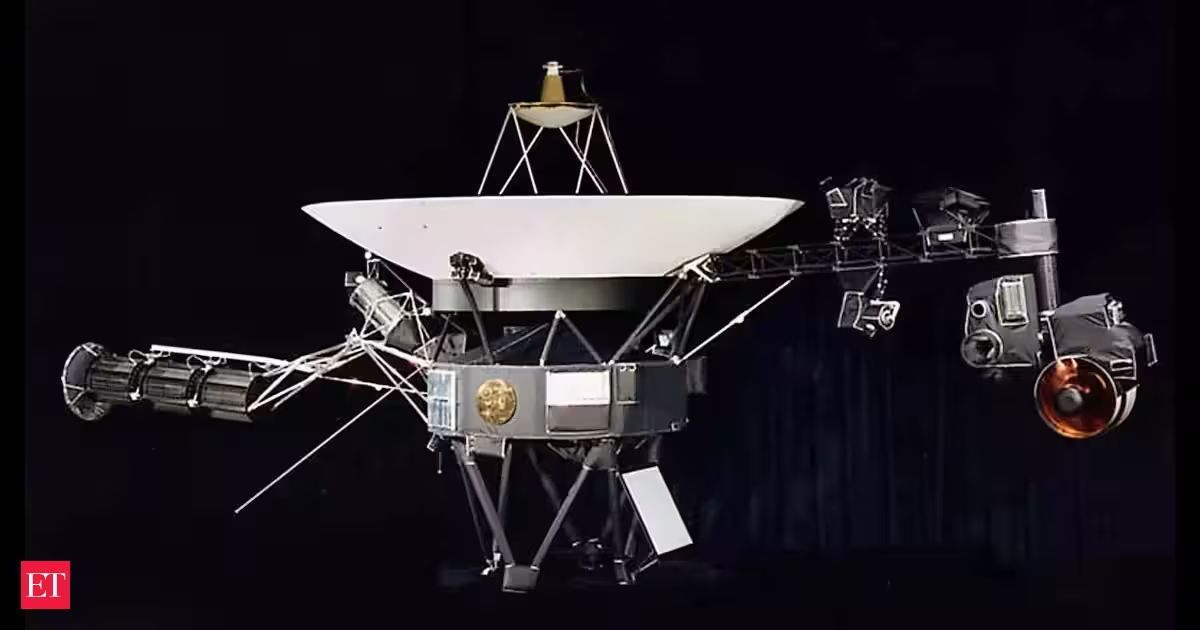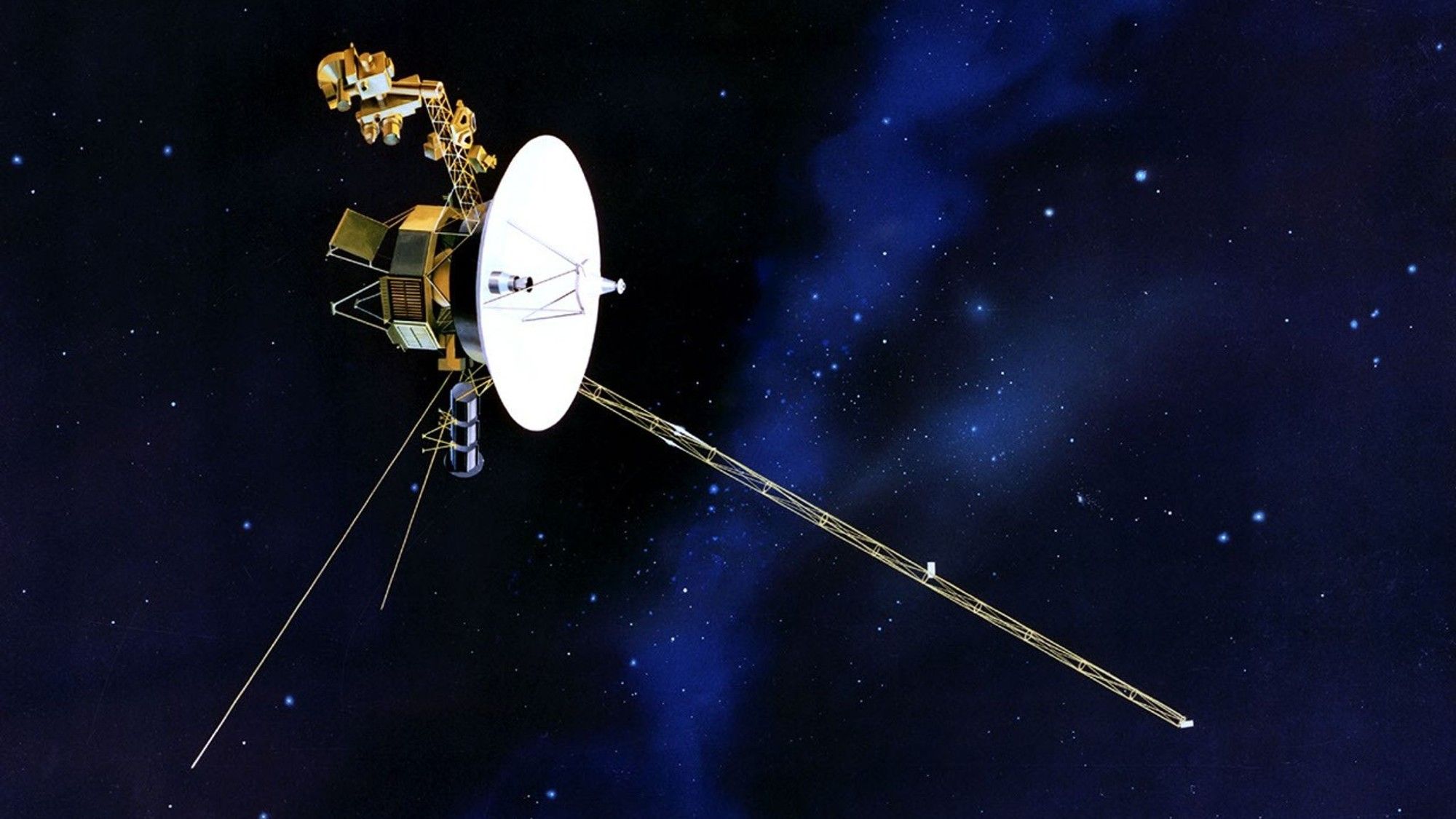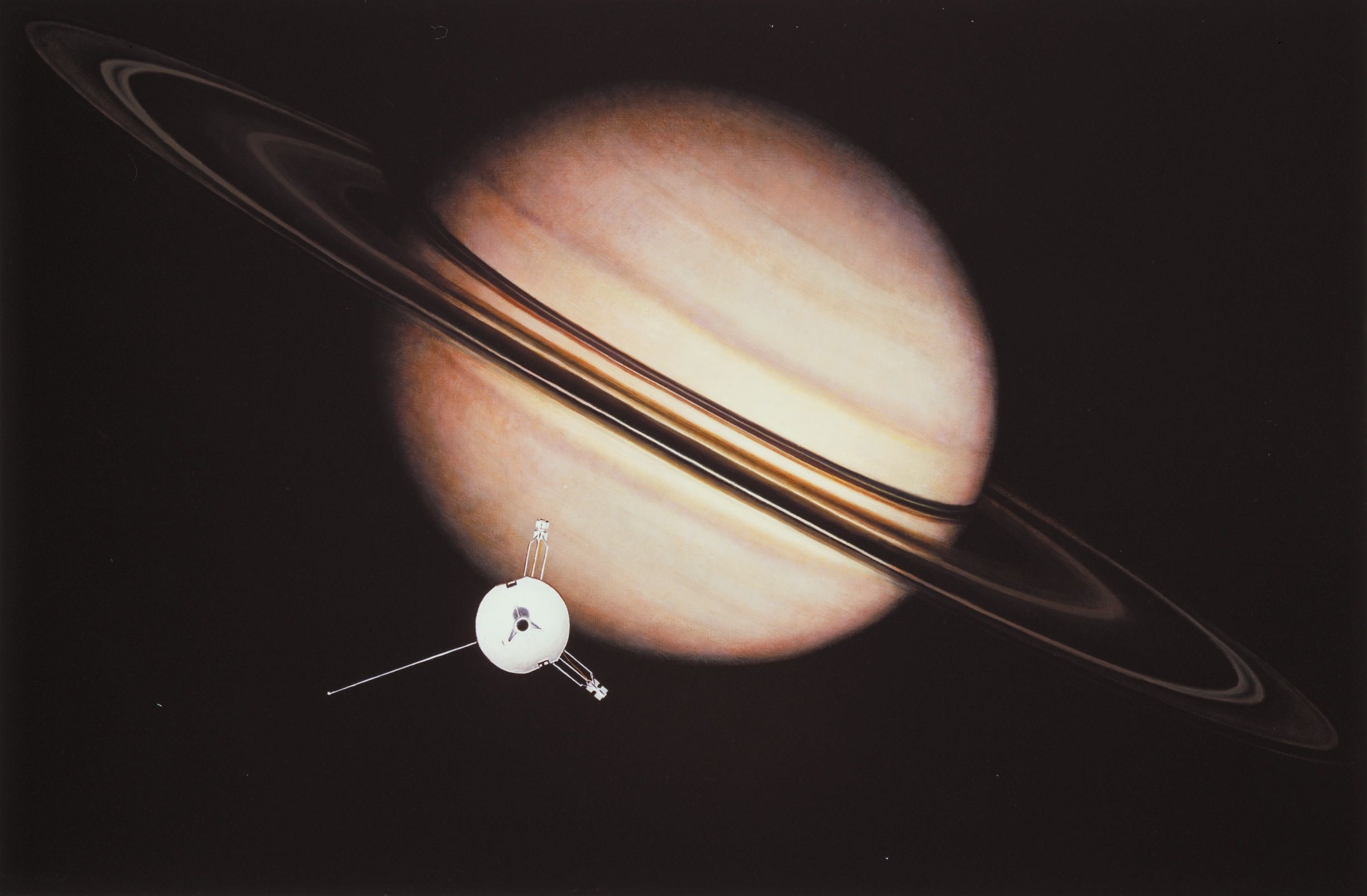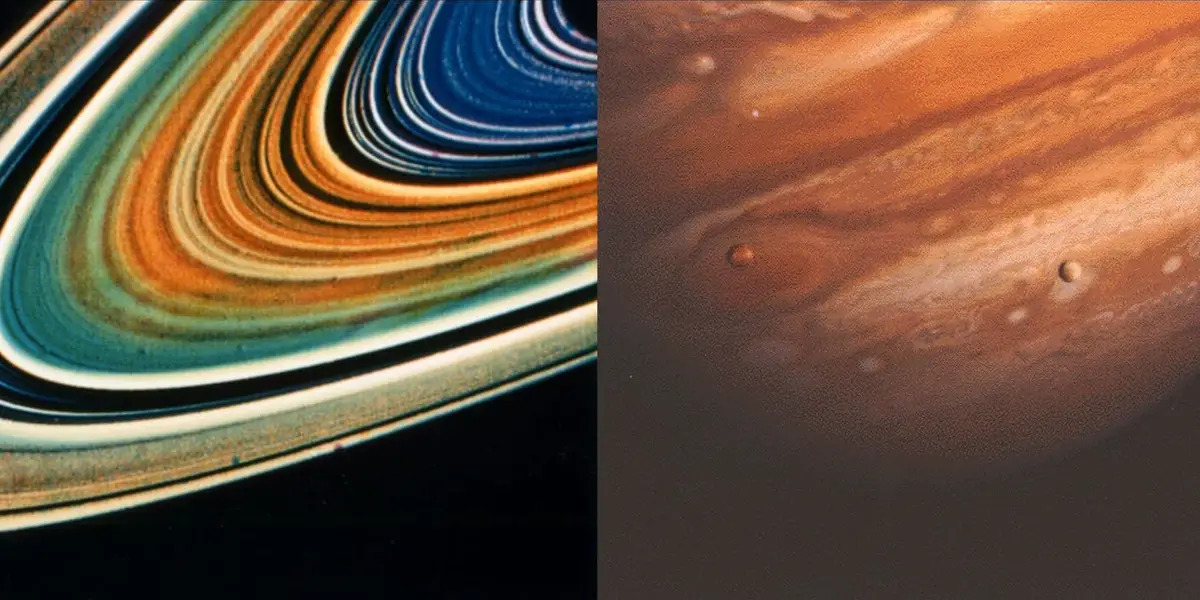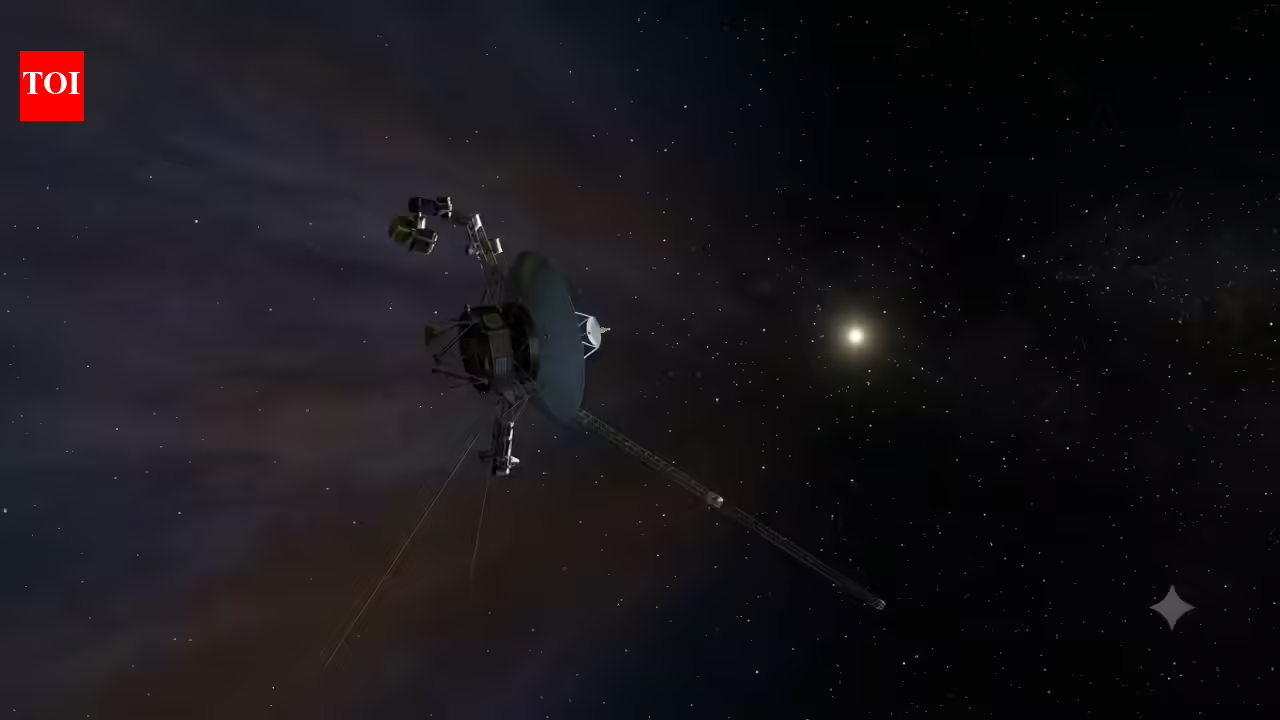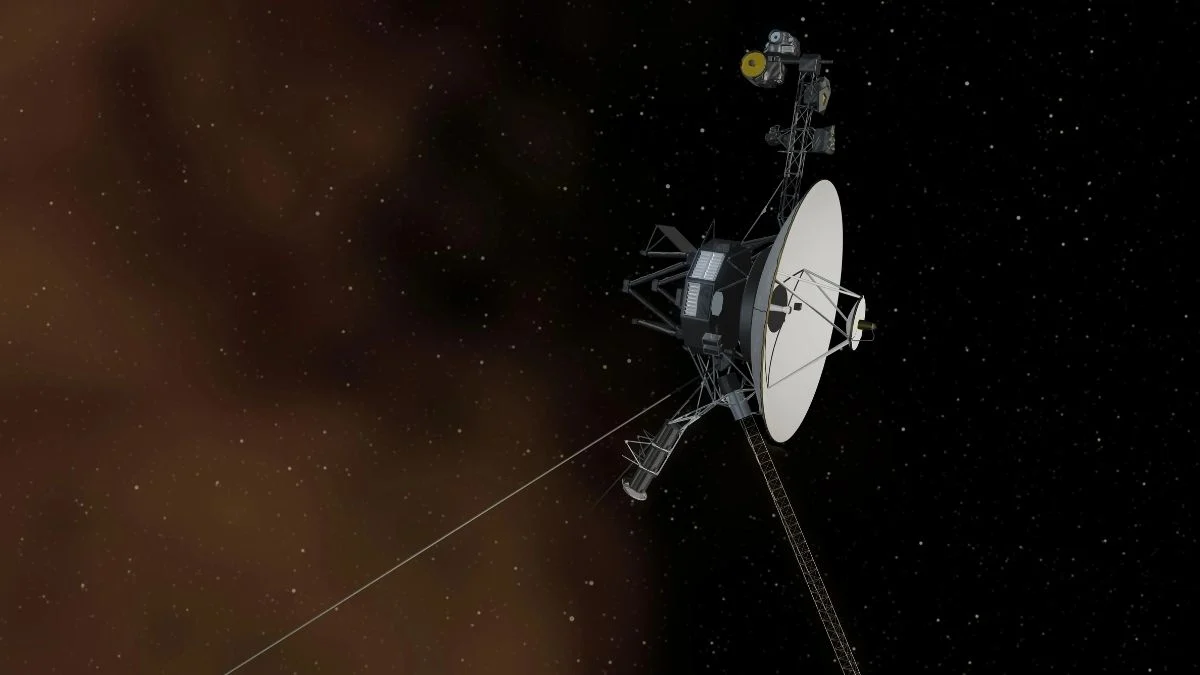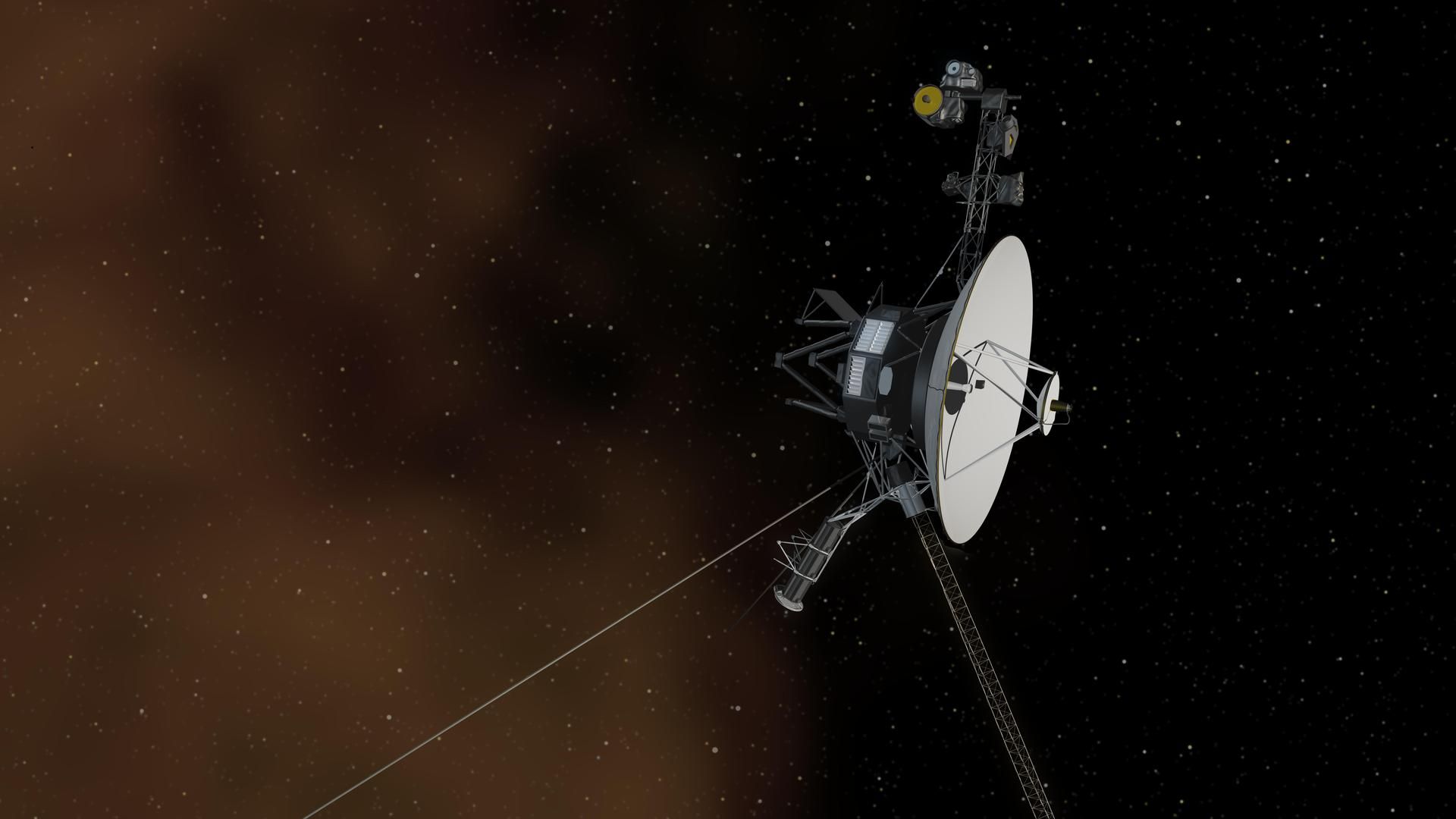
On Sept. 5, 1977, Voyager 1 began its epic journey through deep space with a glorious morning launch from Cape Canaveral, Florida.Voyager 1 initially launched on a mission to explore the outer planets. After flying by Jupiter and Saturn in 1979 and 1980, the spacecraft took a sharp turn and started heading straight out of the solar system.Voyager 1 became the first spacecraft to reach interstellar space in 2012, although scientists are still debating about exactly where that boundary lies.The spacecraft's next big encounter will take place in about 40,000 years, when it will fly by another star system. And just in case it comes across any intelligent life out in the universe, it's carrying a golden record with sights, sounds and greetings from planet Earth.Why it mattered
NASA's Voyager 1 spacecraft launches from NASA's Kennedy Space Center in Florida on Sept. 5, 1977. (Image credit: NASA/KSC)Voyager 1 is a space exploration icon and NASA's ultimate long-lasting mission.The spacecraft was part of a two spacecraft mission (Voyager 2 launched a few weeks earlier) to explore the outer solar system like never before. While Voyager 2 launched on a four-planet "Grand Tour" of the solar system, a trajectory that included flybys of Jupiter, Saturn, Uranus and Neptune, it wasn't the fastest of missions.Voyager 1 launched on a fast-track to Jupiter. In fact, the probe actually overtook Voyager 2 on the way to Jupiter and arrived their first for a flyby in March 1979. A year later, in November 1980, Voyager 1 passed by Saturn in a flyby that shot it out of the solar system.