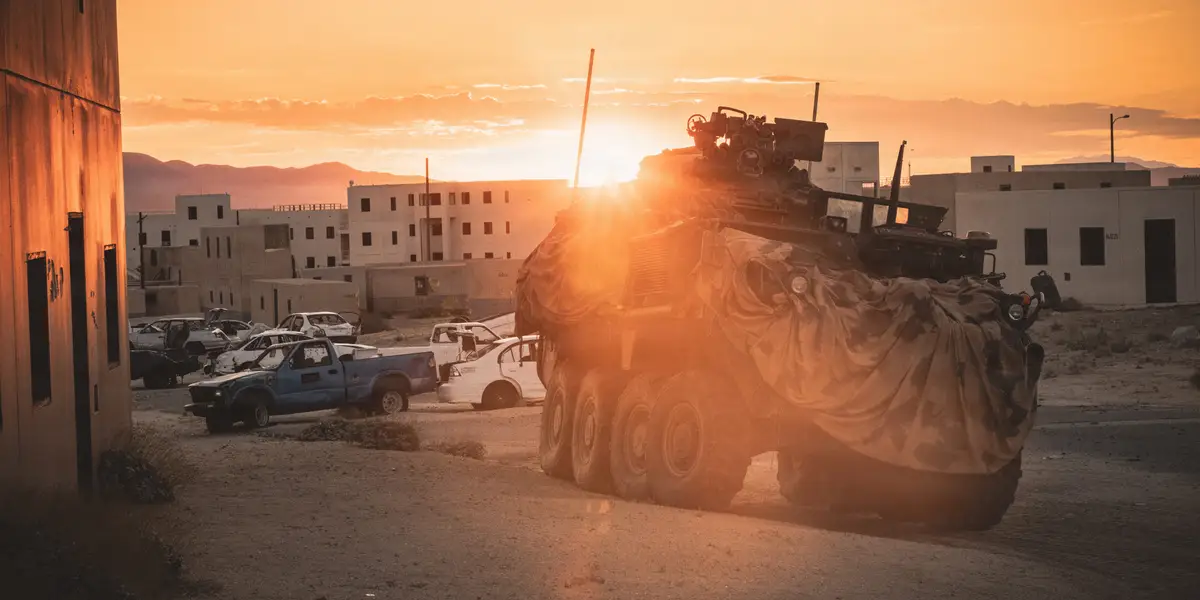
Soldiers have regularly used this hot desert city as a training site and sandbox for testing new technologies.
US Army photo by Sgt. Nathan Arellano Tlaczani
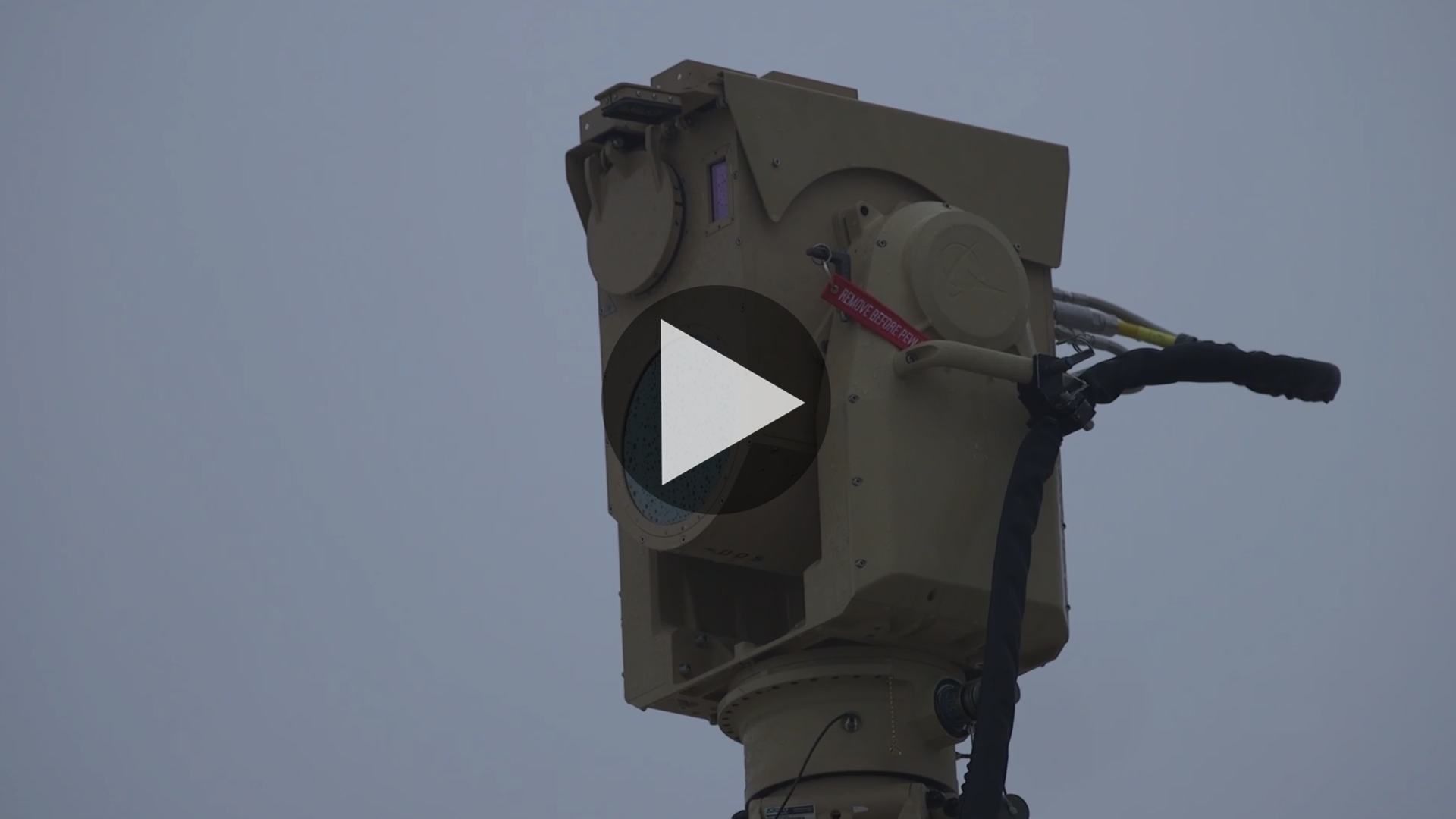
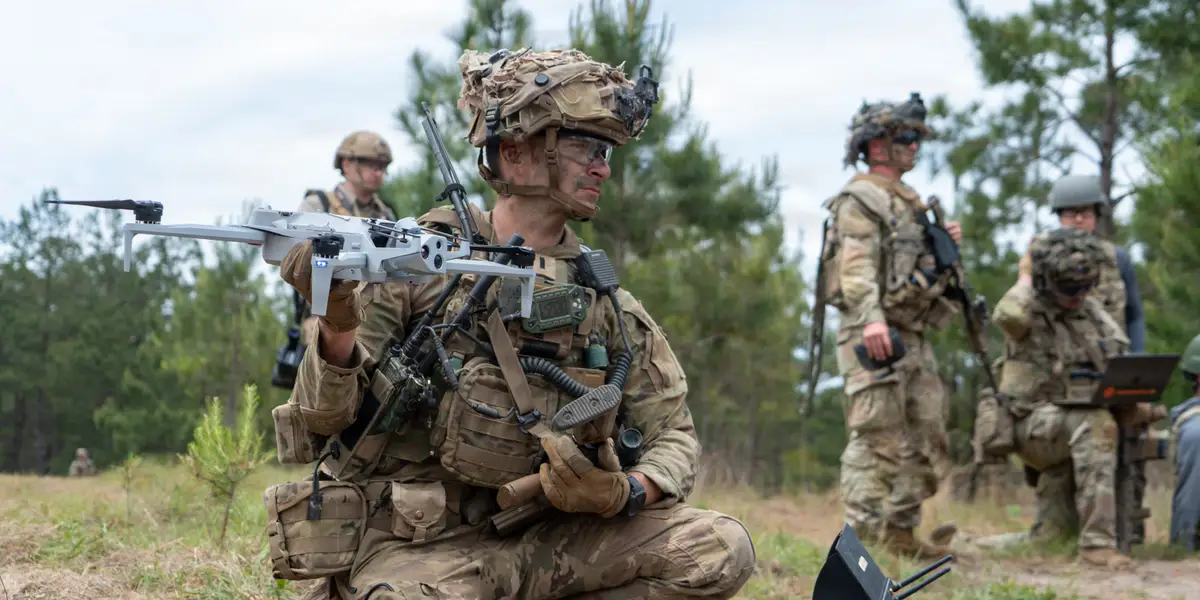
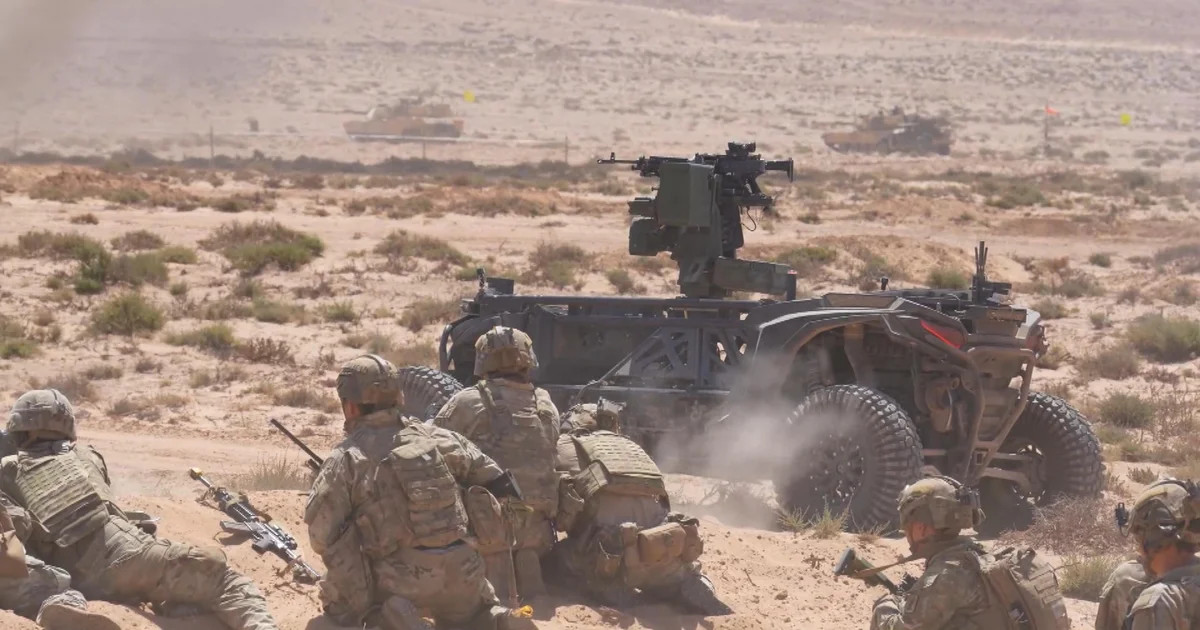
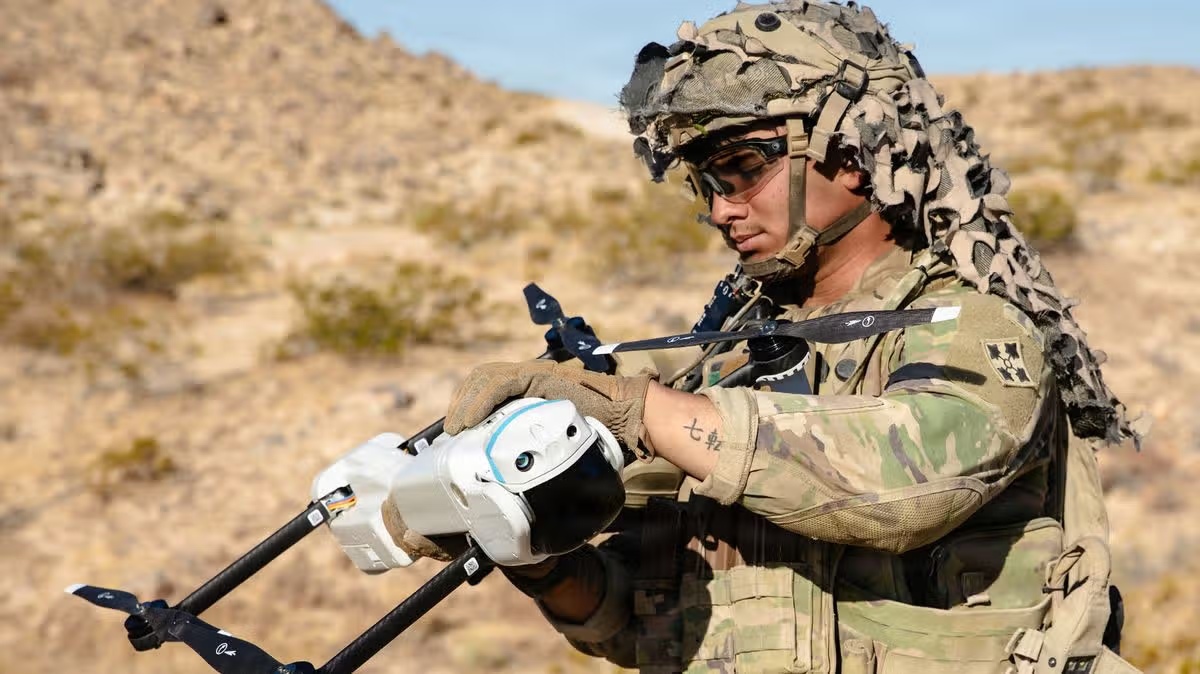
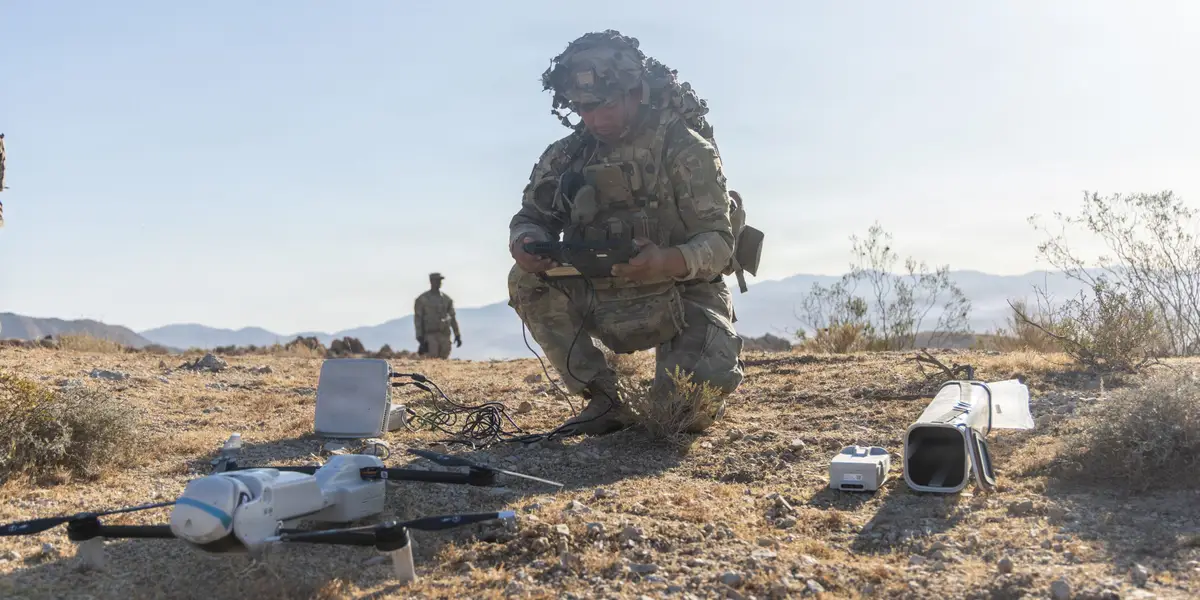
The US Bradley Fighting Vehicles were visible on the horizon as they raced toward the city. Smoke, deployed to conceal movement, formed wisps around the outskirts. Assault forces, preparing to storm the enemy stronghold, gathered on the northern edge, navigating barbed wire, cars, and concrete blocks — enemy obstacles meant to slow the assault down.The urban assault, part of a simulated conflict against a formidable peer adversary, followed days of combat.The US Army exercise tested soldiers on moving through a city caught in conflict, pushing them to clear streets and buildings while fighting. The fight also had another layer. Though not at scale the way combatants in Ukraine are, soldiers were integrating new technologies, including drones and software, to determine whether these systems made a difference in how they saw, sensed, and engaged the enemy.Traditional warfighting skills remain central to combat operations though.At the Army's Project Convergence Capstone exercise at Fort Irwin in California this summer, close to 10,000 soldiers gathered to experiment with new weapons and technology while fighting a mock war. Enemy forces consisted of troops from Irwin's 11th Armored Cavalry Regiment, known as "Blackhorse."Across the hot, dusty Mojave Desert, soldiers grappled with the heat's effects on themselves and their equipment.