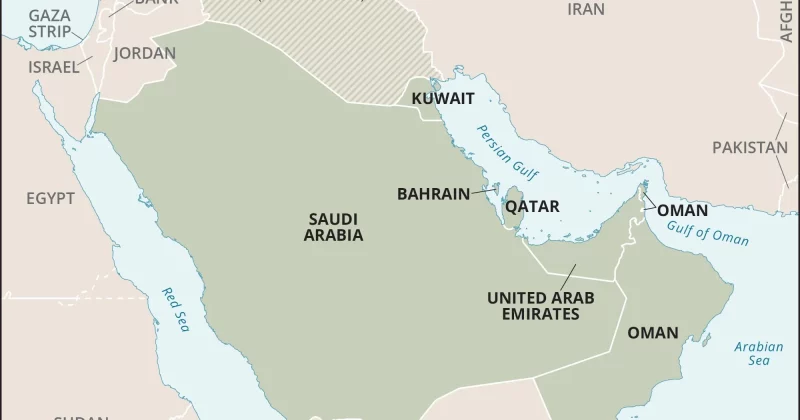
Economies across the Gulf Cooperation Council (GCC), comprising Bahrain, Kuwait, Oman, Qatar, Saudi Arabia, and the UAE, have all felt the fallout from the US-Israeli war on Iran, which has had a profound effect on investment across the region.
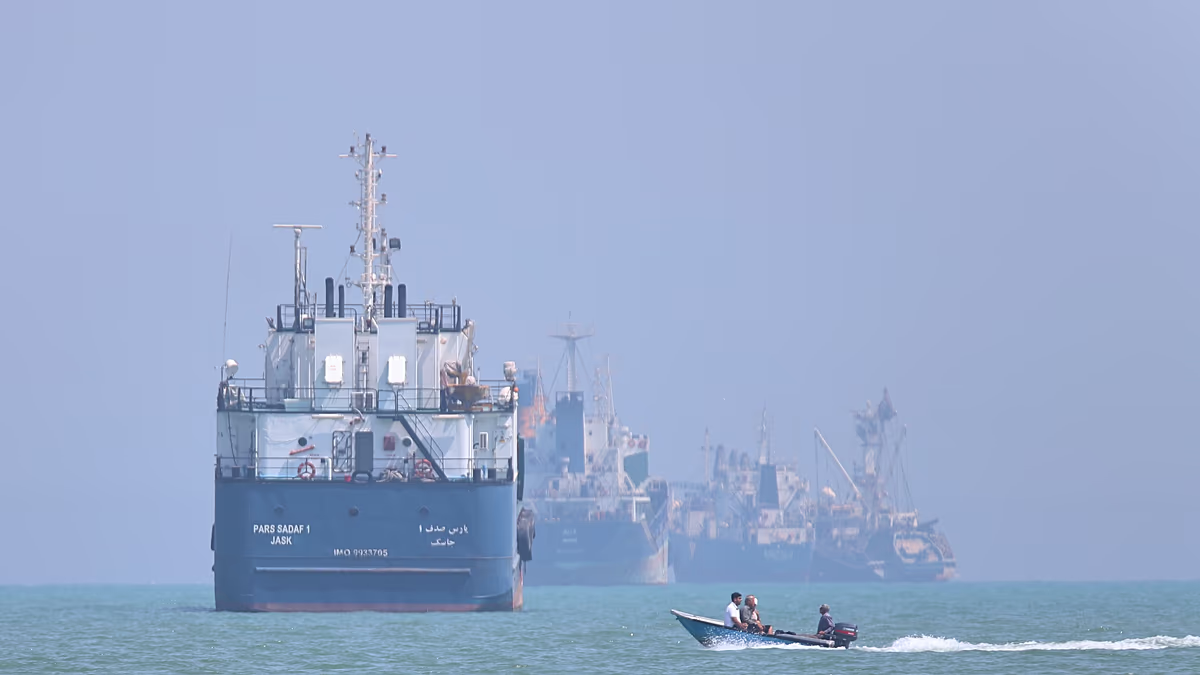
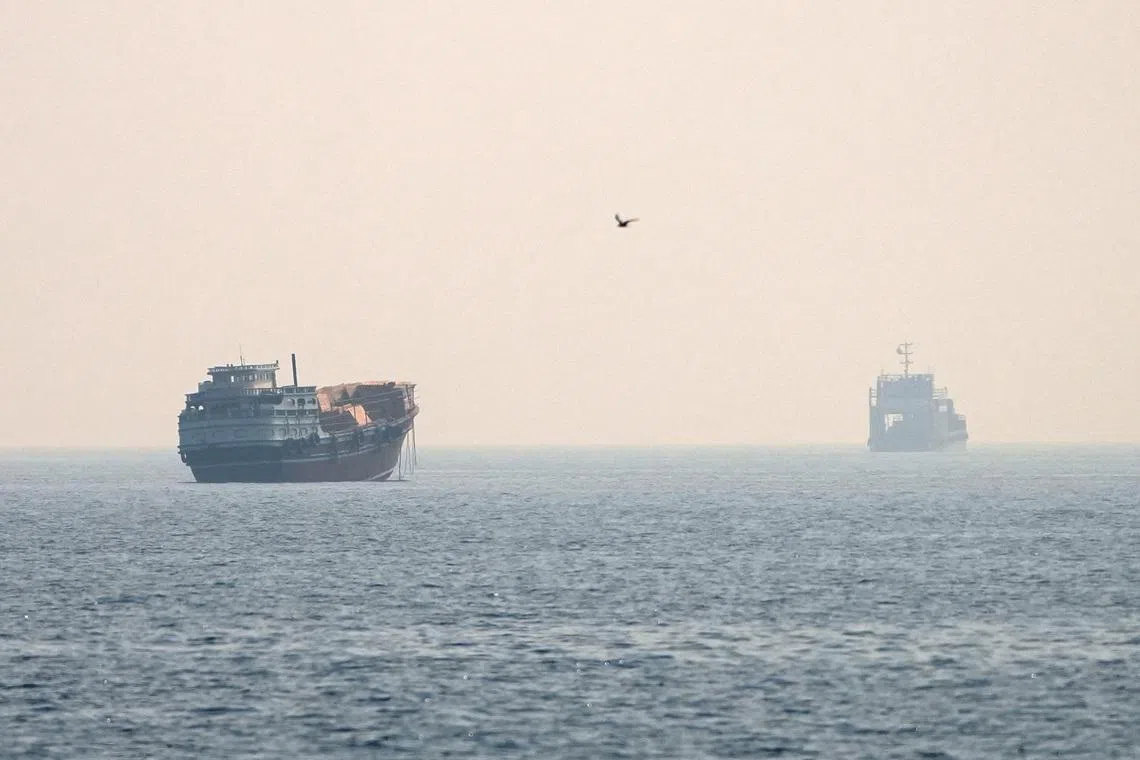
Foreign investment into the region has fallen sharply, by as much as 67 percent since the war began in February, as the uncertainty over key trade routes like Hormuz and Bab al-Mandeb has added to the concerns.
The Gulf states’ own ability to invest abroad, a pillar of their international financial and political weight in recent decades, has also come under strain.
That strain has forced a series of recalibrations, both to outbound investment flows and to domestic spending more broadly, adding to already downward-revised ambitions, particularly in Saudi Arabia.
Justin Alexander, an economist specialising in the GCC, told Middle East Eye the war is having “short-term impacts on fiscal revenue,” meaning “some Gulf states will either be unable to provide new capital to sovereign wealth funds or may even have to draw on them for financing".