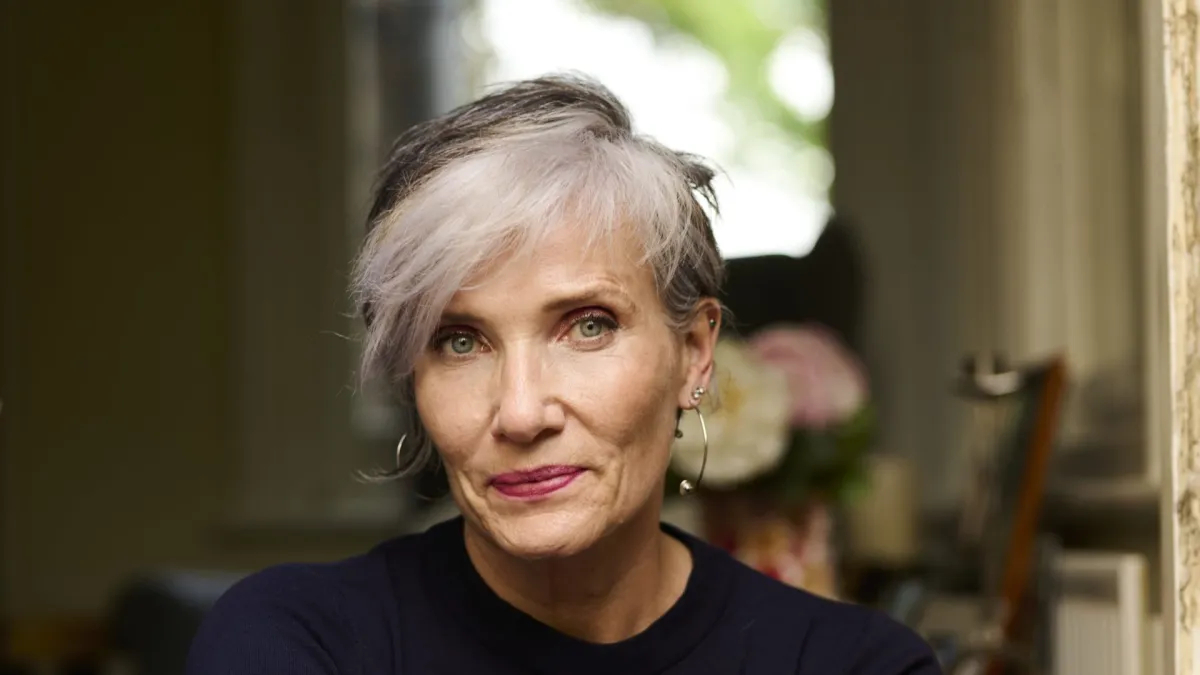
In over 35 years of experience, clinical psychologist Tanya Byron has become increasingly worried about how people are self-diagnosing mental health conditions, and giving themselves (and others) labels without any professional input. Pain, grief, and stress are feelings, and while they might be very uncomfortable, they do not always automatically need to be medicated or diagnosed.
In her new book You Are Not a Diagnosis, she warns that not every bad feeling is depression, not every feeling of worry is anxiety, and just because you find yourself easily distracted does not necessarily mean you have ADHD. “ADHD is historically undiagnosed, but there is also an awful lot of hijacking of it now, too,” she tells The i Paper.
Professor Byron is about to turn 60. “I’ve been doing this job for a long time, and I’m concerned that there is so much information presented online by people who are not professionally trained, and what they’re saying is not correct. At the moment, the realities of the economy, property and employment are grim, and there is a lot of worry around, and when we feel anxious or uncertain, we reach for explanations. That’s where a lot of this trend for self-diagnosis is coming from. People latch onto the things they find. It’s at best unhelpful and at worst really dangerous,” she says.