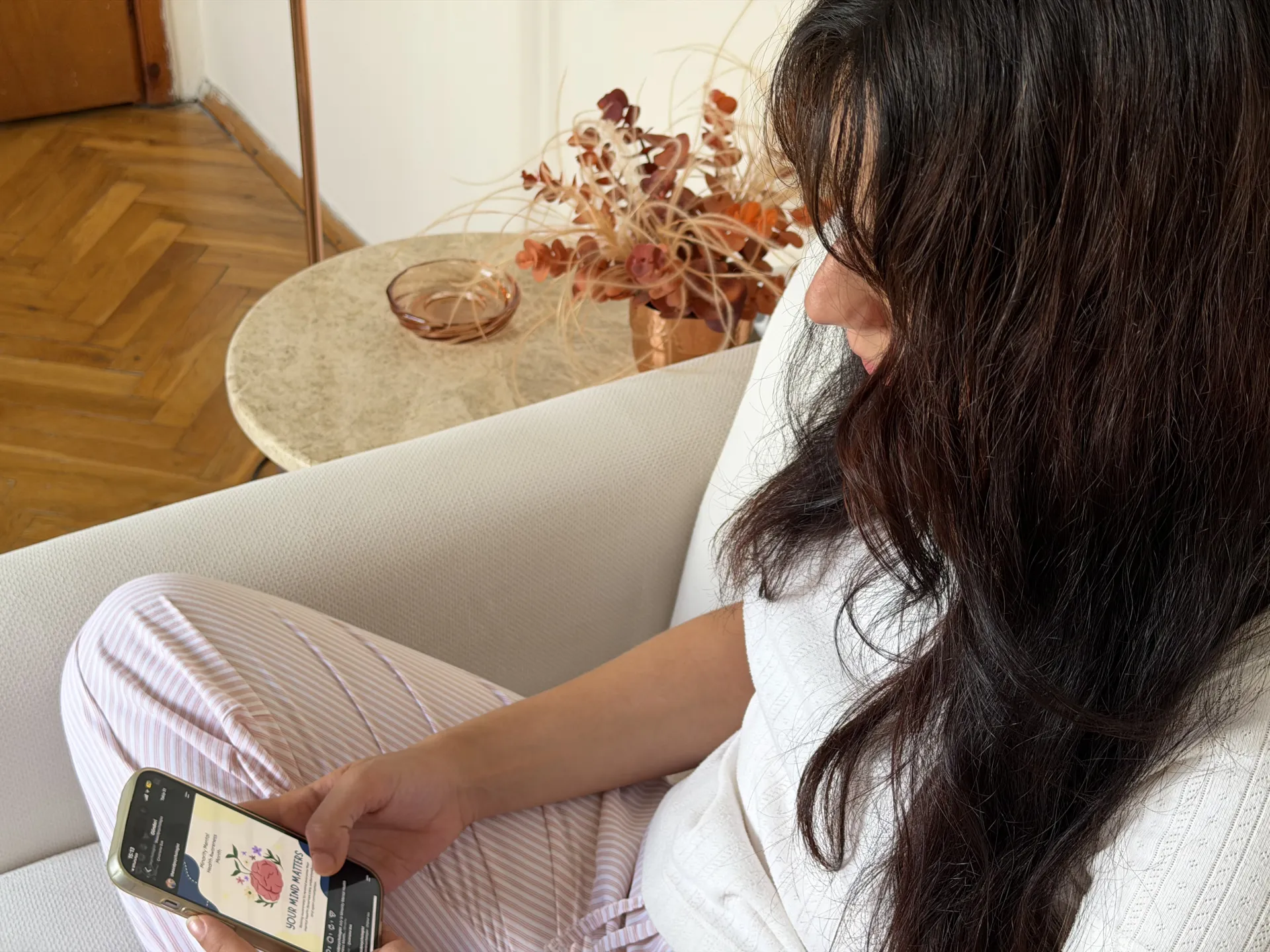
A tech boss who has overcome several mental illnesses has warned that many young people are copying symptoms they've seen in TikTok videos.Josef Newton, who has suffered OCD and attention deficit hyperactivity disorder (ADHD) and launched an app to combat health anxiety, flagged the phenomenon of so-called 'symptom borrowing'.He defines this as noticing, reinterpreting or expecting sensations and behaviours you've seen in others online.'Attention, expectation and anxiety can amplify everyday physical feelings or behaviours that previously went unnoticed,' he added.The sophisticated algorithms within social media apps like TikTok prioritise content relating to subjects the user has previously showed an interest in.If a user has watched a clip about a content creator's diagnosis of a condition, the app will show them several similar videos, Newton suggests.But Newton says this can fuel anxiety, making viewers search their mind and body for symptoms that may not exist.These recommendations can make relatively uncommon diagnoses feel both familiar and personally relevant, he added. Experts are warning of the dangers of so-called 'symptom borrowing' among people watching content about health conditions on social media.It comes months after researchers from the University of East Anglia (UEA) warned that inaccurate social media posts about ADHD and autism could be encouraging some young people to believe they have the conditions.The UEA study examined more than 5,000 social media posts across various platforms, and said misinformation about conditions like ADHD and autism was 'consistently higher on TikTok than other platforms'.Diagnoses of ADHD diagnoses have risen around 20-fold since the turn of the century.Around 2.5 million Britons today have the condition, which the NHS describes as when 'the brain works differently to most people'.At the time, Dr Eleanor Chatburn, from UEA's Norwich Medical School, claimed young people are increasingly using social media to understand their symptoms. 'While this questioning can be a helpful starting point, it's important these questions lead to proper clinical assessment with a professional,' she said.'As well as leading to misunderstanding of serious conditions and pathologising ordinary behaviour, misinformation can also lead to delayed diagnosis for people that actually do need help.'Newton, whose app is named Condri, also warned users to be cautious of social media content that presents ordinary experiences as signs of an underlying health condition.These include procrastination, feeling shy at social gatherings or becoming tired after socialising.Other warning signs of 'symptom borrowing', he said, include noticing a behaviour for the first time only after watching a video about it.'A great example of this is if somebody asks you to notice how your tongue feels in your mouth; it suddenly becomes difficult to ignore', he explained. 'The sensation was always there, but attention has made it prominent. Health videos can replicate a similar effect.'
TikTok 'symptom borrowing' that could be fuelling rise in ADHD
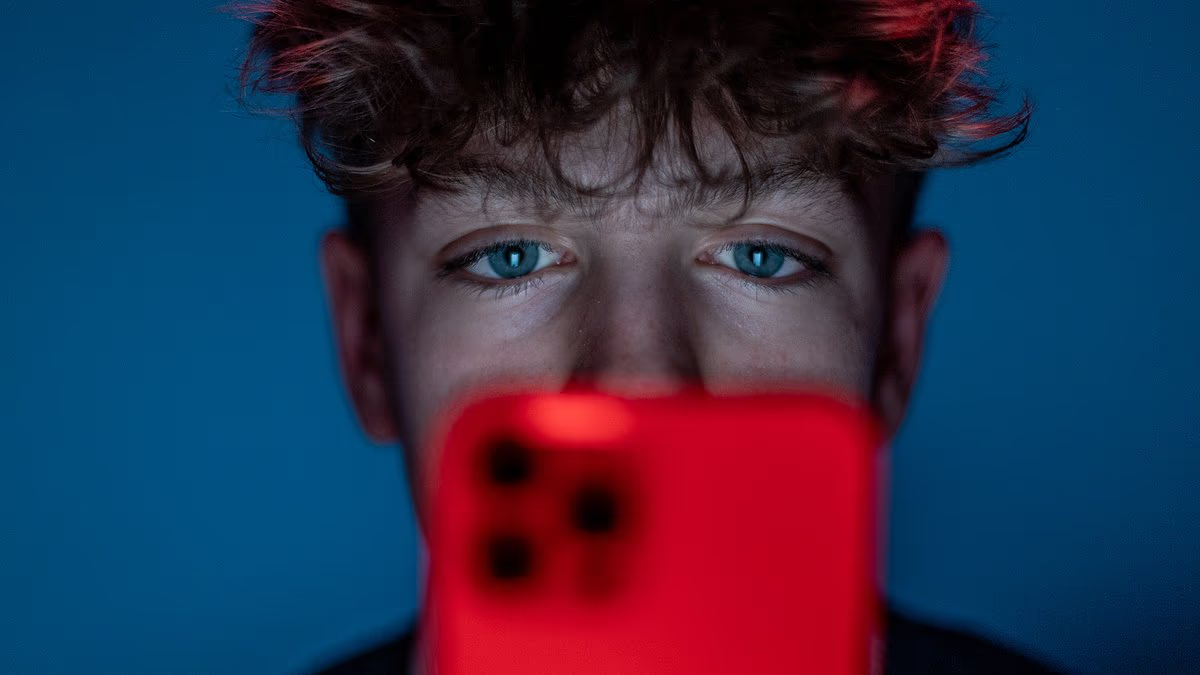
Experts are warning of the dangers of so-called 'symptom borrowing' among people watching content about health conditions on social media.
894 words~4 min read