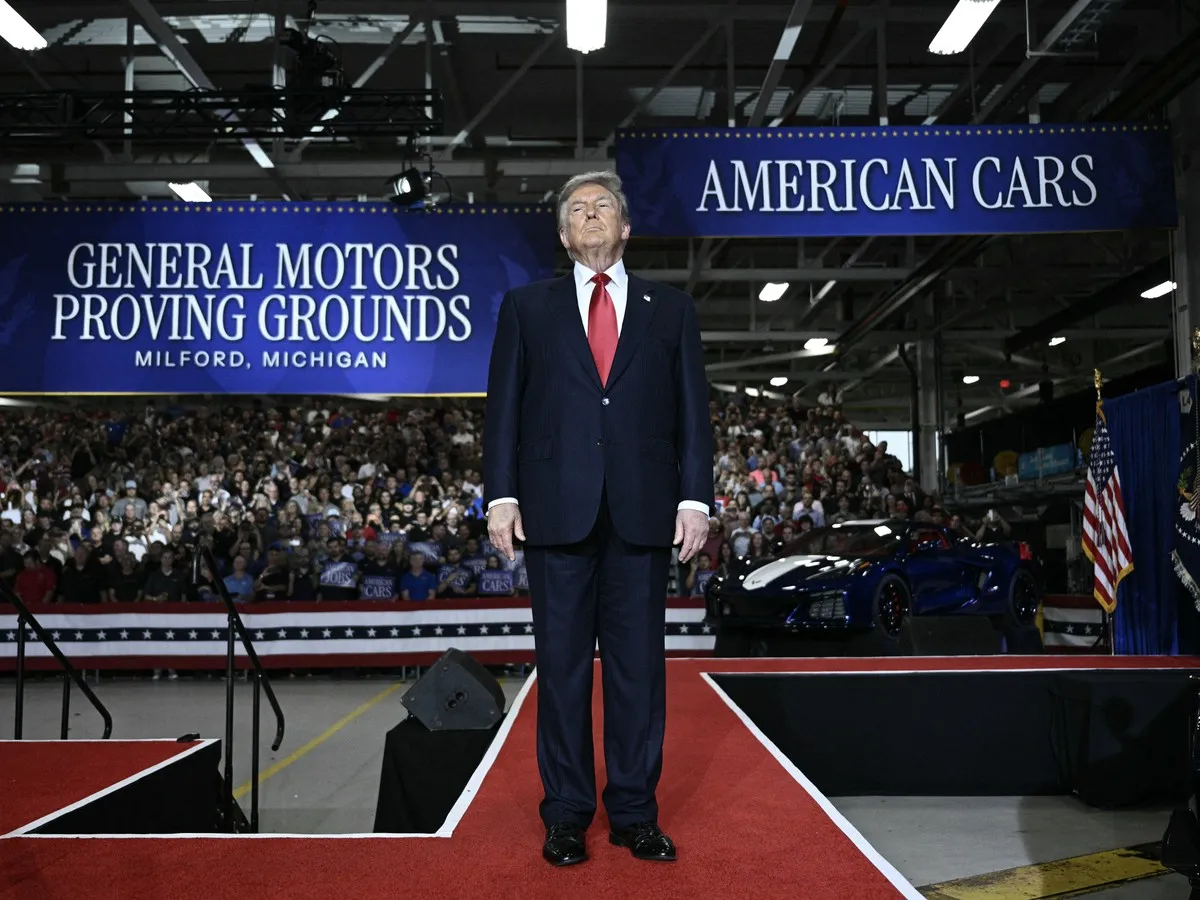
Skip to Content Subscribe My Account Manage My Subscriptions FAQ Newsletters Canada Canadian True Crime Canadian Politics Health World Israel & Middle East Financial Post NP Comment Longreads Puzzmo Diversions Comics NP News Quiz New York Times Crossword Horoscopes Modern Life Eating & Drinking Style Sponsored Play for Ontario Travel Travel Canada Travel USA Travel International Cruises Travel Essentials Culture Books Celebrity Movies Music Theatre Television Business Essentials Advice Lives Told Tails Told Shopping Buy Canadian Home Living Outdoor Living Kitchen & Dining Tech Style & Beauty Personal Care Entertainment & Hobbies Gift Guide Travel Guide Deals Savings National Post Store More Sports Hockey Baseball Basketball Football Soccer Golf Tennis Driving Vehicle Research Reviews News Gear Guide Obituaries Place an Obituary Place an In Memoriam Classifieds Place an Ad Celebrations Working Business Ads Archives Healthing Epaper Manage Print Subscription Profile Settings My Subscriptions My Offers Newsletters Customer Service FAQ Newsletters Canada World Financial Post NP Comment Longreads Puzzmo Diversions Modern Life Shopping Epaper Manage Print Subscription HomeNewsCanadaWorldCanada’s tariffs are coming for Michigan — and it's not just auto plants that will feel the painAnalysts say the Canadian package is broader in scope than the U.S. measures it answersLast updated 2 days ago U.S. President Donald Trump arrives before speaking at General Motors' Milford Proving Ground in Milford, Michigan, on July 27, 2026. Photo by BRENDAN SMIALOWSKI /AFP via Getty ImagesWASHINGTON, D.C. — Unless Washington and Ottawa change course, Canada’s retaliatory tariffs on more than 700 U.S. products entering Canada — covering CA$27.6 billion in annual imports — are scheduled to take effect Tuesday.Enjoy the latest local, national and international news.Exclusive articles by Conrad Black, Barbara Kay and others. Plus, special edition NP Platformed and First Reading newsletters and virtual events.Unlimited online access to National Post.National Post ePaper, an electronic replica of the print edition to view on any device, share and comment on.Daily puzzles including the New York Times Crossword.Support local journalism.Enjoy the latest local, national and international news.Exclusive articles by Conrad Black, Barbara Kay and others. Plus, special edition NP Platformed and First Reading newsletters and virtual events.Unlimited online access to National Post.National Post ePaper, an electronic replica of the print edition to view on any device, share and comment on.Daily puzzles including the New York Times Crossword.Support local journalism.Create an account or sign in to continue with your reading experience.Access articles from across Canada with one account.Share your thoughts and join the conversation in the comments.Enjoy additional articles per month.Get email updates from your favourite authors.Create an account or sign in to continue with your reading experience.Access articles from across Canada with one accountShare your thoughts and join the conversation in the commentsEnjoy additional articles per monthGet email updates from your favourite authorsSign In or Create an AccountorThe duties, ranging from 15 to 50 per cent, come as U.S. Trade Representative Jamieson Greer said this week that “there are no negotiations happening on trade right now.” A source close to the Canadian side said on Friday that no talks were underway.The Canadian duties would cover a broad range of vehicle-related goods, including a 25 per cent tariff on trailers and semi-trailers, as well as higher duties on steel, aluminum and industrial inputs used in automotive and equipment manufacturing. The U.S. measures raise costs for Canadian goods entering the United States; Canada’s retaliation does the same for selected U.S. goods entering Canada.Get a dash of perspective along with the trending news of the day in a very readable format.By signing up you consent to receive the above newsletter from Postmedia Network Inc.A welcome email is on its way. If you don't see it, please check your junk folder.The next issue of NP Posted will soon be in your inbox.We encountered an issue signing you up. Please try againAnalysts say the Canadian package is broader in scope than the U.S. measures it answers.“The actual tariffs imposed by the United States were really a list of annoyances,” said Patrick Anderson, CEO of Lansing-based Anderson Economic Group. “The Canadian tariffs appear to be much more pervasive… Canada’s reaction here has been both rhetorically and substantively significantly larger than what the U.S. actually imposed.”Several U.S. states will feel the impact, including Ohio, Illinois, Indiana, Kentucky, Tennessee, Texas, and Maine, but Michigan could take the hardest hit, analysts say. The mitten-shaped state is most exposed because it ships about $1.5 billion in tariff-listed products to Canada each year. Canada was the destination for 36 per cent of Michigan’s goods exports in 2025, according to U.S. trade data, and motor vehicles and auto parts accounted for a large share of that.“Michigan is the single largest auto parts exporter to Canada,” said Jason Miller, a supply chain management expert and professor at Michigan State University, noting that “the auto parts suppliers in Michigan who are exporting to those plants are going to be hurt.”“The Detroit metro area writ large is about the most export-dense manufacturing area to Canada of anywhere in the country,” he added.“The worst affected province would be Ontario, and the worst affected states would be Michigan, Ohio, Indiana, Illinois and Texas,” Anderson predicted.Analysts and industry groups say the earliest pain may show up not on factory payrolls but in wholesale margins and inventory decisions.“Everybody’s focusing on manufacturing, but there are so many jobs in the wholesaling side of imported products,” Miller said, noting that he’s curious about “Michigan wholesalers getting caught up in this and being negatively affected.”Drew Beardslee, the vice president of government affairs at the Michigan Retailers Association, says the earliest impacts will be on wholesale margins and inventory decisions, with consumers seeing effects within a quarter.“Like when you grab a rope and sort of lift up on it, you can watch it travel down the rope. And so I think it sort of travels through the supply chain that way in terms of where the cost is,” Beardslee explained, using the rope imagery to liken how the duty is paid at entry and then moves through the importer, wholesaler, retailer, and then, often, to the consumer.Canadian importers would pay the duty when covered U.S. goods enter Canada. They could absorb the cost, pass it along to wholesalers, retailers, and consumers, demand price concessions from U.S. suppliers, or replace those suppliers, depending on contracts and market dynamics.Businesses were already grappling with thin margins and uncertainty caused by shifting U.S. trade policy. Tariff changes have caused a whiplash effect for everyone involved in trade this past year — from importers and retailers to consumers and customs officials. It’s been hard to keep up, but not knowing the tariff levels from one week to the next makes business planning incredibly difficult.“The cost associated with tariffs was bad enough, but the inconsistency with which they were applied made it so hard to guess what to do,” said Beardslee. “What they’re looking for more than anything is some more consistency and certainty.”Beardslee pointed out that grocery margins are already just two to three per cent and that 73 per cent of respondents to a Michigan Retailers Association member survey reported that tariffs have already “had a negative or strong negative impact” on them since April 2025.Further duties mean wholesalers could be “squeezed dramatically,” Anderson said, on contracts already signed. Smaller distributors, meanwhile, have “much less room to manoeuvre” and less influence to seek exemptions.The uncertainty also makes it hard for businesses to react to everything that’s happening, stymying both positive and negative planning decisions.“Expansion plans get put on hold when uncertainty is high,” said Miller. “But believe it or not, layoff plans also get put on hold when uncertainty is high.“I think especially for companies in Maine, in Michigan, in Wisconsin, northern Minnesota, where there’s a lot of cross-border business involved, what you’re going to have right now is a freezing of decisions.”Believe it or not, layoff plans also get put on hold when uncertainty is highGiven the time of year, Beardslee pointed to tariff volatility impacting retailers and distributors of back-to-school products as an example. Prices are already up on common school items, such as shoes, pencils, crayons, binders, and folders, he said, comparing tariff collections and effective tariff rates from March through June of this year to 2025.“Those kinds of products are one area where you’d expect to see more (price increases),” he said. “Our retailers are trying to source things months in advance, so when that effective tariff rate is changing constantly, it could very well be that when an order is placed that there was no effective tariff rate on it, but by the time it arrives, there is.”Anderson agreed and noted that there is a bigger risk to long-term trade between Michigan and Canada.Some retailers, he said, “may just decide it’s too much trouble to stock them when they can get cheaper goods from China and Vietnam.”Owing to the negative tenor of trade politics between the two countries, not to mention the unhelpful renaming of Lake Ontario, distributors and retailers may already be looking for new suppliers, he said.“Unfortunately, raising the rhetorical temperature… makes business people start thinking really hard about finding other places to get their goods,” said Anderson.“So unfortunately, some of the damage here is already done.”National PostOur website is the place for the latest breaking news, exclusive scoops, longreads and provocative commentary. Please bookmark nationalpost.com and sign up for our newsletters here. Join the Conversation This website uses cookies to personalize your content (including ads), and allows us to analyze our traffic. Read more about cookies here. By continuing to use our site, you agree to our Terms of Use and Privacy Policy.
Canada’s tariffs are coming for Michigan — and it's not just auto plants that will feel the pain
Trade talks remain stalled, and Canada’s new duties on U.S. goods could squeeze Michigan suppliers and wholesalers first, before consumers.
1,596 words~7 min read