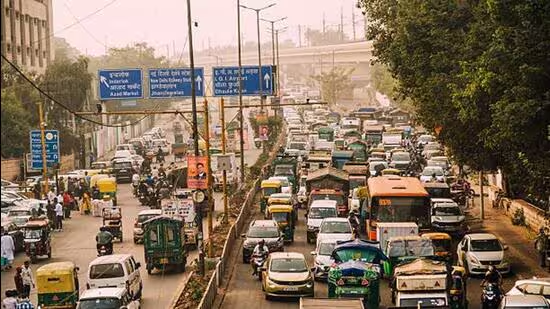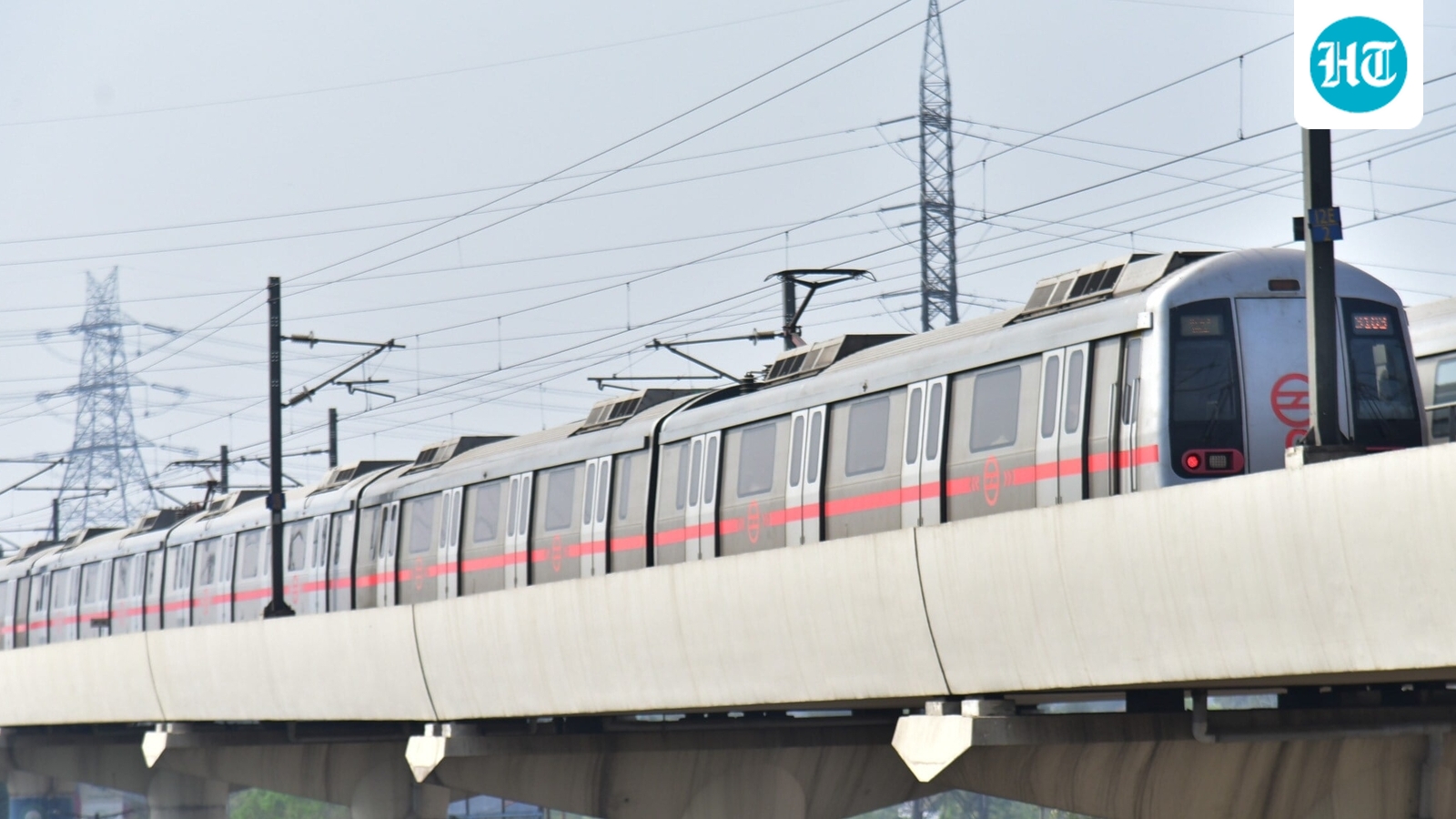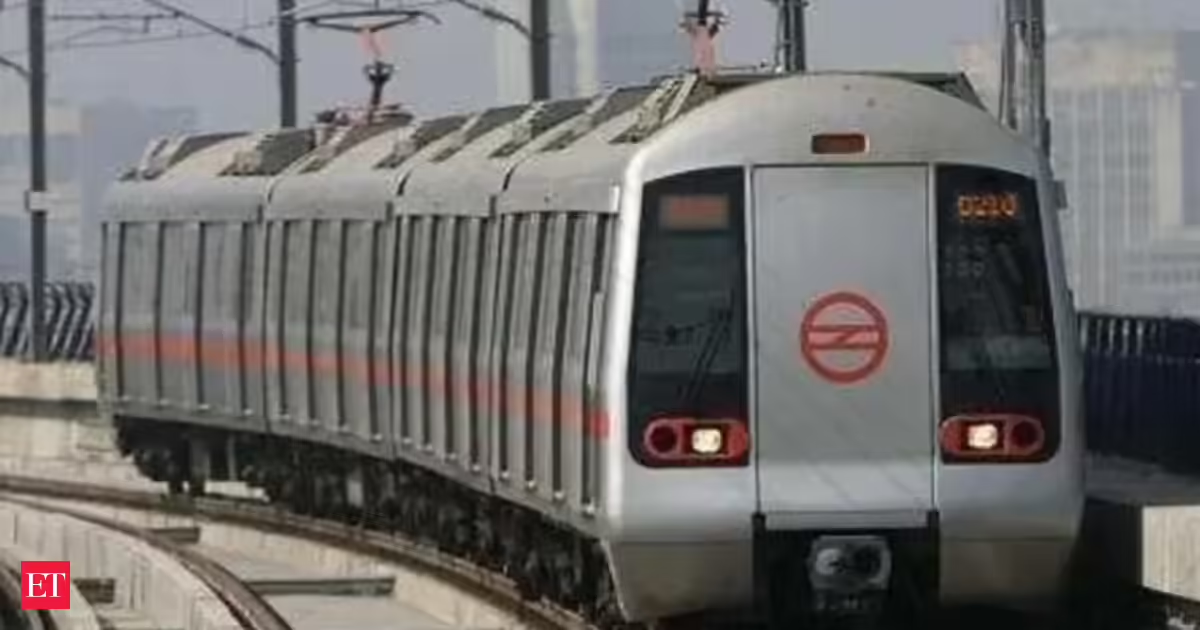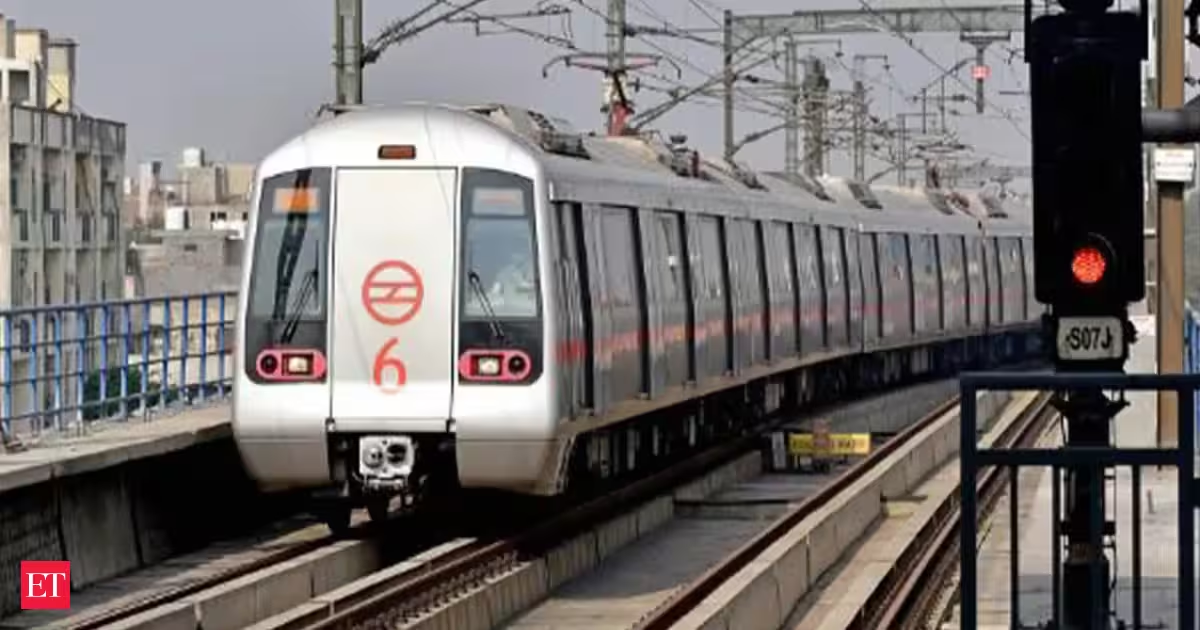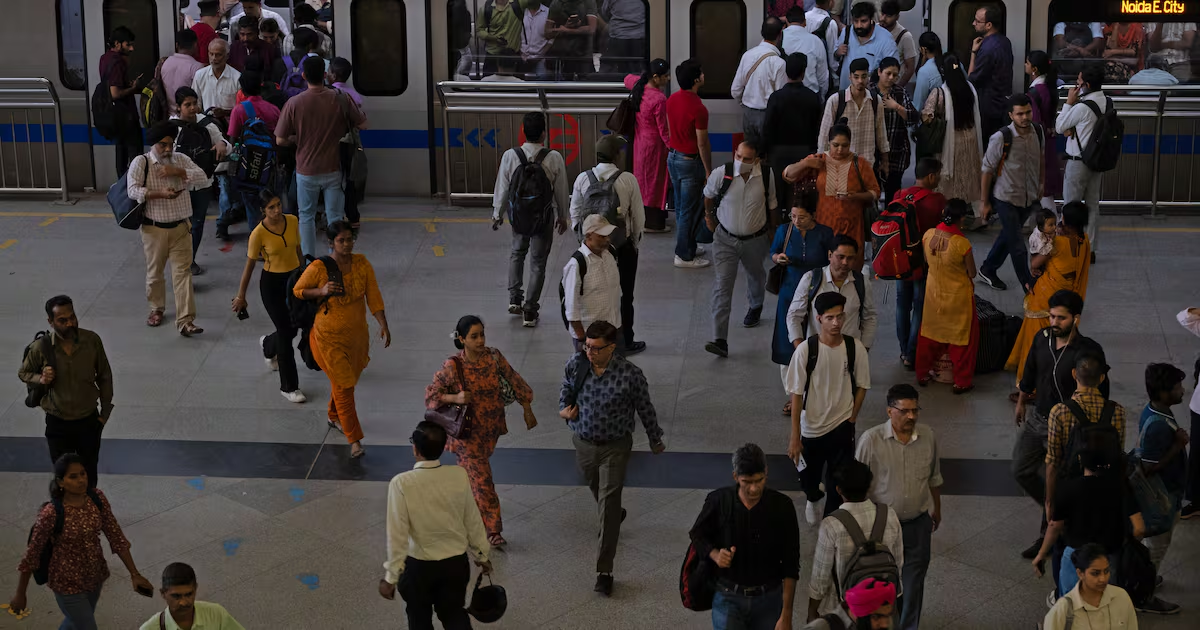
By the early 2000s, the need for public transit in India’s cities was becoming dire. The capital, New Delhi, already huge and sprawling, was choked with traffic congestion and air pollution. But when the Delhi Metro opened in 2002, there were few successful examples of public transit systems in countries at India’s level of development.Today, the Delhi Metro is a global model. In March, the completion of a new line extended the length of Delhi’s subway system to 370km, for a total cost of roughly €9 billion. (Estimates for Dublin’s planned 18km MetroLink, connecting Dublin Airport and the city centre, vary from between €9.5 to €23 billion).When the Delhi Metro opened, it represented a new dawn of modernity in a country where infrastructure projects were plagued with delays and corruption.“It proved that a complex urban rail project in a low- and middle-income country can be delivered and operated to very high standards,” said Gerald Ollivier, the World Bank’s lead transport specialist for India.The Delhi Metro is the world’s first railway project to be awarded carbon credits by the United Nations. The system is 33 per cent solar-powered, and its train cars capture brake energy in batteries. Last year, the trains ran 99.9 per cent on time.Passengers navigate fare gates at a subway station entrance in New Delhi. Photograph: Karan Deep Singh/The New York Times
Delhi’s world-class metro was built for a bargain. Ireland take note
India’s capital overcame scepticism, delays and urban sprawl to set a new standard for public transport
1,121 words~5 min read