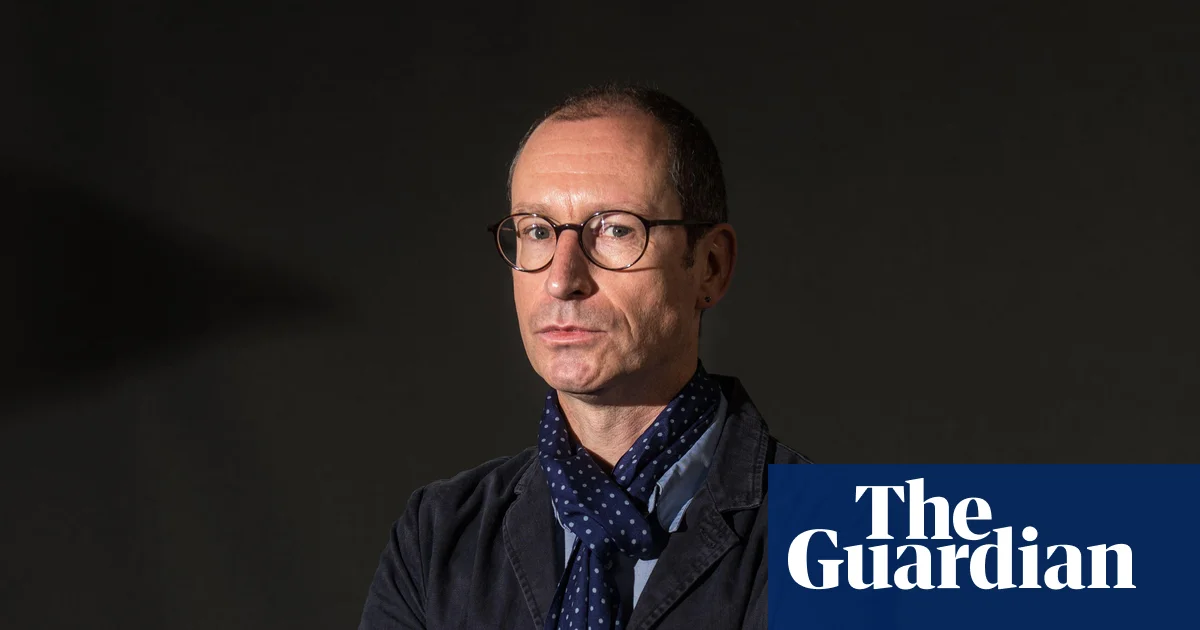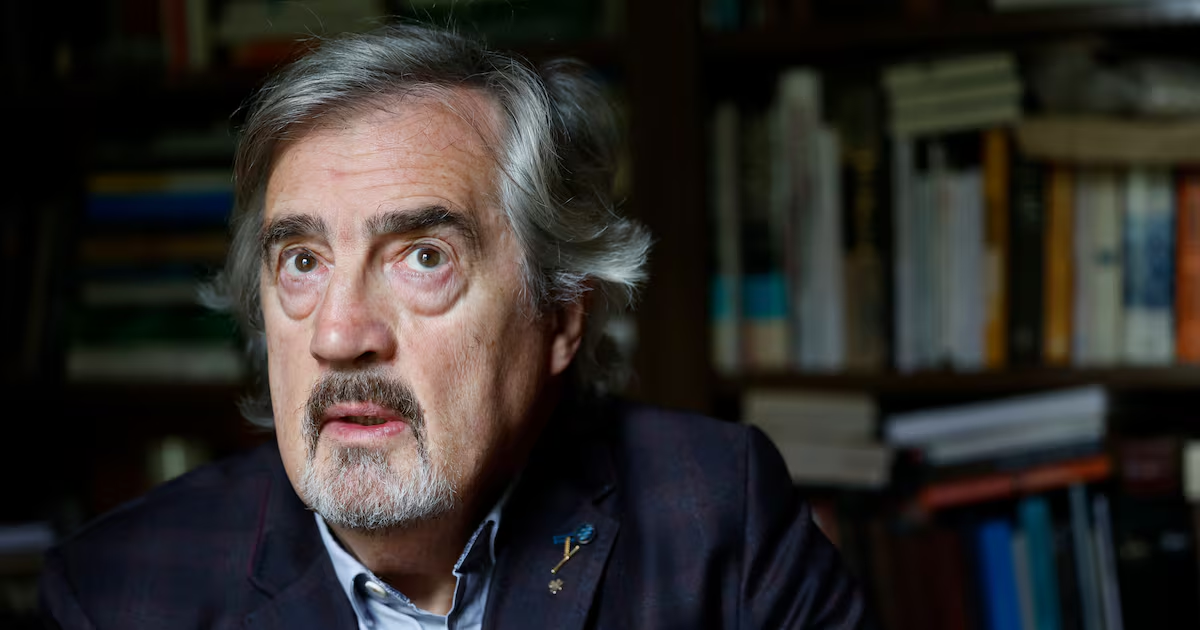
If the divided loyalties and complex identities of his forebears gave Sebastian Barry the key subject and the essential structure for his career as a writer, witnessing while a student at Trinity College Dublin part of the loyalist triple car bombing of Dublin in May 1974, which killed 27 people, was the catalyst.The description of the aftermath of the attack on South Leinster Street in his novel Old God’s Time, from 2024, is so vivid that it feels like lived experience. The shrapnel scars are still visible on Trinity’s perimeter wall and the images are still vivid more than 50 years on in the writer’s mind.One of the Ulster Volunteer Force bombs that detonated on the other side of the Liffey minutes earlier is also at the heart of his play The Pride of Parnell Street, from 2011.“I was a very ignorant, sheltered, middle-class Irish student,” Barry says. “My first instinct was to leave the country and be done with it completely, because I couldn’t understand why anyone on the island would want to incinerate shoppers going home. “It was also an enormous, high-speed education in what people were suffering in the North of Ireland, that mysterious country that we could never really get our heads around. “If you’re a sensitive or even vulnerable person coming out of Lincoln Gate [at Trinity] and there is this enormous noise … My first innocent thought was that a butcher’s shop had been blown up, because there were literally steaming cuts of meat; then I saw people kneeling to these and whispering – a moment of humanity and inhumanity.”As soon as Barry graduated he left for Paris, Greece and Switzerland, but then he set up home for seven years on North Great George’s Street, just off Parnell Street, with Alison Deegan, who is now his wife; it gave him a deep identification with the people of the inner city and an understanding of the history that had befallen them.“It created an ineradicable sense of home. Living there made it important to me that I was born between the canals. That’s where the little fire was lit for feeling I could possibly, truthfully, be from here. That inexplicable murderousness in Dublin that day cancelled my passport but was the beginning of a truer sort of documentation, all written with blood and in the heart.”Sebastian Barry. Photograph: Nick Bradshaw We are talking in the old Church of Ireland rectory in Co Wicklow that he and Deegan have restored and where they raised their family. It’s an obvious metaphor for his writing, which has sought to make Ireland a warmer house for those who do not conform to the Catholic, nationalist tradition that created a narrow notion of Irishness.He recalls reading Netherland, Joseph O’Neill’s great 9/11 novel, whose enormous explosion triggered memories of the Dublin bombing, “everything blackened and ruined. The book is like a forensic reconstruction after a plane crash, and he somehow makes it again that you could fly it. That’s what I feel I was doing for decades: trying to find all the bits and put them back together.”Barry has also built a towering reputation, twice winning both the Costa book-of-the-year award and the Walter Scott Prize for historical fiction. His novel The Secret Scripture has been called an alternative history of Ireland – a description that could sum up his life’s work – and he has been praised as an unrivalled chronicler of lost lives.“So much Irish history is about othering people – ‘we belong; you don’t’ – that to create a sense of communion for someone who has no gift for it, it’s compensatory in a way.”Adam Begley in the Atlantic wrote that Barry should “be widely read and revered … He ought to be a laureate for fiction everywhere”, a reference to his former role as laureate for Irish fiction. He also recognised Barry’s early tendency to poetic excess, prose that “occasionally goes all purple” and “an unabashed delight in metaphor” but traces his evolution from the poet and dramatist he began as.Robert Gottlieb, reviewing all of Barry’s novels to date in a stellar New York Review of Books essay in 2018, wrote that “Barry’s novels give us lives, not plots – that is their power … His family’s past is his material, not his subject.”Barry sent Gottlieb Old God’s Time and he replied, referencing Toni Morrison’s Beloved, which he had edited. “I’m that passportless, tentative individual that I’ve always been, yet he is bringing to my efforts this graceful majesty. When he died recently I felt as if I had lost a brother, father, angel,” Barry says.Robert Gottlieb at home in Manhattan, 2016. Photograph: George Etheredge/The New York Times
Sebastian Barry: ‘My mother was interesting, extravagant. It was difficult to be a child of such a person’
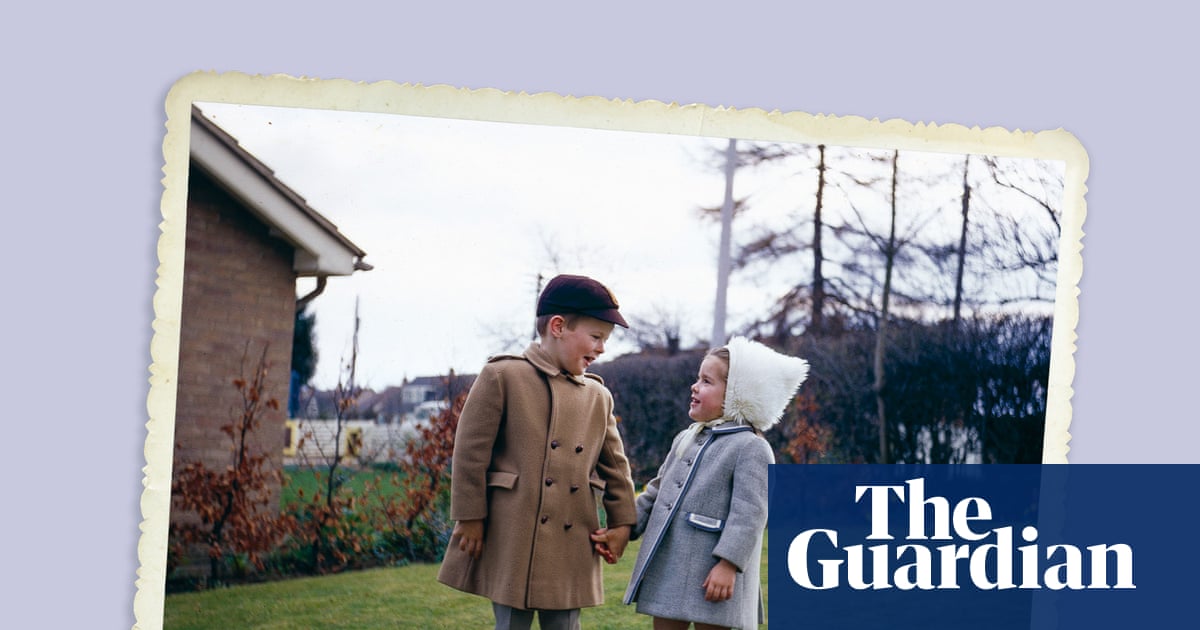
The author on his latest novel, The Newer World, his difficult relationship with his parents, and feeling out of place growing up as a Dublin Protestant
4,810 words~22 min read