A state election in an eastern German territory with only 1.8 million eligible voters could prove pivotal for Europe’s largest economy. Tomorrow, the people of Saxony-Anhalt will go to the ballot boxes and, as things stand, mark their papers primarily for the Alternative for Germany (AfD). The party is currently leading the polls at between 40 and 43 per cent.
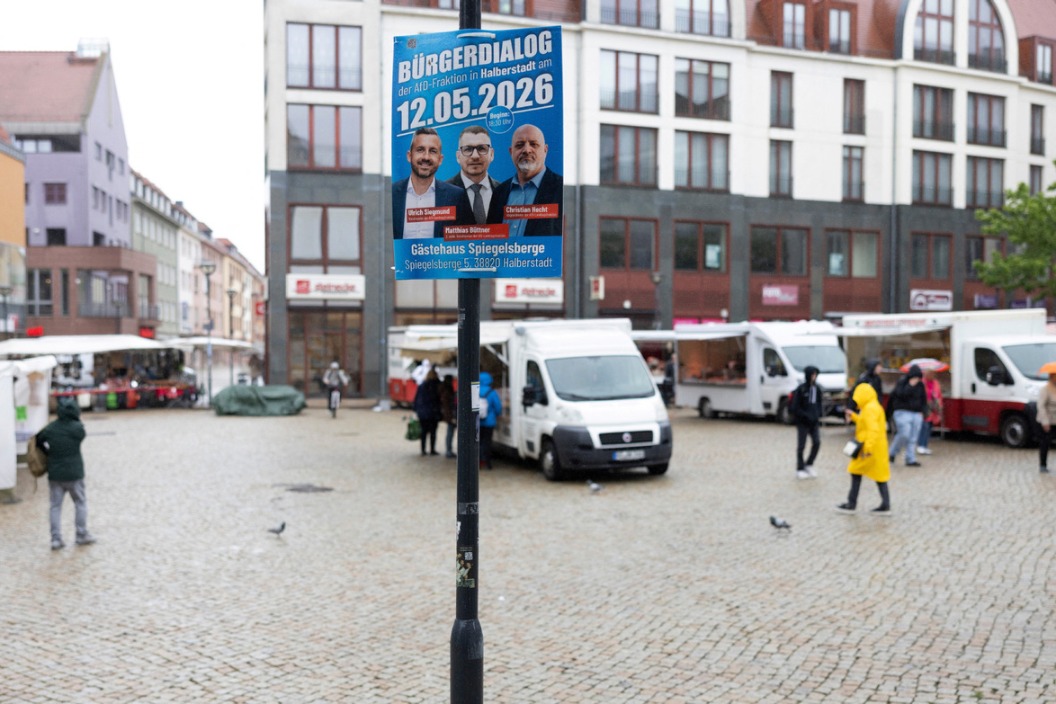
Its frontrunner, Ulrich Siegmund, a sporty entrepreneur in his mid-30s, is running a campaign not unlike that of Péter Magyar in Hungary a couple of months ago. Siegmund intends to portray himself as a man of the people and has held well-attended rallies where people can see him riding an old Simson moped, a relic of GDR times which is still widely popular in Germany’s east.
Siegmund’s crowd and his policies, of course, differ from those of Magyar and the historically established parties in Germany. While the AfD’s party programme covers all areas of legislation, surveys show that voters continue to support them based predominantly on their stance on immigration. Even during the ongoing campaigning in Saxony-Anhalt, it has been noticeable that the AfD has not necessarily always addressed the pressing issues on the ground, most notably the structural deficiencies of a primarily rural state.