JWT Claim Validation at the Edge: Scope Inflation, Audience Misrouting, and the RBAC Boundary Problem
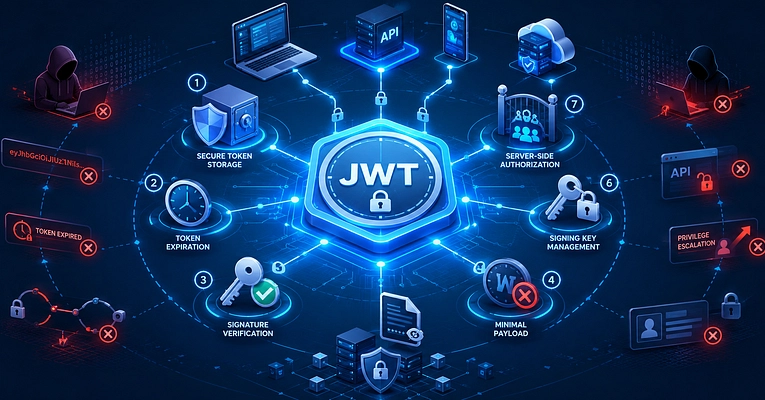
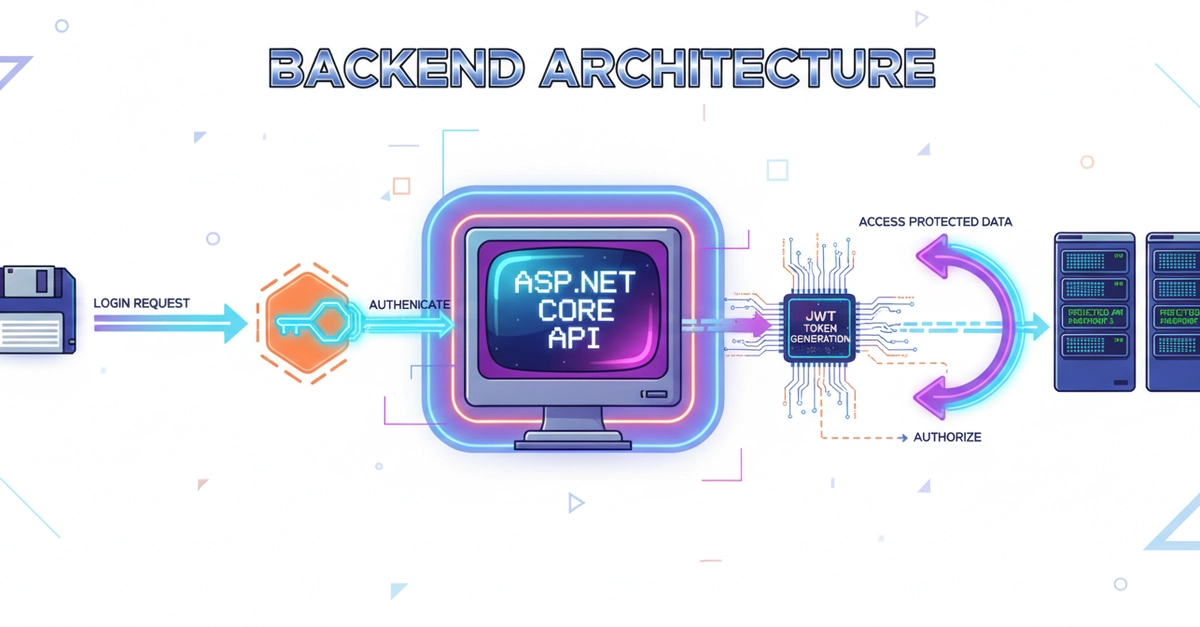
Most Go microservice deployments that use JWTs get signature verification right and get everything else wrong. The cryptographic check passes; the authorization semantics collapse. This article is about the gap between those two things—specifically scope inflation, audience misrouting, and why pushing RBAC enforcement into individual services without a coherent boundary contract produces privilege escalation paths that are invisible in logs and nearly impossible to audit.
The Structural Problem
A JWT is a bearer credential with embedded claims. The issuer signs it; every downstream service that trusts the issuer key must decide independently what the claims mean. In a monolith, that decision lives in one place. In a microservice mesh, it lives in every service, and the coordination mechanism is usually informal: a shared library, a Confluence page, or implicit convention.
The gap creates two distinct failure modes.