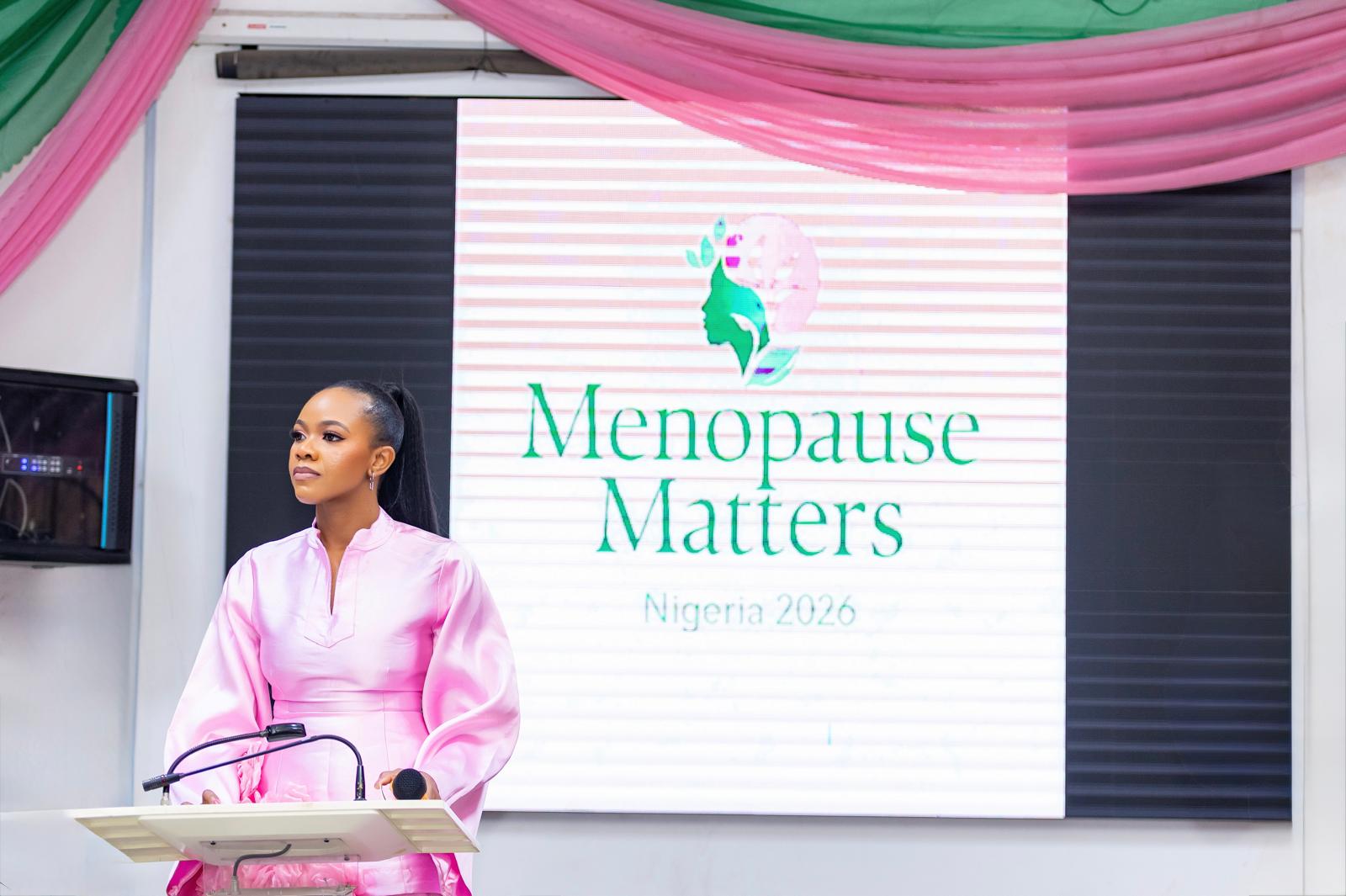
Women’s health care can be accused of being focused entirely on the reproductive age group. Menopause, for instance, is a natural transition phase, but even when its symptoms are severe and debilitating, women seldom have access to health care, and are forced to ‘just endure’. Given the huge care gap that exists here, it is appreciable that Tamil Nadu and Karnataka have taken the step to move ahead with the announcement of a perimenopause/menopause policy. Both the States made the announcement within a short while of each other, in August. The primary benefit, besides retrieving women’s mid-life care from the neglect bin it has been languishing in so far, is that the physical and mental-health needs of women in this stage of life will become part of routine government health care, making access to care easier. Tamil Nadu Health Minister K.G. Arunraj made the announcement of a perimenopausal care policy in the Assembly on August 17. He said the aim was to facilitate early identification of physical and mental health needs of perimenopausal women, with screening, counselling and treatment services through PHCs and higher centres. On August 4, Karnataka Health and Family Welfare Minister U.T. Khader, introduced ‘Ruthu Thare’ as the country’s first dedicated women’s health policy with a strong focus on perimenopause and menopause, at a meeting in Bengaluru. Menopause is the permanent end of menstrual periods and reproductive ability, confirmed after 12 consecutive months without a cycle. It happens when the ovaries naturally slow down and produce lower levels of the hormones oestrogen and progesterone. The transition time, leading up to menopause, is the perimenopausal period which can bring irregular periods and bodily changes over several years. Common symptoms include hot flashes, sleep trouble, extreme mood changes, joint pain, debility and fatigue, and for many women these can be disruptive.Both States are planning outreach screening and counselling at the community level, women’s-health clinics, district-level well-women screening, and community outreach, besides referrals to district hospitals and government medical colleges. No doubt, this is a progressive measure which will also give legitimacy to the complaints of menopausal women, but the proof of any pudding is in the eating. How effective these policies are will be measured only during implementation. Among the critical points today is that the symptoms of menopause are not treated with adequate seriousness even by the medical community; so, adequate awareness generation among medical professionals and the beneficiaries and their families as well is a must. Published - September 05, 2026 12:10 am IST
Out of neglect bin: On perimenopausal policy
It is appreciable that Tamil Nadu and Karnataka have taken the step to move ahead with the announcement of a perimenopause and menopause policy
417 words~2 min read