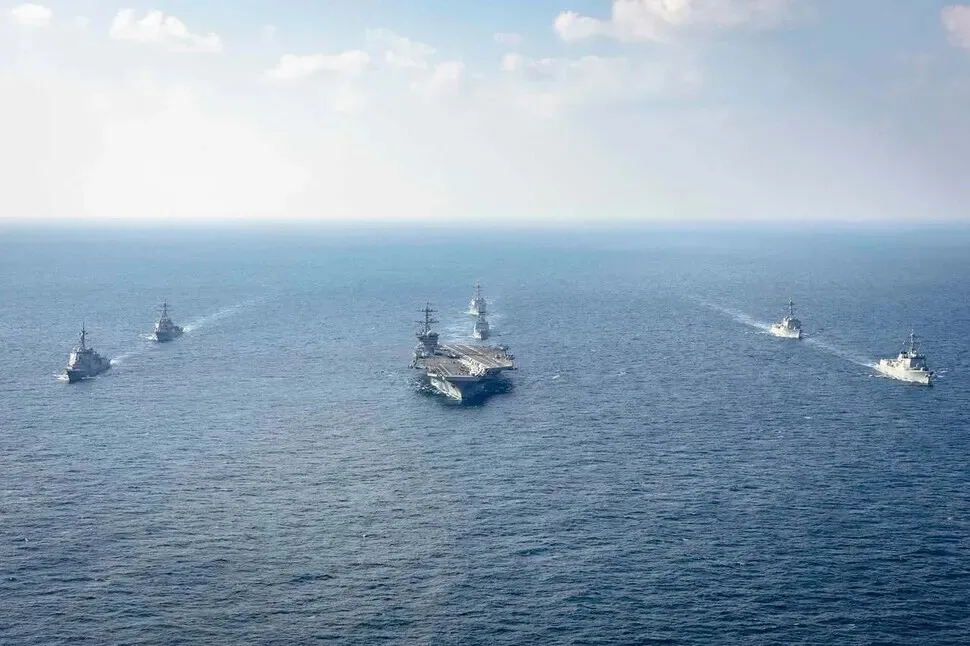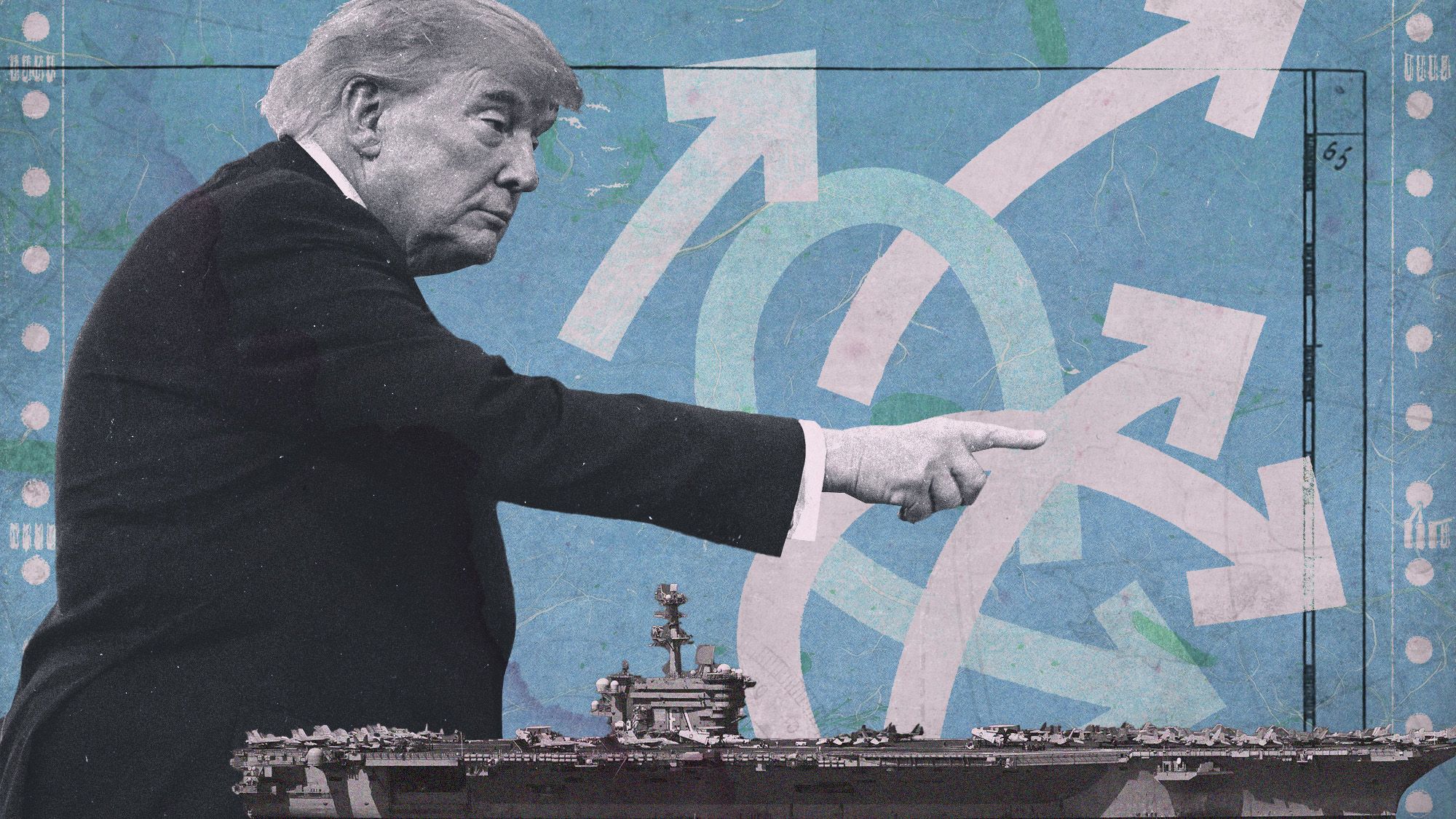
When U.S. President Donald Trump abruptly ordered the Pentagon to substantially reduce joint military exercises with South Korea, officials in Seoul were caught off guard. The annual Ulchi Freedom Shield drills still went ahead, but were cut short on Trump’s order. The episode was a reminder that even one of Washington’s closest allies can find the assumptions of its security policy changed with little warning.
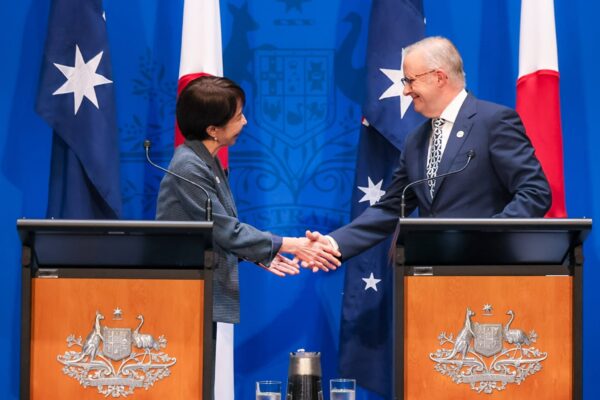
That uncertainty is why, across the Indo-Pacific, several of the United States’ closest partners are investing more heavily in relationships with one another – and, increasingly, with Europe. South Korea and Japan are expanding cooperation on supply chains, energy and advanced industries. Japan and Australia are linking economic security more closely to defense production and military operations. All three are also building more structured ties with the European Union.
Of course, these efforts are not an attempt to replace the United States. China’s growing power, North Korea’s weapons programs, Russia’s war in Ukraine, and repeated disruptions to energy and supply chains were already pushing like-minded countries closer together. But Trump’s second term has added another incentive: the need for relationships that remain useful when U.S. policy changes suddenly, including toward its own allies.