Published September 4th, 2026 - 13:47 GMT
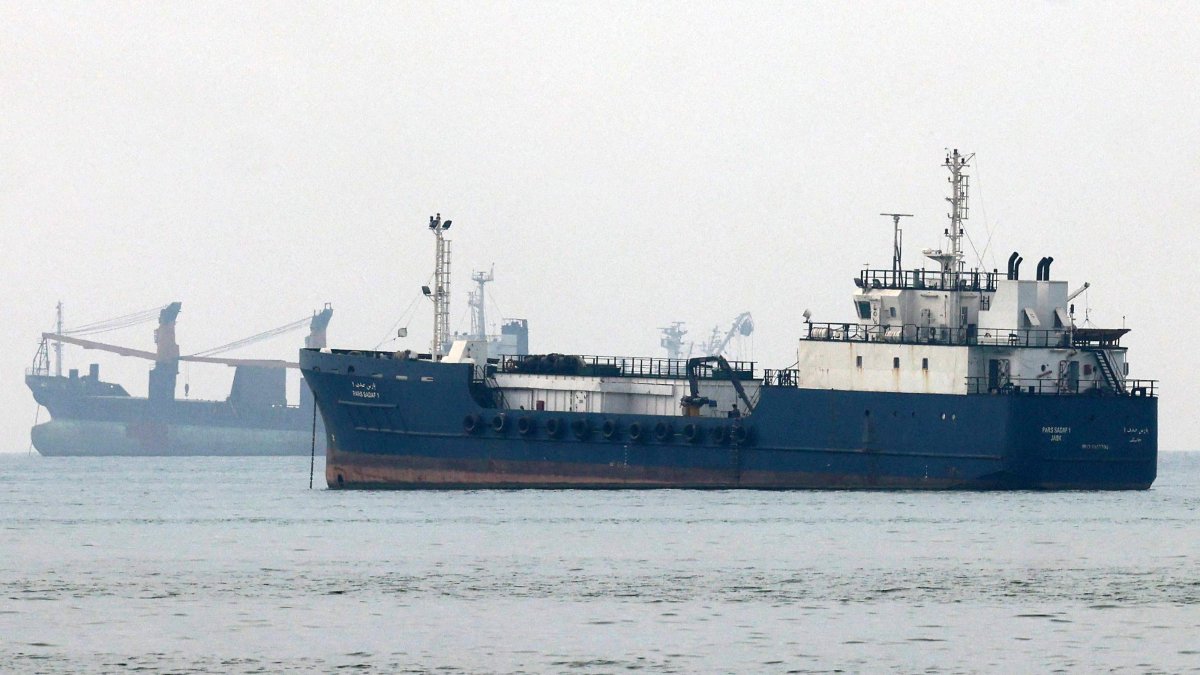
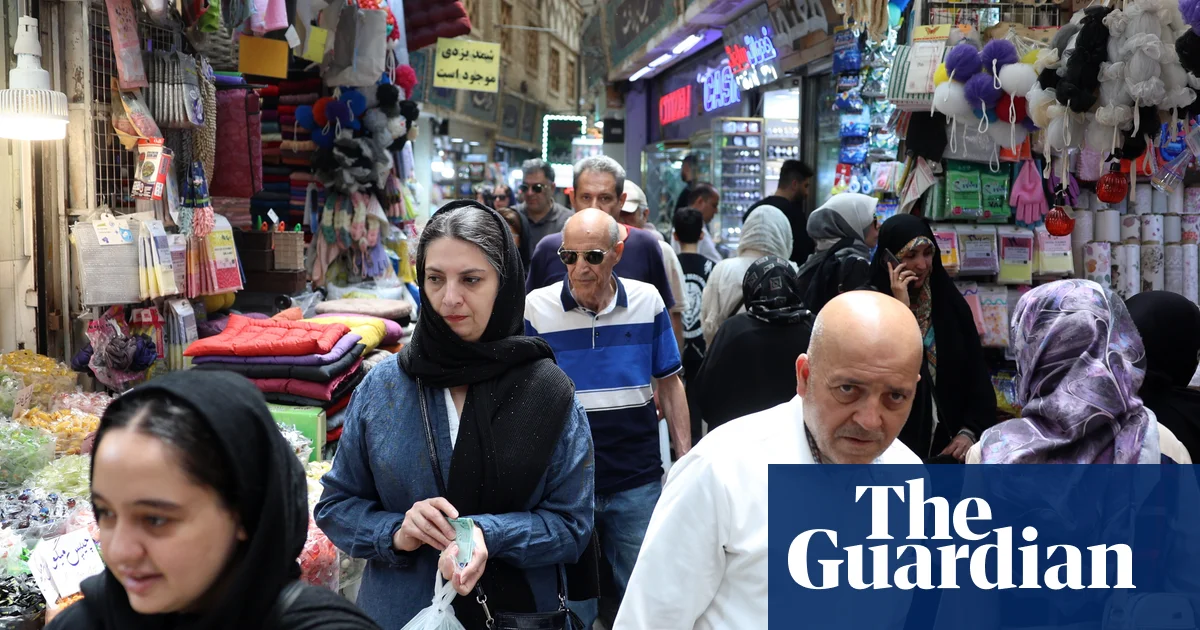
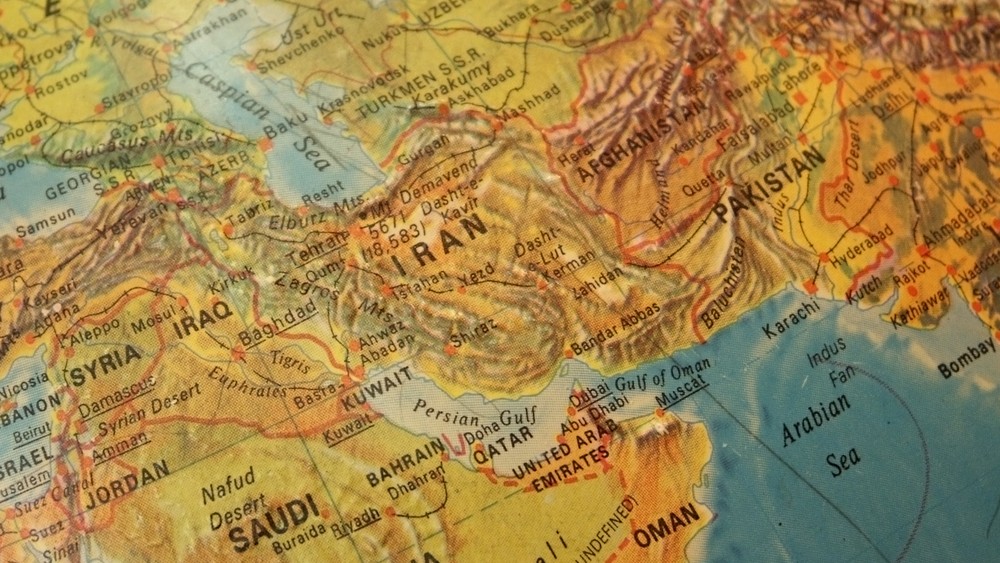
ALBAWABA - Washington is trying to choke off the financial networks Tehran has spent decades creating to survive sanctions, and that is putting Iran in a deepening economic war that raises questions about how long its so-called “shadow economy” can resist rising pressure.The strain is already being felt at home. Inflation on certain items is said to have reached between 80% and 100%, while the Iranian currency lost more than 6% of its value in a week.With much of the international banking system closed to it, Tehran has built alternate ways of getting dollars and other hard currencies while maintaining commerce and oil income flowing outside the normal financial channels.How Iran Transfers MoneyIran is believed to pursue five main strategies to sustain this parallel economy: accepting oil in local currencies or gold rather than dollars; using third-party exchange houses and front companies; moving funds through cryptocurrencies; selling discounted crude via a “shadow fleet”; and maintaining cross-border smuggling networks.Such approaches have allowed Tehran to continue to keep parts of its economy running despite years of sanctions. But now Washington is hitting a lot of those channels at the same time.On August 24, the U.S. Treasury announced a “economic isolation” campaign, broadening secondary sanctions to include digital assets such as technology, gold, aviation, shipping, finance and energy. Roughly 60 Iran-linked people, businesses and vessels were targeted. 🚨 BREAKING🇺🇸 USA → 🇮🇷 IRANWashington is tightening sanctions and economic pressure on Tehran, targeting Iran’s oil revenues and financial channels.🇮🇷 IRAN → 🇺🇸 USATehran has fired back with a blunt warning: Iran says it will not simply bow to the pressure and has… pic.twitter.com/WzHIXjLDK2— America Airforce (@USForceSpoof) September 4, 2026 War of Attrition: Who will break first?The showdown, analyst Abbas Aslani said, was a “multi-layered war of attrition,” involving economic pressure, military operations and psychological warfare. He contended that Tehran would likely face great economic suffering, rather to capitulate, and that the gradual regional escalation of pressure surrounding the Strait of Hormuz could be a last choice if all other options vanish.For his part, the former US Deputy Assistant Secretary of Defense Sergio de la Peña said that Washington was keen to deprive Tehran of oil earnings while ensuring freedom of travel across the Gulf and the Strait of Hormuz.For Washington, squeezing Iran’s economic arteries is aimed at constricting Tehran’s room to maneuver and ultimately pushing it back toward negotiations on its nuclear program.The primary question is consequently shifting from whether sanctions damage Iran, to whether side can sustain the economic and geopolitical pressure longer.