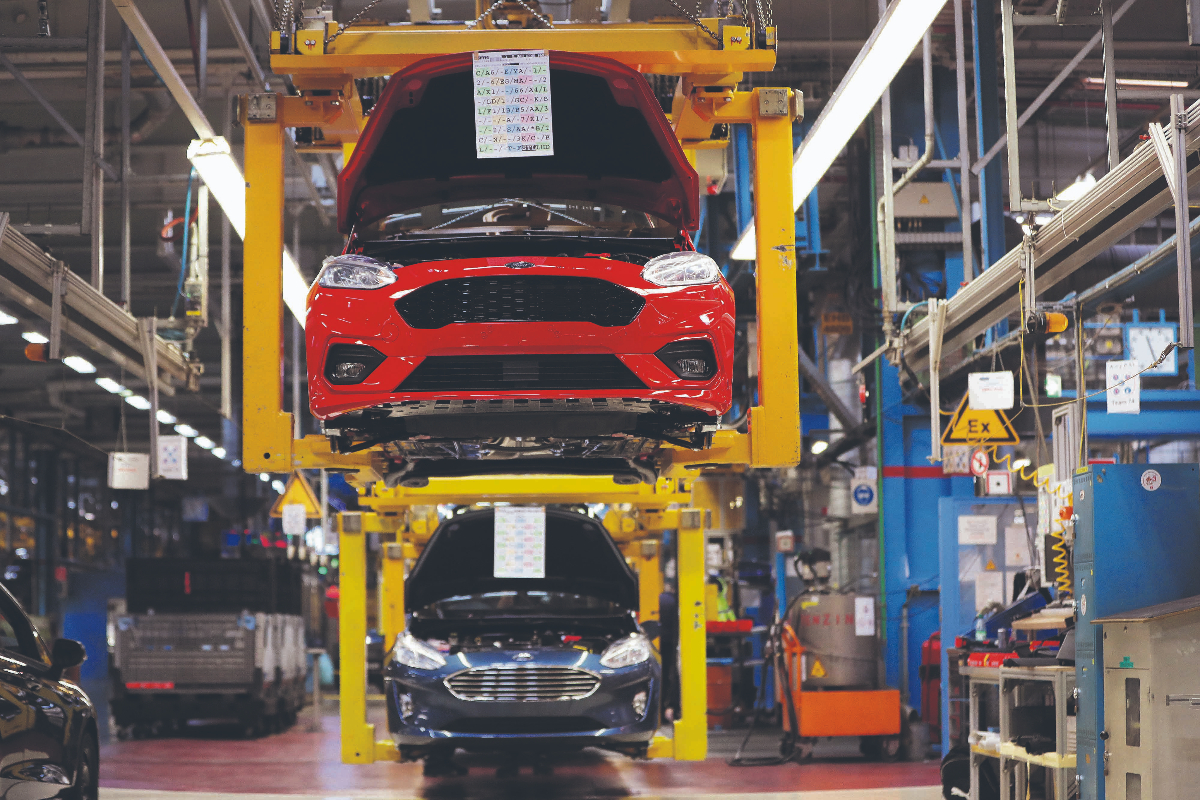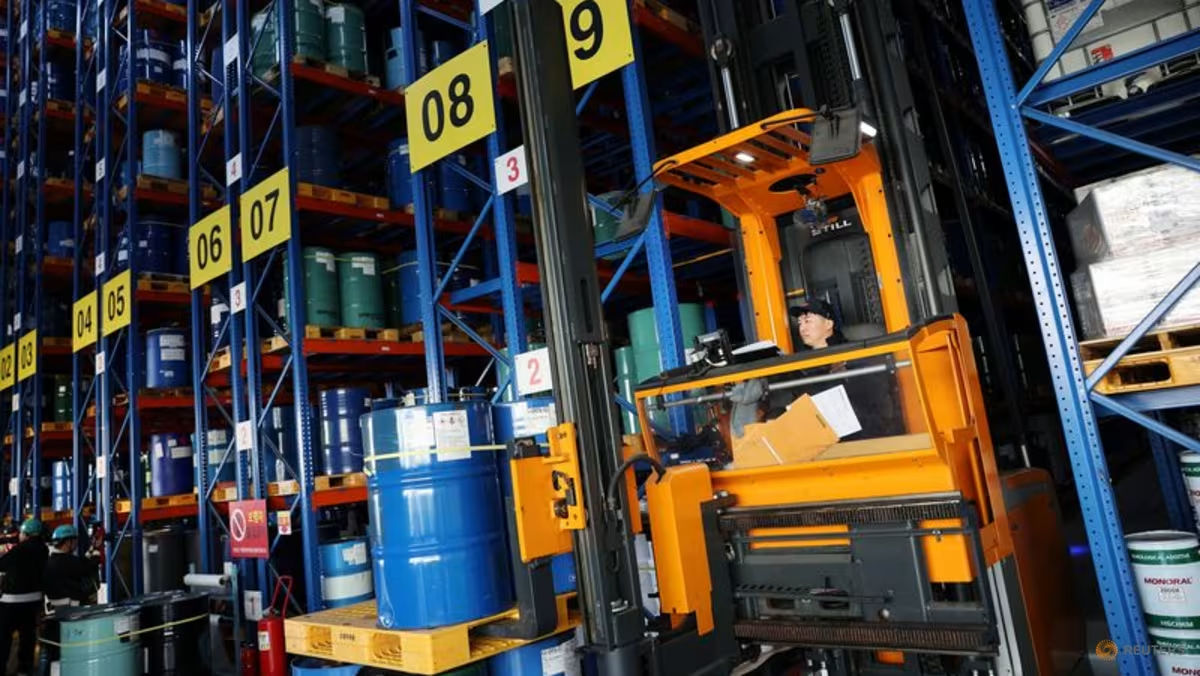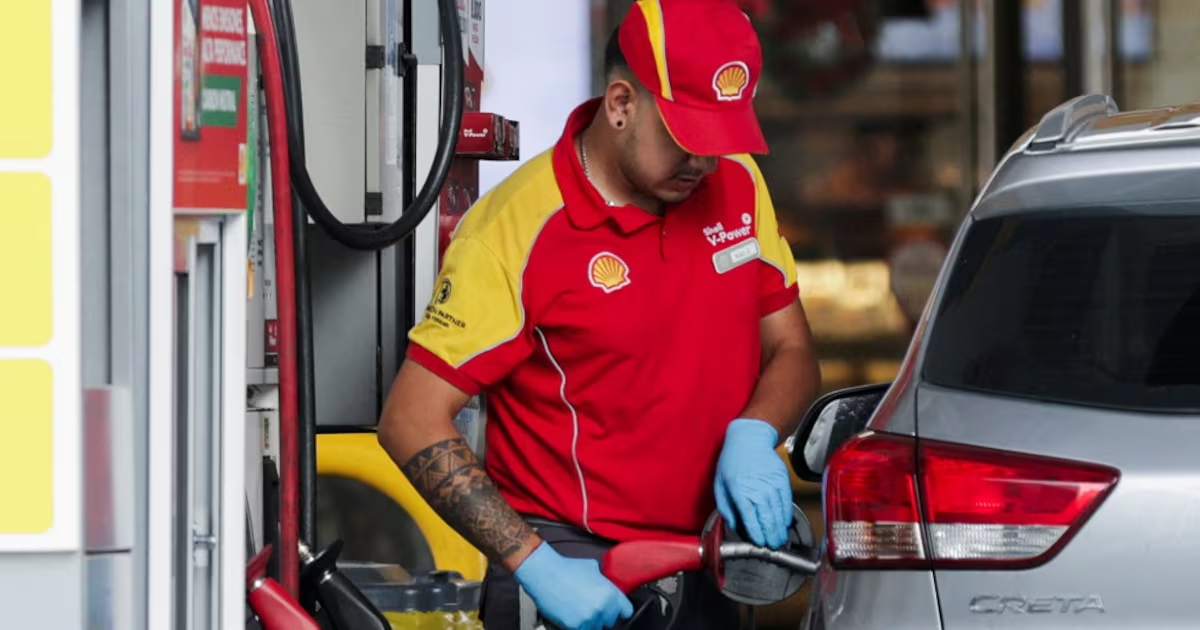
South Africa’s private sector saw its first uptick in demand volumes in four months in August, though it was marginal and ongoing cost concerns resulted in a dip in employment, according to S&P Global’s latest purchasing managers index (PMI).The index edged up fractionally to 50.5 in August from 50.3 in July, signalling a slight improvement in the private sector’s health halfway through the third quarter of the year. Readings above 50 signal an improvement in business conditions on the previous month, while those below 50 show a deterioration.For the first time in four months, South African companies reported an increase in order volumes in August, albeit a small one. Surveyed businesses also pointed to successful tenders and rising sales as customer finances improved. However, some firms said challenging economic conditions and domestic political uncertainty had dampened growth, while export sales were virtually unchanged after back-to-back expansions in June and July.“The current growth sequence has been relatively muted so far, with businesses reporting that geopolitical headwinds are leading to softer demand, longer delivery times and higher purchase costs,” principal economist at S&P Global Market Intelligence David Owen said.“Survey comments suggest that business expectations also rely on a recovery of both domestic and external economic conditions, implying the path to stronger growth remains unclear. Nevertheless, price pressures have fallen from their peak in May, and delivery delays have eased.”S&P published the broad-based private sector PMI a couple of days after the manufacturing-sector-focused Absa PMI showed activity sank for the fourth consecutive month in August, reaching its weakest level this year.It was dragged down mainly by soft domestic demand and persistent cost pressures stemming from the US-Iran war, which has led to sharp fuel price increases in South Africa.On Monday the department of mineral and petroleum resources announced that the pump price of 95-grade petrol would climb R1.34 to R26.92/l in Gauteng, while the wholesale cost of 0.005% sulphur-grade diesel would jump R3.15 to R29.11.The S&P report showed a decrease in employment numbers in August, marking the first decline in seven months. Firms indicated that this was mainly due to a combination of voluntary departures and cost-driven staff cuts.Though supply chains continued to be disrupted by the Middle East conflict and domestic port delays, overall delivery times lengthened at the softest pace since February, S&P Global said. Looking ahead, South African firms signalled greater confidence towards future activity levels. About 30% predicted growth, with just 2% foreseeing a downturn.Business Day
Slight cheer for private sector as demand improves in August
S&P Global index signals small growth but firms cut staff as costs bite
407 words~2 min read