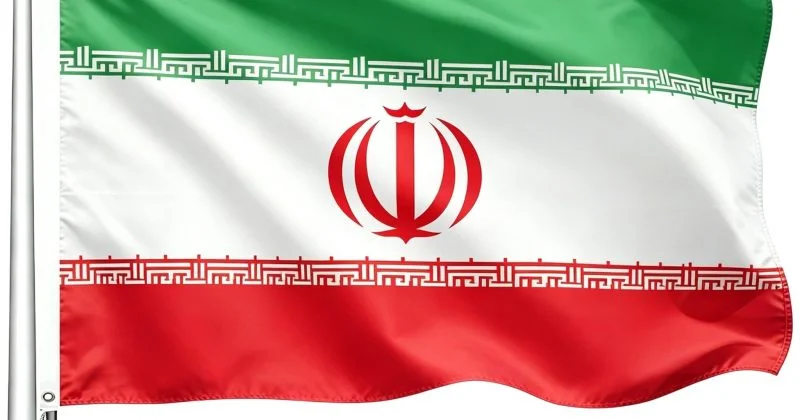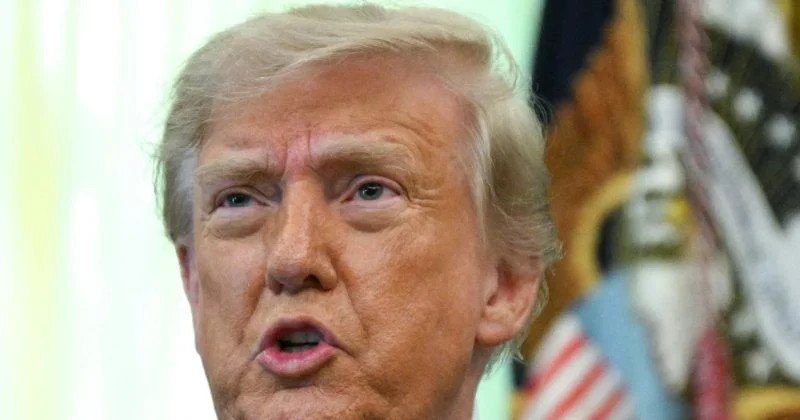
Analysts suggest that rising costs and public opposition to the US-Israel military actions in Iran might compel President Donald Trump to postpone de-escalation efforts until after the US midterm elections. This sentiment is reflective of market movements, which indicate a cautious optimism about potential US-Iran negotiations. However, the information originates from a Tier 3 source, limiting its impact on market confidence. The ongoing geopolitical tensions, coupled with domestic political considerations, appear to play a crucial role in shaping expectations around a possible US-Iran deal in 2026.
Key Takeaways
Market pricing suggests a possible shift in US policy towards Iran, potentially increasing optimism about a future deal.
Current market odds for the inclusion of Iran Reconstruction Funding in a US-Iran deal in 2026 stand at approximately 11% YES, reflecting cautious optimism.
Observers suggest that Trump’s domestic political calculus may influence the timing and nature of any de-escalation efforts.