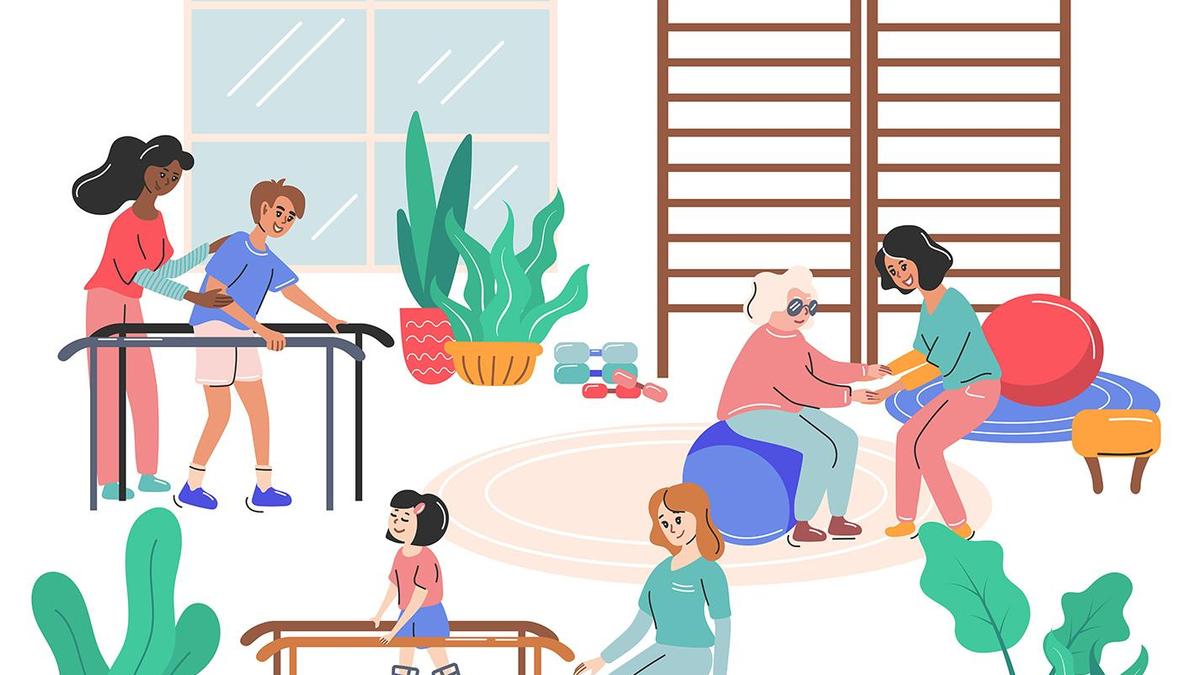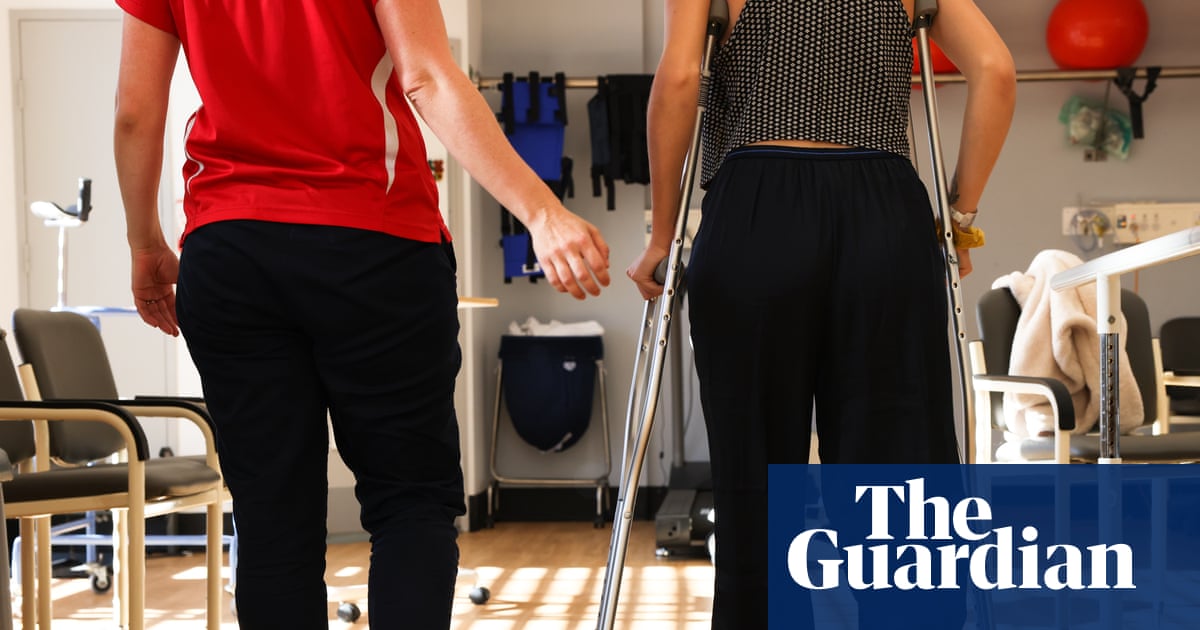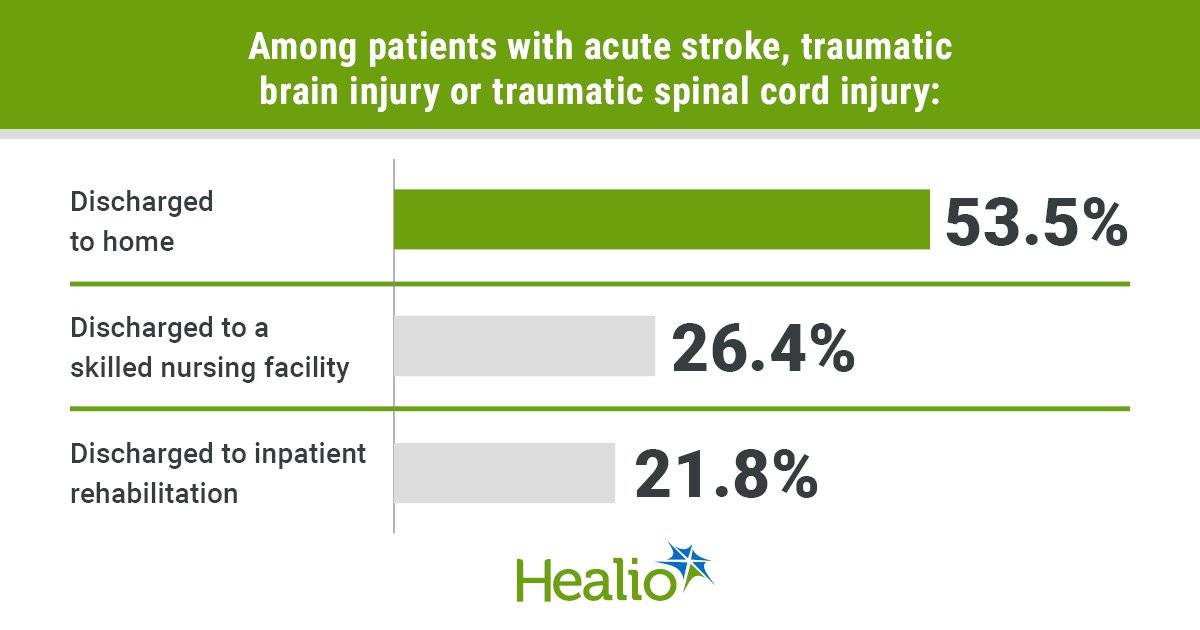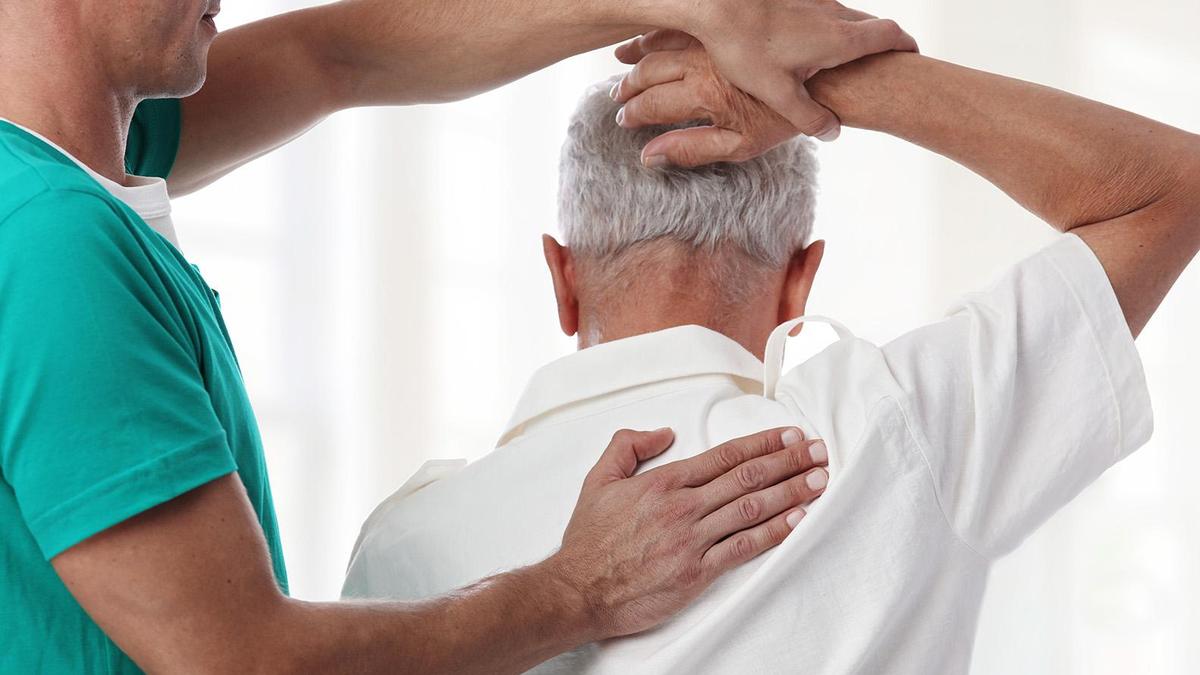
When Sidhartha Bandha’s 63-year-old father suffered a stroke, the hospital did what it was supposed to do: it saved his life. But when he came back home, another struggle began.His father could no longer do things on his own. The doctors told the family that rehabilitation and physiotherapy were important for his recovery. But the physiotherapy service available to them was far away. For a family dependent on daily earnings, travelling repeatedly for treatment meant spending money on transport, losing working days and managing the difficulty of moving a person who could barely move independently.The family eventually had to give up on regular rehabilitation. Over time, Sidhartha’s father developed contractures, a condition in which muscles and joints become stiff and shortened when a person remains immobile for a long period. Sitting, standing, changing position and doing everyday activities can become a struggle.Sidhartha remembers a different life for his father, a life where he worked in the fields and helped with household chores. His father was alive now, his life saved. But what kind of a life was it? Where should healthcare end? If a person survives a stroke but cannot regain the ability to move, work, participate in family life or live with some independence because rehabilitation was out of reach, is it fair to say that the job of healthcare was completed? There is no doubt that acute medical care saves lives. But saving a life is only the first part of recovery. Rehabilitation helps a person live the life that has been saved in the way they want to. In India, while a lot of attention has been rightfully given to improving emergency and critical care, far less has been given to what happens to patients after they leave a hospital. Physiotherapy and rehabilitation are crucial components of recovering after a number of conditions, including damage to the nervous system, heart disease and orthopaedic injuries. The question before the country today, however, is: how many people can physiotherapists actually reach?What India needsGlobal organisation World Physiotherapy’s profile of the Indian Association of Physiotherapists estimates 52,000 practising physiotherapists in India, equivalent to only 0.36 physiotherapists per 10,000 people, whereas, for instance, several countries in Europe have over 10 per 10,000 people.The number tells only part of the story. The more important question is where these physiotherapists are and how many people each one can realistically reach. Are they available close to the homes of people living in rural areas? Can a person from a low-income family receive regular treatment that can last from days to months without spending a large part of the family’s income on travel and treatment?The problem, therefore, is two-fold: there are not enough physiotherapists, and those that are available are not able able to reach the people who need them. And the need is enormous.Physiotherapy is not limited to treating back pain or helping an injured athlete. It can make a meaningful difference to people recovering from stroke, heart disease, injury, surgery and many other conditions. It can help a person stand again, walk again, use an affected limb, improve balance, become physically active and return to everyday life.With India’s growing burden of non-communicable diseases, including heart disease and stroke, the need for physiotherapy is increasing. Someone with heart disease may need help becoming physically active safely. An older person may need help maintaining strength and balance. A person recovering from an injury or surgery may need rehabilitation to return to work. For all of them, physiotherapy can be the bridge between being medically stable and becoming an active, functioning member of the family and community. But that bridge is often missing.Strategies that can helpThere are a number of measures that can help, ranging from policy change to simple steps hospitals can take.A model that has worked is community-based learning. This model gives physiotherapy students opportunities to work in rural and underserved communities and understand the barriers people face in accessing rehabilitation. Students are encouraged to see these communities not just as places for academic postings, but as places where physiotherapists can build meaningful careers and take rehabilitation closer to people’s homes. It deserves wider attention across physiotherapy education and healthcare policy.Another measure is to teach families how to safely continue simple rehabilitation at home. A physiotherapist does not have to be physically present for every exercise. Families can be shown how to help with safe movement, positioning, walking and everyday activities, while the physiotherapist checks progress and changes the programme when needed.Technology can help too. Tele-rehabilitation cannot replace hands-on treatment when a person needs physical examination or direct treatment. But it can allow a physiotherapist to follow up, demonstrate exercises, answer questions and keep in touch with patients who find regular travel difficult.India also needs to think about where physiotherapists work. If most opportunities are concentrated in large cities and private clinics, many people who need rehabilitation will continue to be left behind. Students should have meaningful opportunities to work in villages, smaller towns, primary healthcare centres and underserved communities -- not as an afterthought, but as an important part of the profession.It is high time we treated physiotherapy as an important component of lifesaving care, not as an optional service tacked on after the treatment. No one should be left unable to move simply because rehabilitation was too far away or too expensive.(Dr. Shakeeb Ahmed Khan is a physiotherapist & disability and development professional khan.shakeebahmed@gmail.com; Dr. Christianez Ratna Kiruba is an internal medicine physician and a freelance health journalist based in Guwahati, Assam. christianezdennis@gmail.com)
What happens after discharge from hospital? India’s pressing need for accessible rehabilitation
Explore India's urgent need for accessible rehabilitation post-hospitalization, emphasizing physiotherapy's role in holistic patient recovery.
920 words~4 min read