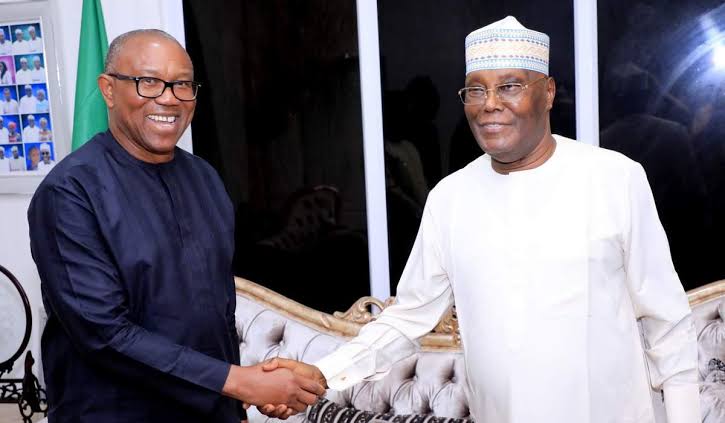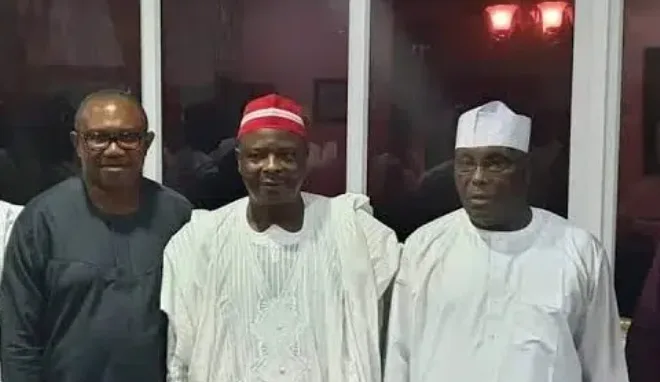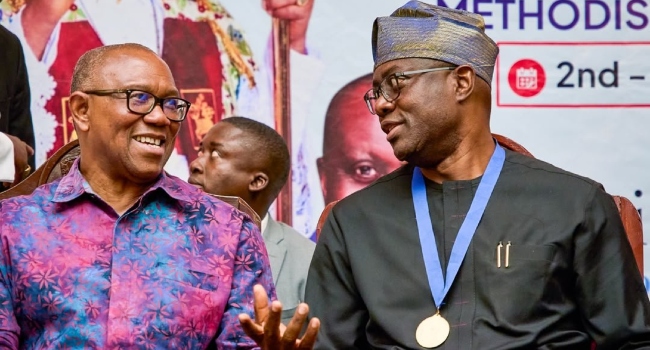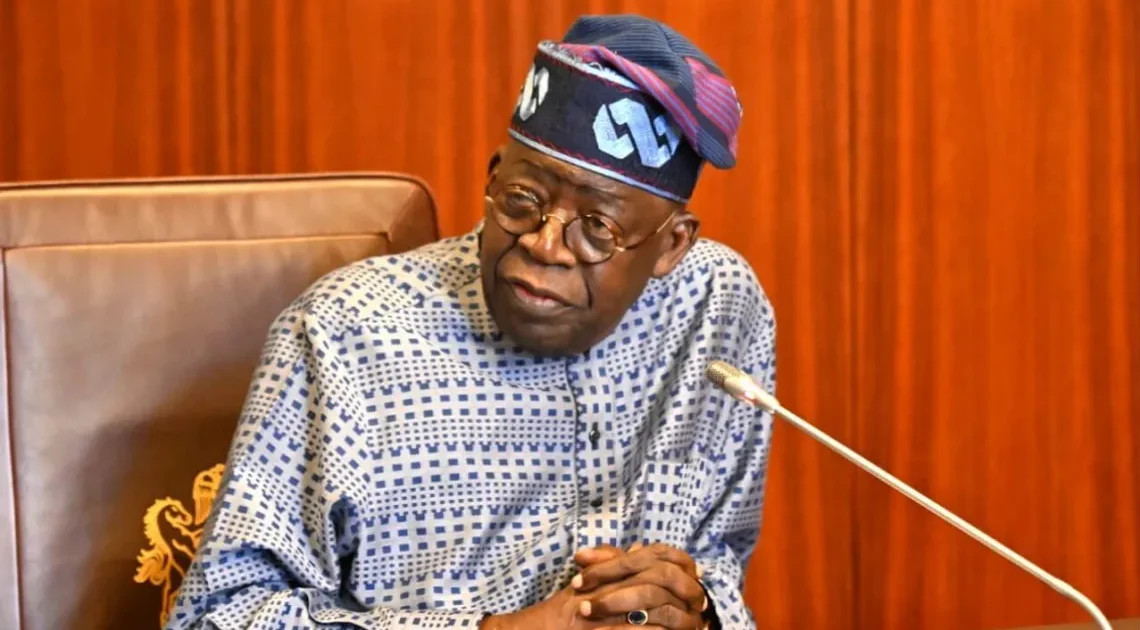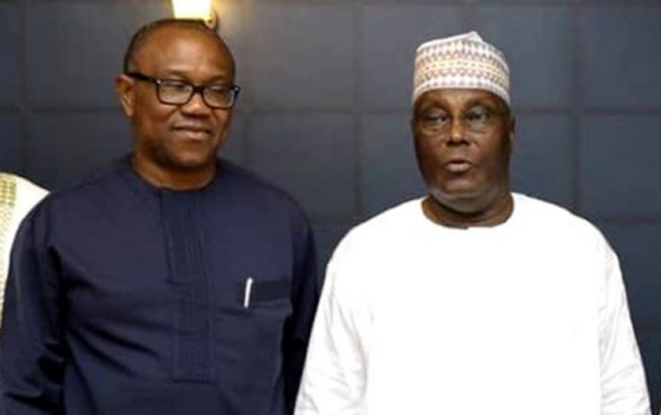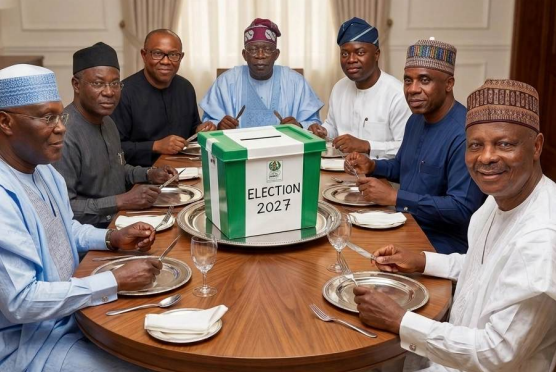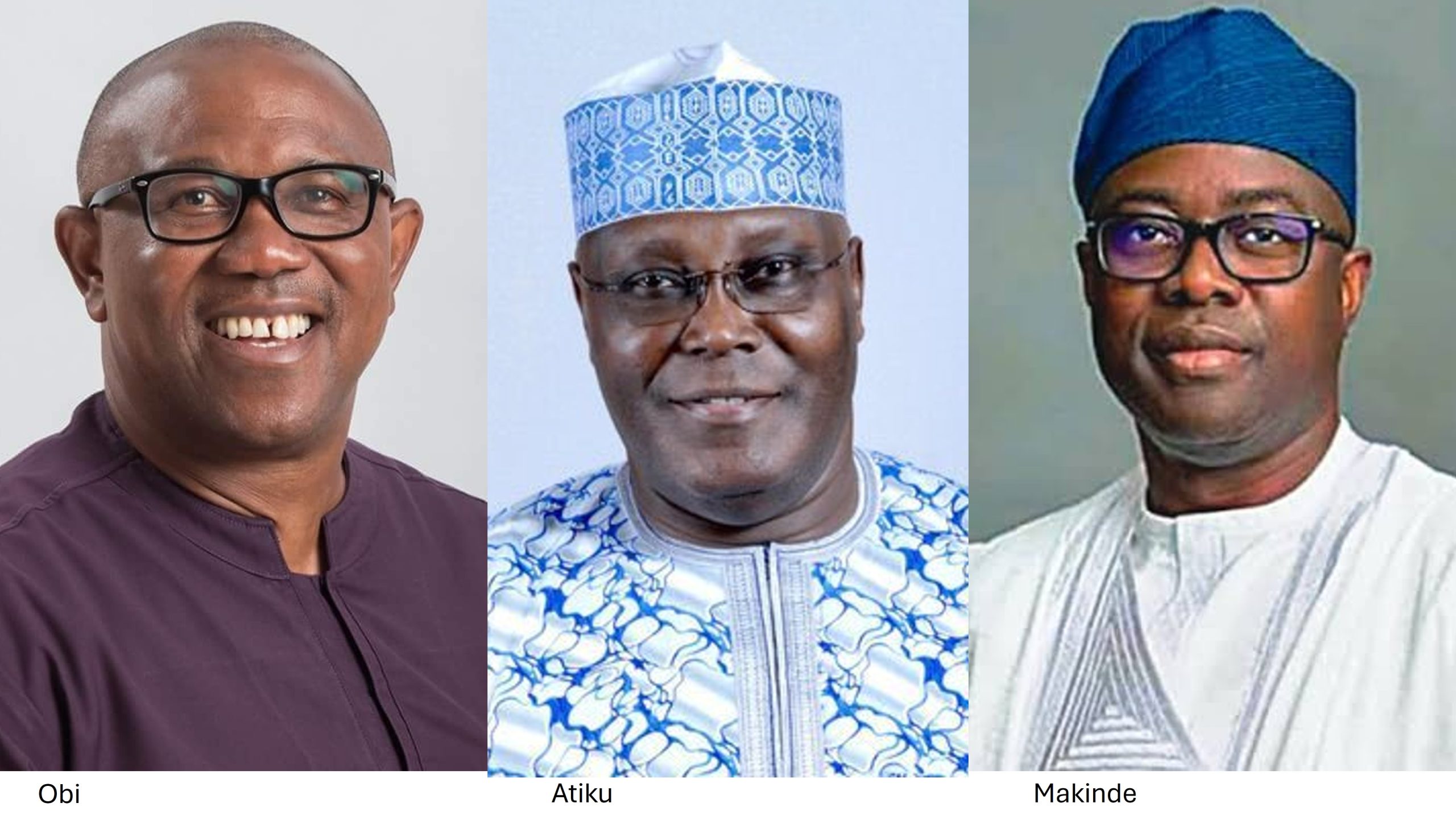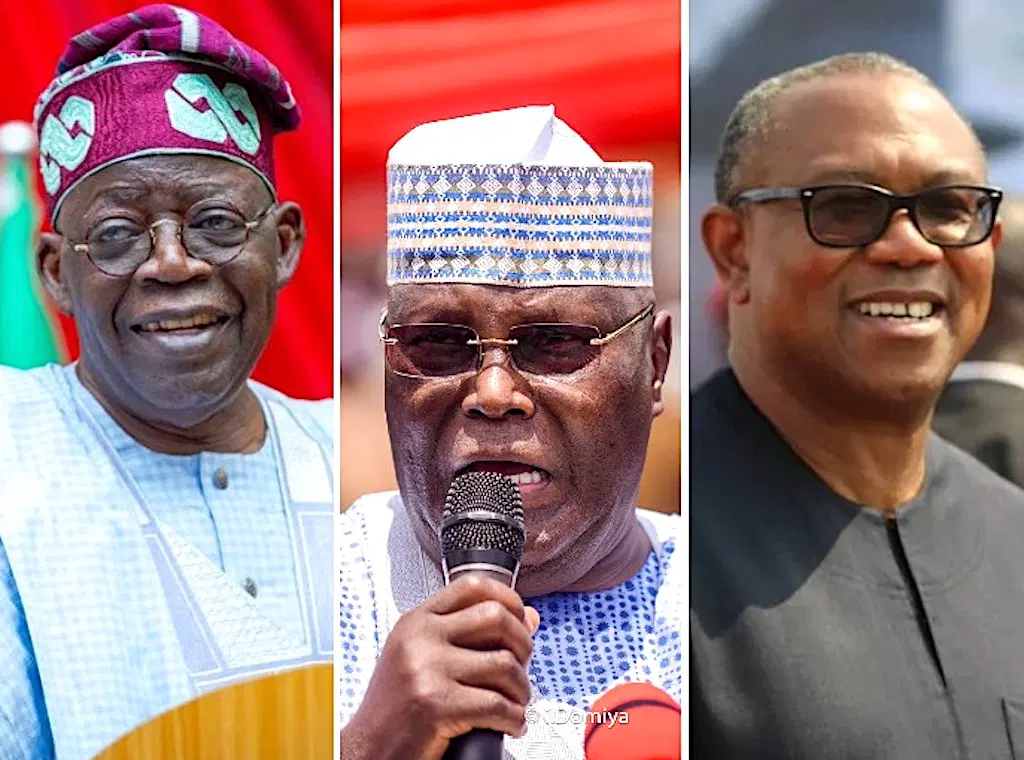
The presidential candidates of these parties have gone through the nomination processes of their parties and won. Many see themselves already as presidents in waiting. It is difficult for them to step down for one person. The problem in Nigeria is that political power is so concentrated in the presidency that no ambitious person at that level can feel adequately compensated by anything other than the top job. Some of the candidates are old and believe this is their last chance to fulfil their political ambition. The feasibility question is a tough one for the opposition to solve.
The ruling APC knows something about how opposition parties can come together, overcome their differences, create synergy around a single candidate, mobilise and defeat an incumbent president. They know the process very well because they did this between 2013 and 2015, when they came together, negotiated, agreed on how the candidate would emerge, and then went ahead to agree on a consensus candidate. The said candidate, Muhammadu Buhari, was in a sense an easy candidate to agree on, because the other leading contenders could see possibilities for themselves in the post-Buhari era. The outcome of the consensus position that emerged was that for the first time in the history of this country, a sitting president was defeated at the polls and he handed over power peacefully in 2015. Precisely because they know the script, the APC is not going to sit and watch what it did to others be done to it.