Saxony-Anhalt knows a thing or two about trouble. An hour southwest of Berlin, the people in this federal state, even before it even existed as one, knew how to shake things up.
Five centuries ago it was Martin Luther, a renegade monk whose challenge to church corruption triggered a Reformation rupture, splitting western Christianity.
And a century ago the Bauhaus design school chucked out the chintz of 19th century home design, introducing an angular new world of sleek glass and steel tubing furniture – until a brutal Nazi rollback.
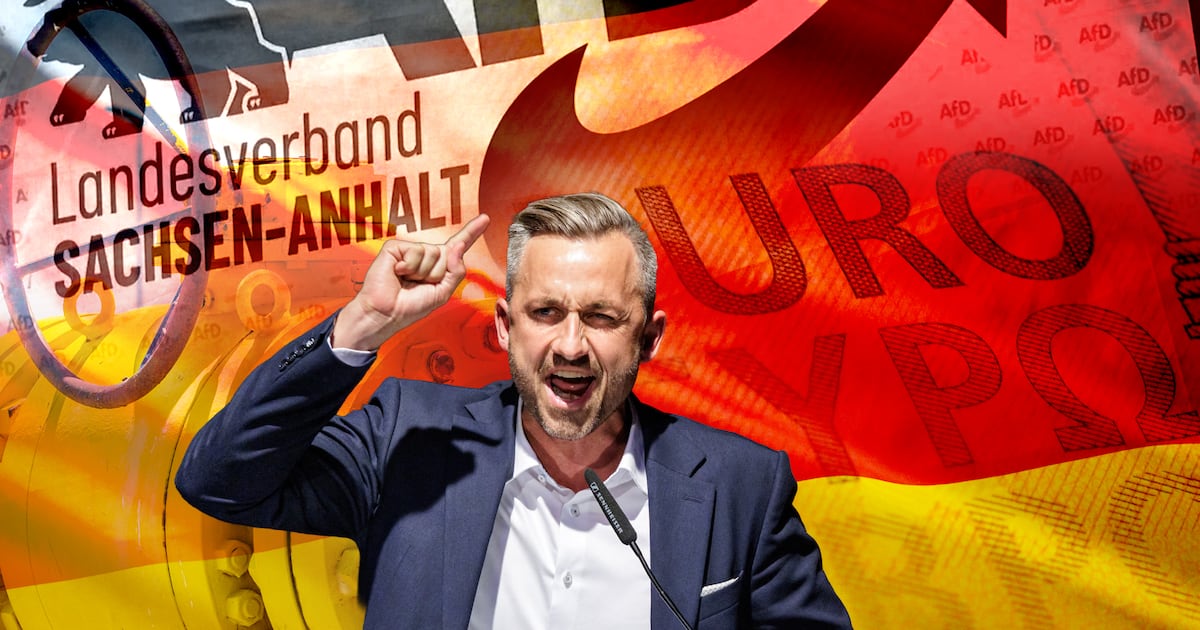
On Sunday, the 2.1 million people of Saxony-Anhalt have an explosive choice when they elect a new state government: hand power to the far-right Alternative for Germany (AfD) – a postwar political watershed – or give the established parties one more chance.
Final polls put the AfD riding high on 43 per cent, within shouting distance of an absolute majority in the Magdeburg state parliament.