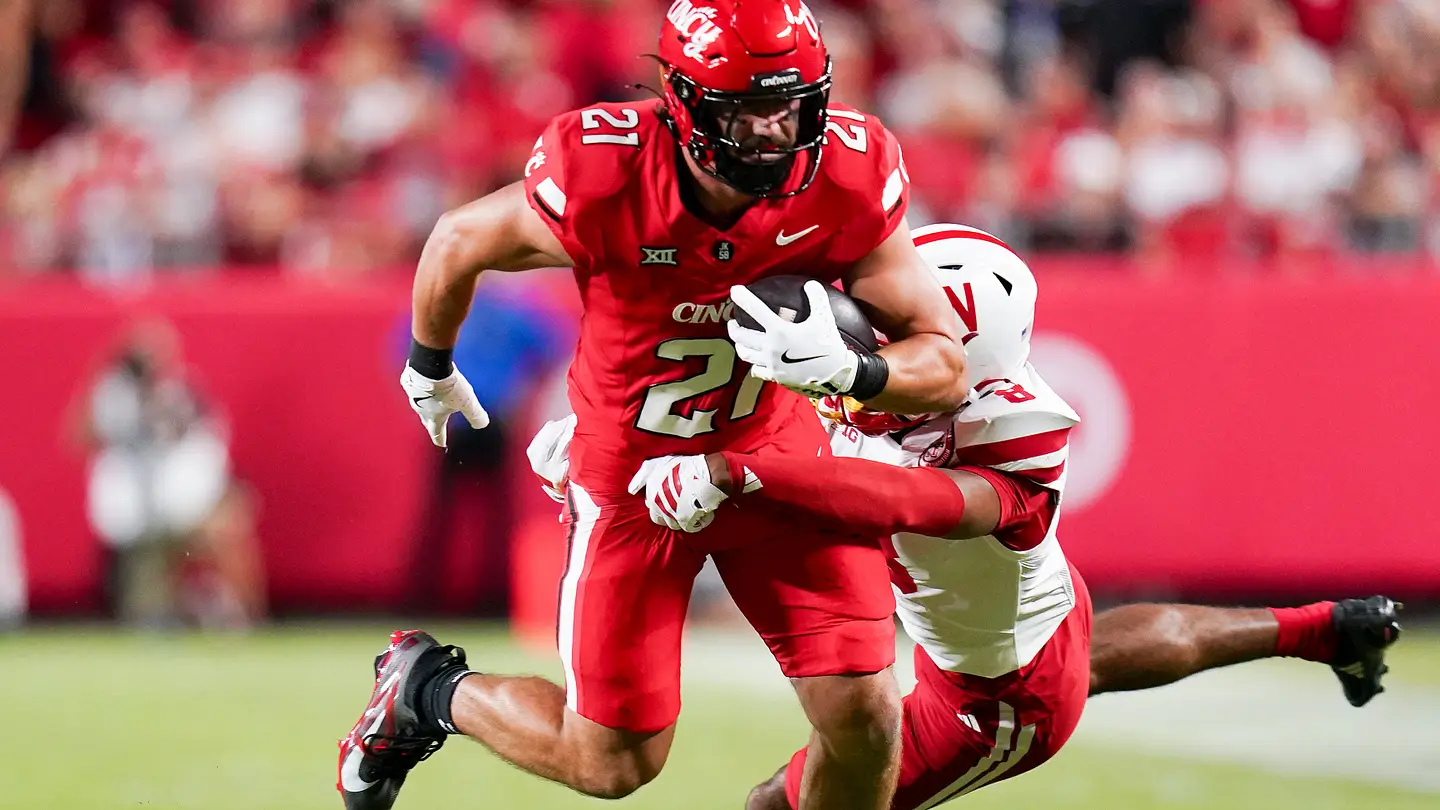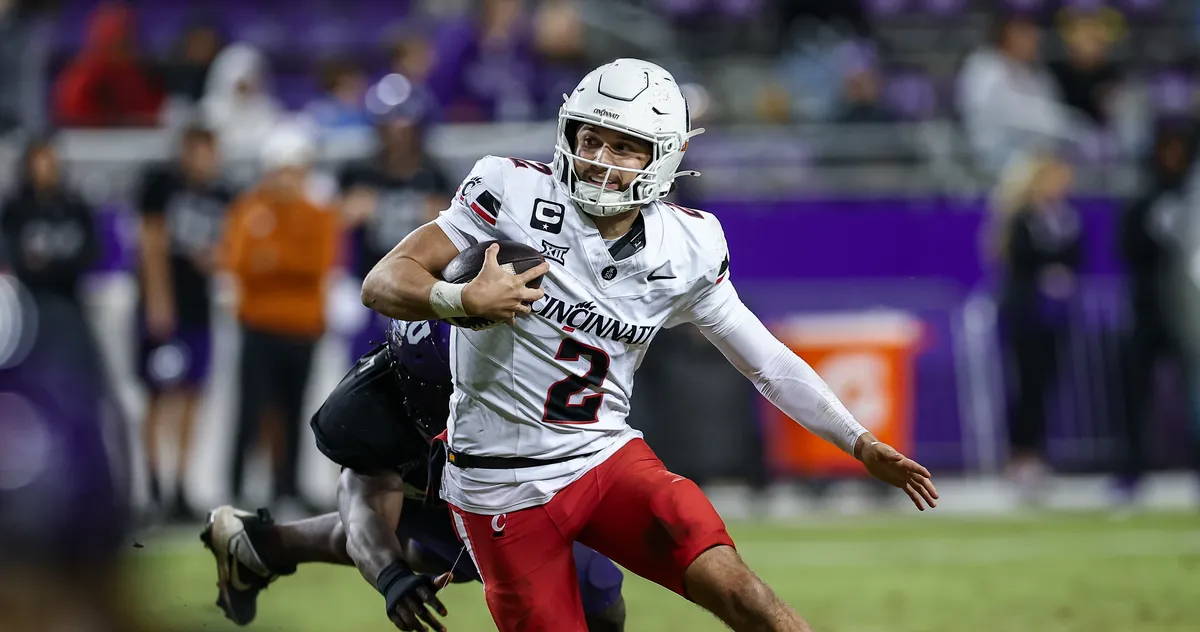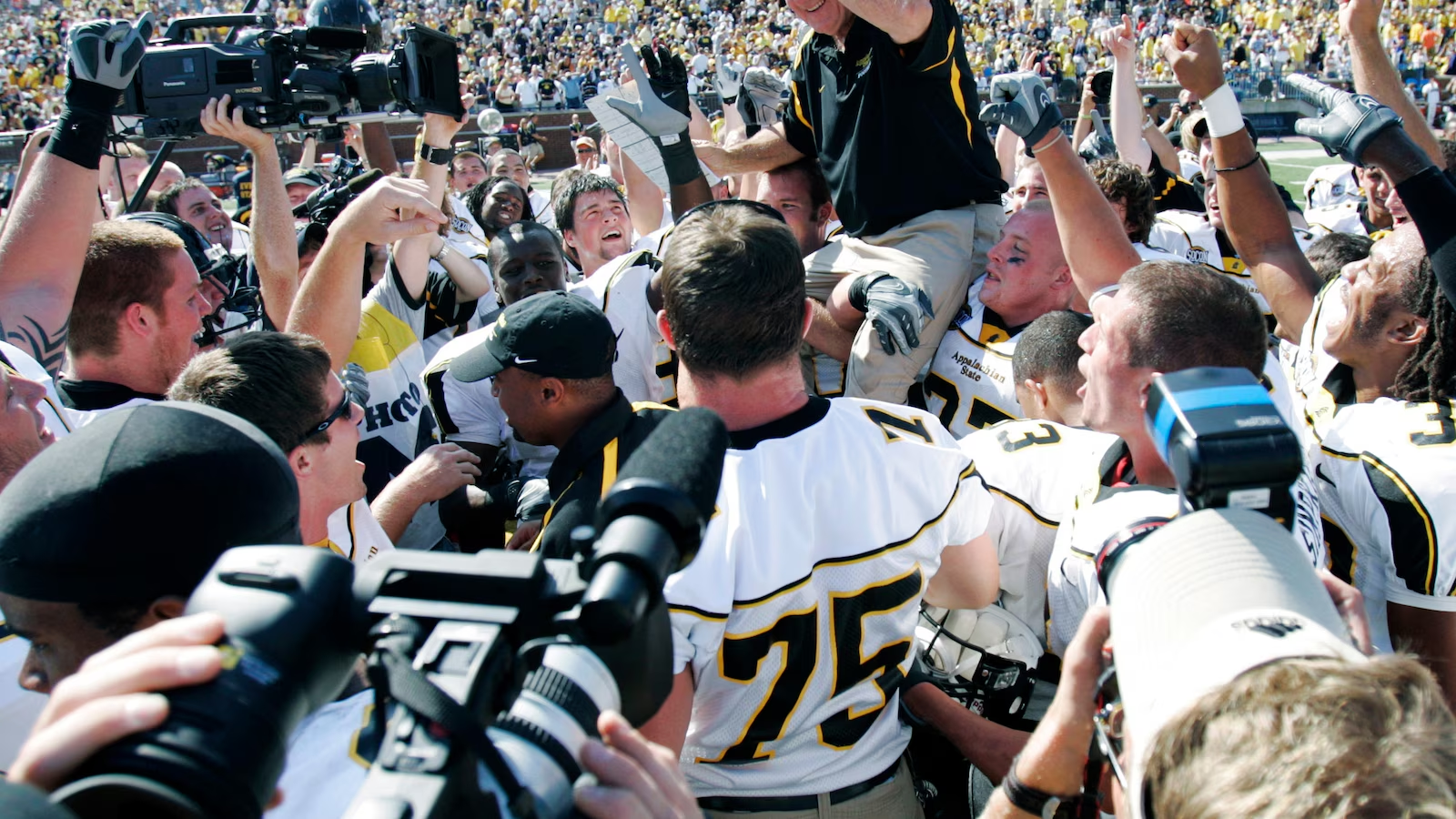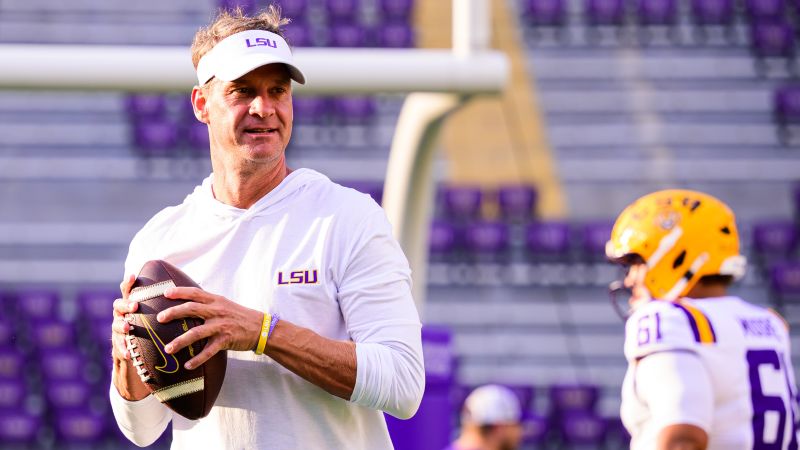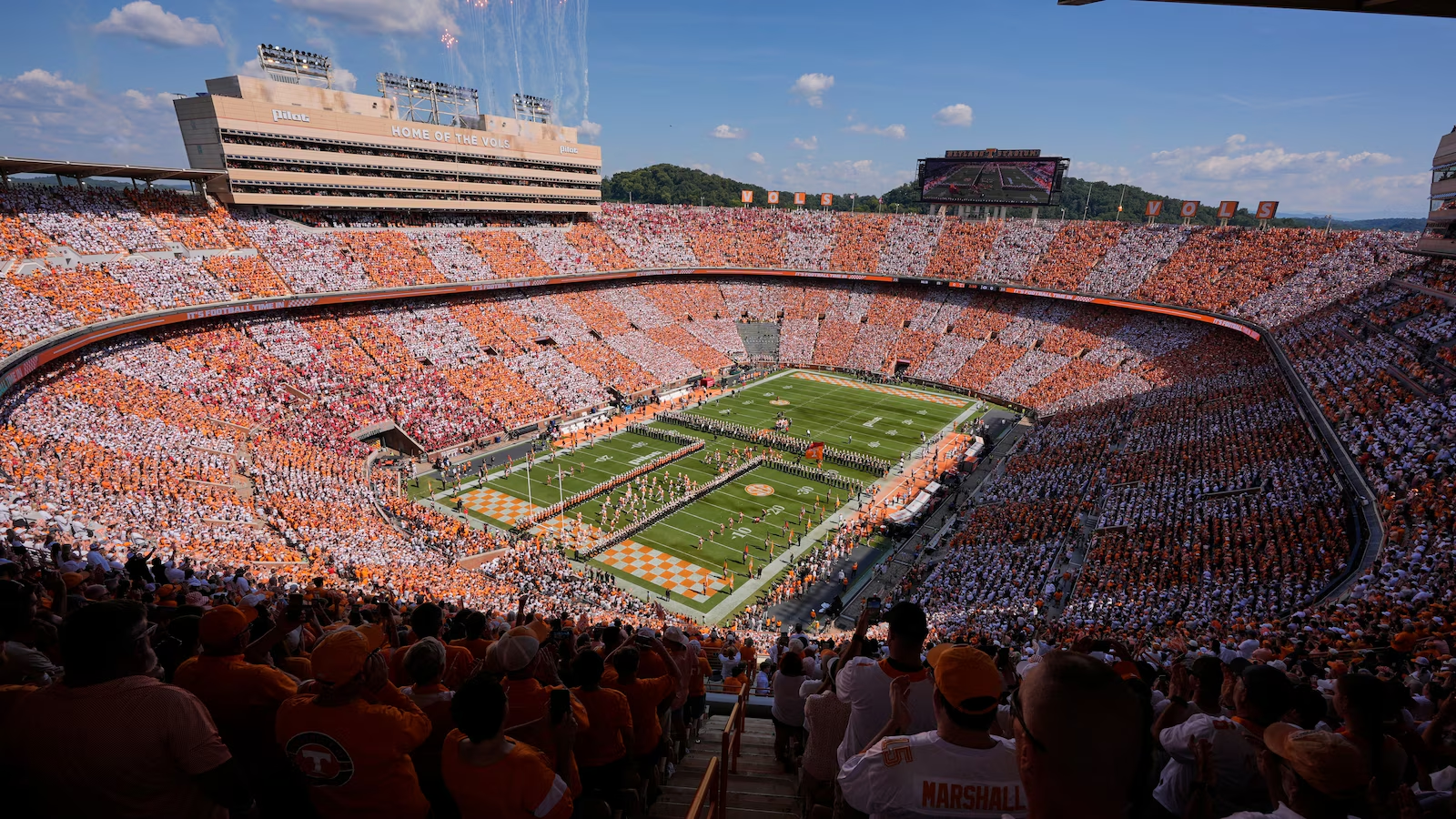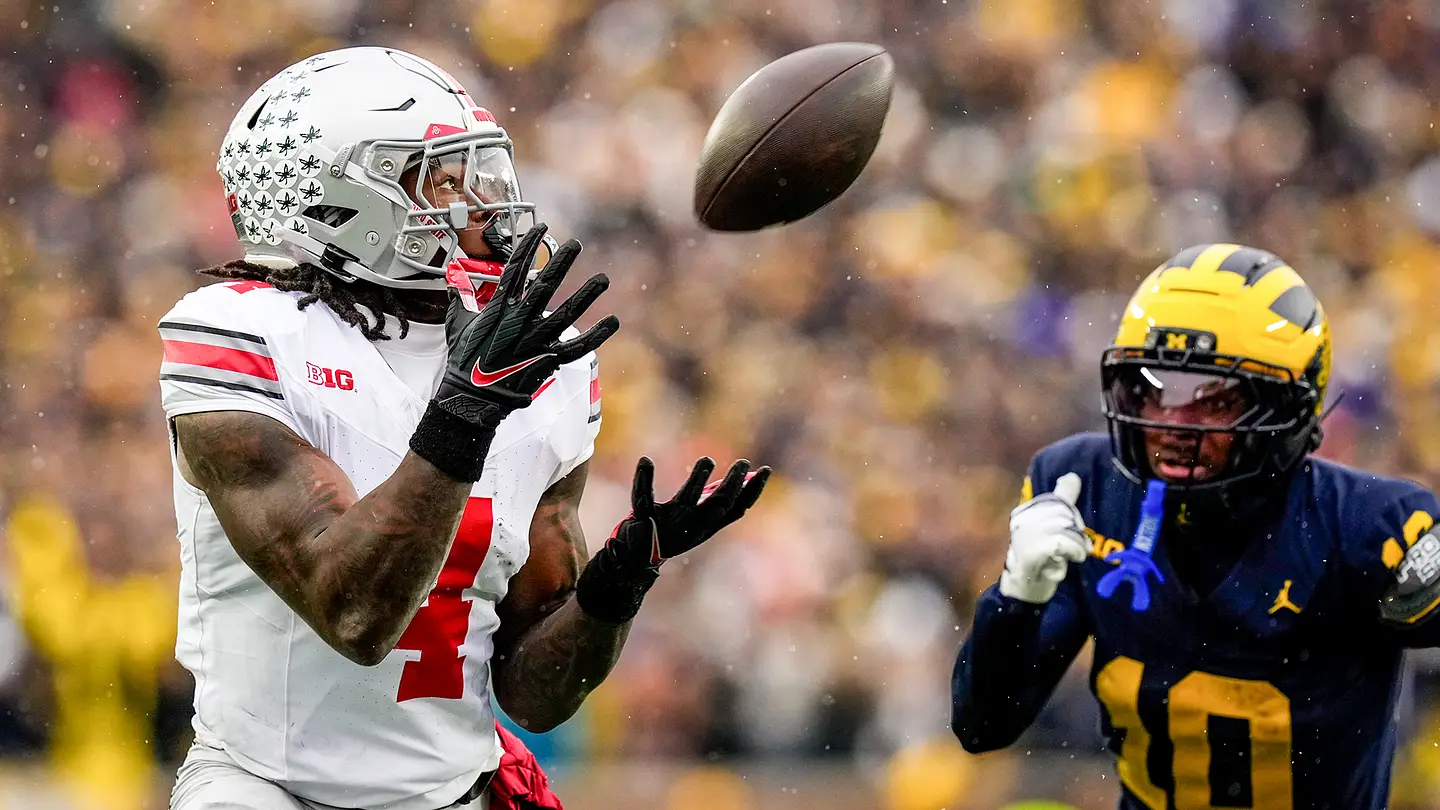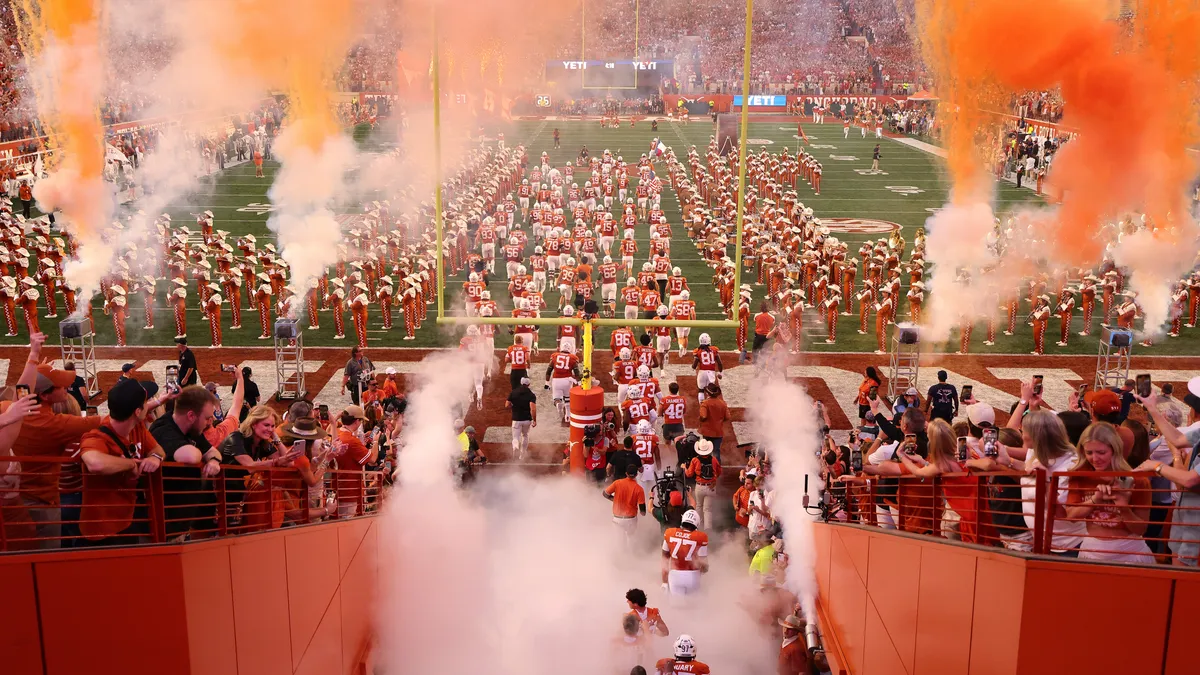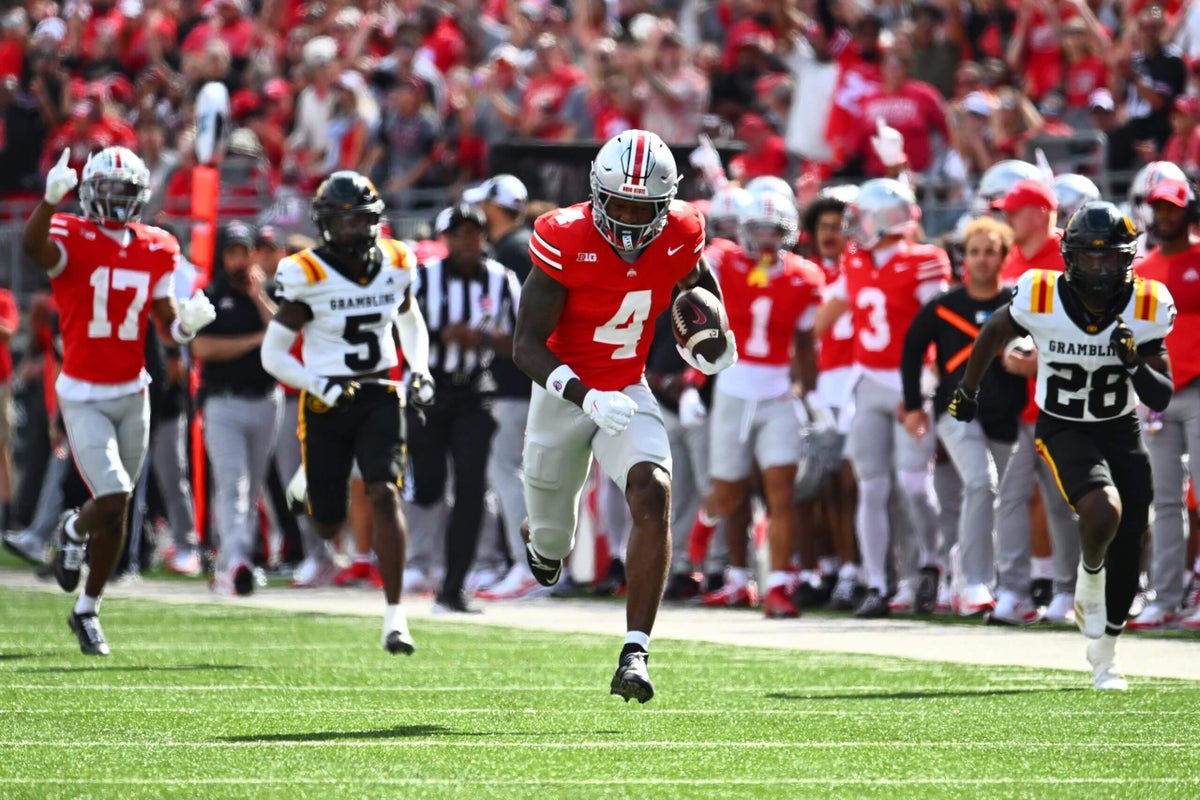
College football has spent the past five years tearing down nearly every tradition it once insisted was sacred. Players can transfer freely, earn money from their names and receive direct payments from their schools. Conferences have swallowed schools from three time zones away. The playoff expanded. Corporate logos have reached the uniforms.Yet one ritual remains as dependable as a halftime marching band: A small school will accept a large check to visit a powerhouse and get the hell beaten out of it.Ohio State will pay Ball State $1.9 million to come to Columbus on Saturday. The Buckeyes are favored by more than 50 points. The payment and the point spread are essentially two sides of the same transaction. Ohio State is purchasing a seventh home game and something approaching certainty. Ball State is selling its Saturday afternoon and accepting a few bruises for nearly $2 million.The Cardinals are hardly alone. Kent State will collect $1.3 million to play at South Carolina, $1.9 million to visit Ohio State and $1.2 million for a trip to South Florida. That’s $4.4 million for three games in which the Golden Flashes will almost certainly be significant underdogs, but those three guarantees will generate roughly 13 percent of the athletic department’s annual operating budget.This is not scheduling. It’s fundraising with shoulder pads.9.5 wins for Ohio State in 2026?Ralph D. Russo and Stewart MandelThe modern term is a guarantee game. The honest term is a purchased beating. The elite programs get another Saturday of tickets, parking, concessions and television inventory without surrendering a future home date. The smaller program gets money it could not realistically generate on its own. Everyone understands the arrangement before the contract is signed.What makes it uncomfortable is that the people signing the contracts are not the people absorbing the hits. The athletic director receives the check. The football players receive 60 minutes against a roster that is usually bigger, faster, stronger and assembled with exponentially more money.If the result becomes 56-3, the small-school coach must explain the embarrassment. The players become a social media punchline. The institution deposits the money and uses it to help pay for scholarships, travel, facilities, salaries and sports that might produce little revenue of their own.The football team is not merely representing the university. For one afternoon, it is financing it.
College football’s most honest transaction: A likely loss for a guaranteed check
This is not scheduling. It's fundraising with shoulder pads. The modern term is a guarantee game. The honest term is a purchased beating.
1,065 words~5 min read