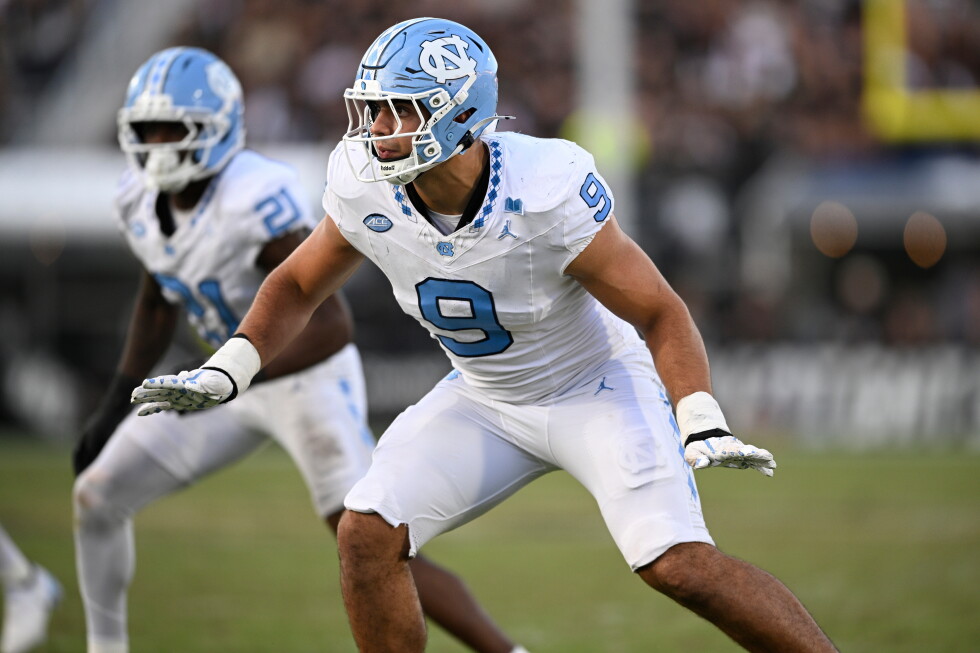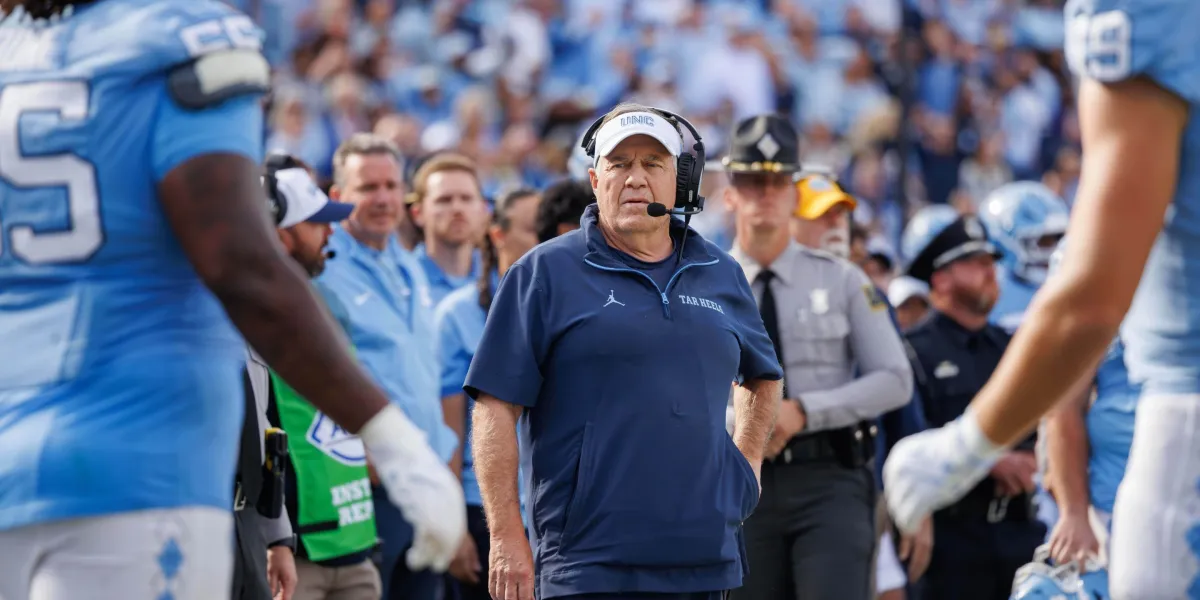
Win or lose, the North Carolina Tar Heels already will be in elite company when they kick off the college football season against Texas Christian University in a game played in Dublin. They will be among a small but growing number of athletic programs receiving taxpayer funding from their home states.
With universities competing to pay athletes millions of dollars, some states now are propping up their strained sports budgets in ways not previously seen. The state dollars aren’t going directly to star athletes. But by funding facilities and administrative costs normally borne by the schools, states are freeing universities to use their own dollars for other purposes.
The athletics program at the University of North Carolina at Chapel Hill, for the first time, is receiving $3 million earmarked from state sports betting taxes. Wisconsin lawmakers approved $15 million for athletic costs at the University of Wisconsin. And Connecticut and Louisiana also are using tax dollars to support college athletics. Even more states have considered it.
Sports business analysts see an emerging trend.
“Once one state provides that kind of assistance, schools in competing states can argue that they are being placed at a competitive disadvantage, which could create additional pressure on legislatures to respond,” said Daniel McIntosh, faculty director of the sports business program at Arizona State University.