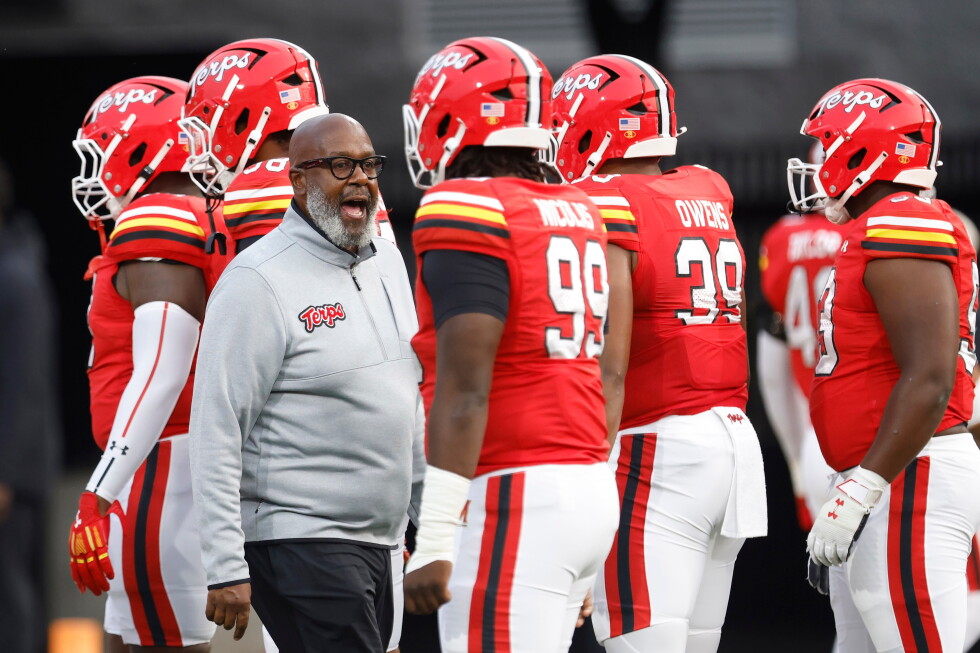
When a 2021 Supreme Court decision let loose a tidal wave of cash to pay college athletes for endorsement deals, some nonprofit leaders held out hope that charities would benefit. Many of the organizations created to raise money for that compensation — name, image, and likeness collectives — were created as nonprofits.At some institutions, charities did see some gains. In 2021, University of Maryland student athletes receiving NIL payments started serving yearlong mentorships with high school students through a program run by a local nonprofit, the Youth Leadership Foundation, one of the several charities that had relationships with Maryland athletes. About 250 students from colleges in low-income neighborhoods typically participate each year, according to Janaiha Bennett, the nonprofit’s executive director.“Being able to expose students to role models that care about character and care about conducting themselves well as athletes, that’s been a huge plus,” Bennett said.
Initially, the visits with student athletes and tours of the university’s athletic facilities were organized by the Blueprint Sports Foundation, a nonprofit that managed payments to NIL collectives nationwide.But the real financial benefits went to college athletes. Five years after the court gave the green light to pay athletes in NCAA v. Alston, payments to quarterbacks, gymnasts, pitchers, and other coveted athletes have reached nearly $2 billion annually. It is unclear how much nonprofits have gained, but any benefits charities receive are minuscule compared with the large sums of cash colleges raise to attract and retain star athletes, according to experts.