Published September 3rd, 2026 - 17:29 GMT
Highlights
Netanyahu’s remarks came a day after he warned that an Iranian attack on Israel could be “one of their last decisions,” underscoring the Israeli leadership’s increasingly explicit focus on regime change rather than solely containing Iran’s military
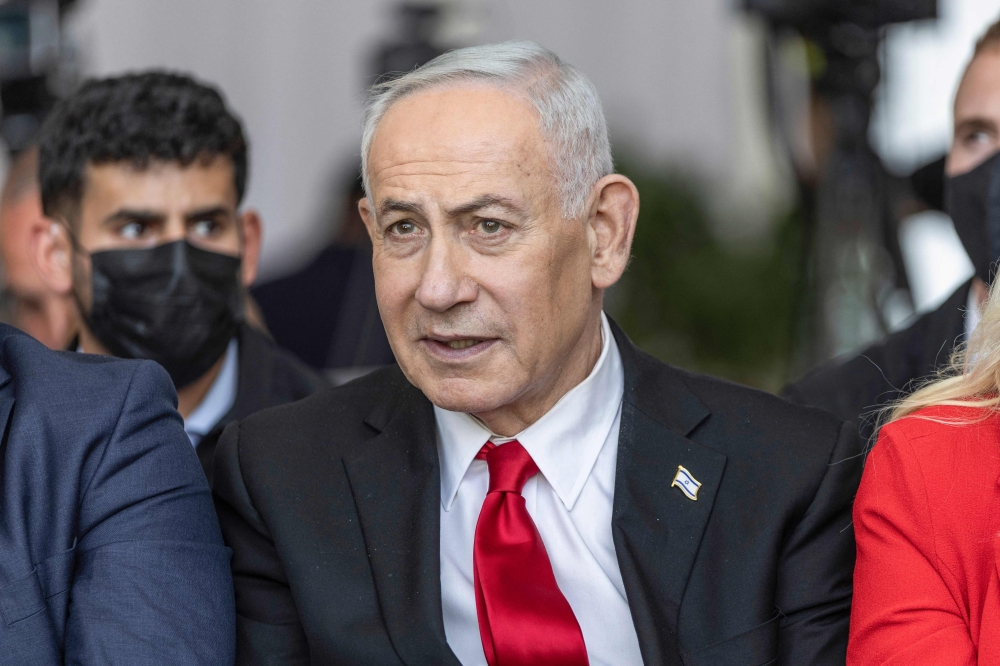
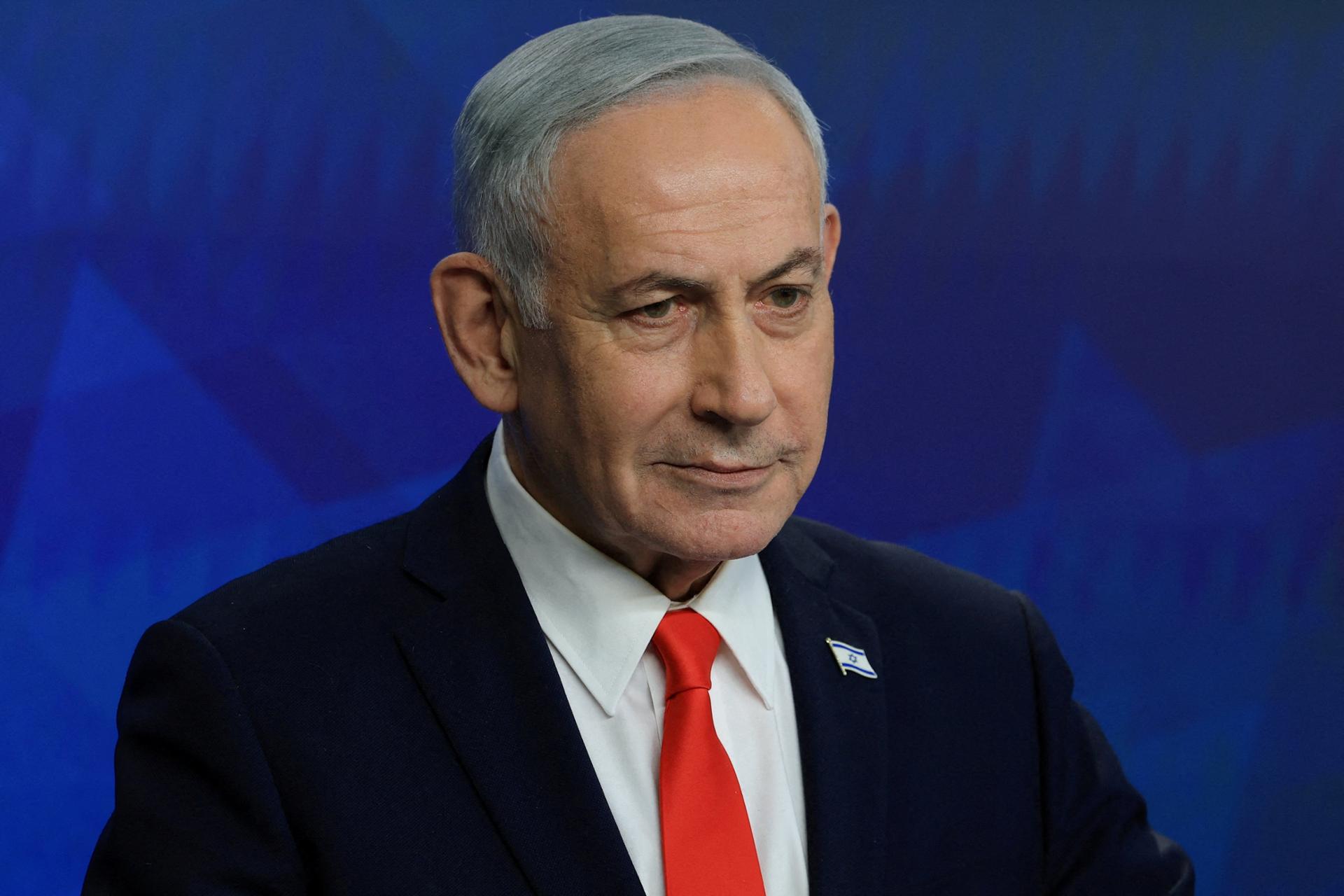
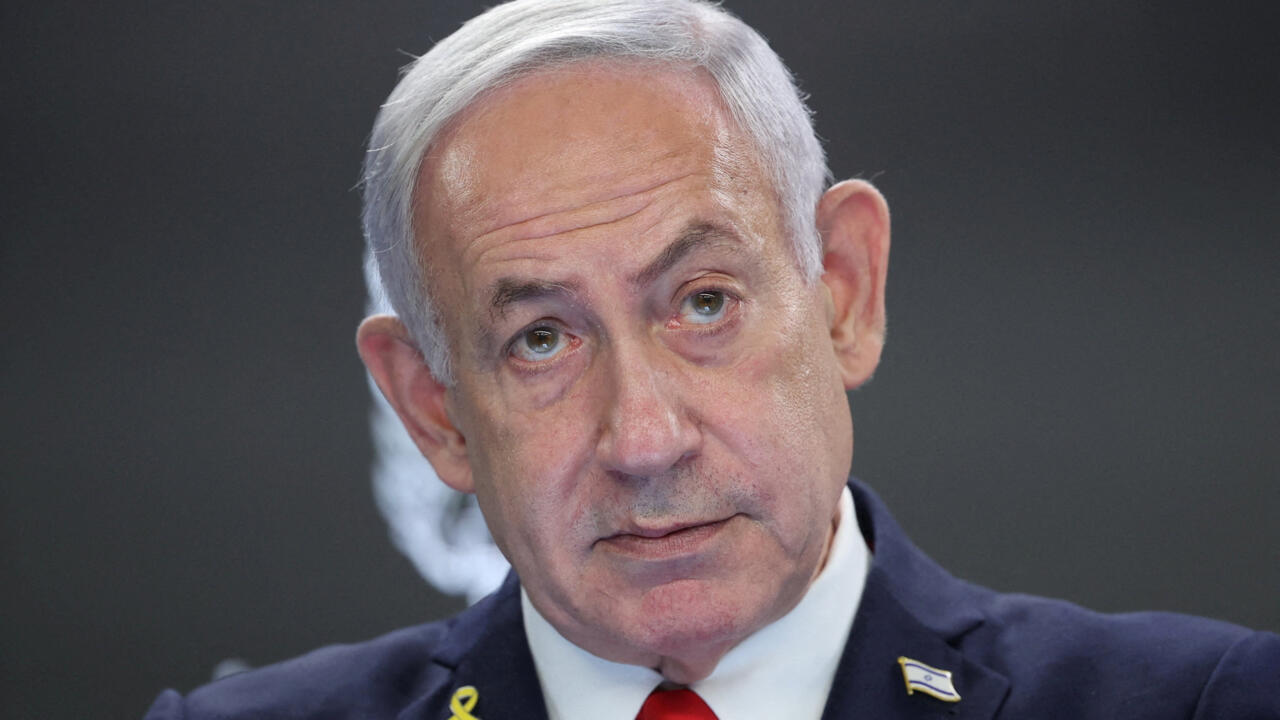
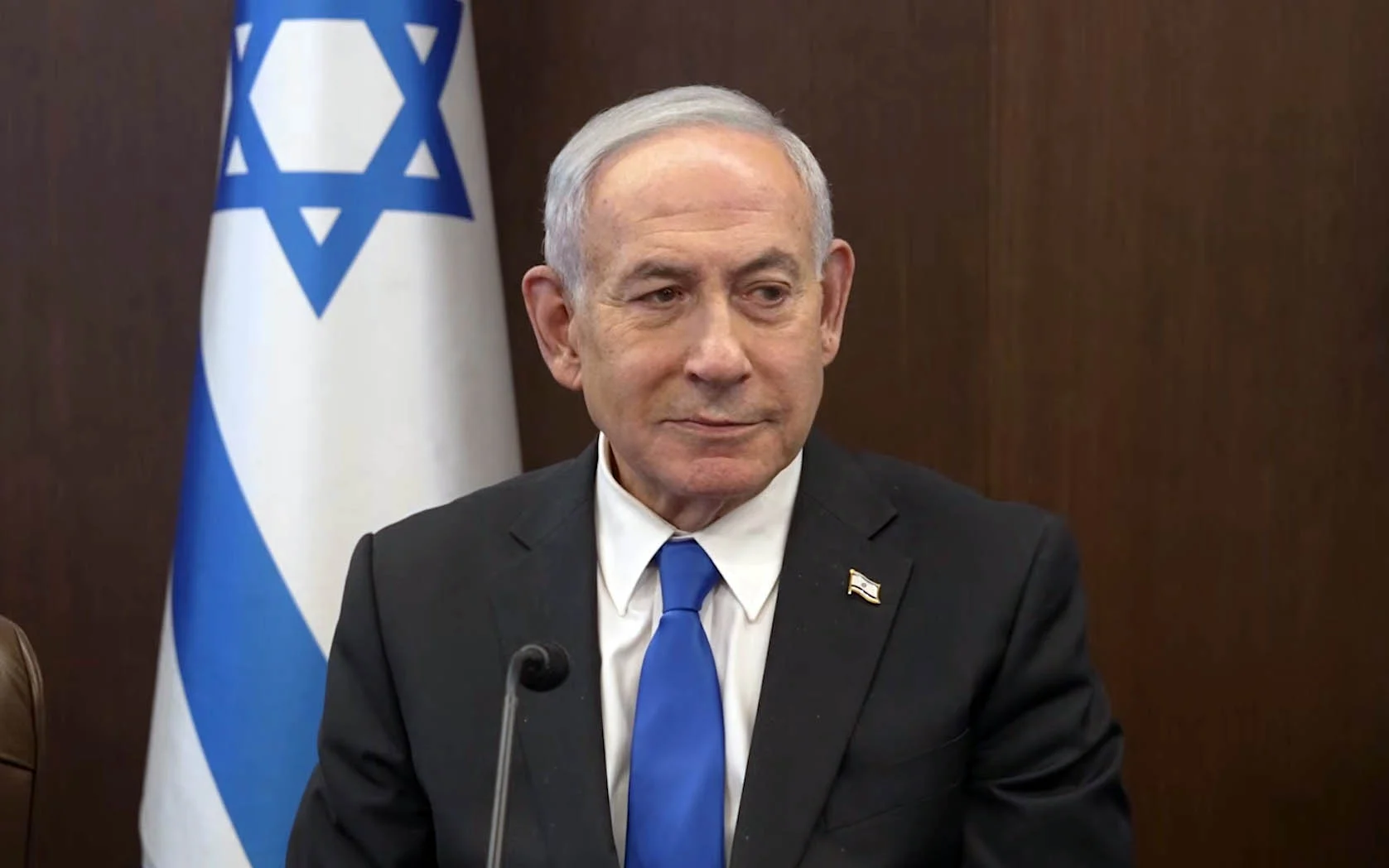
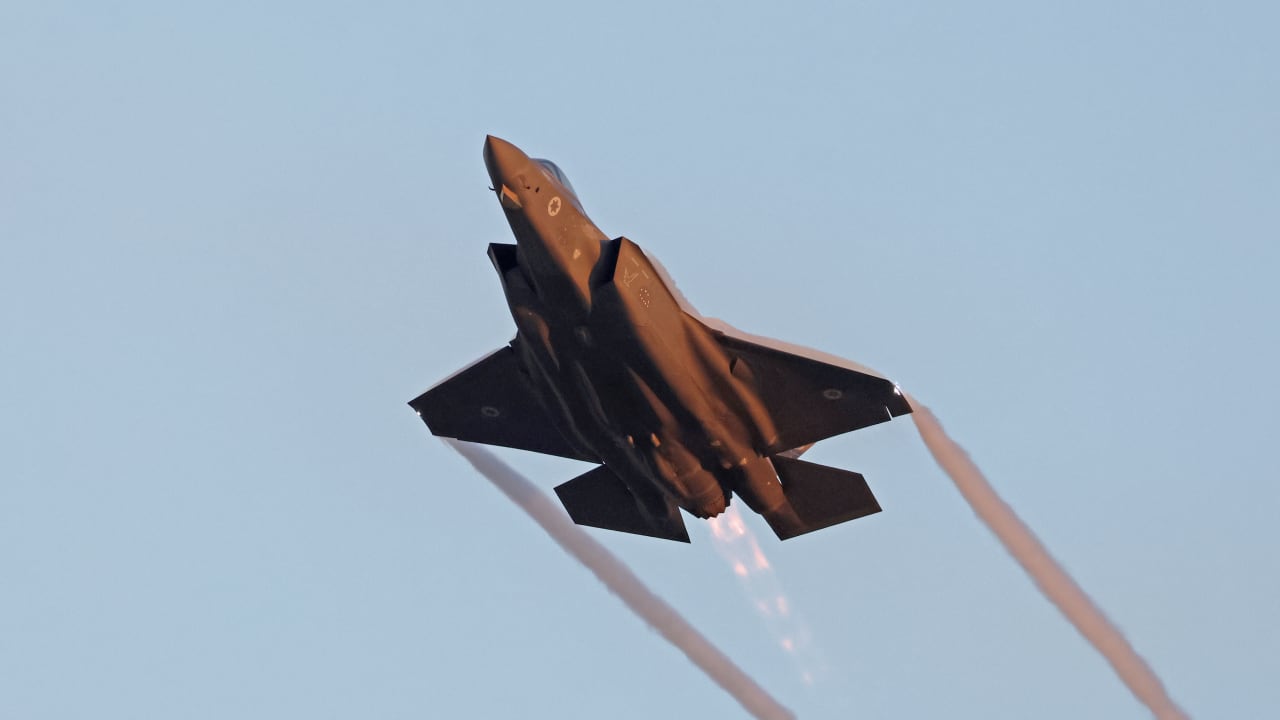
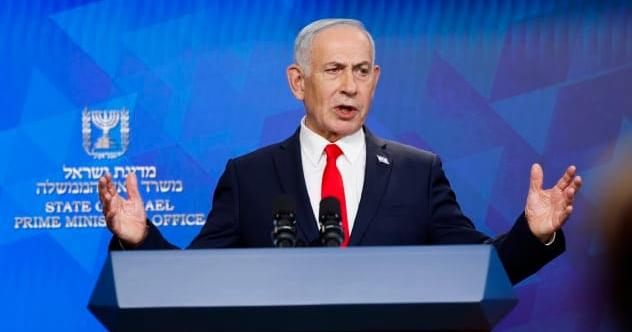
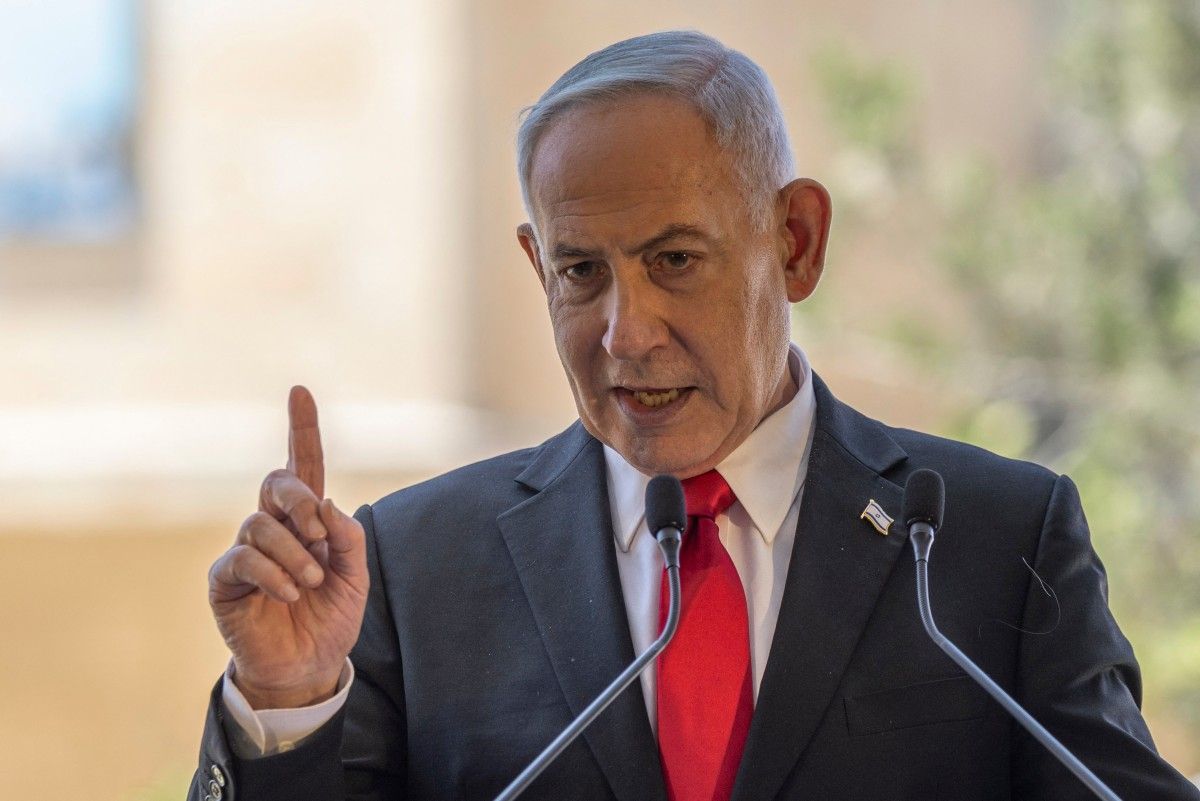
ALBAWABA- Israeli Prime Minister Benjamin Netanyahu said Thursday that overthrowing Iran’s Islamic Republic has become Israel’s central mission and is now within reach, as the United States and Israel continue a renewed campaign of strikes against Iran and Tehran retaliates with missile and drone attacks on U.S. forces across the region.Speaking to senior Israeli military officials, Netanyahu said the Iranian regime was “staggering” and weaker than ever, arguing that its strategic capabilities had been severely damaged by Israeli and U.S. military operations. He said Israel was convinced it could bring down the government in Tehran and eliminate what he described as the threats posed by the Iranian regime.Netanyahu’s remarks came a day after he warned that an Iranian attack on Israel could be “one of their last decisions,” underscoring the Israeli leadership’s increasingly explicit focus on regime change rather than solely containing Iran’s military and nuclear capabilities. Israeli officials have repeatedly claimed that the campaign has significantly weakened Iran’s military infrastructure and strategic capabilities.Defense Minister Israel Katz issued an even broader warning Thursday, saying any Iranian attack on Israel would remove what he described as existing Israeli constraints on military action against Iran.“We will strike all national, military and civilian infrastructure in Iran, including energy infrastructure,” Katz said, warning that Israel would return Iran “deep into the Stone Age and darkness.” He said Israel was prepared for both defensive and offensive operations and that its military was ready to act.Katz also said that heavy U.S.-led economic pressure and fears of internal unrest and the collapse of the Iranian government could push Tehran toward what he called “desperate measures.” His remarks suggest that Israel views the combination of military strikes, economic sanctions and internal pressure as capable of destabilizing the Iranian leadership.🚨🇮🇱🇮🇷 Israeli Defense Minister Katz:"If Iran attacks the State of Israel, this will release Israel from any existing restrictions in attacking Iran.We will strike all national, military, and civilian infrastructures in Iran, including energy infrastructures, and return Iran…— Mario Nawfal (@MarioNawfal) September 3, 2026 The warnings came as the U.S.-Iran conflict entered another intense phase following a month-long reduction in direct hostilities. The United States launched a new series of strikes on Iranian military targets earlier this week, hitting air-defense systems, radar and communications facilities as well as other military and maritime assets. The operations followed escalating tensions around the Strait of Hormuz and attacks involving commercial shipping.Iran responded with missile and drone attacks against U.S. military positions and facilities used by American forces across the Middle East. Iranian attacks were reported or claimed against U.S. positions in Jordan, Iraq, Kuwait, Bahrain and the United Arab Emirates, while several Gulf states said their air defenses intercepted incoming missiles and drones.The latest U.S. strikes have also caused Iranian military casualties. Iran's semi-official Tasnim news agency reported that at least 13 Iranian military personnel had been killed in U.S. attacks this week, including members of the regular armed forces, the Basij paramilitary organization and the Islamic Revolutionary Guard Corps Aerospace Force.The renewed exchanges have also produced civilian casualties. Iranian authorities and rights groups reported deaths and injuries from recent U.S. strikes in southern Iran, including an attack on a house in Kuhestak where a wedding was taking place. The latest escalation follows a conflict that began after U.S. and Israeli strikes against Iran in late February this year and has since expanded beyond Iran and Israel to U.S. military positions, Gulf states, and critical energy and shipping infrastructure. Iran has repeatedly threatened to retaliate against American assets and restrict shipping through the Strait of Hormuz, one of the world's most important oil transit routes.