Prescriptions for GLP-1 drugs surged 310-fold (from 0.03% to 9.3%) among kids ages 8 to 11 with obesity, despite a lack of FDA approval in this age group.Most kids who received GLP-1 drugs had severe obesity and comorbidities, indicating that these agents are usually reserved for high-risk children.Prescriptions favored socioeconomically advantaged families, raising concerns about widening disparities in pediatric obesity care.
Prescribing GLP-1 receptor agonists to children ages 8 to 11 years with obesity surged 310-fold since 2019, despite a lack of FDA approval in kids under 12, a large cross-sectional analysis showed.
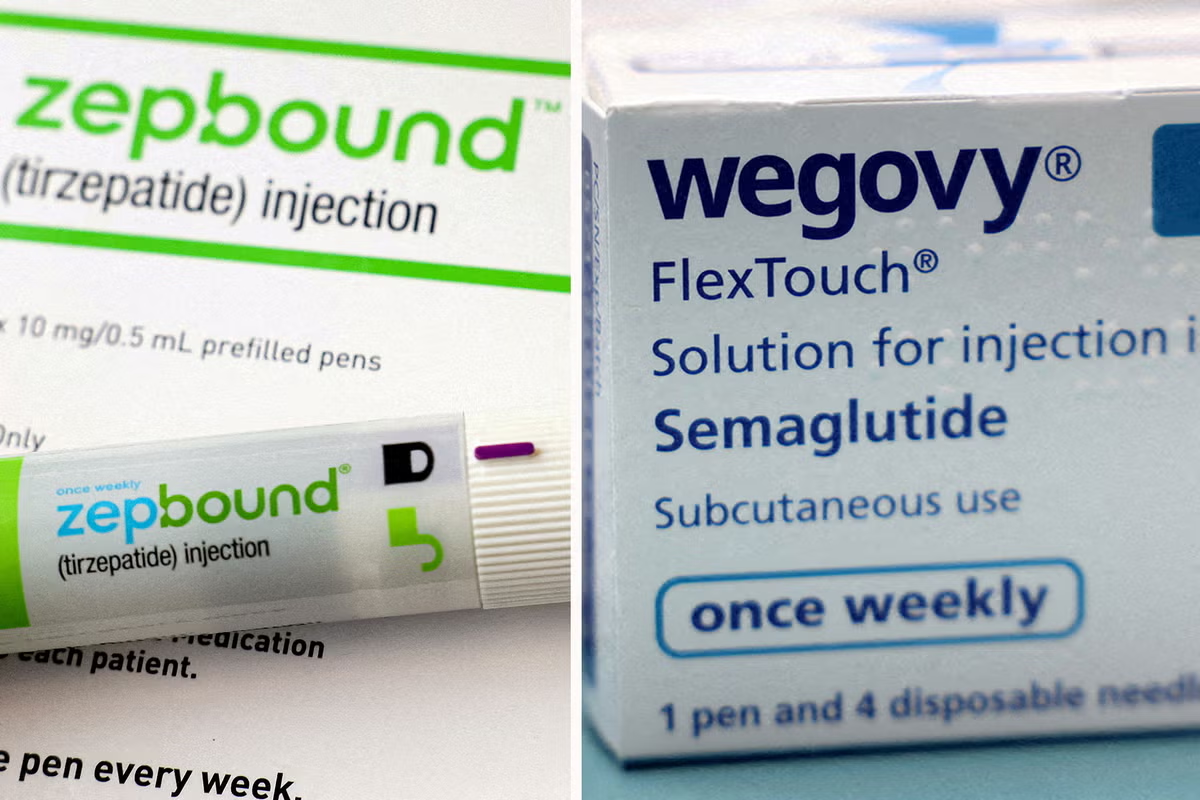
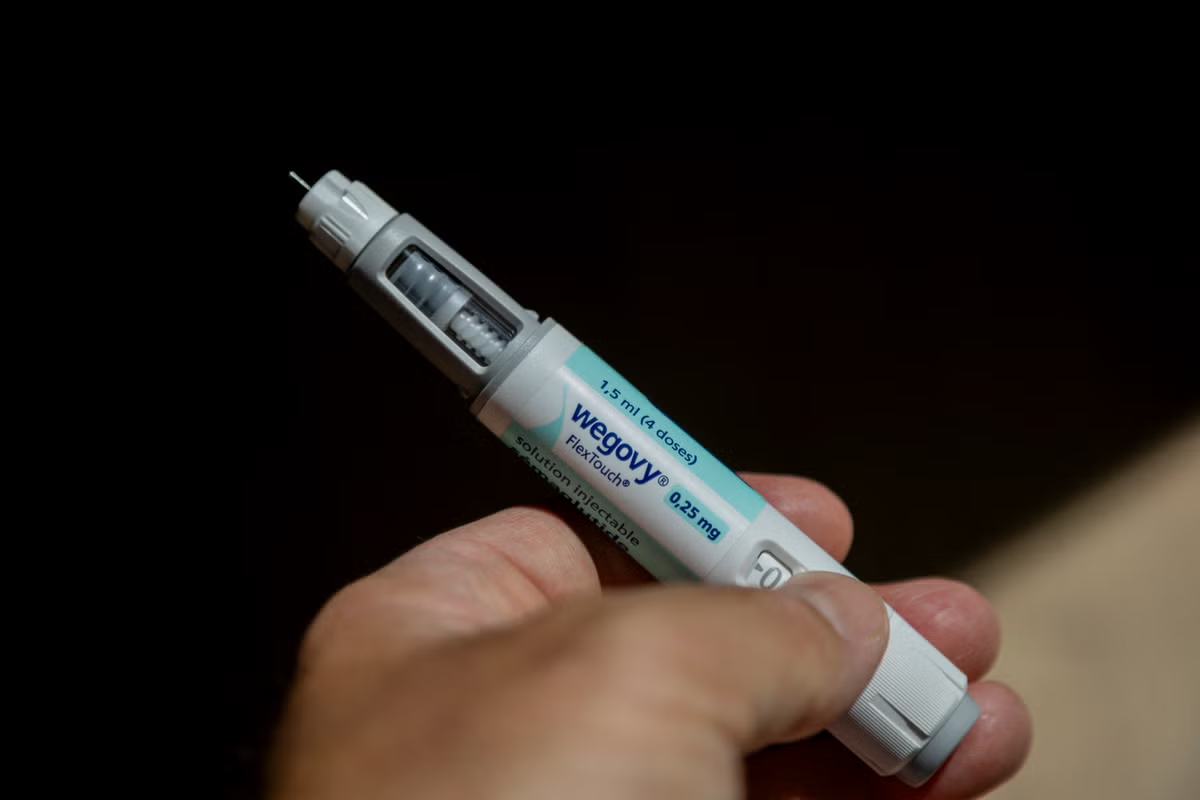
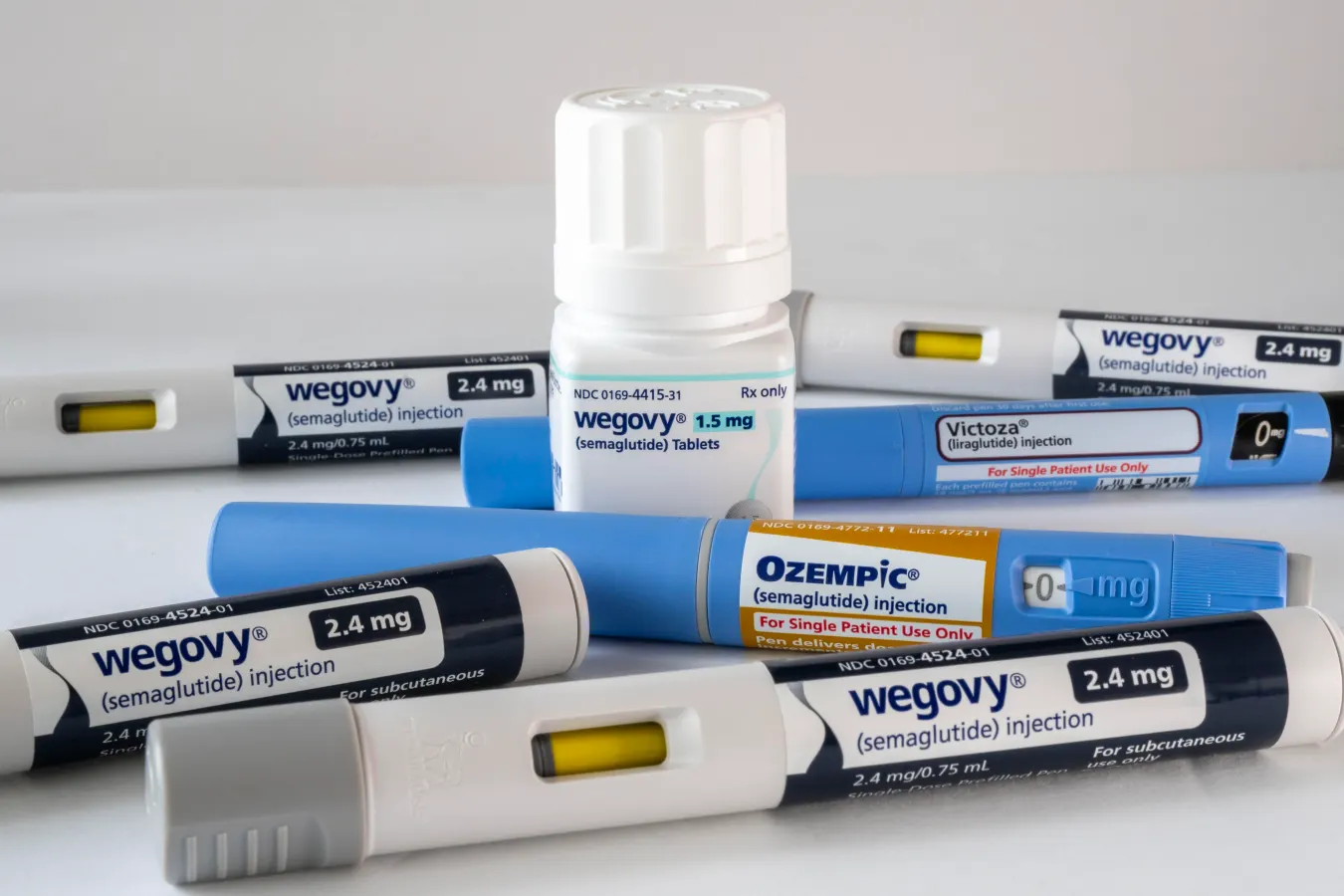
Among over 3.5 million children in this age group, annual prescribing of GLP-1 drugs -- including tirzepatide (Zepbound), semaglutide (Wegovy), and liraglutide (Saxenda) -- increased from 0.03% in 2019 to 9.3% in 2026 (P<0.001), reported Babak J. Orandi, MD, PhD, of NYU Grossman School of Medicine in New York City, and colleagues.
Even so, overall prescribing remained low. Just 20,282 children with obesity (0.6%) received a GLP-1 prescription across the entire study period, they noted in Pediatrics. The prevalence of pediatric obesity in the U.S. is 20%.
"While the absolute number of children under the age of 12 receiving GLP-1 treatment is still low, GLP-1 use is accelerating rapidly," Orandi said in a statement. "The careful use of GLP-1s remains a valuable tool in confronting the obesity epidemic among young Americans."