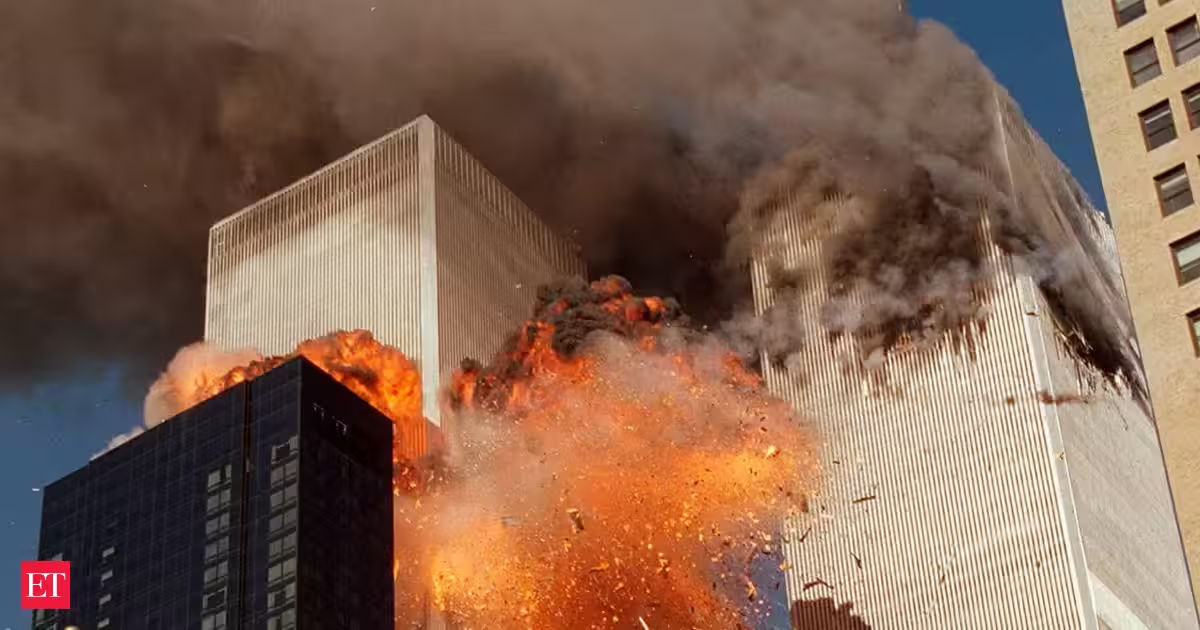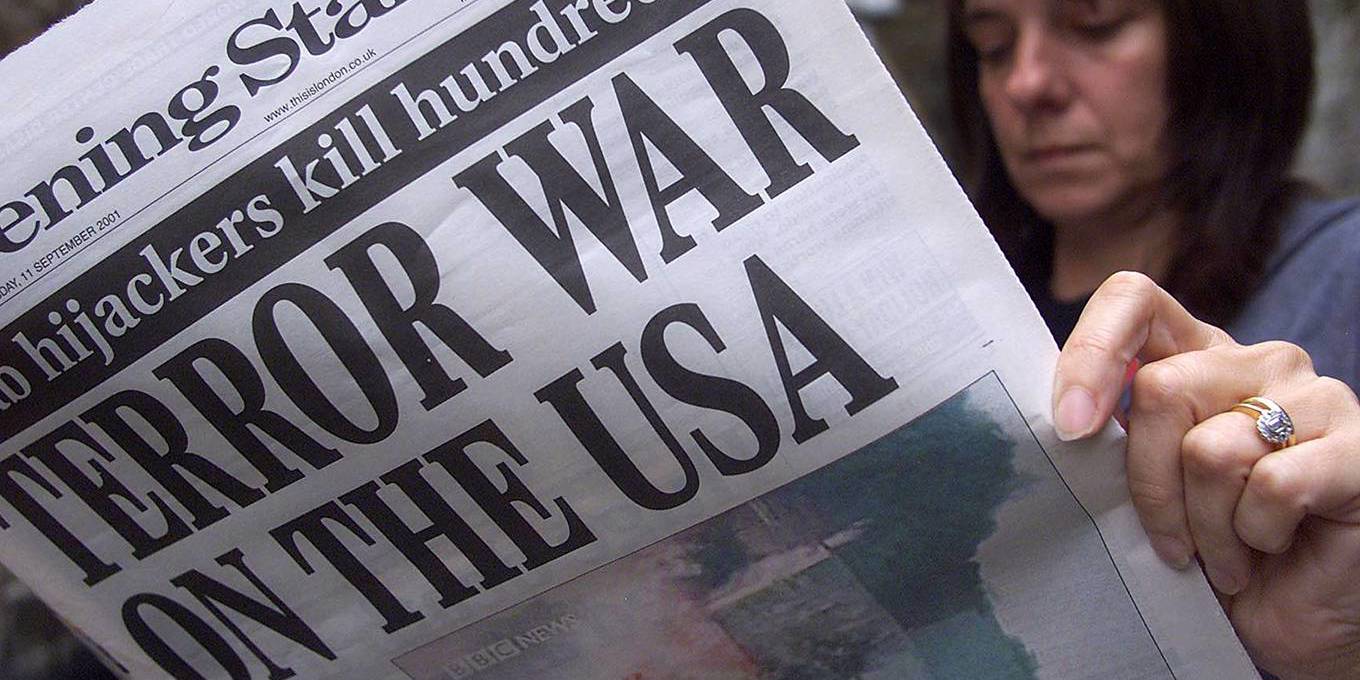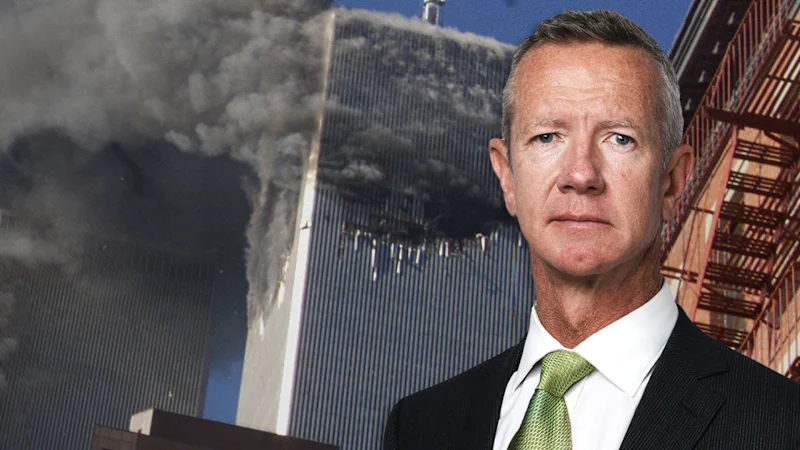
It was a blur of grey dawn, jetlag, and disbelief. After finally getting permission on the evening of Thursday 13 September 2001 to cross the Atlantic, the plane that my employer had chartered for a group of its journalists had landed.
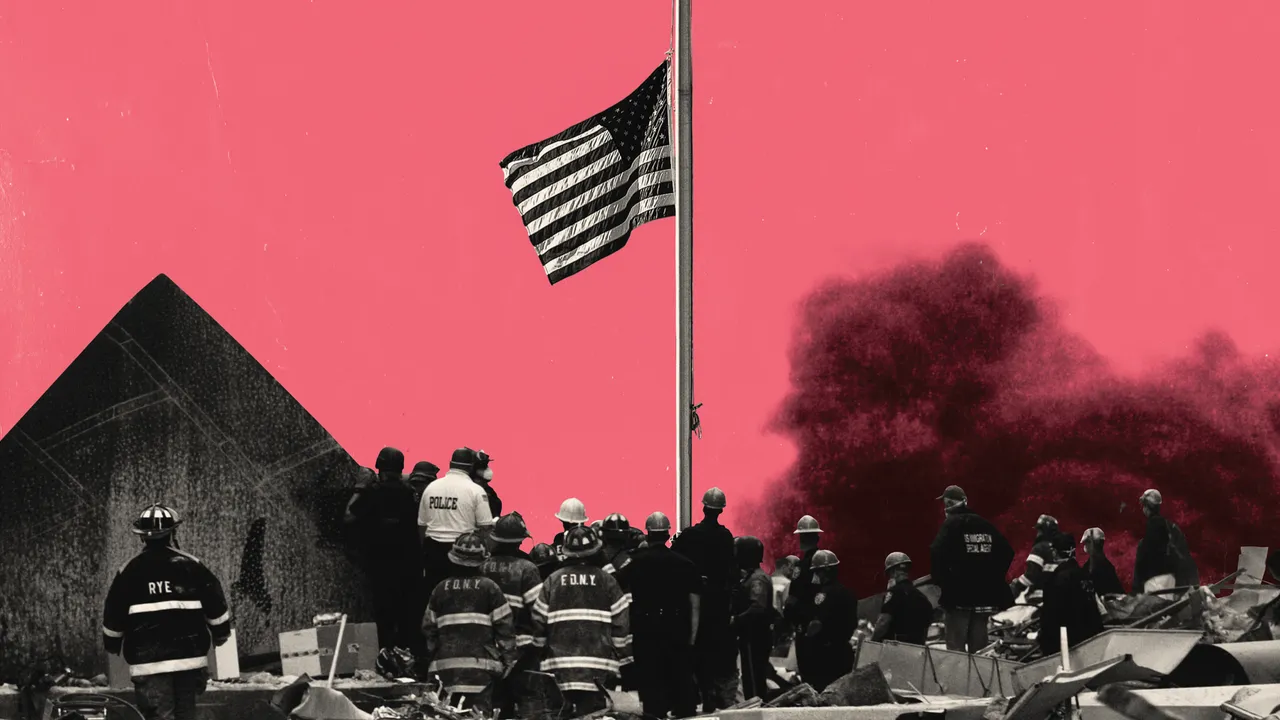
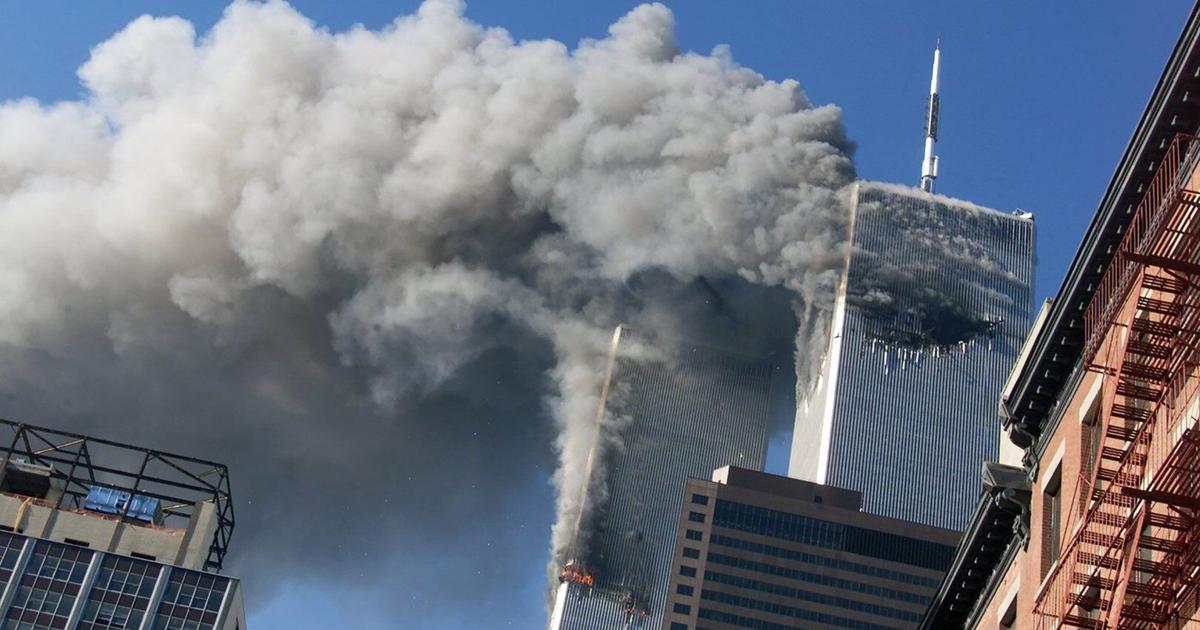
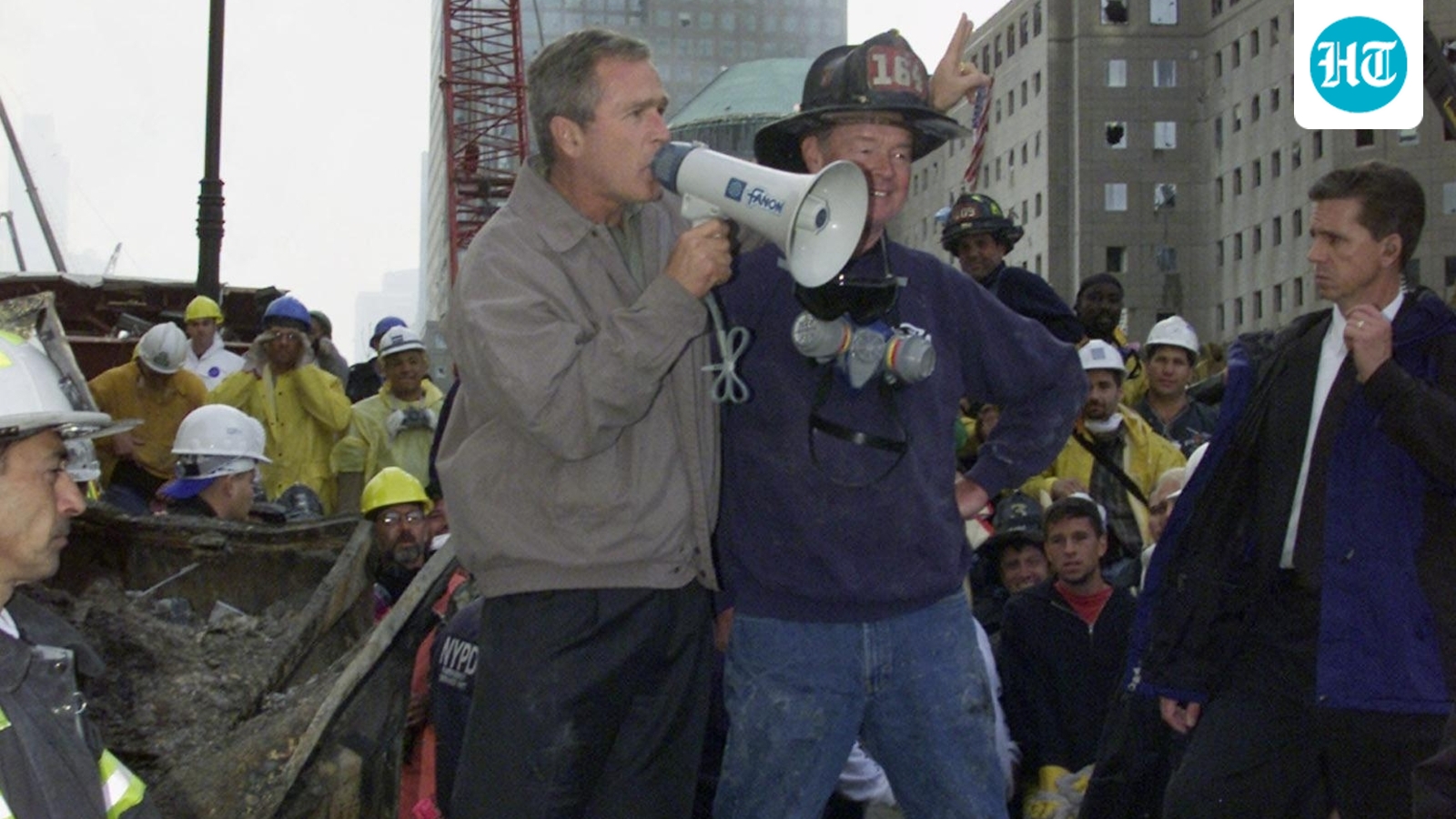
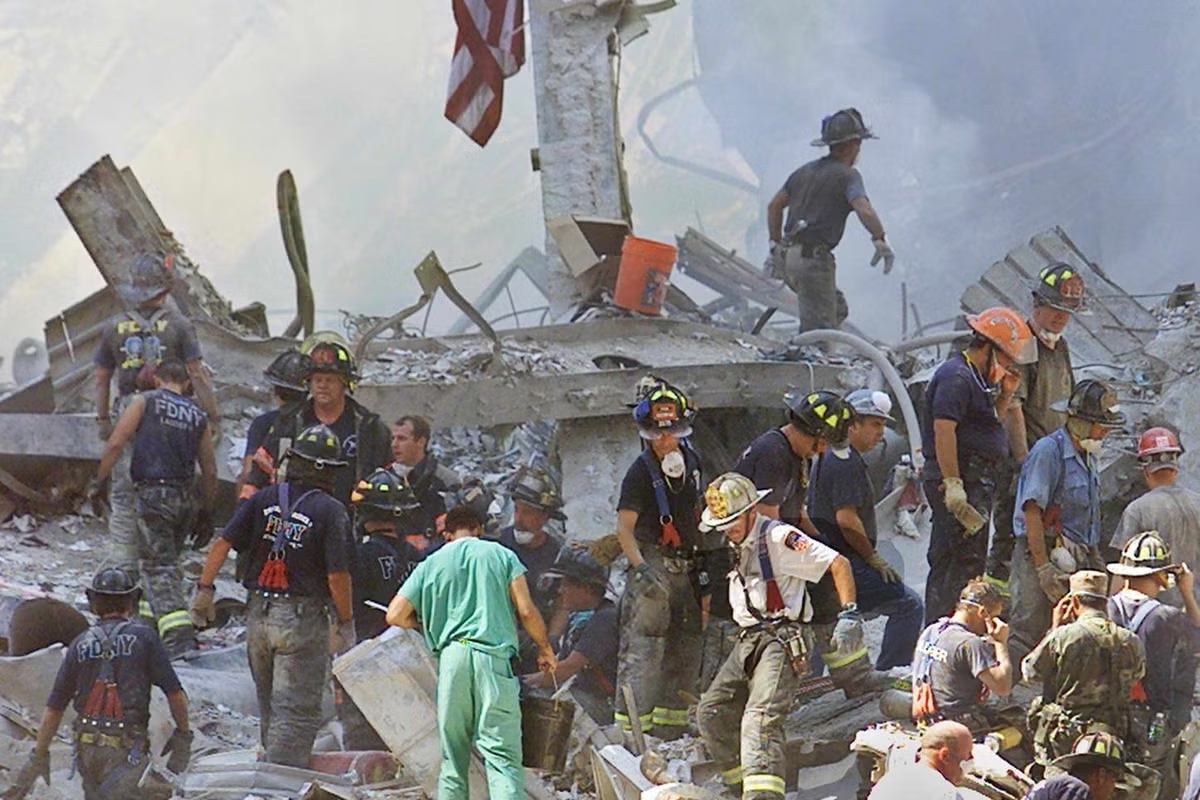
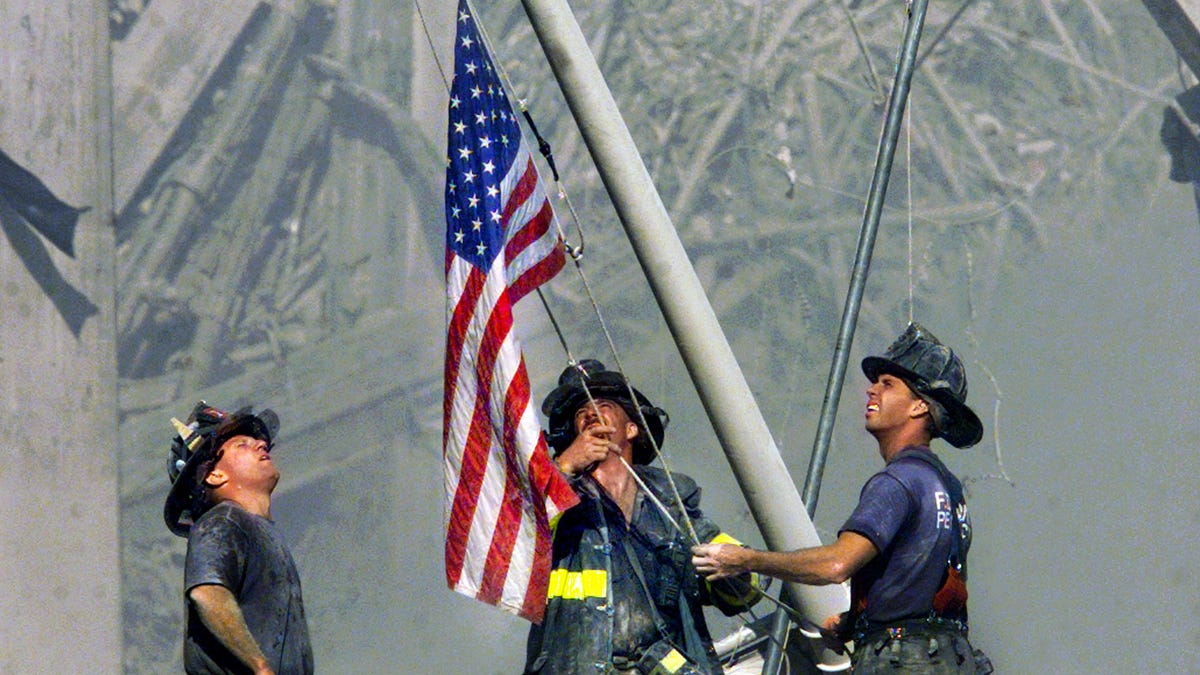
United States airspace was still closed. We had flown to Montreal. We continued by road. By late morning on Friday we were in Manhattan. I was able to approach the area where, until 72 hours earlier, the World Trade Center had stood. I broadcast live, describing what I could see and sense: smoke, sorrow, shock, and anger.
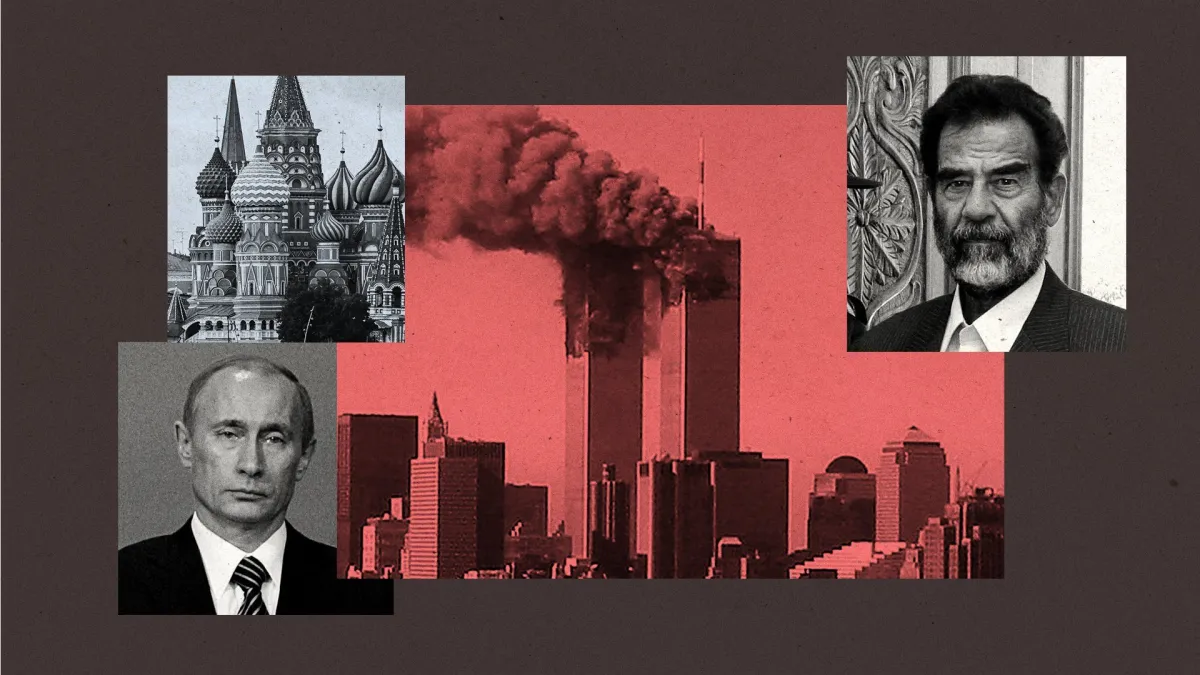
During those days I reported from New York, smoke still rose from the ruins. The following month I was in Moscow, to report on Russia’s reaction. Today, a quarter of a century later, the legacy of 9/11 has had huge consequences for relations between Moscow and the West.
It is a subject I have researched extensively in recent years.
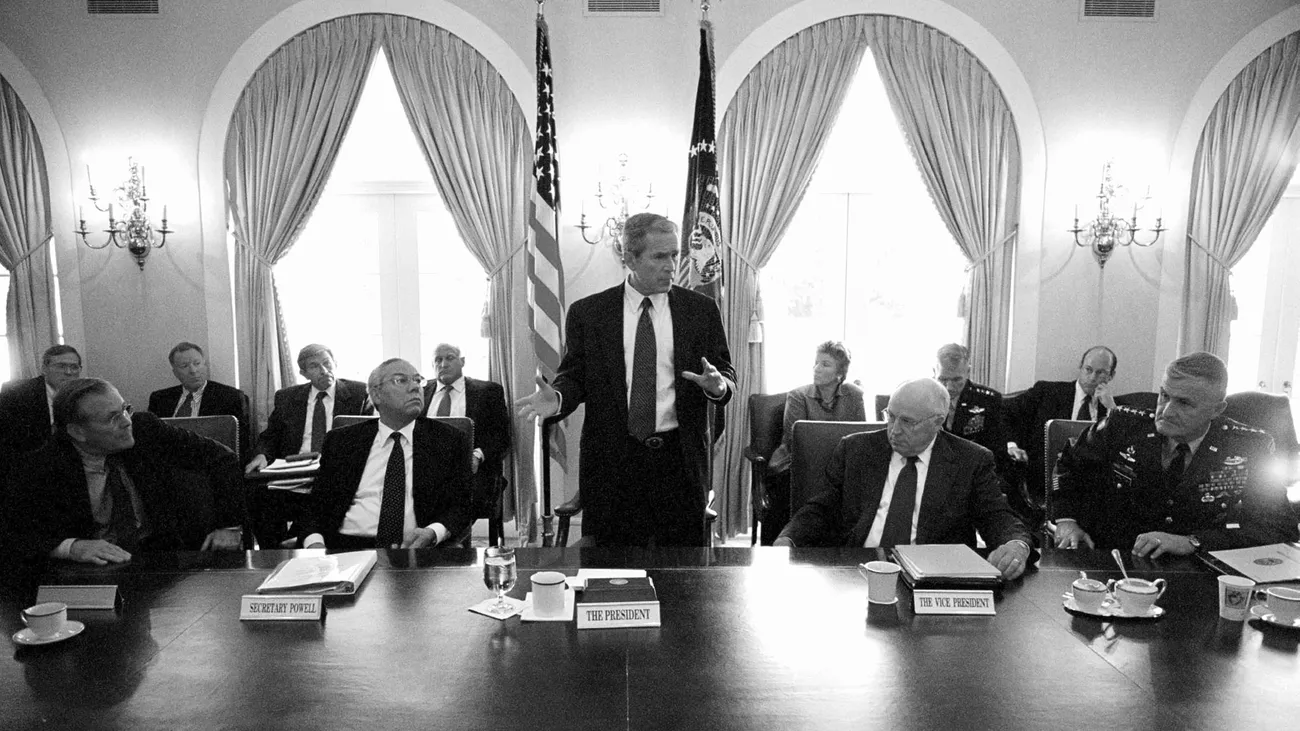
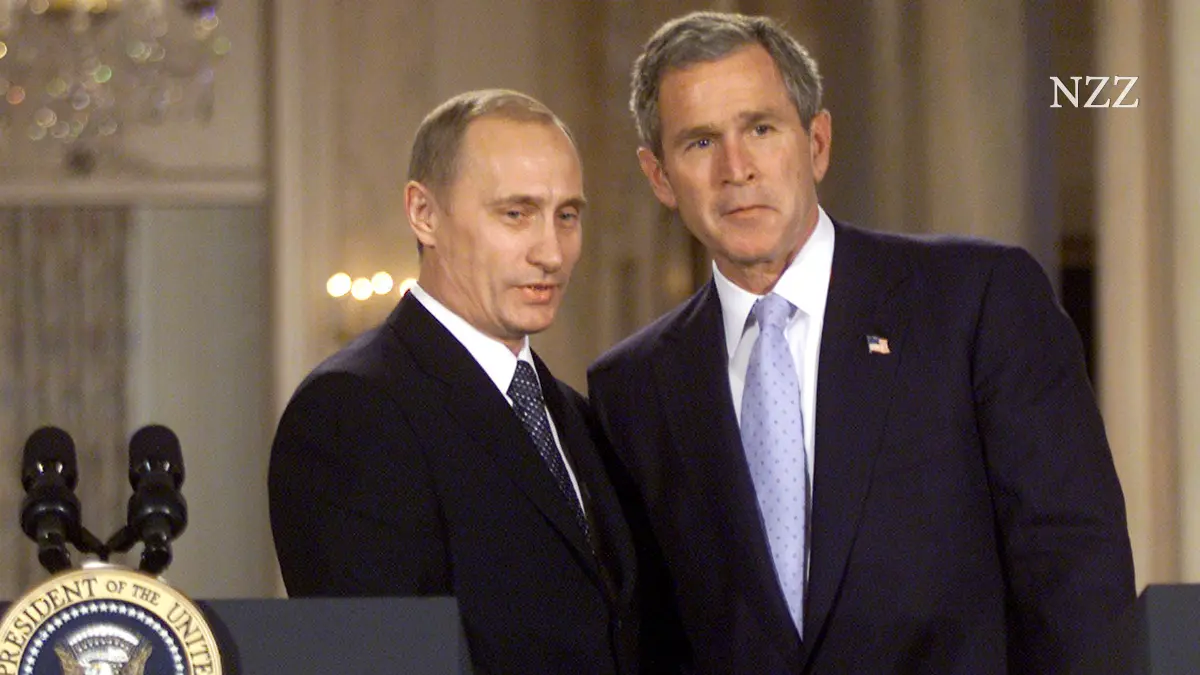
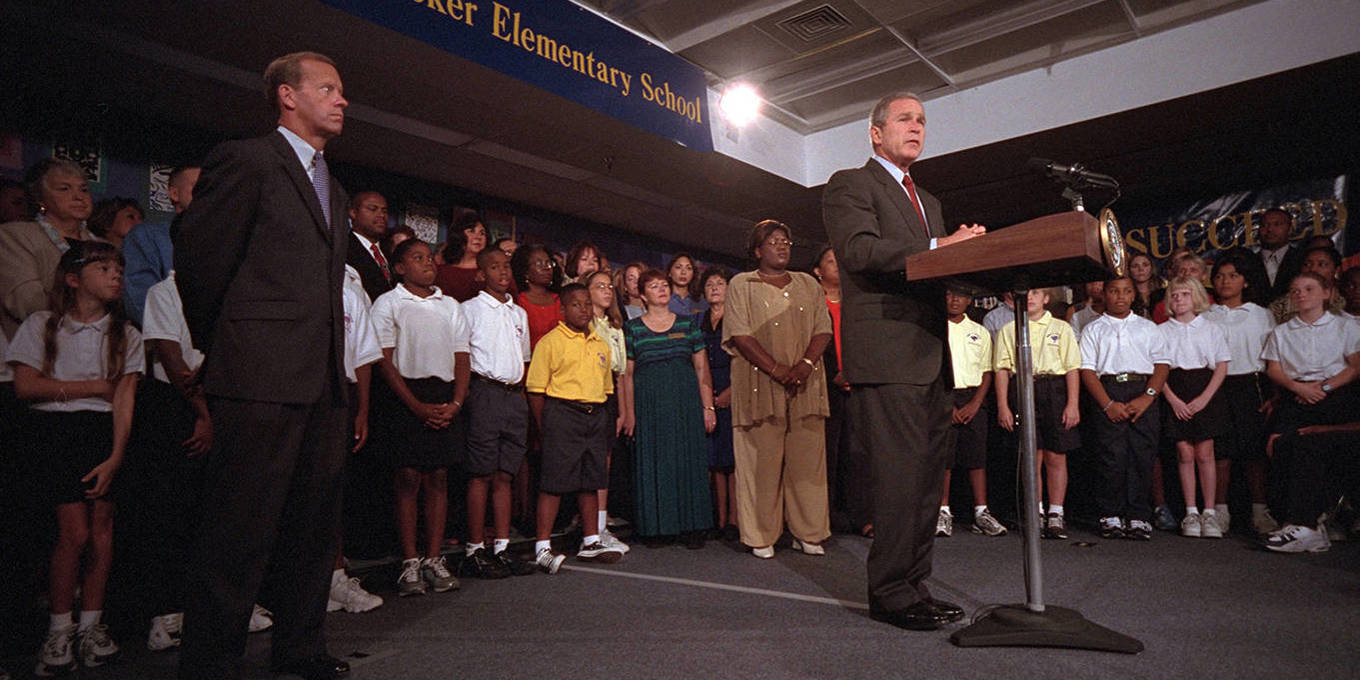
After 9/11, Vladimir Putin was the first foreign leader to call President George W Bush. He offered his support. In a televised address, he gave this public pledge, too: “In the name of Russia, I want to say to the American people – we are with you.”