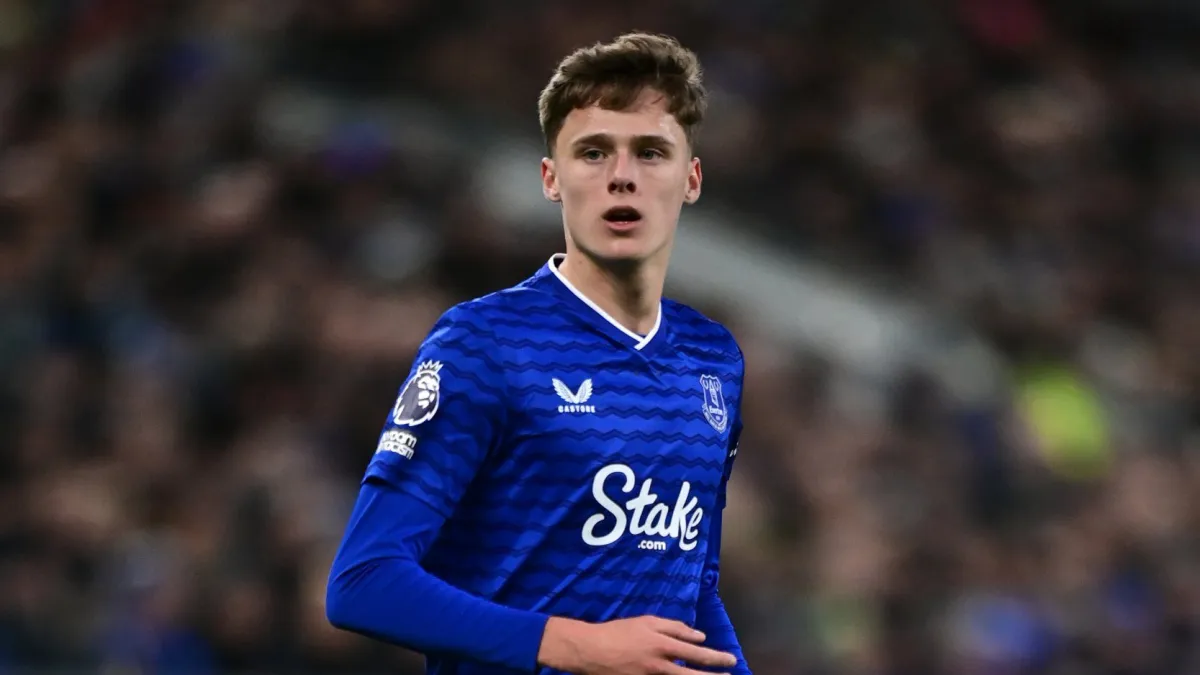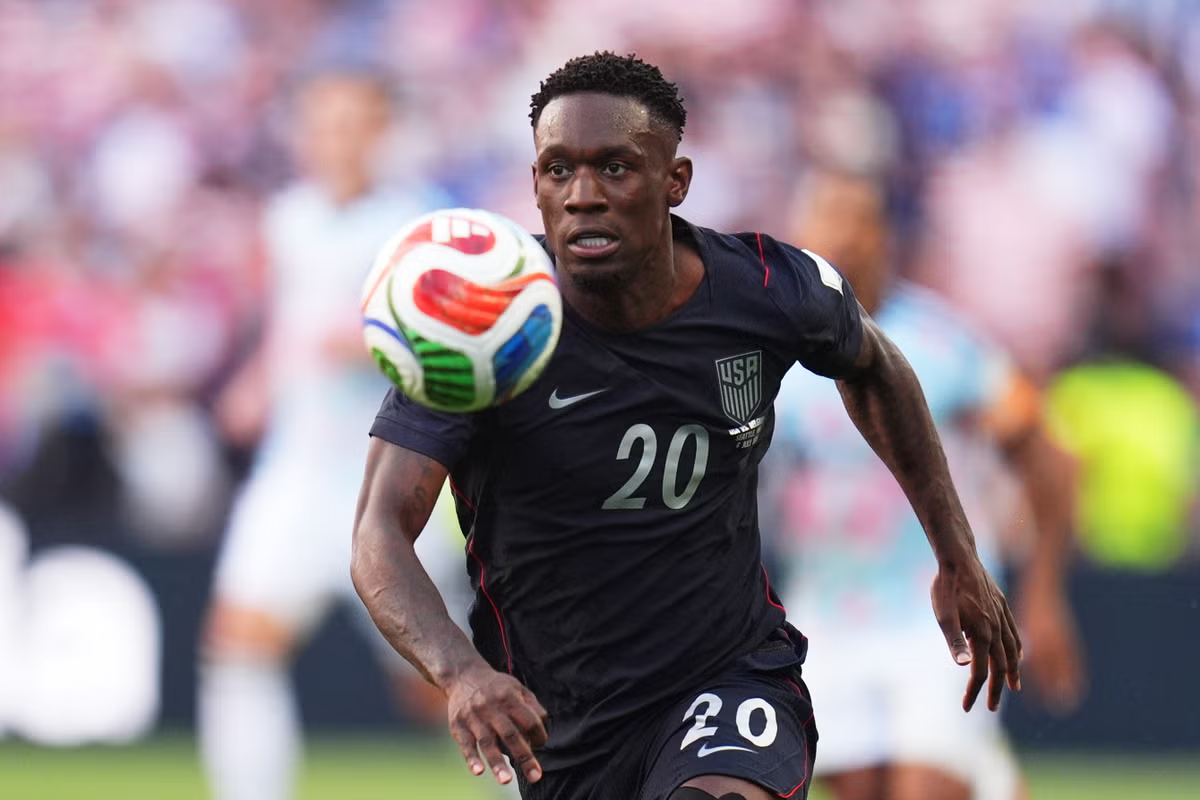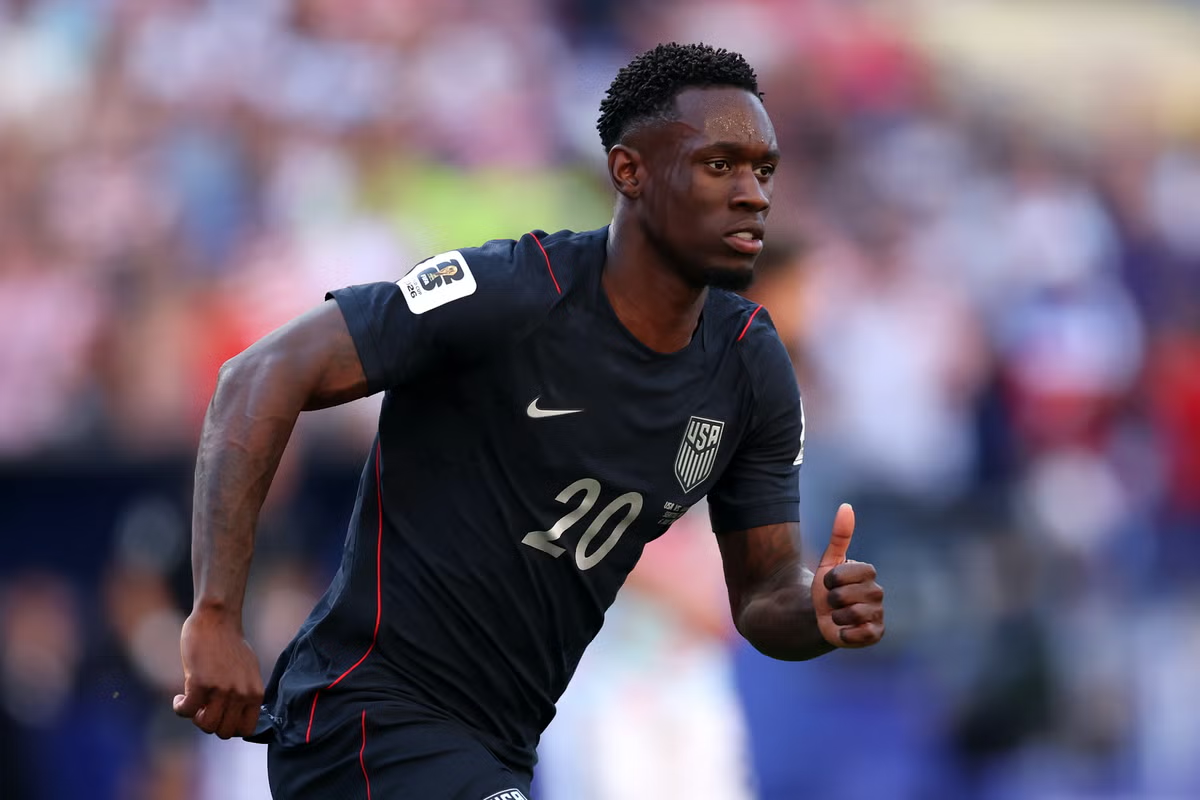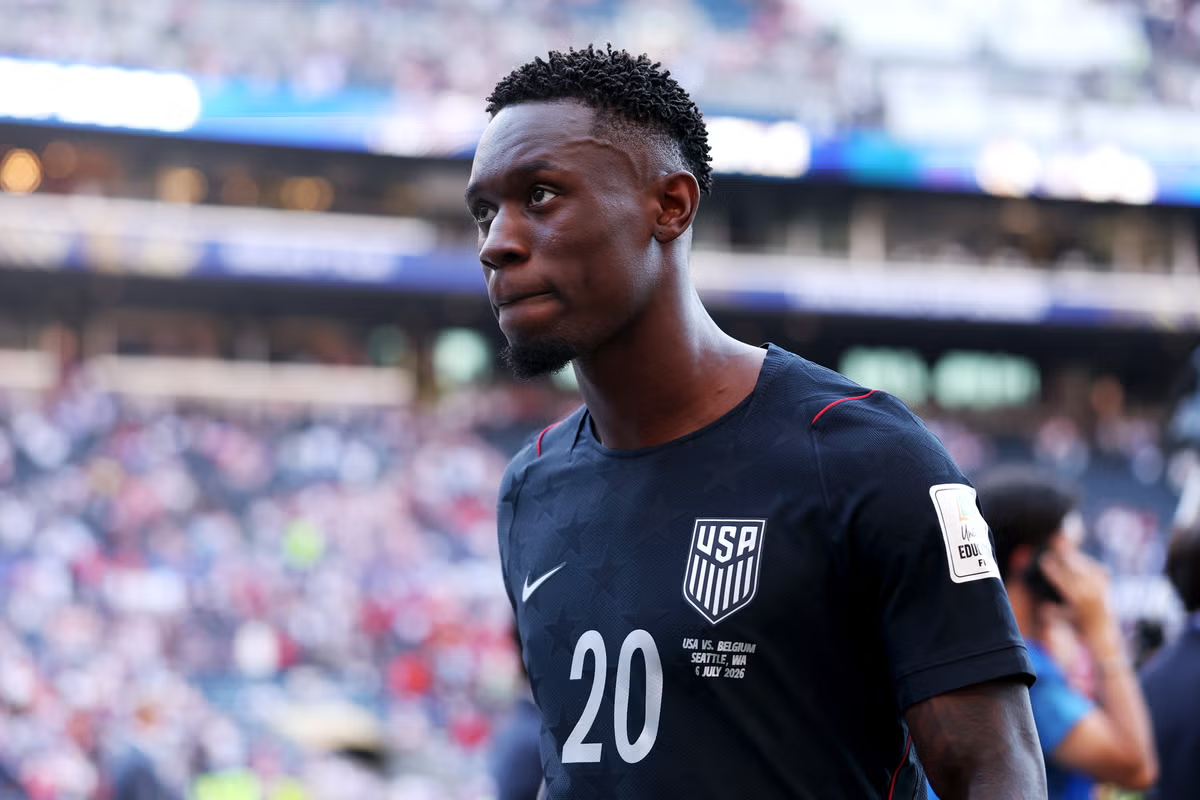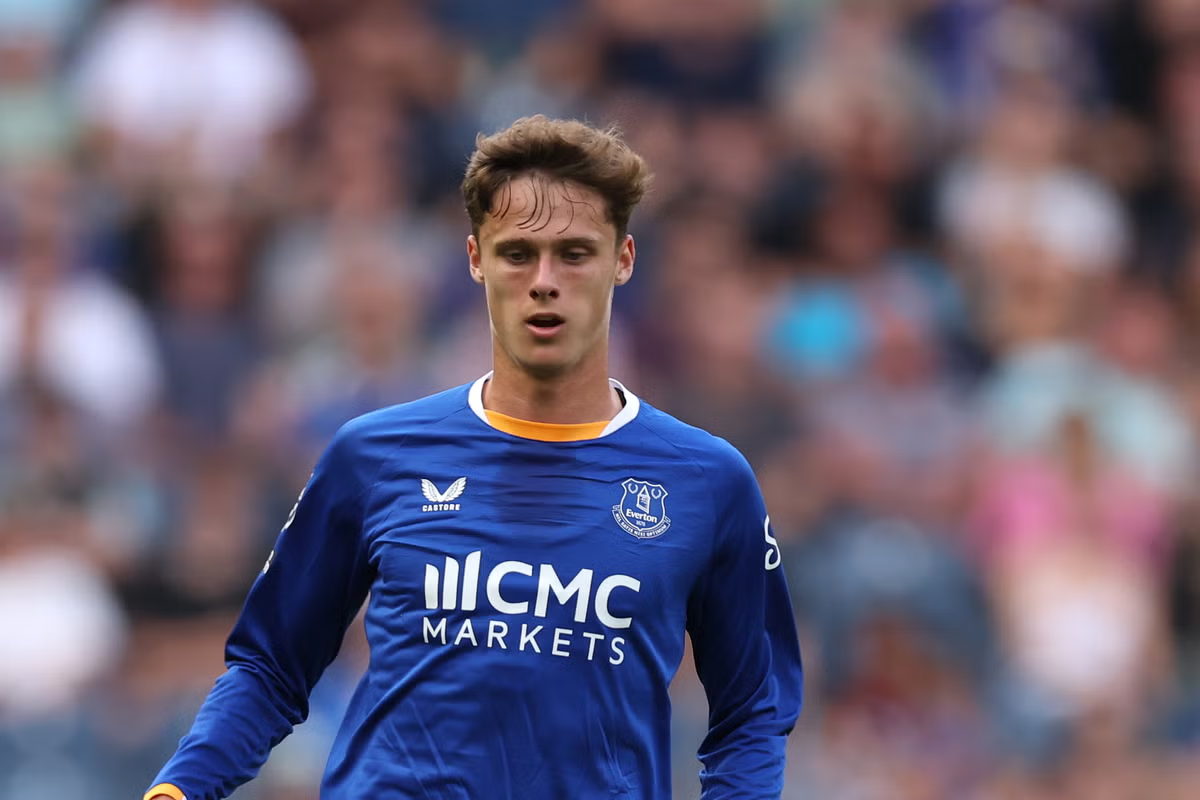
It’s rarely dull at Everton, is it?Recent days have seen fans protest against the potential sale of homegrown talent Harrison Armstrong, UMSNT striker Folarin Balogun snub a deadline-day move to Merseyside at the 11th hour and a host of departures, including the £65million ($88m) sale of Iliman Ndiaye to Manchester City.Some supporter groups have walked away from organising pre-match tifos for the foreseeable future due to the perceived lack of ambition shown by the club’s hierarchy and others are threatening to boycott food, beverage and merchandise vendors inside the ground.Jack Grealish returned. And Everton finally have a right-back.So, with the window closed and so much having gone on, time for a brief pause to come up for air?Not quite. The Athletic reported yesterday that the club’s American owner The Friedkin Group (TFG) is seeking fresh investment, most likely with a view to selling a minority stake.So, what is going on? Should Everton fans be concerned? And can a full takeover be ruled out entirely?The Athletic’s Patrick Boyland, Matt Slater, James Horncastle and Chris Weatherspoon have gone in search of some answers.So does this mean Everton are for sale? The cute answer is to say “yes” because most clubs are a little for bit for sale all the time. But it is the actual answer in this case because TFG has — very subtly — made it known in U.S. sports business circles that it is in “make us an offer” territory with Everton.The real question is how much of Everton is for sale. Nobody is saying anything on the record but several sources — all speaking off the record to protect relationships, like others cited in this article — have said Plan A is to find a junior partner to share the burden of restoring Everton to contender status. Neighbours Liverpool having just announced the sale of a large minority stake to a high-profile and uber-rich consortium may have planted a seed.But The Athletic has spoken to other sources who believe TFG is actually looking for an exit. This might be a two-step process, of course, with the next custodians initially coming in as minority partners. Again, the Liverpool example could be a clue here.Everton were moving into a new stadium when TFG took over and in a tricky financial position. There was an immediate upside to anyone who could quickly sort out the club’s debts and stabilise the operation.The Friedkins have done that. Maybe now is as good as it will get for them on Merseyside in terms of a return on their investment. Maybe they have seen enough to know that getting Everton back to where they were in the mid-noughties, when they regularly qualified for Europe, will cost more than they expected. They must know that getting Everton back to where they were in the mid-1980s, when they were one of the best teams in Europe, is probably beyond even TFG’s considerable resources.Matt SlaterWhy are The Friedkin Group looking to sell a stake so soon after taking over? The Athletic understands TFG’s current position is unrelated to the group’s agreement with the National Hockey League (NHL) to found an expansion team in their home state of Texas and build an arena for it.The expansion fee and cost of such a facility have been reported to be $3.5billion. But sources claim TFG does not need to sell a stake in Everton to help fund its plans to enter the NHL. This is a company that reported more than $15bn in revenue in the last financial year.That said, Premier League ownership is cash intensive. Everton are still loss-making — they would have been nearly £60million in the red in 2025 but for the near £50m intra-group sale of their women’s team and Goodison Park — and there is a general sense it would be a huge financial undertaking to get them to a point where they are regularly competing for Champions League qualification and silverware. They were also recently ordered to pay Burnley around £40m in compensation due to a past regulatory breach.In that context, it is perhaps easier to see why additional external investment, at whatever level, would appeal.It also remains to be seen whether the disappointing end to the transfer window, and negative fan sentiment, will leave a lasting mark.Patrick Boyland and James HorncastleHow much would the club be valued at?Club valuations are tricky, not least because they regularly bear little relation to football’s financial reality.English clubs, even in the richest league on the planet, routinely lose millions, are subject to wholly inadequate cost control regulations, do not pay dividends, and are increasingly reliant on stakeholders propping them up. Yet sale prices keep rising, with investors either incognisant of the costs involved or just imbued with the belief they themselves will find someone else to flip to for profit at a future date.Roundhouse Capital Holdings (RCH), the UK-based investment vehicle which TFG owns at least 75 per cent of, bought Everton for £331.3million in December 2024, comprised of £25m for the shares, £251.9m in debt repayment, £12.1m of transaction costs and £42.3m in deferred consideration that does not appear to have fallen due yet (and may not).Since then, a further £107million in equity cash has flowed into RCH and, in all, the group — which includes minority shareholders Christopher Sarofim and Jason Kidd — is in on Merseyside for £400m to date. At at least a 75 per cent holding, TFG’s minimum committed would be £300m, but they sold minority stakes to Sarofim and Kidd in April 2025 for undisclosed sums, making measurement of their outlay at Everton difficult to unravel.In keeping with how the industry currently works, Everton would be valued at far more than that now, even as they lie well south of England’s elite club valuations. Hill Dickinson Stadium is an obvious asset and the financial distress the club found itself in under former owner Farhad Moshiri has significantly eased.Everton played their first competitive game at Hill Dickinson Stadium at the start of last season (Carl Recine/Getty Images)
Explained: Are Everton for sale? Why is The Friedkin Group looking for new investors?
The club’s American owner The Friedkin Group is seeking fresh investment, most likely with a view to selling a minority stake
2,572 words~12 min read