As the Bible study session wrapped up, leaving worshippers to mingle over cake and coffee, Fatemeh, 44, fought back tears as the conversation turned to Sunday’s state election in Saxony-Anhalt.“I worry about it every day,” she said. “I can’t stop thinking about my son and what might happen to us.”Three years ago she fled Iran with her son after he was stopped by police during a protest over the death in police custody of Mahsa Amini. They ended up in Saxony-Anhalt, where, as they await a final decision on their asylum claim, she has watched him blossom into a gifted athlete and develop a knack for repairing vehicles.
Fatemeh worries about what might happen after the elections. Photograph: Christian Jungeblodt/The Guardian
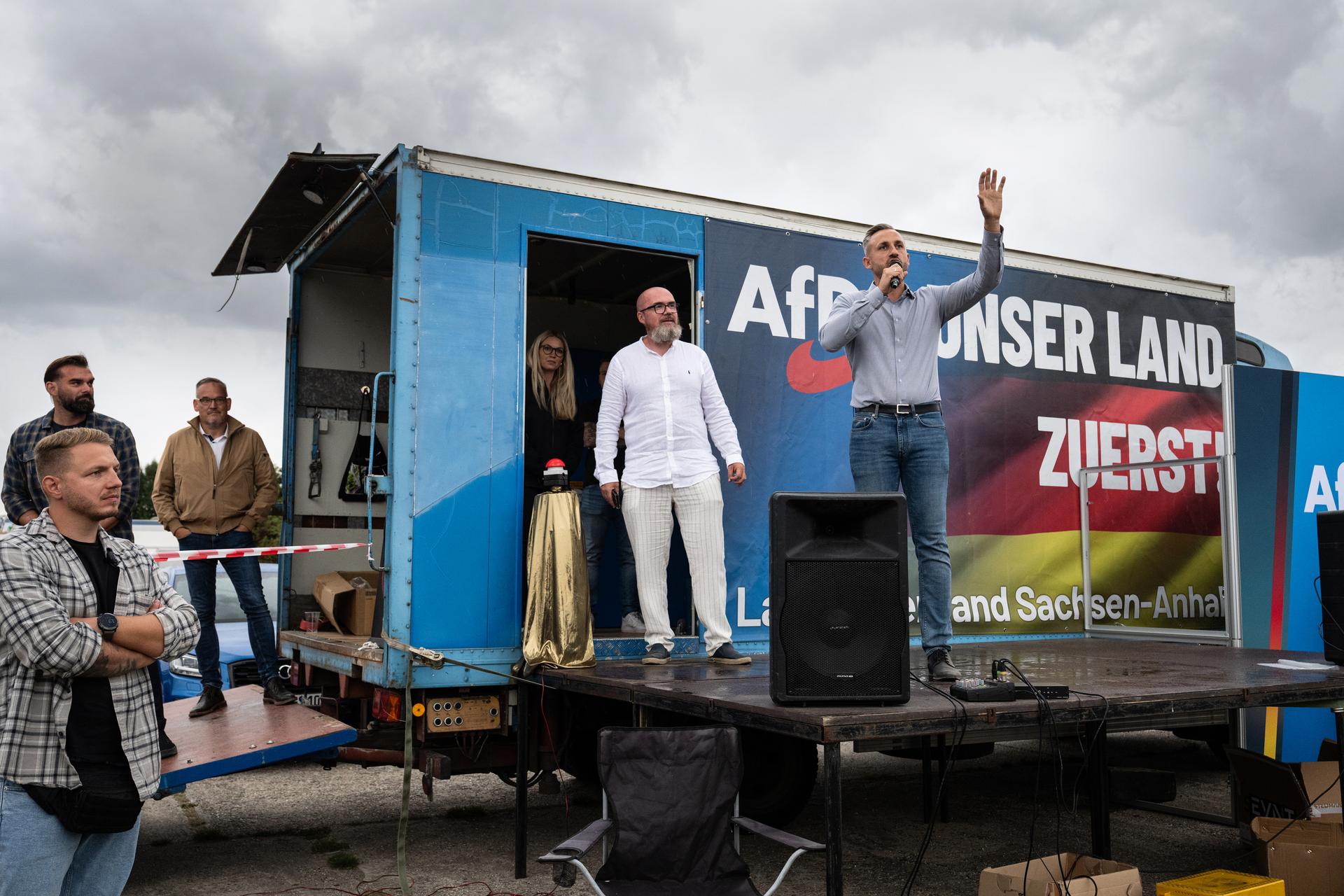
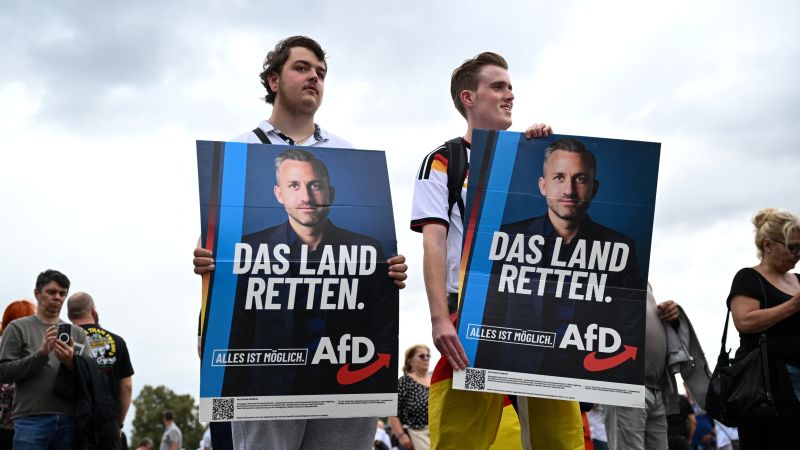
Looming over their lives, however, are the politics of Saxony-Anhalt. Polls have suggested that the election on Sunday could yield Germany’s first-ever state government led by the far-right Alternative für Deutschland (AfD), shattering a postwar taboo and leaving Fatemeh and her son’s fate in the hands of a party that has promised to launch deportations “from day one”.That possibility has left her racked with worry. “They might send us back to Iran,” she said. “As a converted Christian, that could mean the death penalty for me.”It was a glimpse of the stakes at play in the election. Polls suggest the state’s AfD, whose antisemitic, anti-Islam and anti-migrant discourse has contributed to authorities classifying the party as “firmly rightwing extremist”, is poised to win the most votes.