Academia
Indonesia must stop selling cheap land and labor—and start building high-performing, sustainable industrial ecosystems that modern global investors actually want.
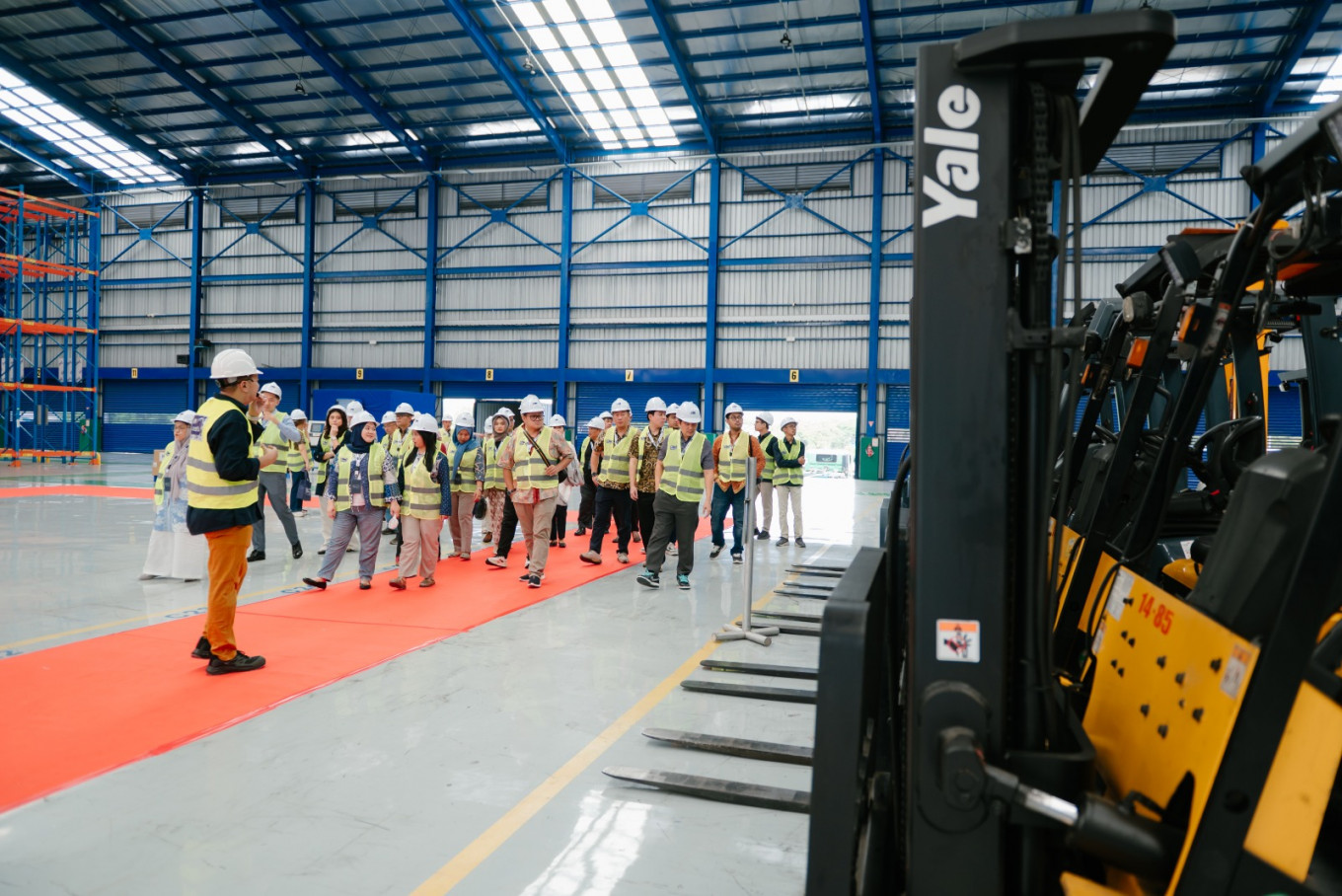
Guests visit the Marunda Flow Center during its launch ceremony at KBN Marunda Industrial Estate in North Jakarta, on May 13, 2025. Supply chain specialist APL Logistics operates the 32,000 square meters distribution facility. (Courtesy of APL Logistics/-)
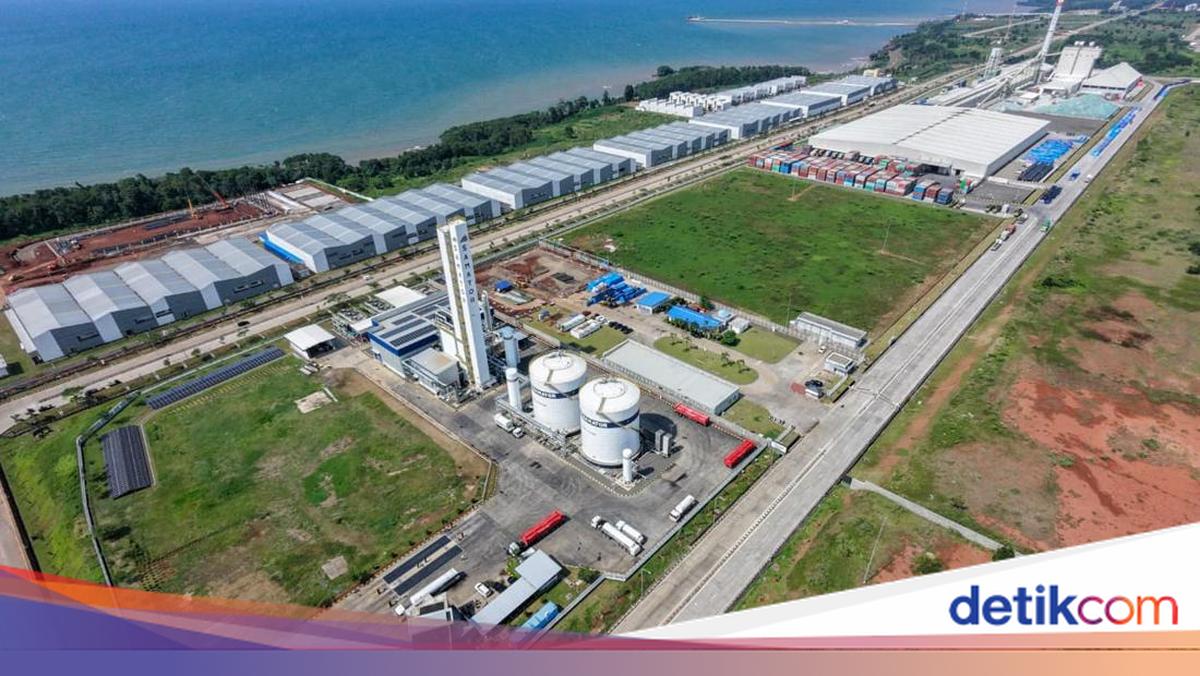
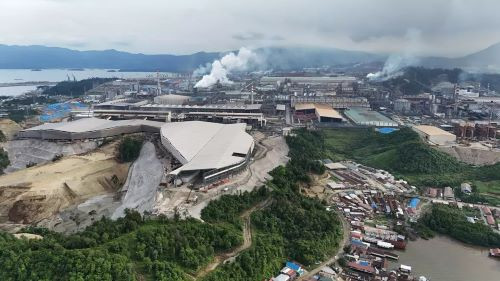
By mid-2026, Indonesia's industrial footprint reached 179 estates across nearly 100,000 hectares, housing roughly 11,970 companies, according to the government data. Backed by over Rp 6.74 quadrillion (US$380 billion) in realized investment and supporting around 2.35 million direct jobs, these hubs serve as vital employment anchors across the country.Yet sheer scale obscures a critical question: What does success actually look like for an industrial estate today?
For years, measuring success meant tallying up land area, occupancy rates, capital inflows and headcount. While still relevant, those metrics alone no longer cut it.