Commentary
The country is using its superpower of scaling and building supply chains to challenge the global industry, says Zijing Wu for the Financial Times.
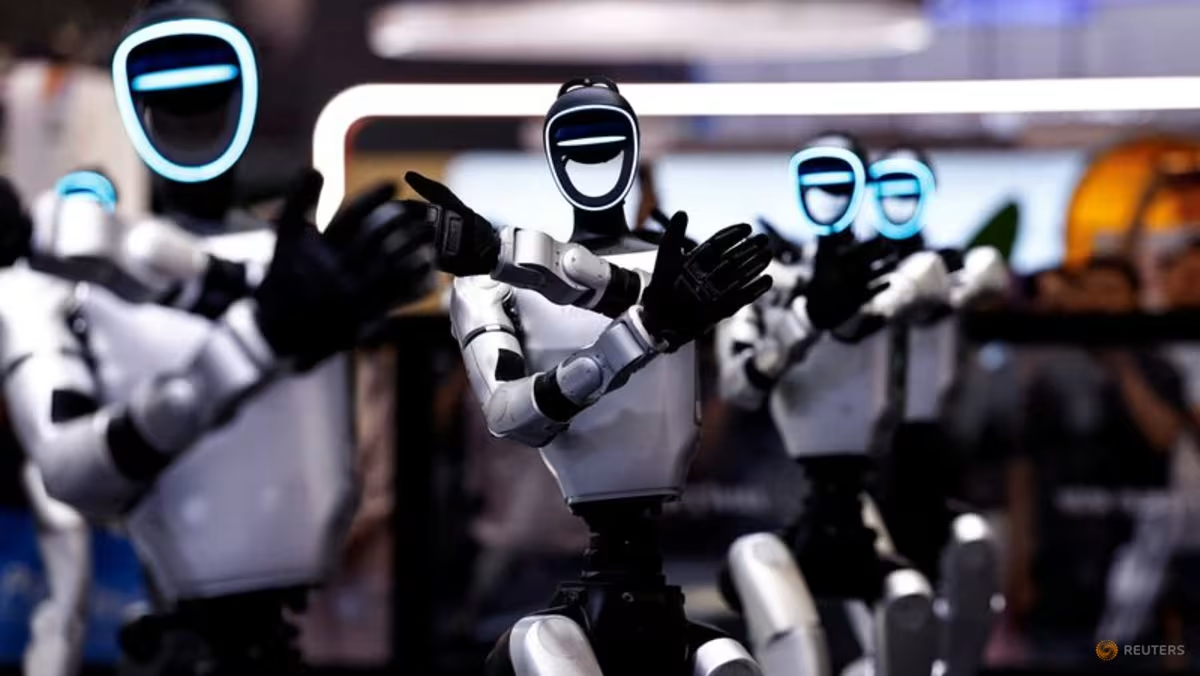
Humanoid robots by Unitree Robotics demonstrate a group dance during the 2026 World Robot Conference, in Beijing, China Aug 19, 2026. REUTERS/Tingshu Wang To Match Special Report CHINA-TECH/ROBOT
04 Sep 2026 05:58AM
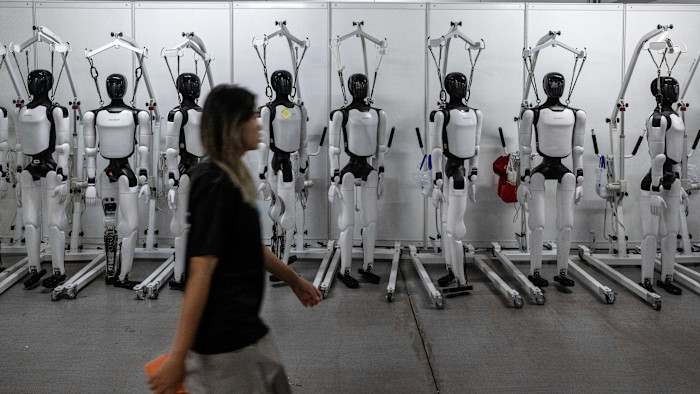
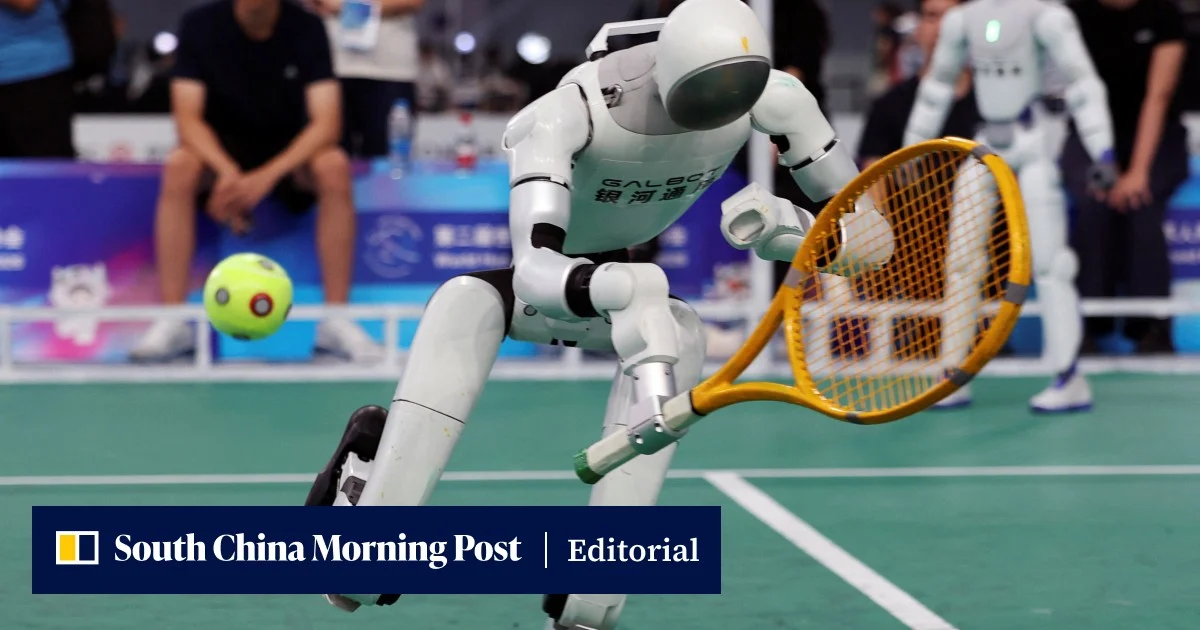
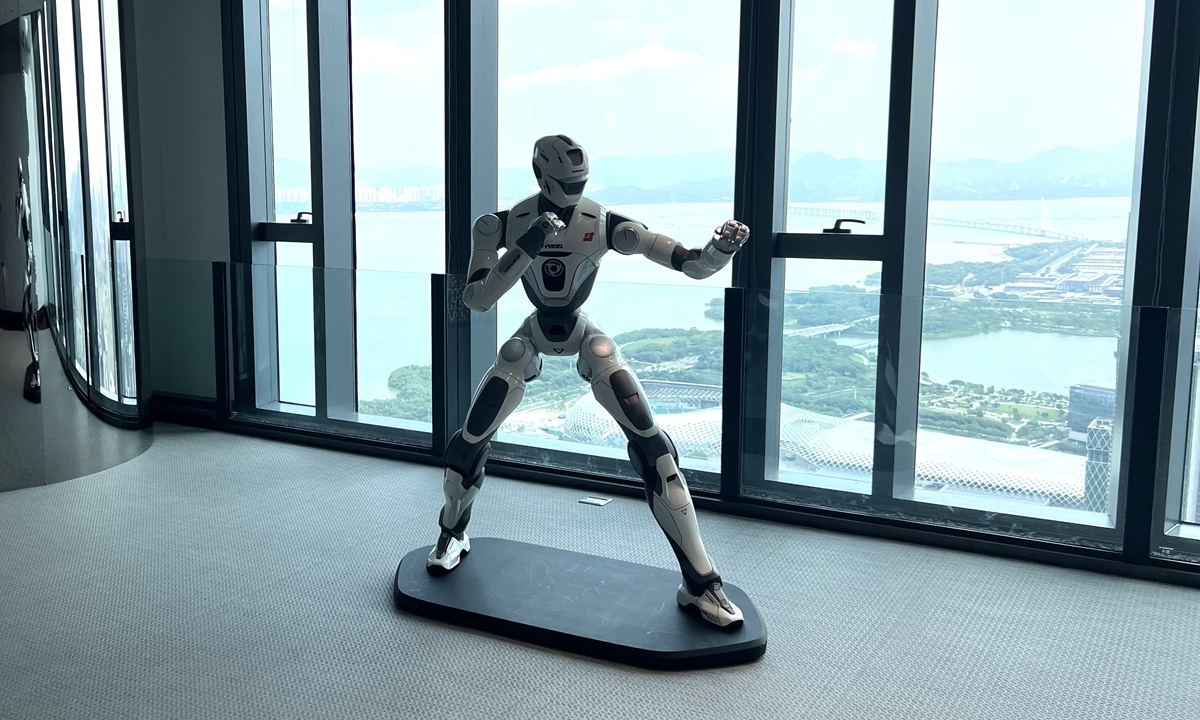
HONG KONG: The recent humanoid games alongside Beijing’s robotics conference at times resembled an expensive comedy reel - an array of robots stumbling, misidentifying obstacles, and executing tasks with toddler-like grace. But the striking spectacle served a purpose - drawing the world’s eyeballs further to the progress being made in robots, adding to a building hype. That buzz helped Unitree, the Chinese producer of humanoids that went viral earlier in the year on social media with their backflipping kung-fu bots, go public last month with a valuation at the end of its first day of trading exceeding 1,200 times its trailing earnings.Yet China’s real robot revolution has been happening with much less hoopla in industry. Rather than set sprinting records or breakdance, industrial robots do much more prosaic, repetitive stuff, but China is using its superpower of scaling and building supply chains to challenge the global market.