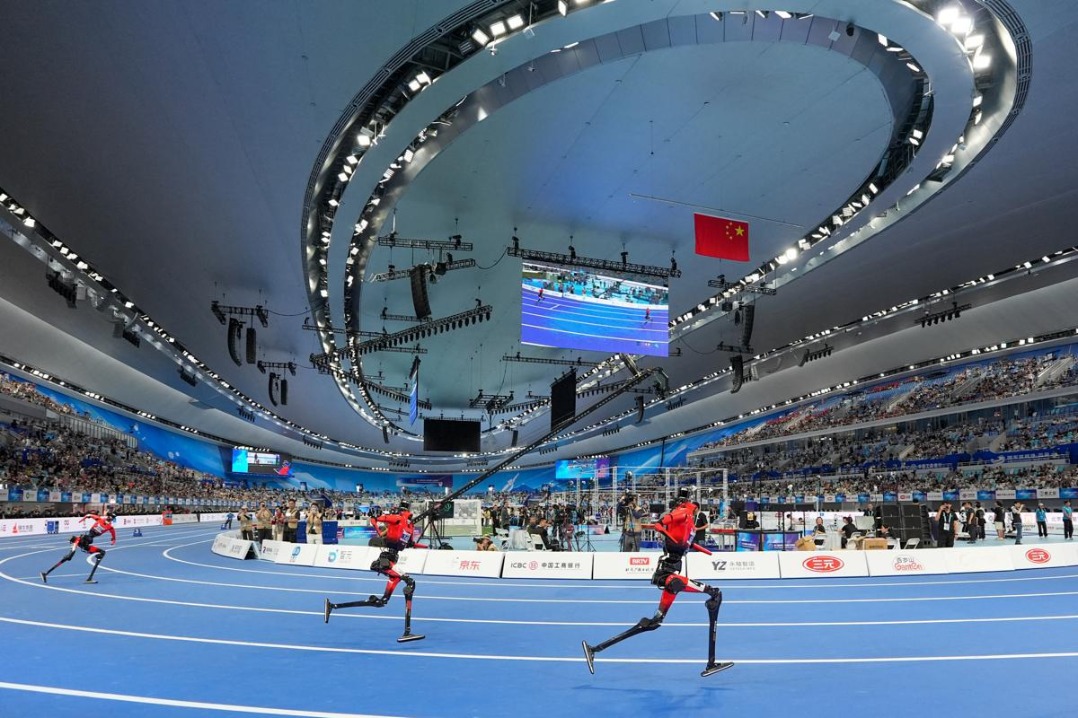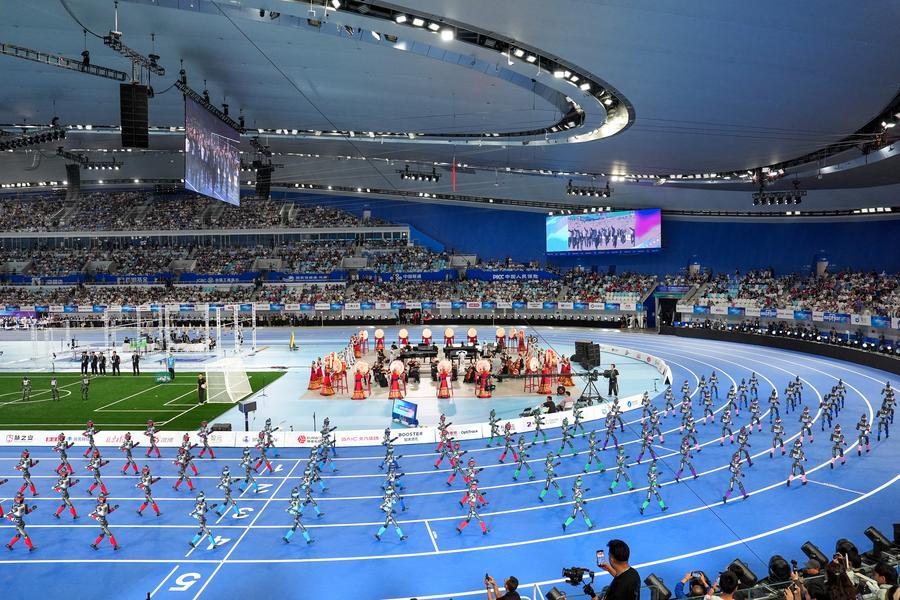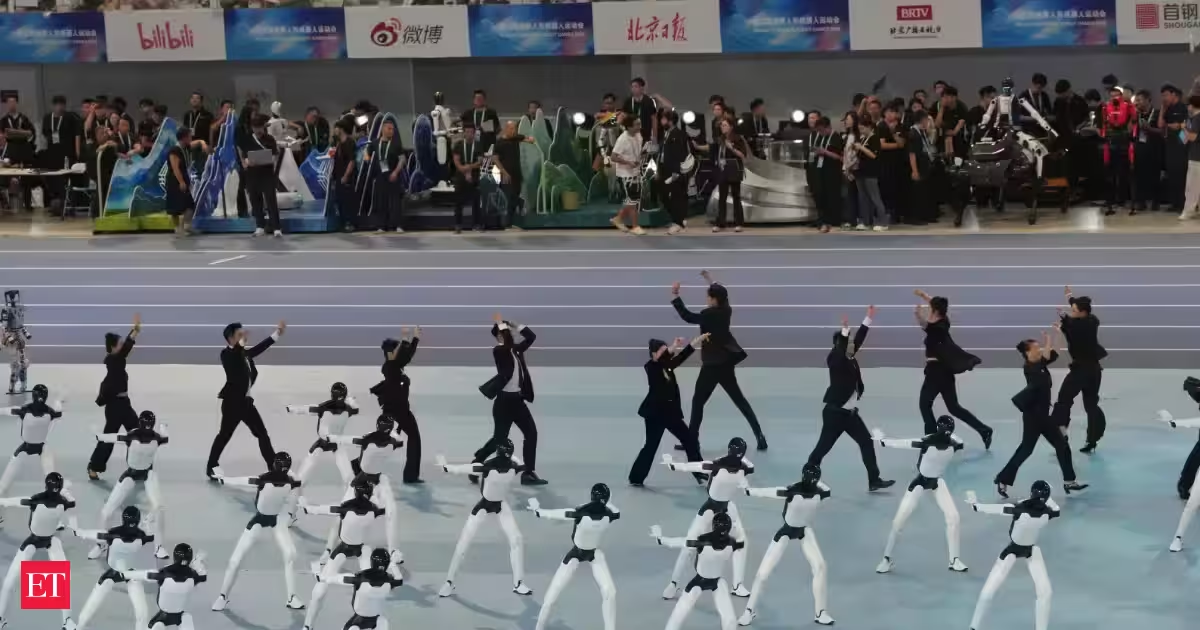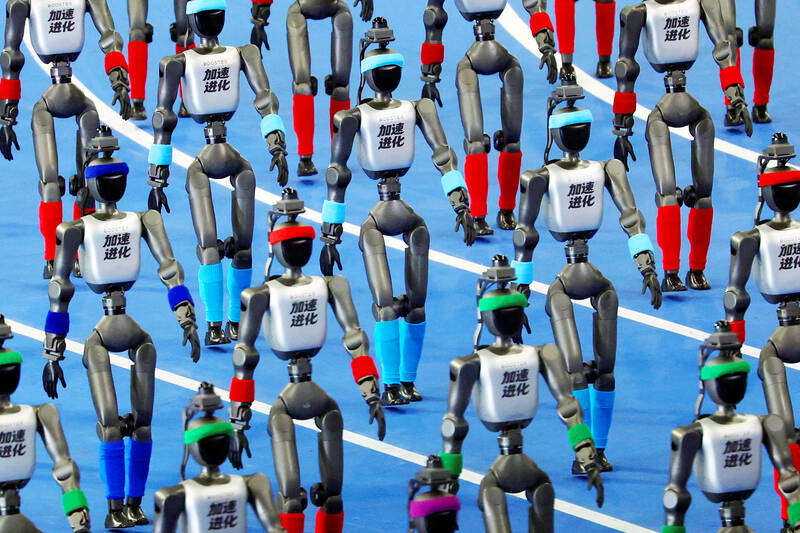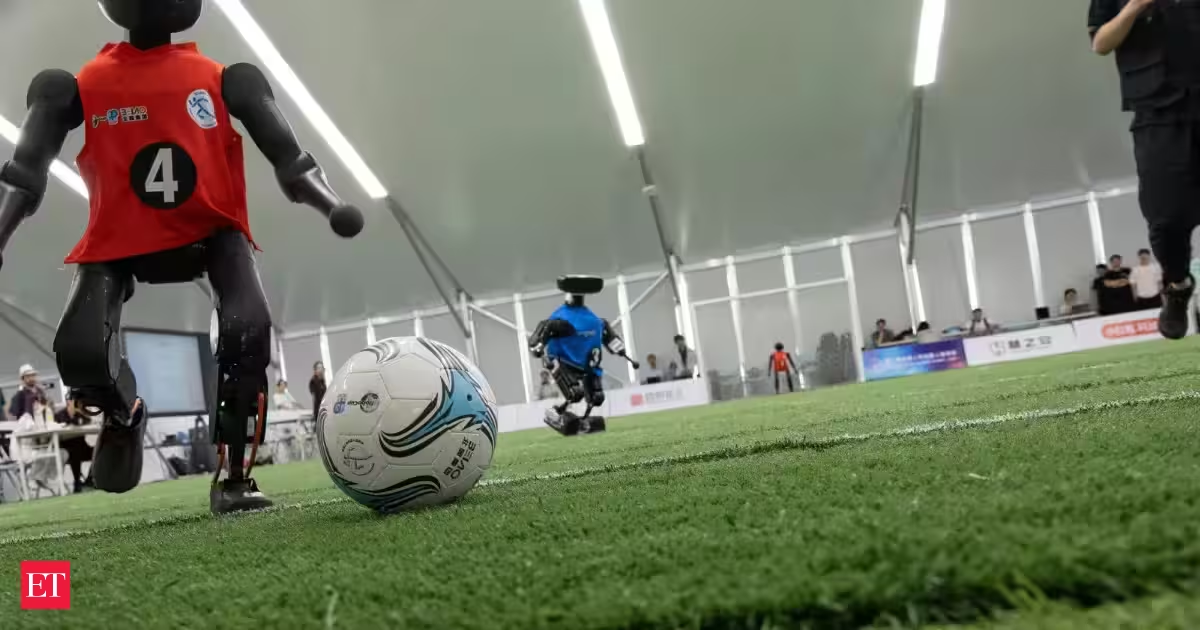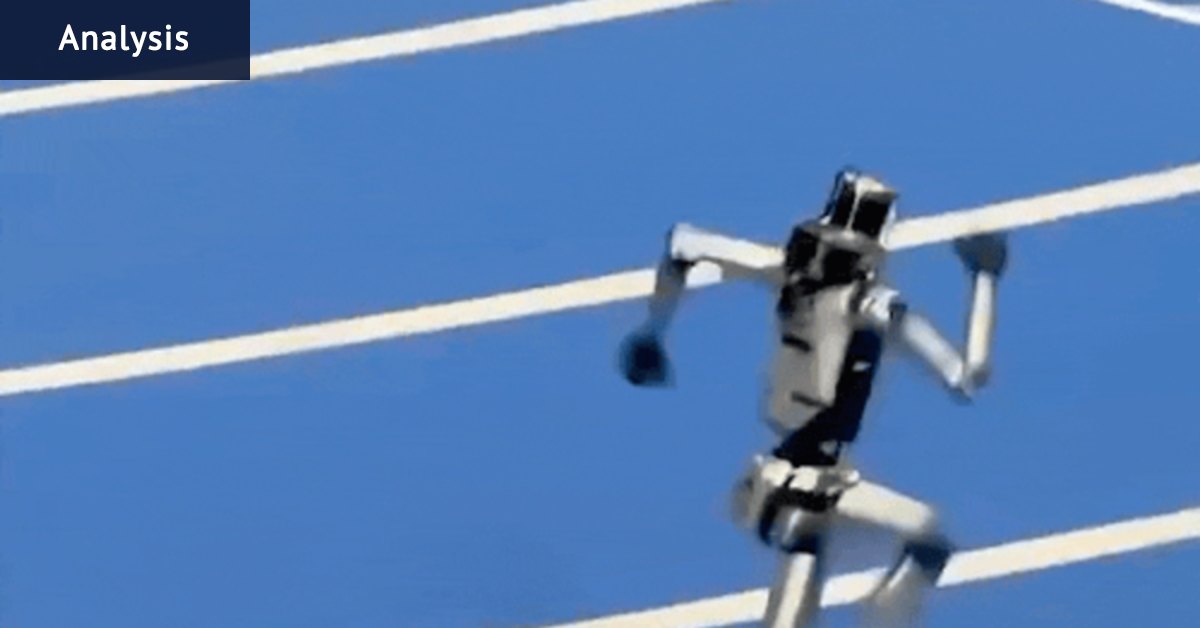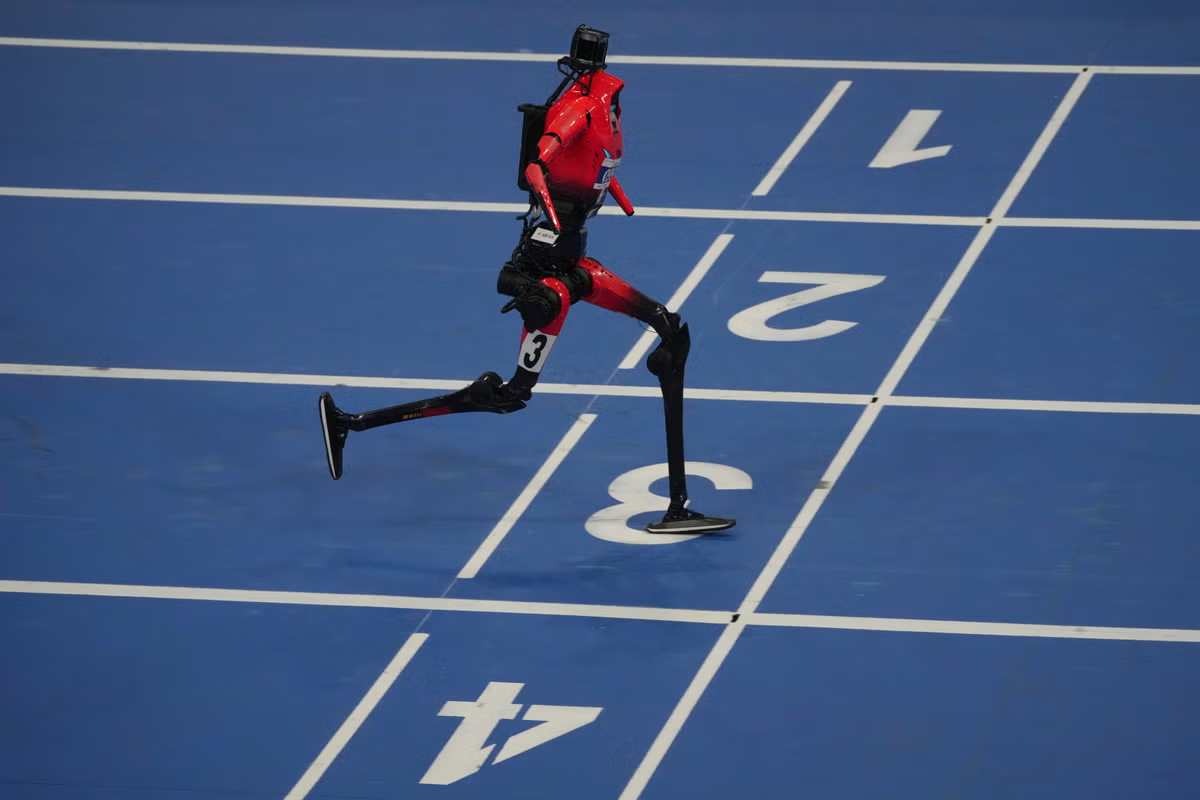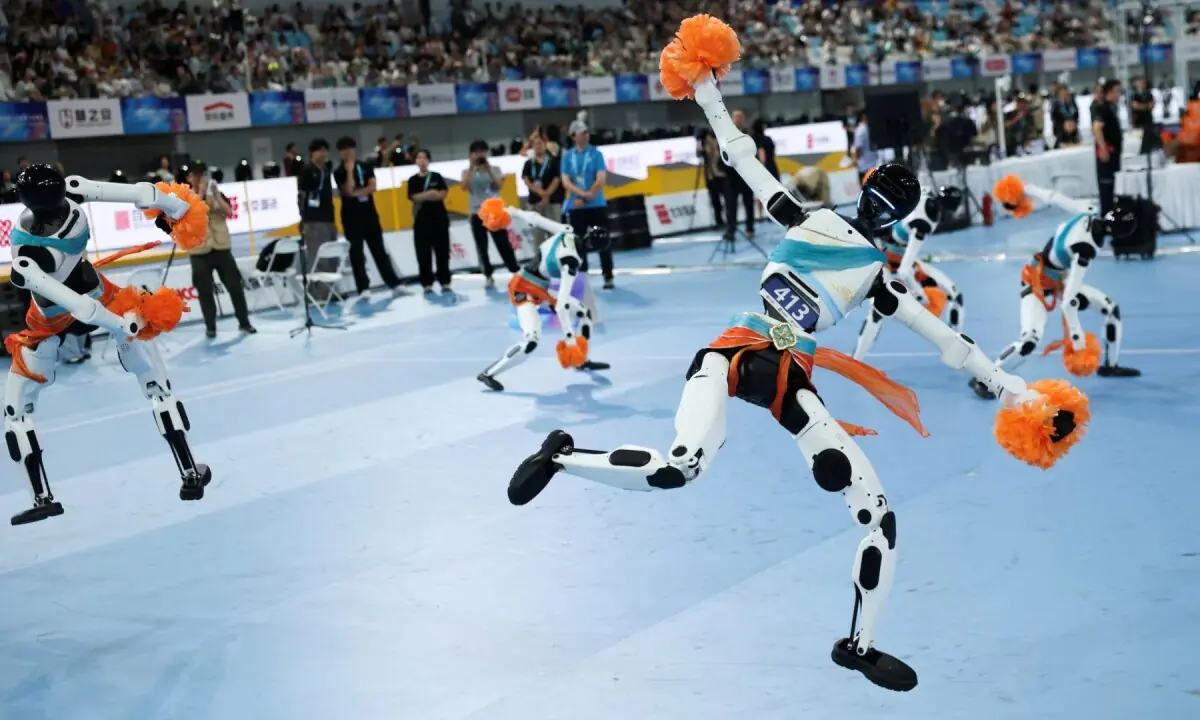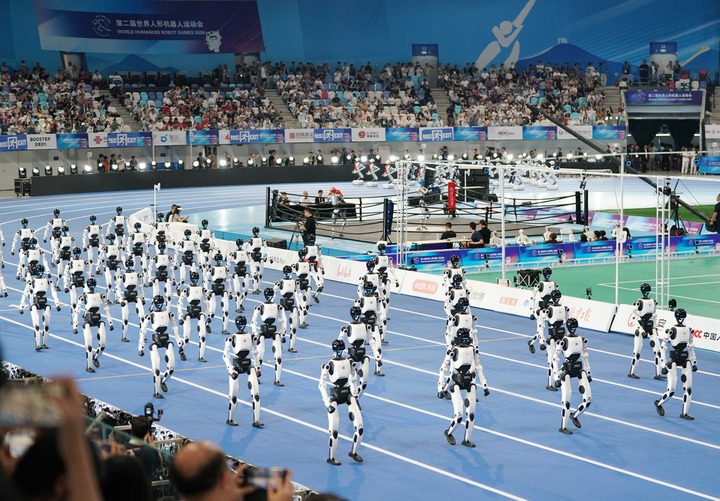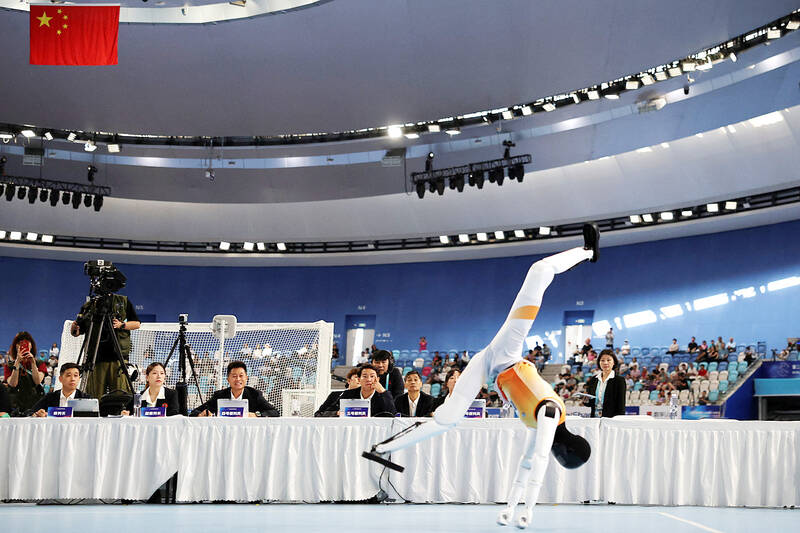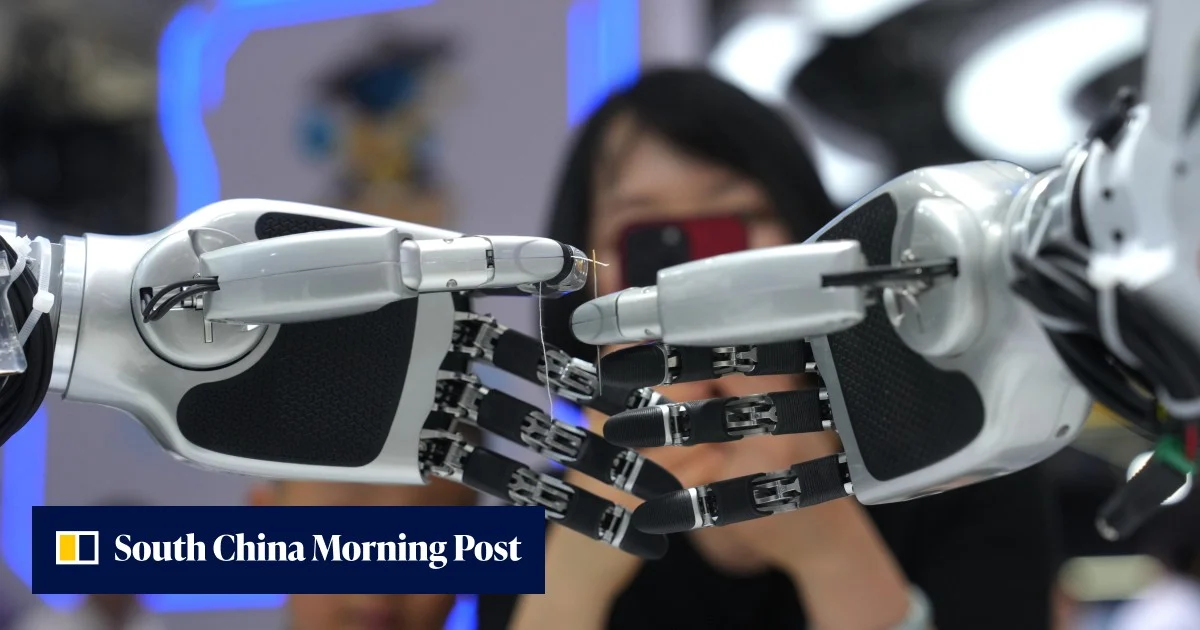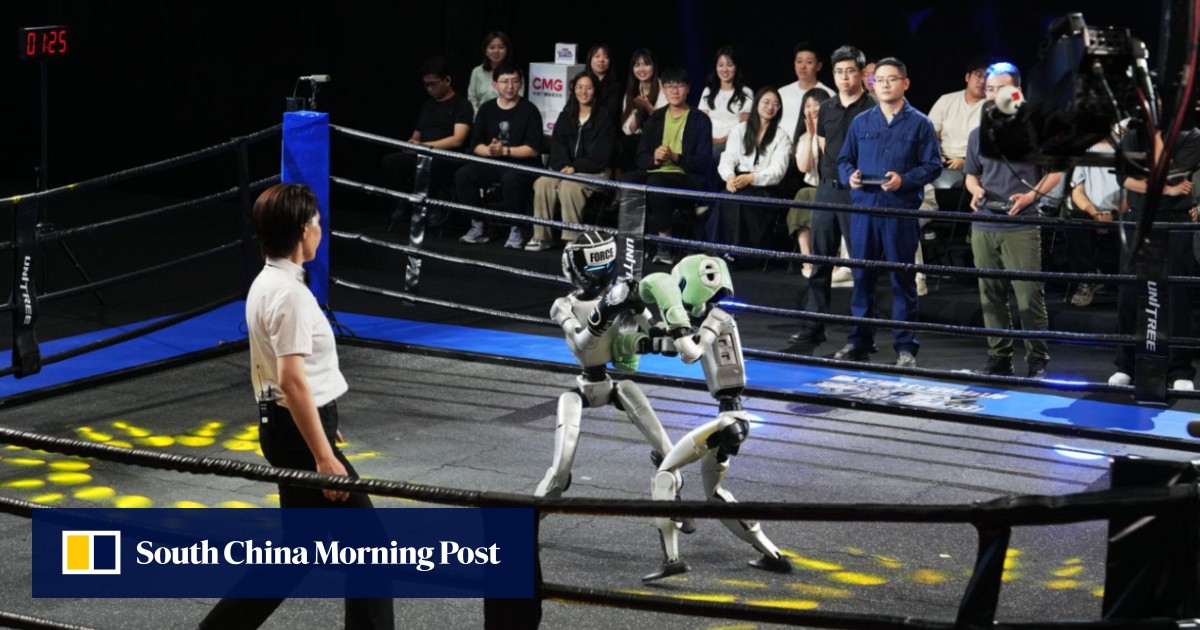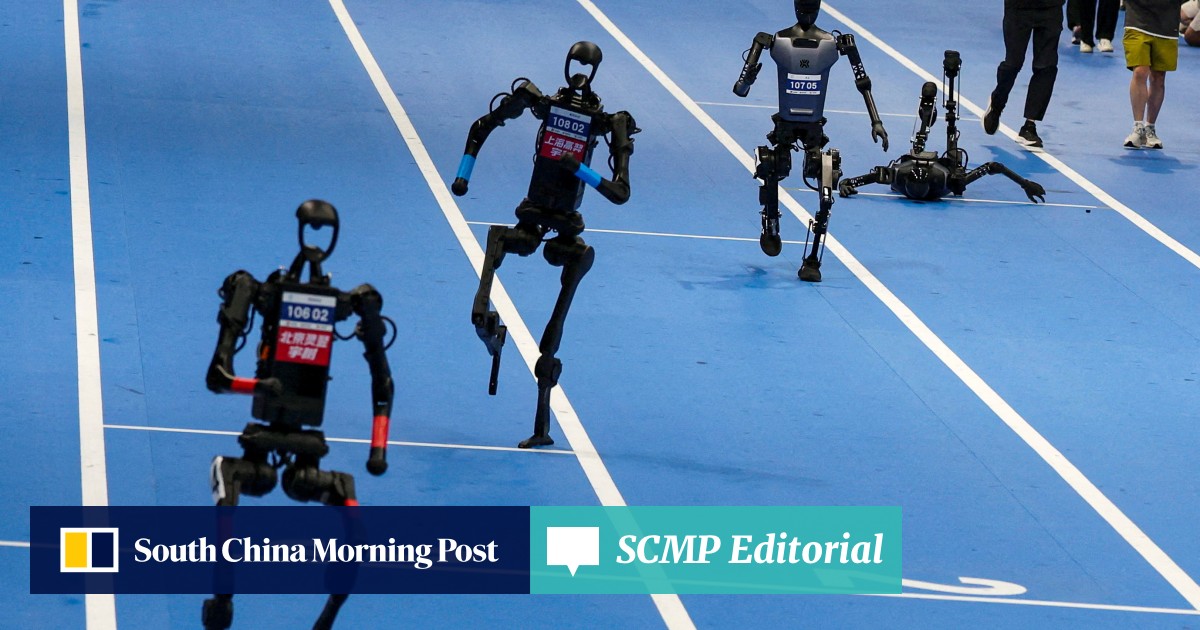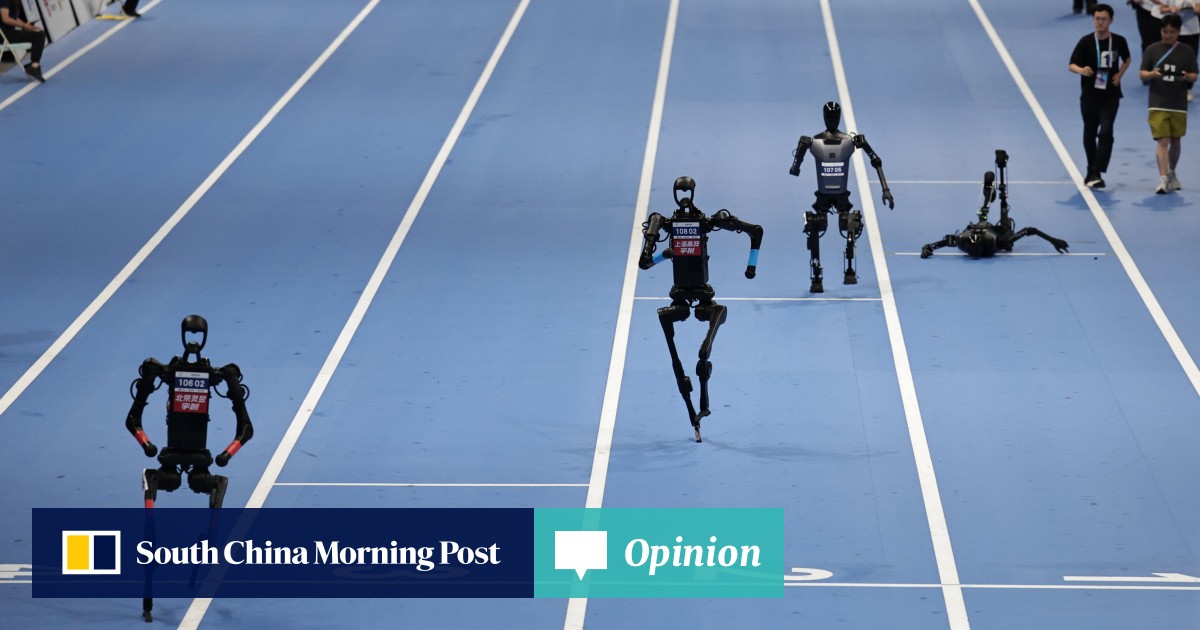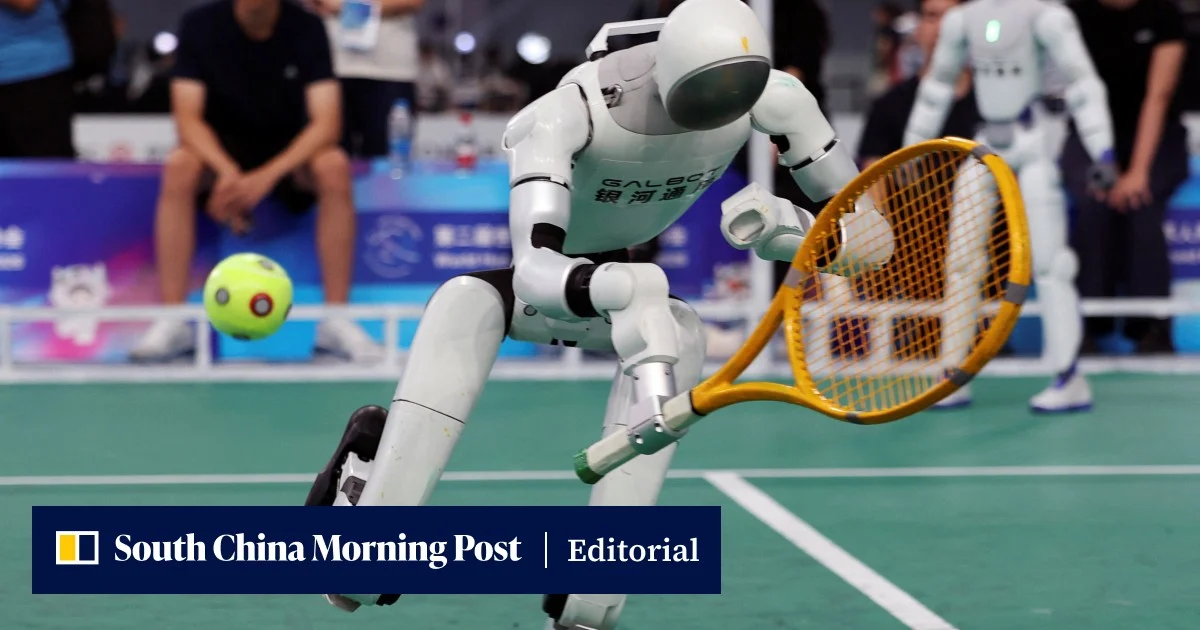
The world has been captivated by the rapid evolution of robotics. From humanoid machines shattering athletic records to the intricate, precision-focused manoeuvres – whether kung fu fighting or tennis playing – in international competitions, we are witnessing a technological shift that transcends mere entertainment.The recent spectacle of humanoid robot games in China, which captured global attention over the weekend, shows the speed at which innovation is advancing. Meanwhile, Hong Kong successfully hosted the Asia-Pacific Broadcasting Union Robocon 2026, the region’s premier university-level robotics competition.The nation is at the forefront of this technology, which increasingly combines robotics with artificial intelligence (AI). But the true measure of this progress lies not in these machines’ performance for entertainment but in their integration into the fabric of our daily lives.The second World Humanoid Robot Games, held at Beijing’s National Speed Skating Oval, has transformed from a mere curiosity into a rigorous laboratory for testing the boundaries of machine autonomy. With over 2,000 robots competing across 51 events, the scale of this competition suggests we are witnessing the dawn of a new era in embodied intelligence.The Tien Kung robots have effectively dismantled human benchmarks, finishing the 400-metre race in 38.15 seconds – crushing the human world record of 43.03 seconds – and clocking a 100-metre sprint at 9.39 seconds, outpacing human record-holder Usain Bolt. These machines are demonstrating agility and speed that command serious attention.However, the games also provided a necessary reality check. The chaotic nature of the football matches, where robots collided with teammates, shows we are still in the early, messy stages of robotics development. These machines are operating at their limits, and the margin for error remains razor-thin.
Editorial | As China’s humanoid robots make strides, practical use is the next frontier
Recent competitions in Beijing and Hong Kong have showcased how far these machines have come. Now, it’s time to pivot to the strategy for their deployment.
276 words~1 min read