MAN VS MACHINE:
The games could help improve hardware, but longer-term value depends on real-world problem-solving, an executive at a tech firm said
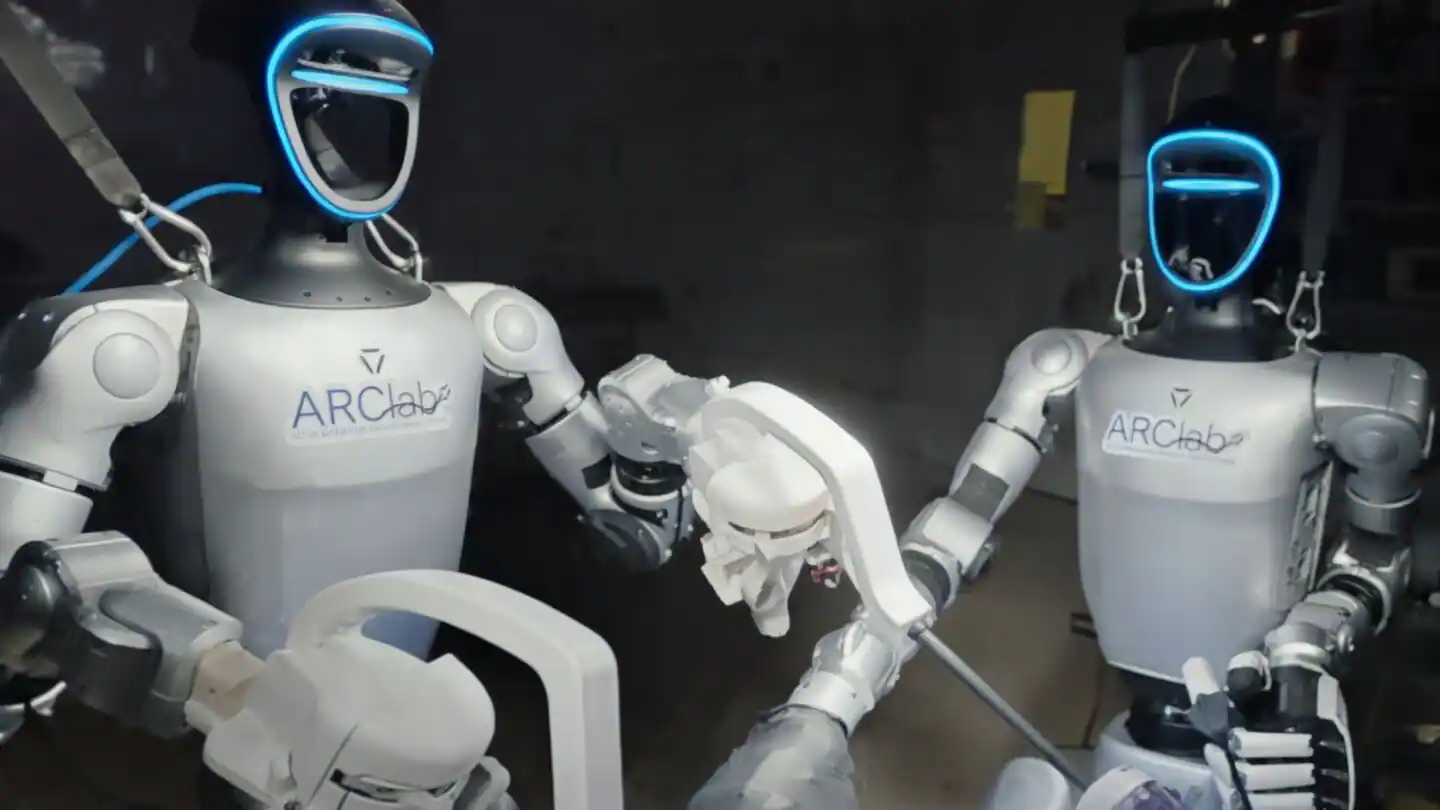
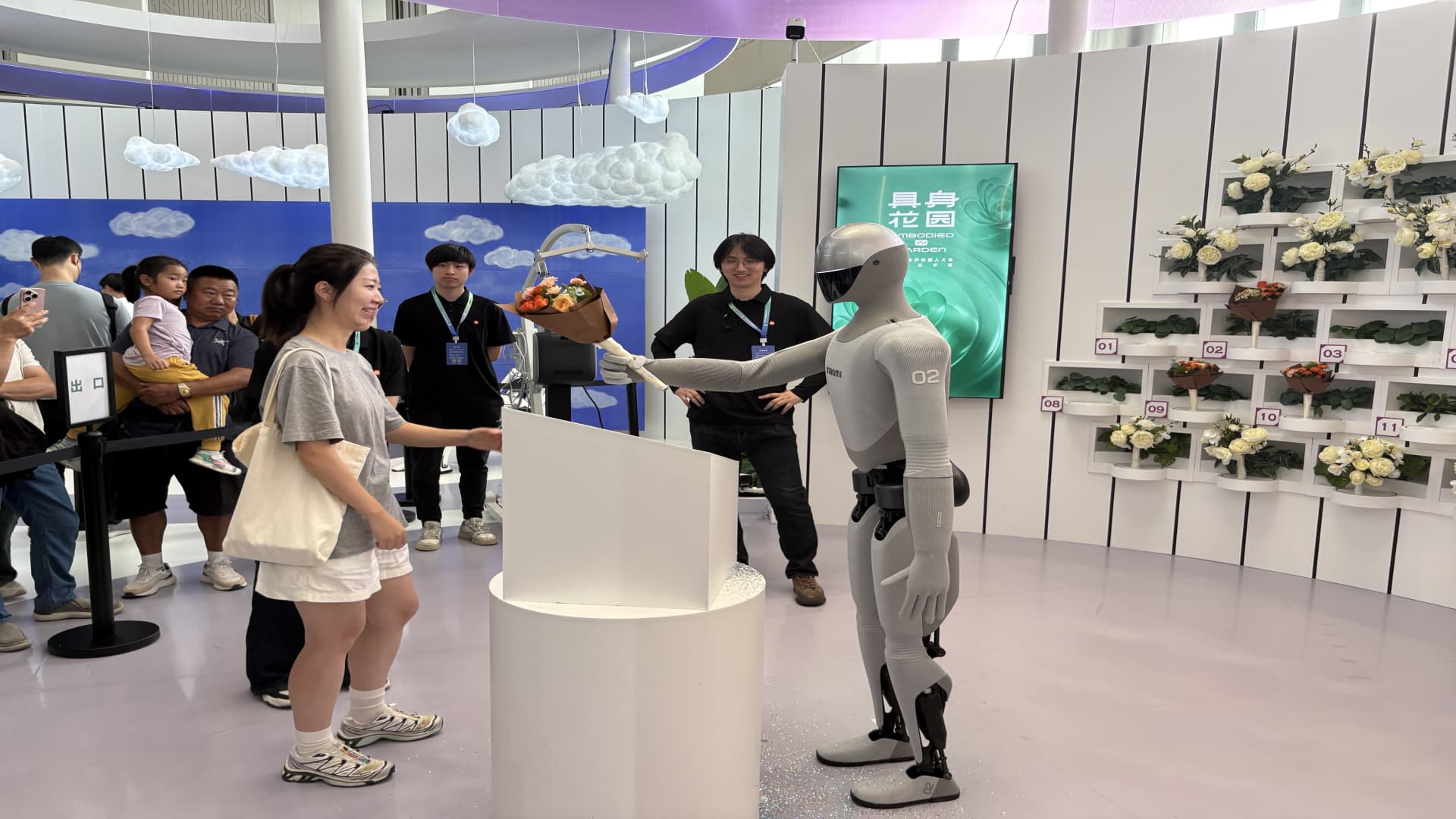
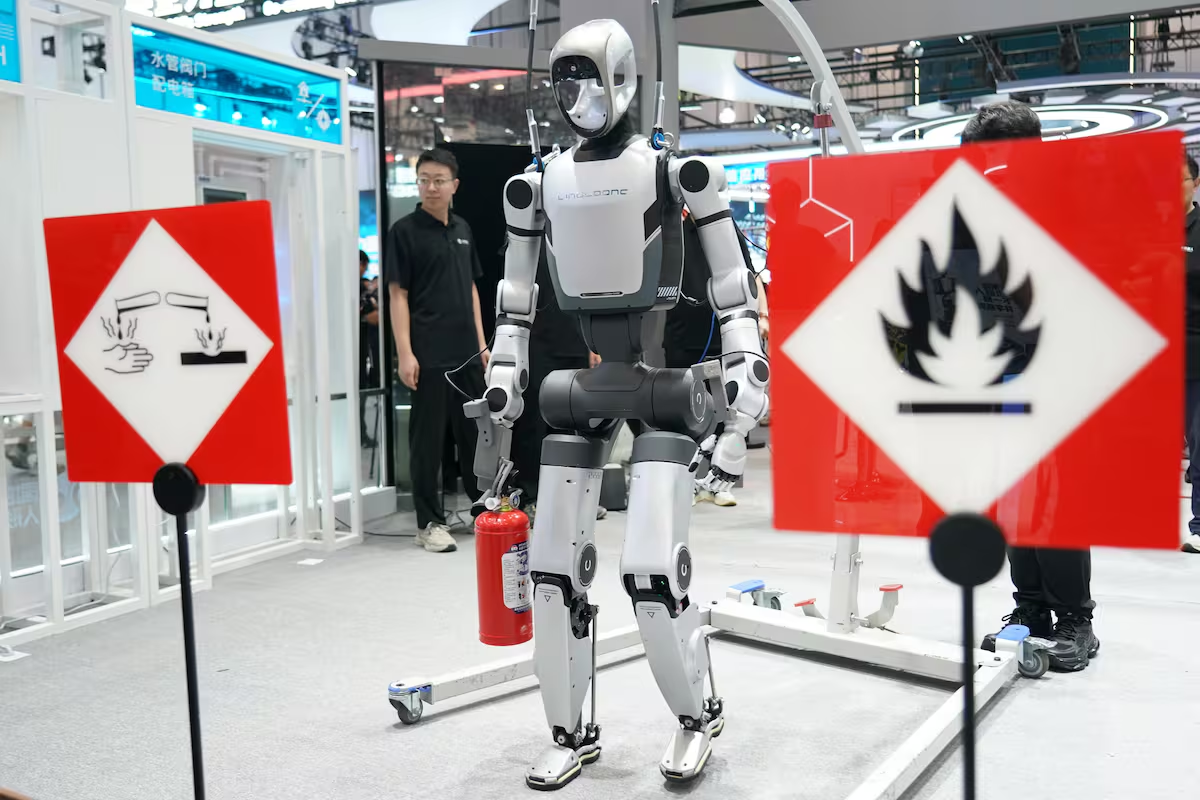
China’s humanoid robots have shown they can run quicker than the fastest humans.Now comes the real test: Can they also handle packaging and warehouse operations while reliably performing precision tasks like connecting cables designed to evaluate their ability to work like humans in less flashy jobs?The five-day World Humanoid Robot Games, which began in Beijing on Saturday, combines events modeled on human sports with those designed to test the robots in simulated factories, restaurants, offices and in emergency situations.
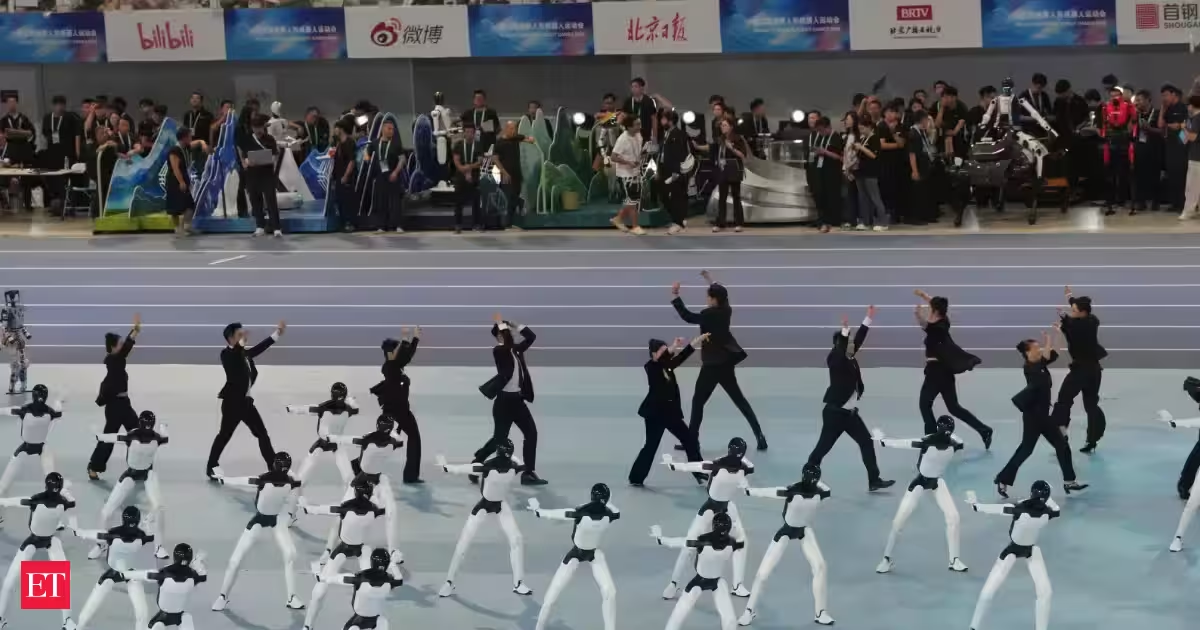
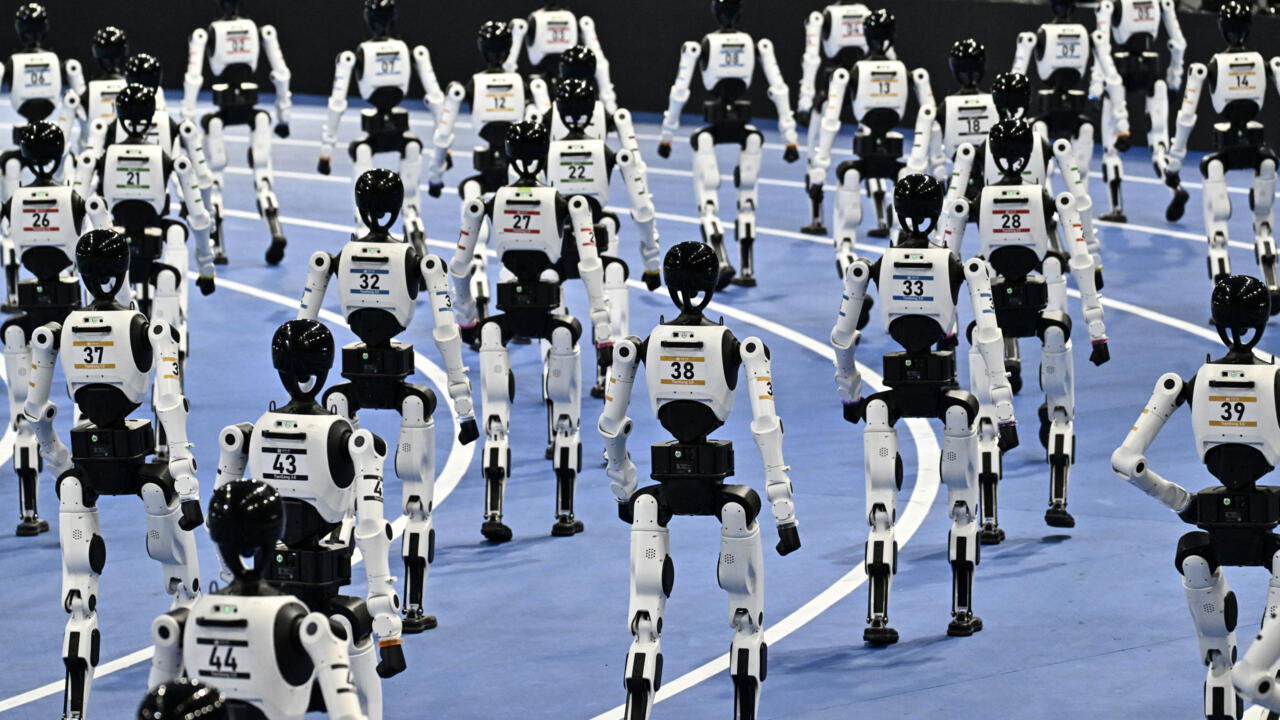
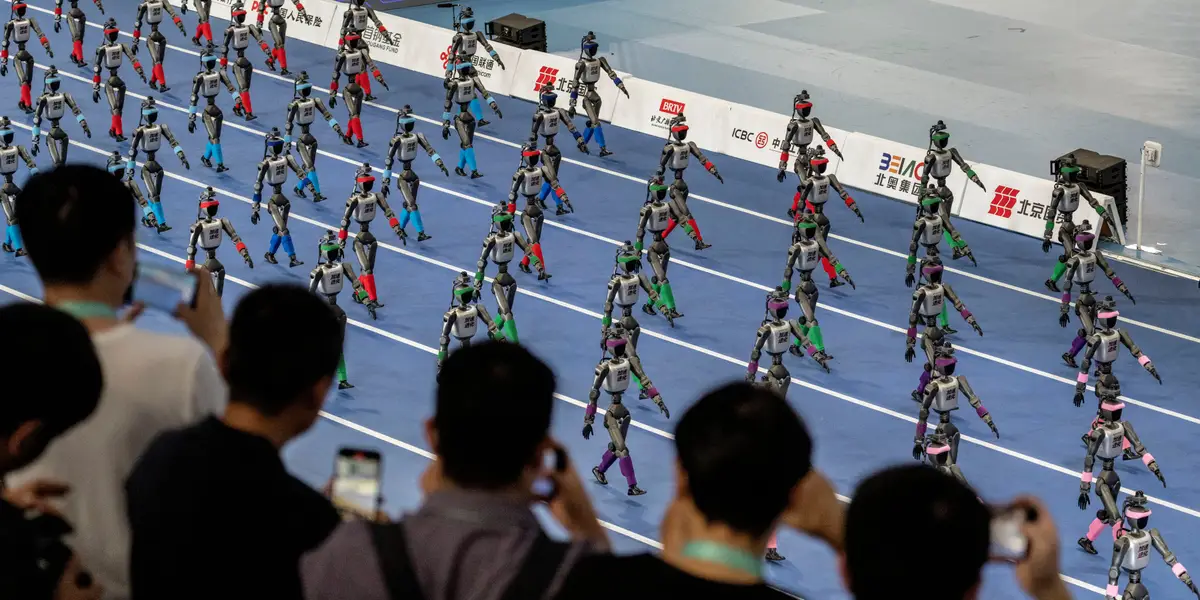
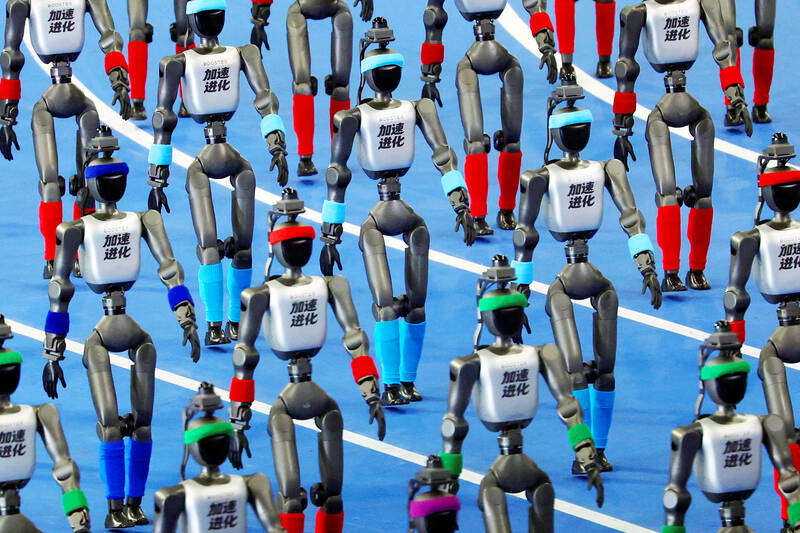
Booster Robotics humanoid robots walk in formation during the opening ceremony for the second World Humanoid Robot Games at the National Speed Skating Oval in Beijing on Saturday.
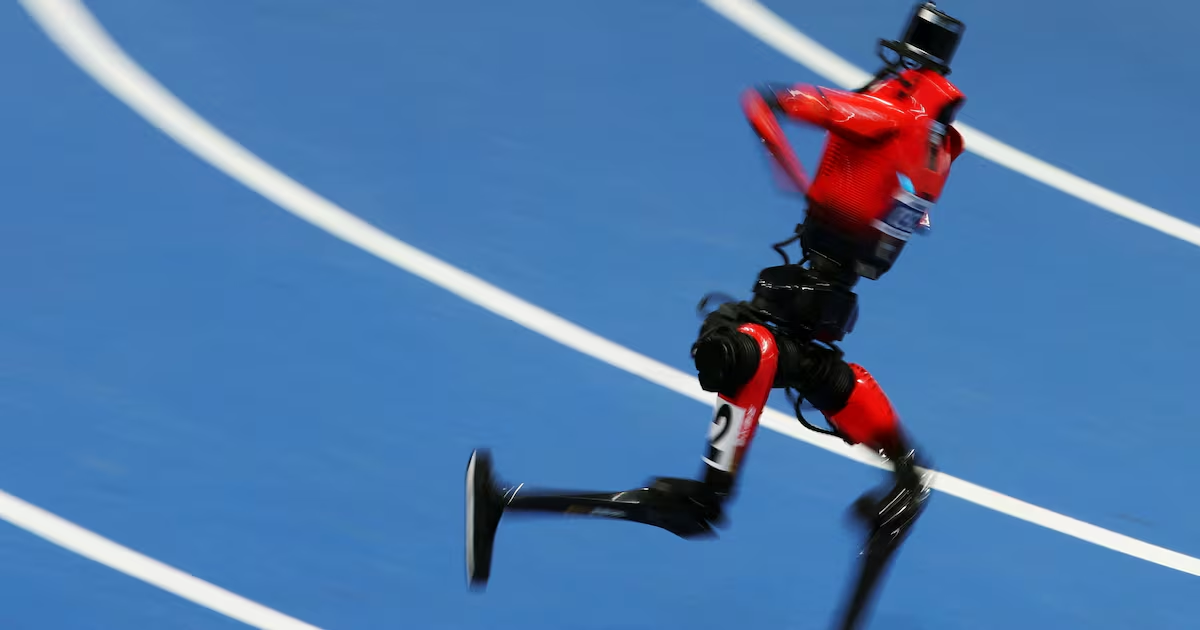
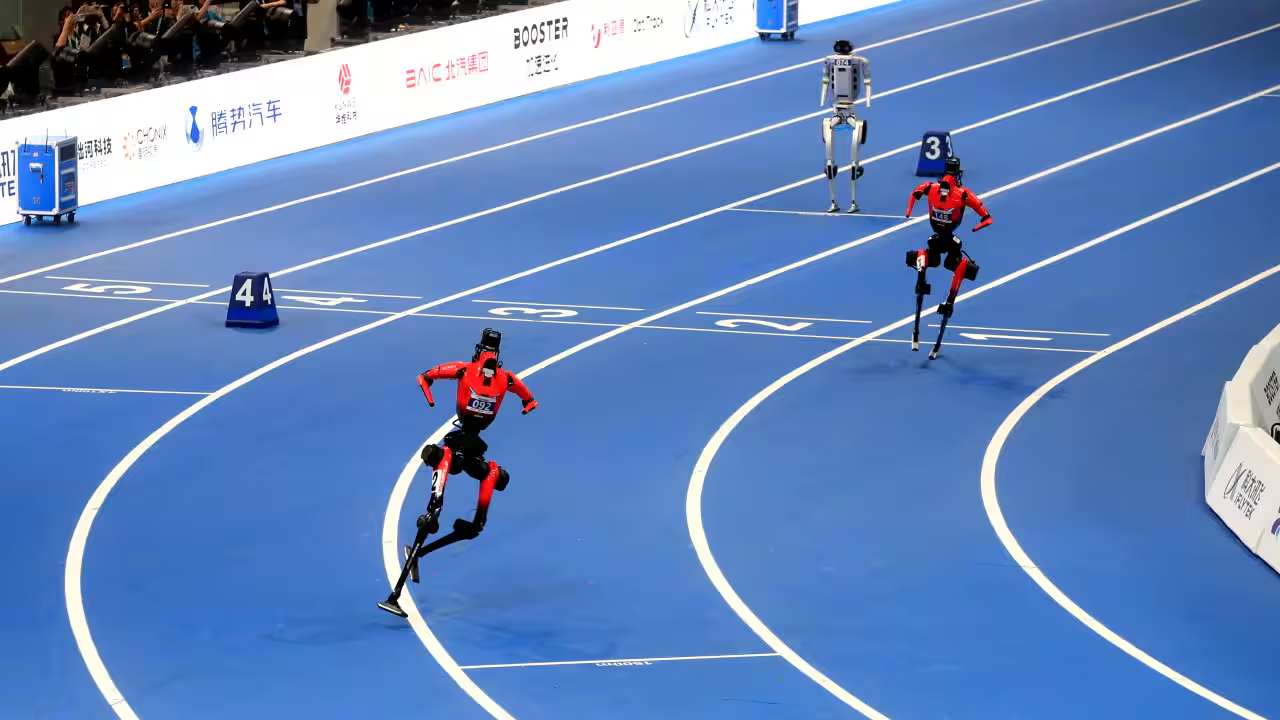
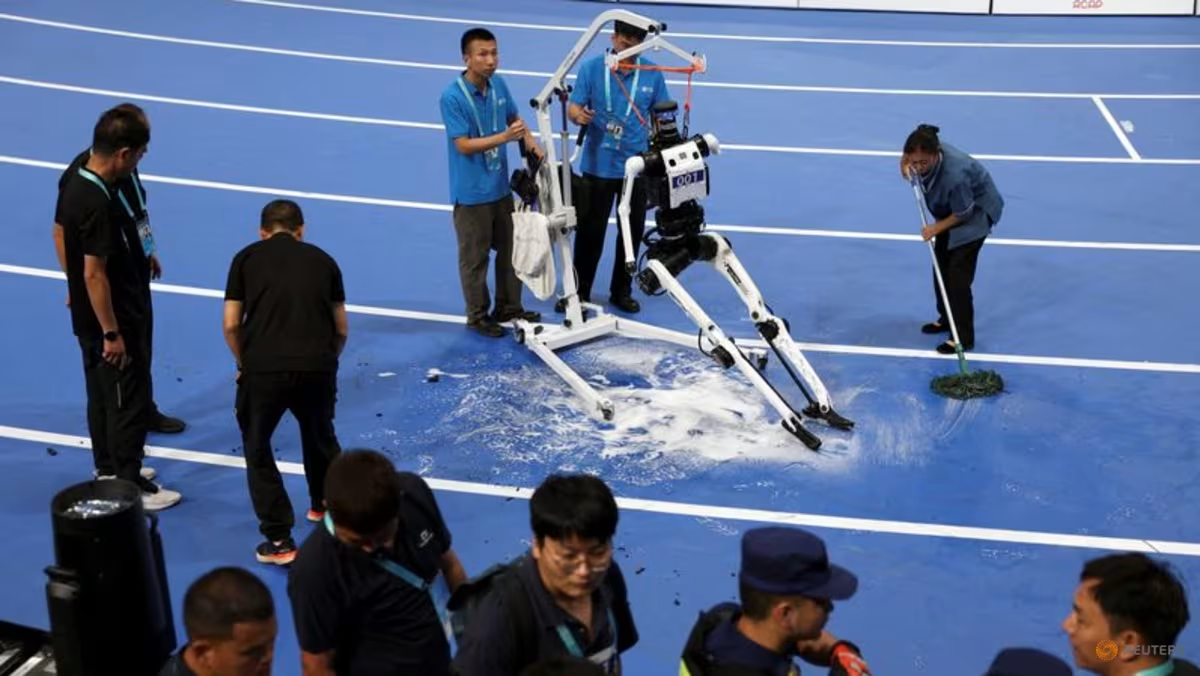
Heavily promoted in Chinese state media, the games, held at Beijing’s National Speed Skating Oval and which run through Wednesday, feature 51 events, including 30 sports competitions and 21 scenario-based contests. More than 40 percent require robots to operate fully autonomously, according to Huawei Technologies Co, a tech partner of the games.On Saturday, two robots ran faster than Usain Bolt’s 9.58-second world record in the 100m. That was a sharp improvement from last year, when the winning robot’s time was more than 20 seconds. Braking was an issue, as the machines slammed into a thick mat that organizers placed several meters after the finish line.