Thursday, September 3rd 2026 - 00:31 UTCFull article
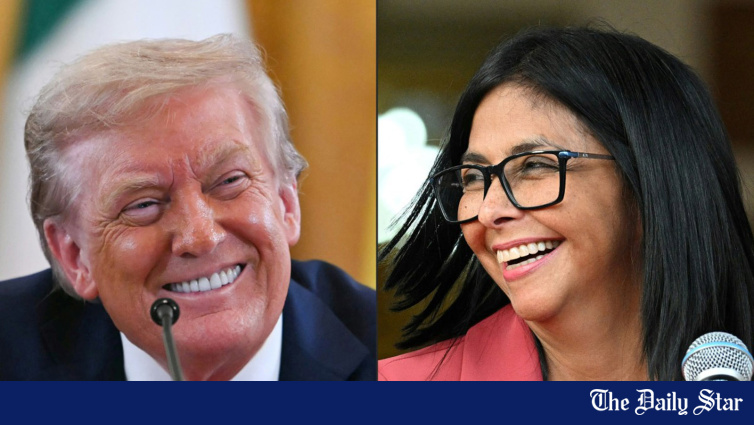
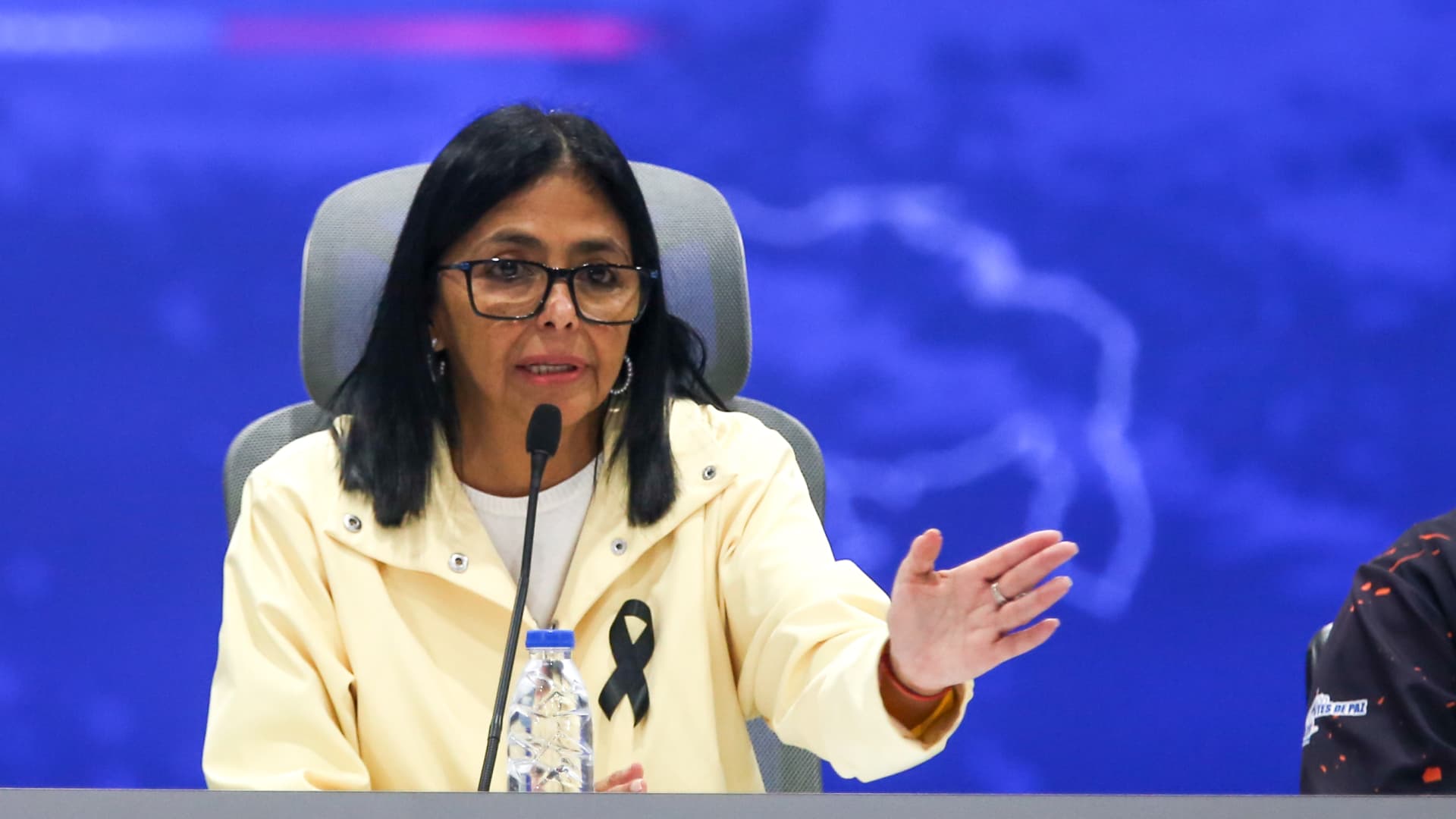
When Colombian former President Gustavo Petro convened an emergency CELAC session in the first week of January, the assumption in most South American foreign ministries was that the region would answer the United States with one voice. Eight months later, the answer is still fragmented — and Venezuela's oil is flowing north at a rate not seen in two decades.
From Southern Spear to a fait accompli
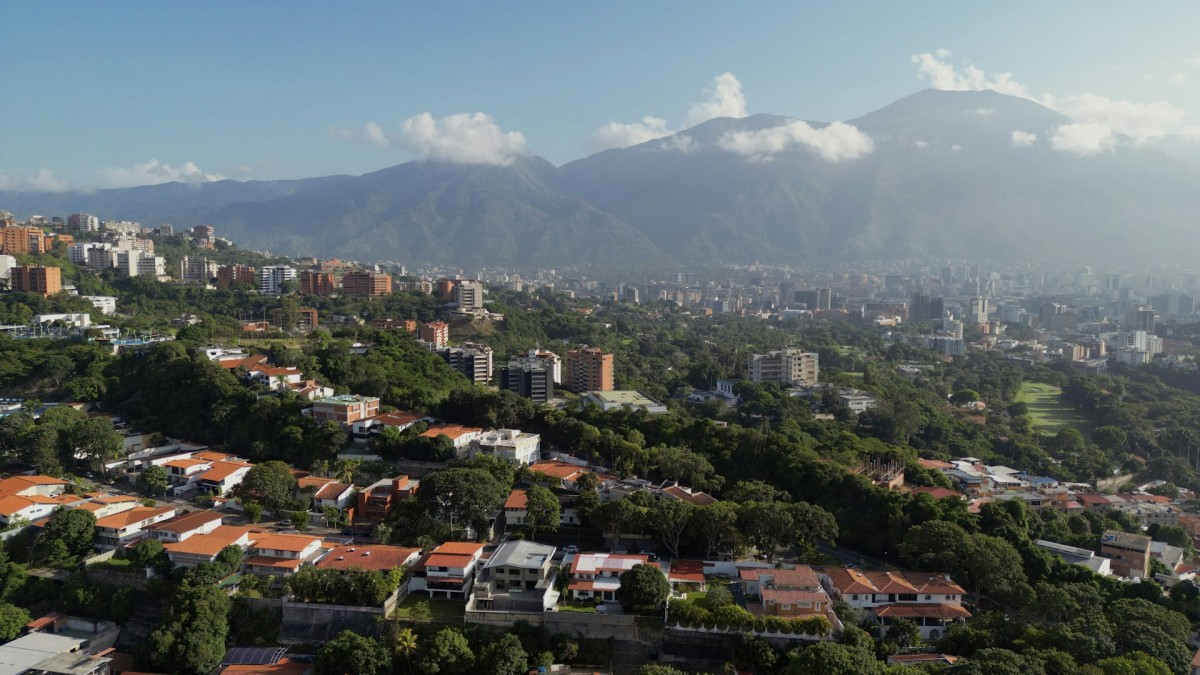
The operation that removed Nicolás Maduro on 3 January 2026 began as a counter-narcotics campaign. US helicopters struck Fuerte Tiuna and the La Carlota air base in Caracas, and the Venezuelan leader was flown to the United States under the banner of Operation Southern Spear, a 2025 anti-drug deployment that had quietly acquired a regime-change function. Washington justified the raid under an “unable or unwilling” reading of self-defence, arguing that Caracas had ceased to control narco-terrorist networks operating from its territory.
The legal architecture of that argument matters more to the region than the raid itself. As geopolitical analyst Alexander Dubowy argued in an assessment of the operation, the prohibition on the use of force in Article 2(4) of the UN Charter “remains formally intact, but it is increasingly treated as a language game.” For a continent that built its diplomatic identity on non-intervention — from the Estrada Doctrine to the Contadora process — that is not an abstraction. It is a precedent with a filing number.