Audio By Vocalize
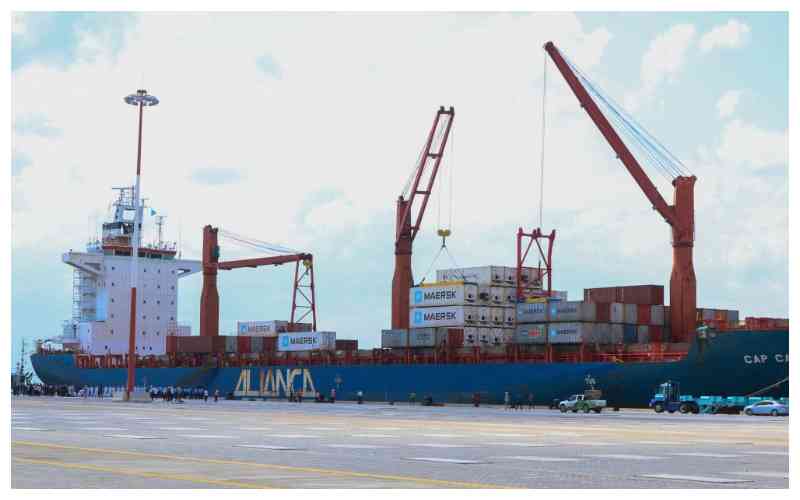
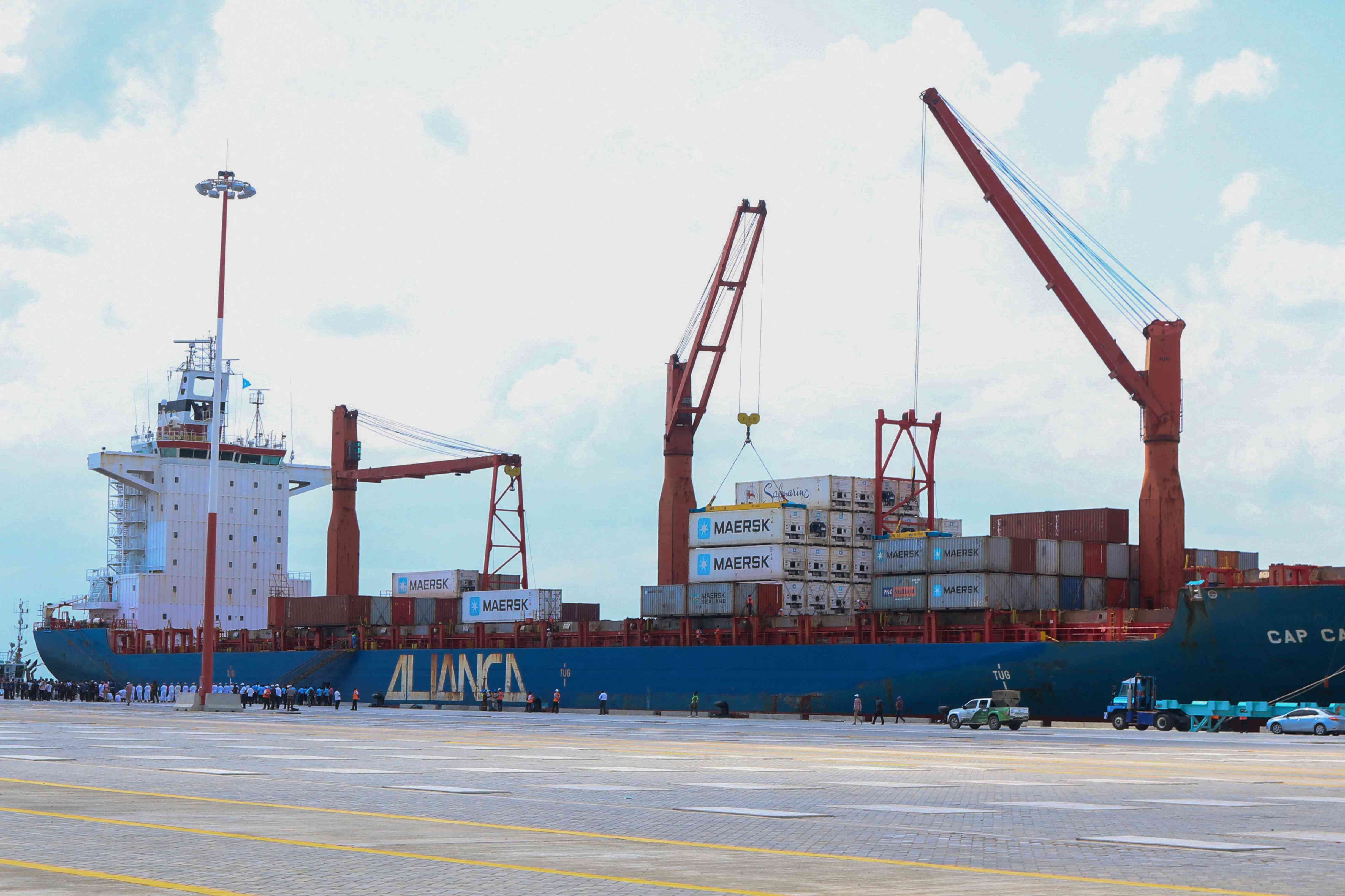
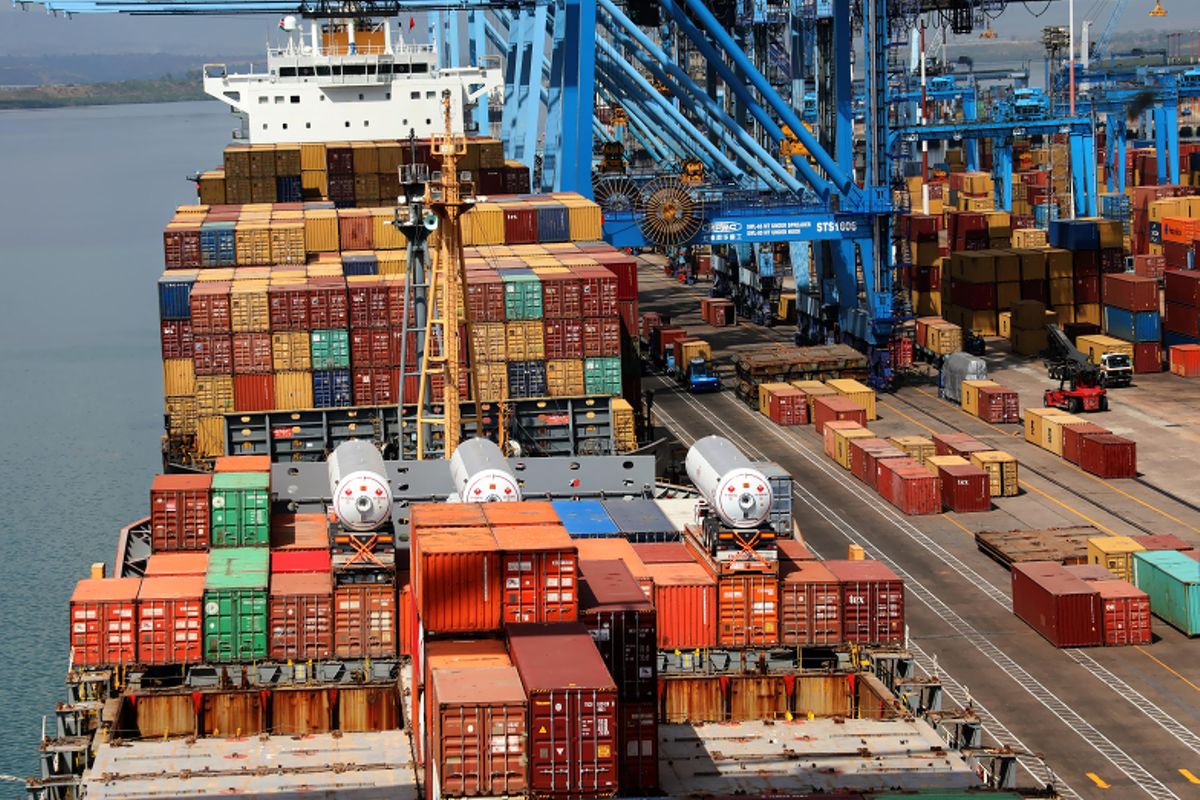
A section of the Port of Mombasa. [File, Standard]
In 1989, political scientist Francis Fukuyama famously argued in ‘The End of History?’, that liberal democracy had emerged as the dominant model of political organisation following the Cold War. Yet history had other plans for the Horn of Africa. Just two years later, Somalia's central government collapsed, sending shockwaves across the region. Kenya would go on to host hundreds of thousands of Somali refugees, while millions of Somalis rebuilt their lives at home and abroad. For families like mine, the promise of a peaceful ‘New World Order’ felt distant. The question is no longer whether the world is changing. It is whether East Africa is prepared for the opportunities and risks that accompany this transformation.
For much of the post-Cold War period, the United States occupied a position of extraordinary global influence. Its military power was unmatched, but American influence rested on something deeper: Alliances, universities, technology, markets, culture and the attraction of the American model itself. Political scientist Joseph Nye called this "soft power": The ability to influence others through attraction rather than coercion. That reservoir of influence matters because durable power is not only about what a country can compel others to do, but also about whether others see value in following its lead. That order is now under strain. The Trump administration has placed greater emphasis on sovereignty, tariffs, burden-sharing, transactional relationships and hard power, while showing less attachment to parts of the liberal international architecture Washington helped build. The significance is not that America has suddenly become weak. It remains a formidable military, technological and economic power. The more important point is that American primacy is no longer the only fact around which other countries must organise their foreign relations.