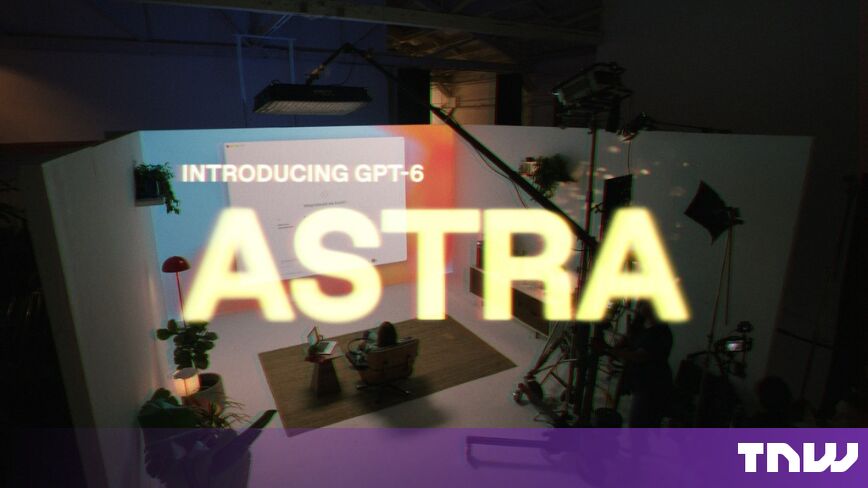
OpenAI says it has leapfrogged Anthropic in the frontier AI race, a claim built largely on the back of its newest model, Astra, and the benchmarking results of its GPT-5.6 family.
Astra launched on September 2, 2026, with OpenAI billing it as the first model to reach the “Critical” cybersecurity capability tier under the company’s own internal Preparedness Framework. In plain terms, that means OpenAI believes Astra can identify and respond to sophisticated cyber threats at a level no competitor has publicly demonstrated. The timing was conspicuous: Anthropic had unveiled Claude Fable 5.1 and its more constrained sibling, Mythos 5.1, just hours earlier.
Dueling launches and a 25% price cut
Anthropic’s September releases came with a notable sweetener. The company slashed pricing by roughly 25% for standard workloads on Claude Fable 5.1, targeting enterprise customers who care about cost-per-token as much as raw capability. Both Fable 5.1 and Mythos 5.1 tout improvements in coding tasks and knowledge work.
OpenAI, for its part, had already laid groundwork two months earlier. In July 2026, the company rolled out its GPT-5.6 family, a trio of models branded Sol, Terra, and Luna. Each variant was aimed at different performance and cost tiers, and OpenAI claimed state-of-the-art results across several coding benchmarks. The Astra launch effectively doubled down on that narrative, adding a cybersecurity angle to the portfolio.