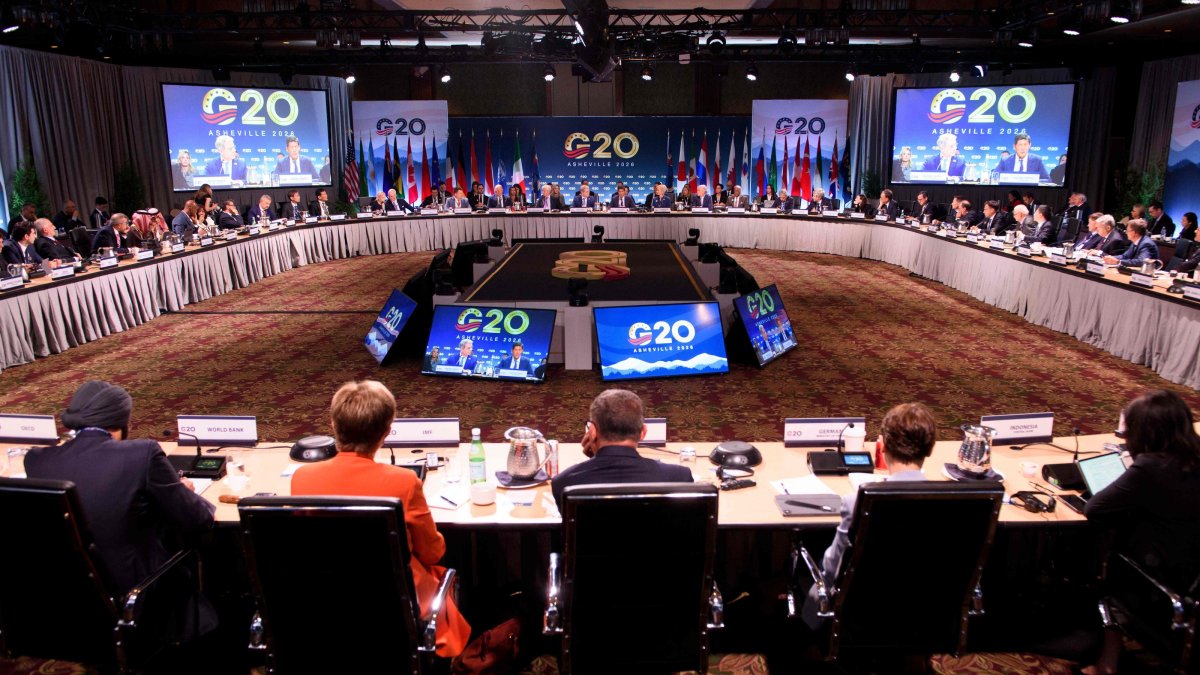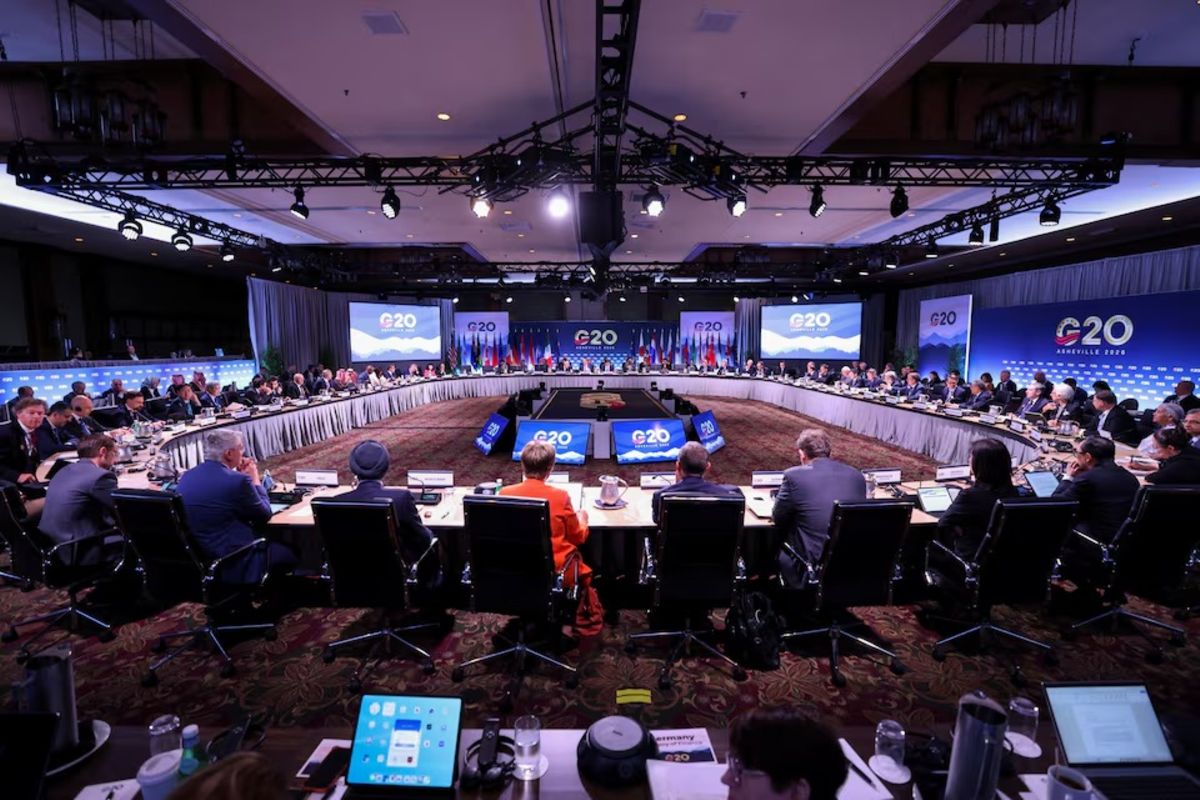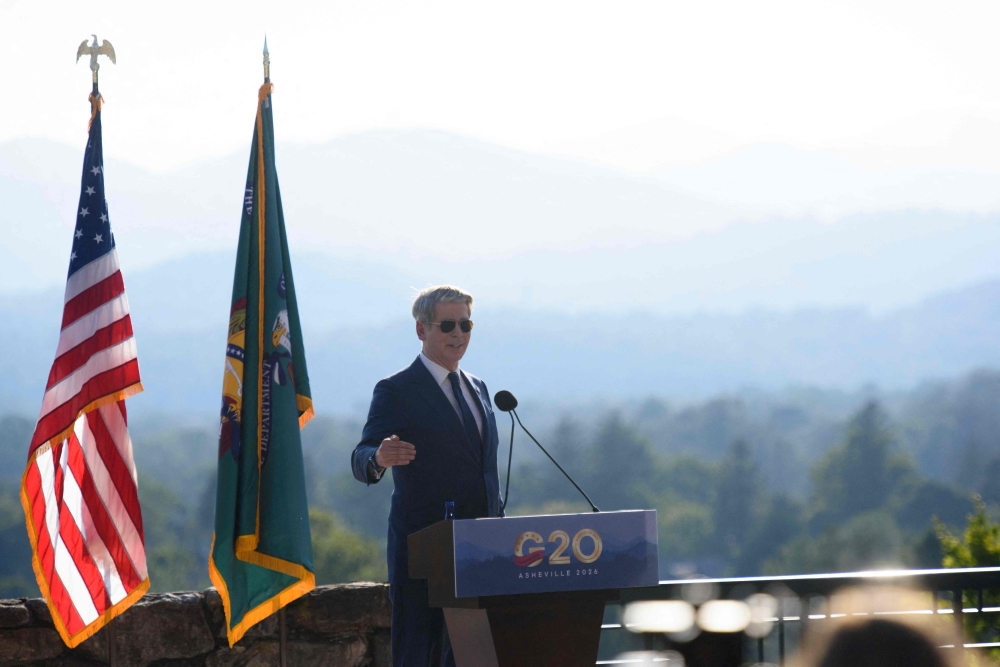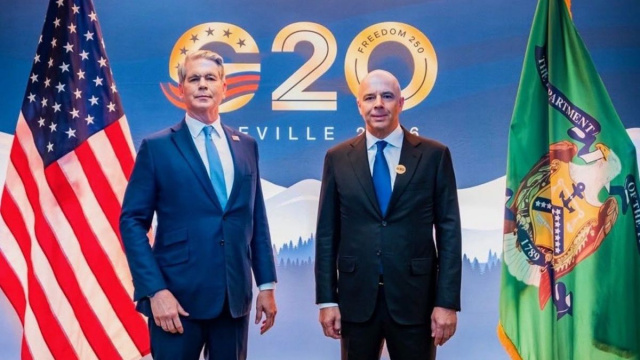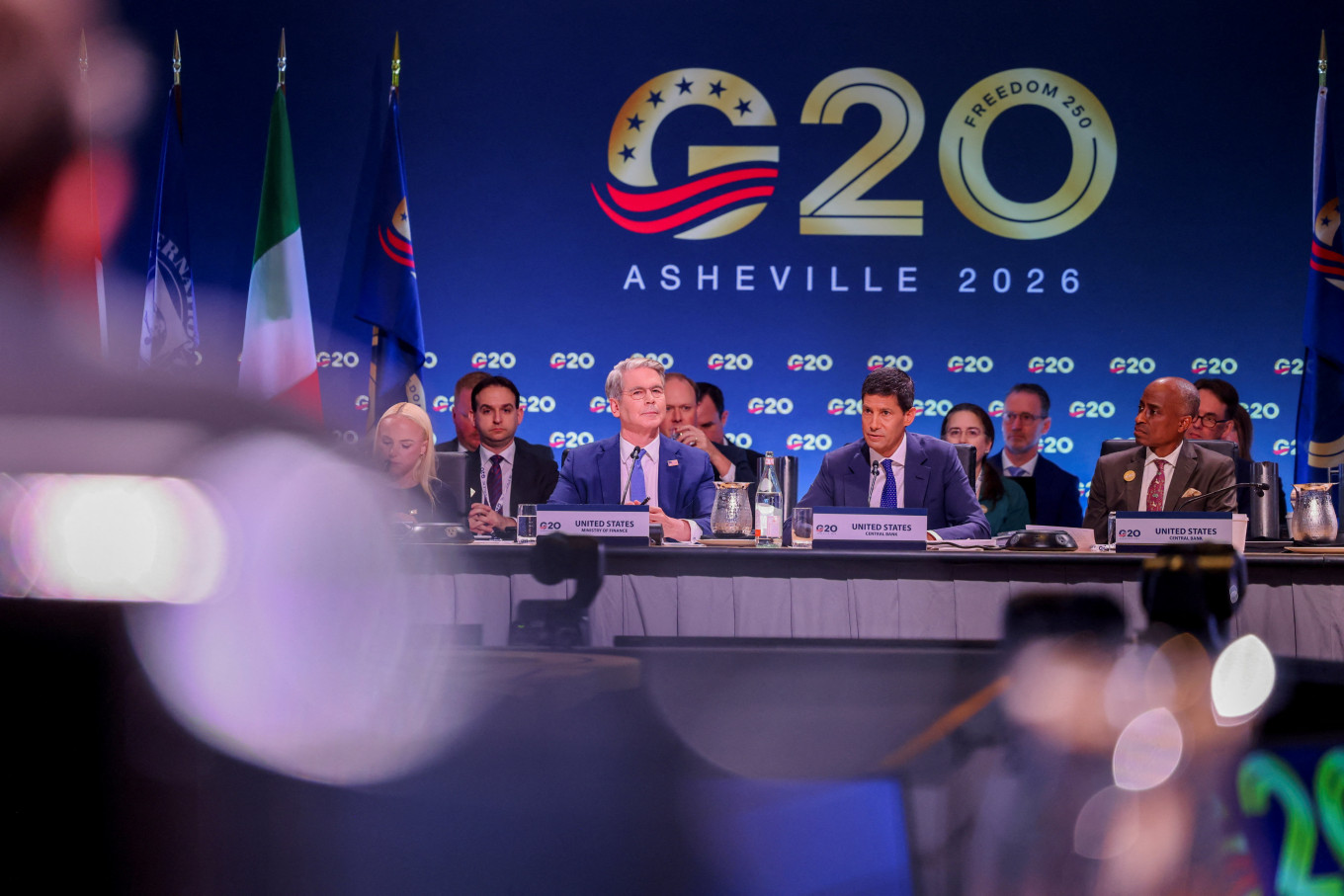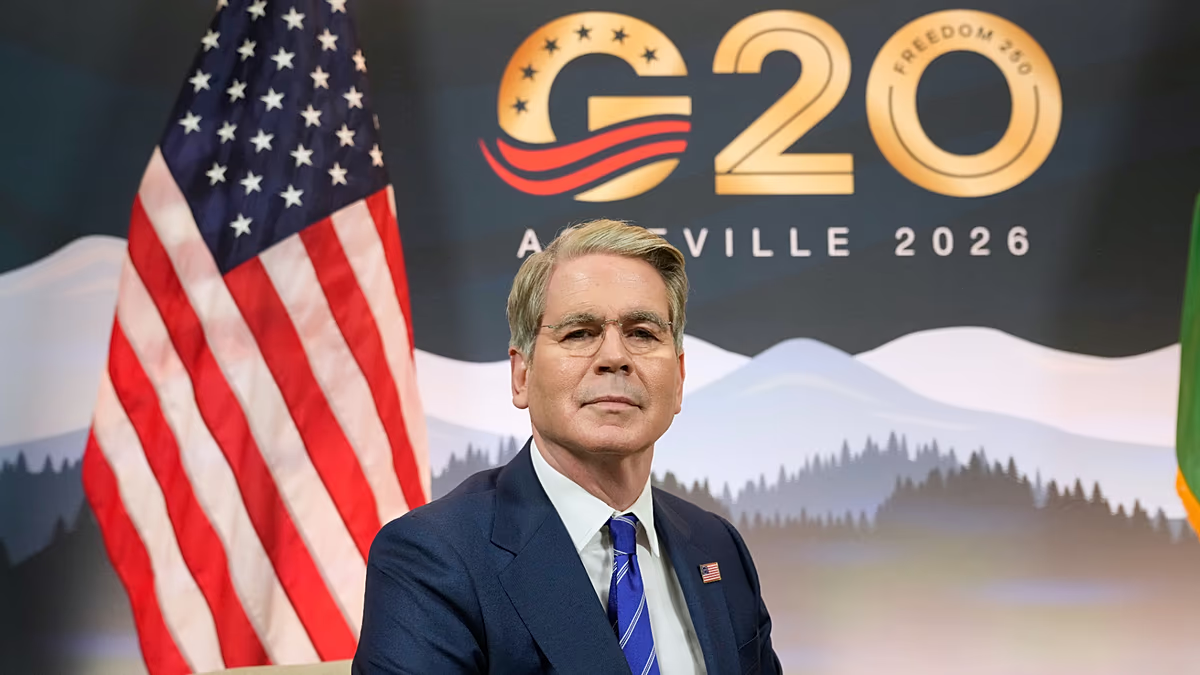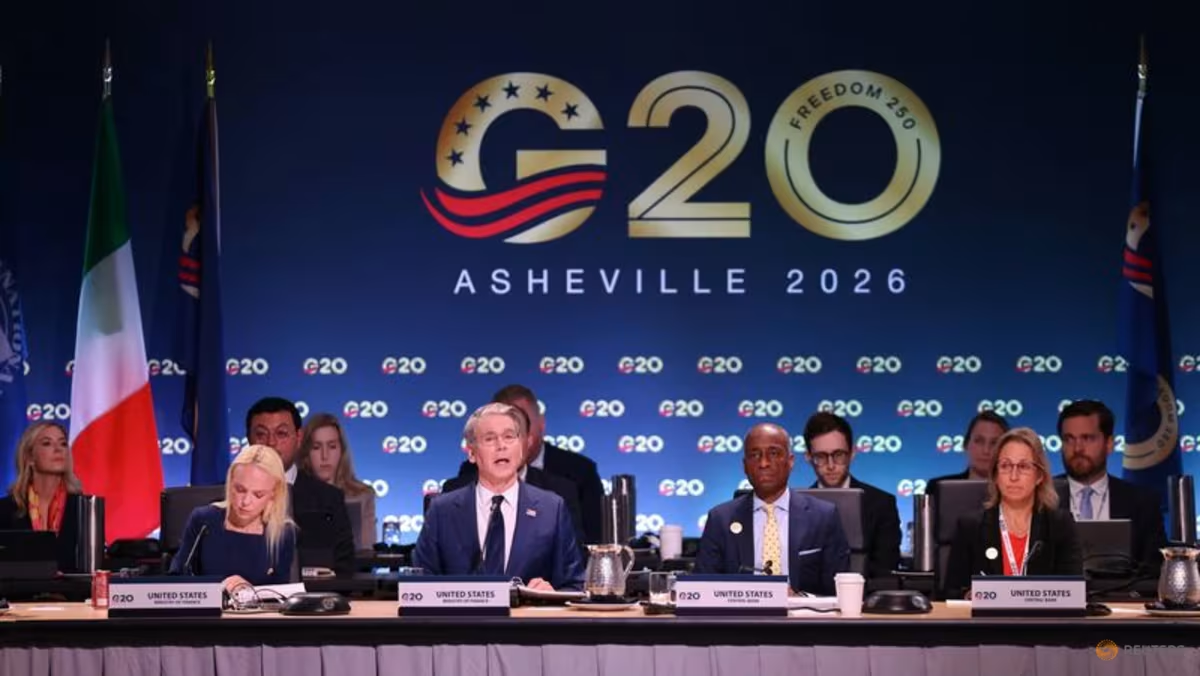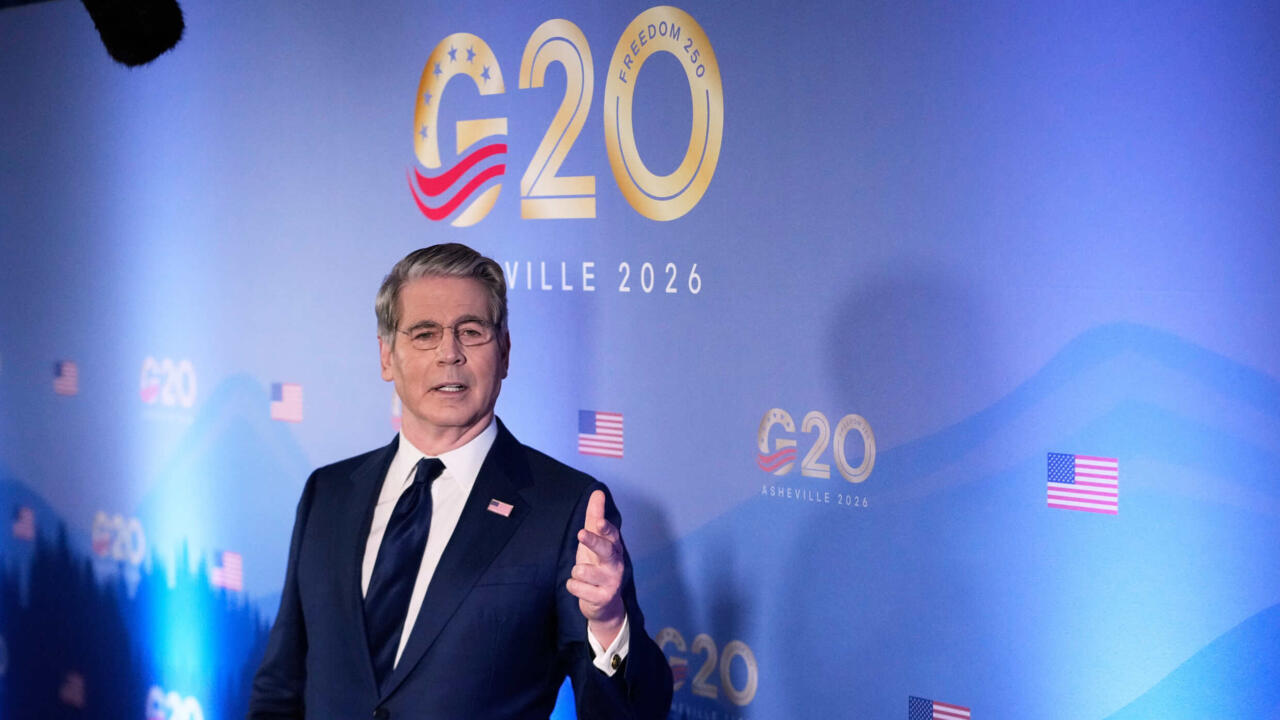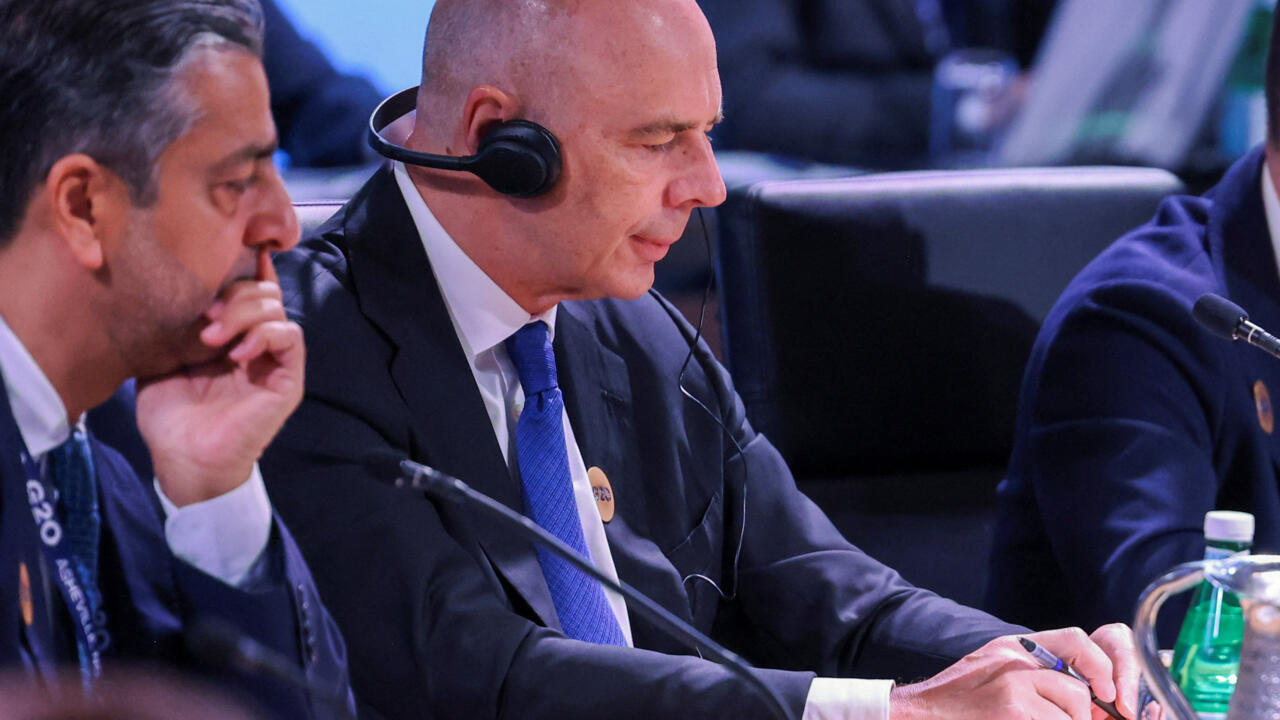
The G20 finance ministers’ meeting in Asheville, North Carolina was supposed to focus on global economic growth. Instead, it turned into a diplomatic food fight between Washington and Berlin, with currency intervention, Russia’s reappearance, and US tariffs all serving as flashpoints.
US officials formally protested to Berlin after Germany’s delegation publicly criticized Washington on two fronts: Treasury Secretary Scott Bessent’s decision to sell US euro holdings to prop up the Japanese yen, and the Trump administration’s decision to invite Russian Finance Minister Anton Siluanov back to the table.
The currency fight
At the center of the economic dispute is a move by Bessent that caught European partners off guard. The Treasury sold US euro holdings to support the yen, a unilateral currency market intervention conducted without prior consultation with European counterparts.
Bundesbank President Joachim Nagel took particular issue with the operation. Selling euro-denominated assets to bolster a third currency, without so much as a heads-up to the central bank responsible for that currency, is the kind of move that erodes trust between financial partners.