Story audio is generated using AI
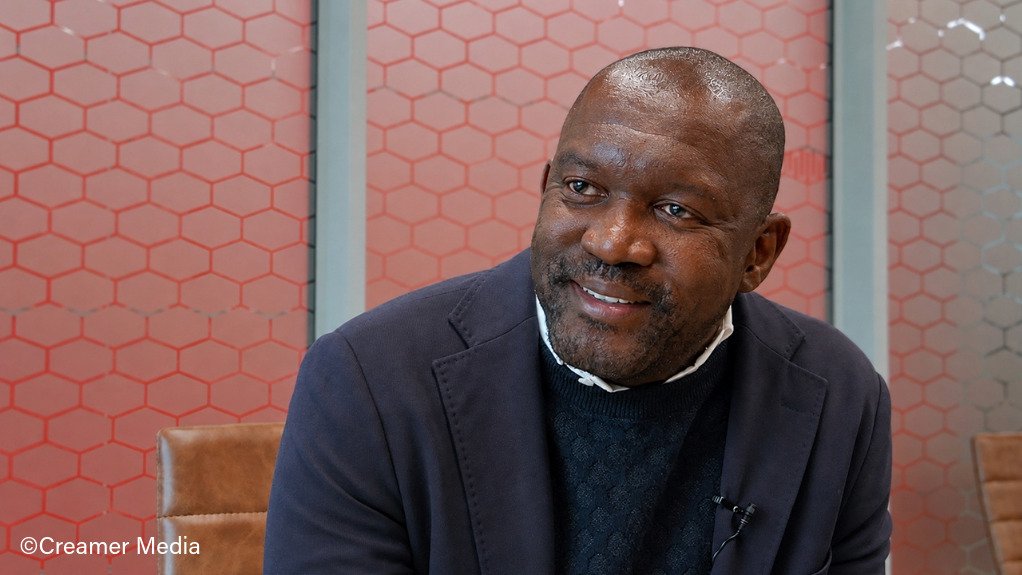
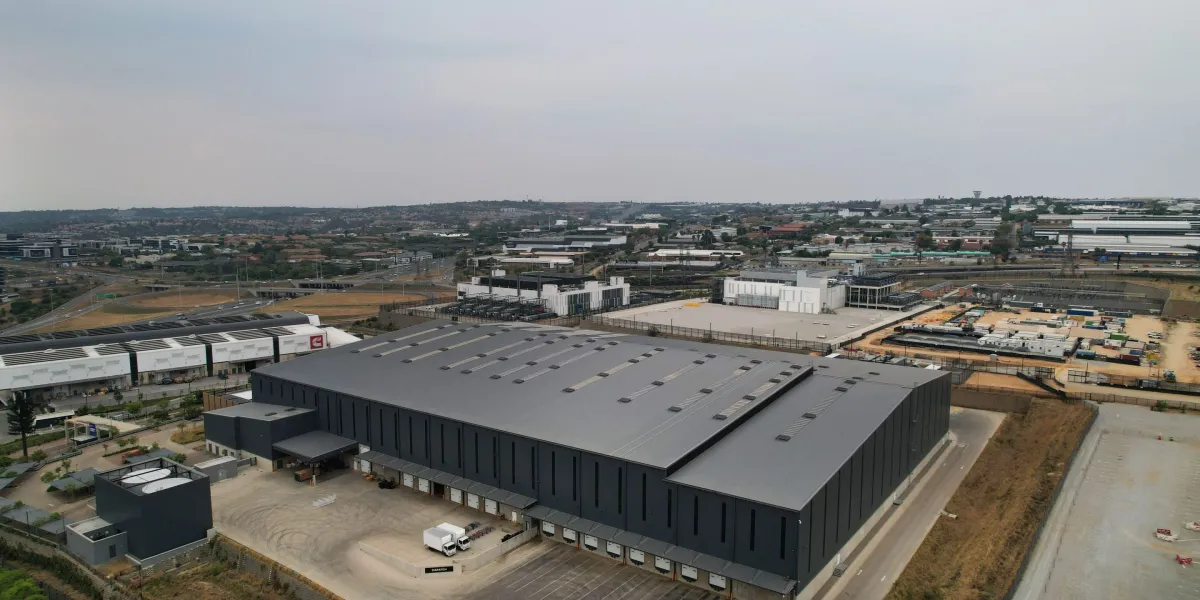
Growing demand for data centre infrastructure is putting the sector under greater scrutiny over its use of electricity and water, with questions being raised about the economic benefits of the industry and its demands on scarce resources.Equinix, the US-listed digital infrastructure company that operates the JN1 data centre in Johannesburg, says the public debate has focused too heavily on what data centres consume and not enough on what they enable.“Much of the public conversation focuses on what data centres consume,” said Equinix South Africa managing director Sandile Dube. “Yet it can sometimes overshadow what they enable.”Data centres support services including banking, e-commerce, healthcare, government services and digital businesses. Dube said reliable digital infrastructure also allows businesses to expand and connect to international markets.South Africa has attracted investment in data centres amid demand for cloud and other digital services, its telecommunications infrastructure, the financial sector and international connectivity. A 2025 study by the Development Bank of Southern Africa identified demand for data and cloud services, utility infrastructure and the country’s strategic location, including its subsea cable connections, as factors supporting further development of the sector. Subsea cable connections are undersea fibre-optic cables that carry internet and data traffic between countries.Data centres have also prompted questions about the land and other infrastructure required by large facilities.In May, the SA Human Rights Commission called for submissions on the human-rights implications of data centres and digital infrastructure, including concerns about electricity and water use, environmental impacts, land use, community participation and regulatory oversight.The electricity debate comes as Eskom expects surplus generation capacity of about 2GW to 3GW over the next few years and is looking for additional customers to absorb it. The utility has identified data centres, alongside exports and other industrial activity, as potential sources of additional demand.Equinix opened JN1 in Johannesburg in 2024, its first South African data centre. It has since acquired land in Johannesburg and Cape Town and plans to add about 160MW of capacity as part of a R7.5bn investment programme.Its expansion has already attracted opposition in Cape Town. A municipal planning tribunal approved land-use changes for two proposed Equinix facilities in the King Air Industria area in July. The projects are expected to require about 170MW of power, with objections including concerns about their effect on the environment and resources.Civil-society groups have separately called for greater disclosure of data centre electricity and water consumption and tighter oversight of the sector. They have raised concerns about the lack of publicly available information on the resource requirements of individual facilities.Equinix has pointed to the design of JN1 in response to concerns about resource use. The company says the facility uses cooling technology designed to minimise water use, while its Johannesburg data centre has 100% renewable-energy coverage.