Compass Group India reduced food waste from 8% to 3% through AI-led production planning, while expanding EV use, rooftop solar, food waste tracking and sustainable sourcing in 2025.
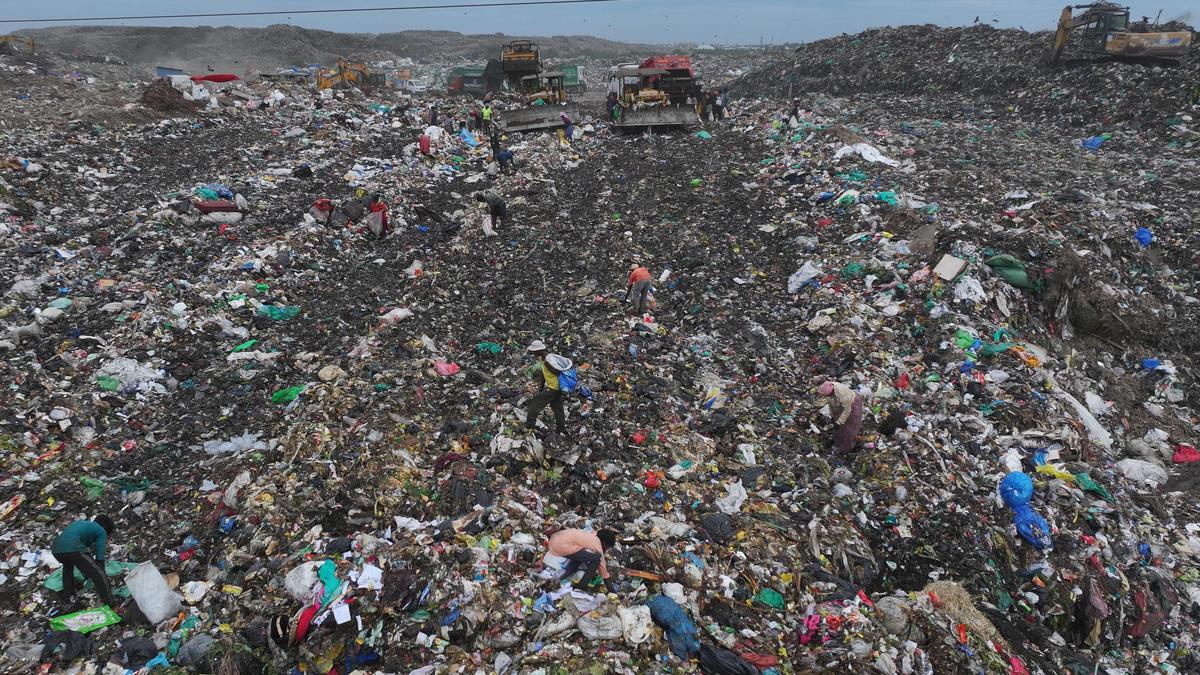
Compass Group India’s Sustainability Report 2025 states that it has reduced food waste from 8 per cent to 3 per cent through AI-led kitchen operations.A media statement by the company said that Compass Group India used AI and operational data to make workplace food systems more efficient in 2025. Through SmartQ’s AI-led production planning platform, food wastage at deployed sites reduced from 8 per cent to 3 per cent, while also delivering 2-3 per cent monthly cost savings.Food waste tracking now covers more than 90 per cent of Compass Group India sites, up from 75 per cent last year, enabling sharper forecasting, better menu planning and lower operational waste across commercial kitchens, it said.EVs make up 45%It said that electric vehicles now account for nearly 45 per cent of food transportation, while rooftop solar capacity increased by 125 per cent during the year. Together, these interventions contributed to a 10.3 per cent reduction in Scope 1 and 2 emissions intensity.At the same time, Compass Group India strengthened ingredient-level emissions mapping across more than 89,000 tonnes of food procurement to improve Scope 3 visibility. This area now accounts for nearly 95 per cent of emissions in institutional food services.The report said protein-adequate meal offerings increased from 88 per cent to 98 per cent, while highly and ultra-processed ingredients decreased from 9 per cent to 6 per cent. Plant-based procurement reached 80 per cent by volume, with whole grain availability across menus increasing to 97 per cent.Compass Group India also expanded sustainability interventions across facilities, sourcing and workforce operations during 2025, it said. Energy optimisation initiatives across client sites helped save approximately 2.47 lakh units of electricity, while operational interventions in kitchens and facilities strengthened circularity and waste-recovery systems.Used cooking oil recovery increased to 36 tonnes, with recovered oil redirected towards biodiesel production, alongside wider adoption of compostable materials and repurpose-led cooking practices.Published on September 3, 2026