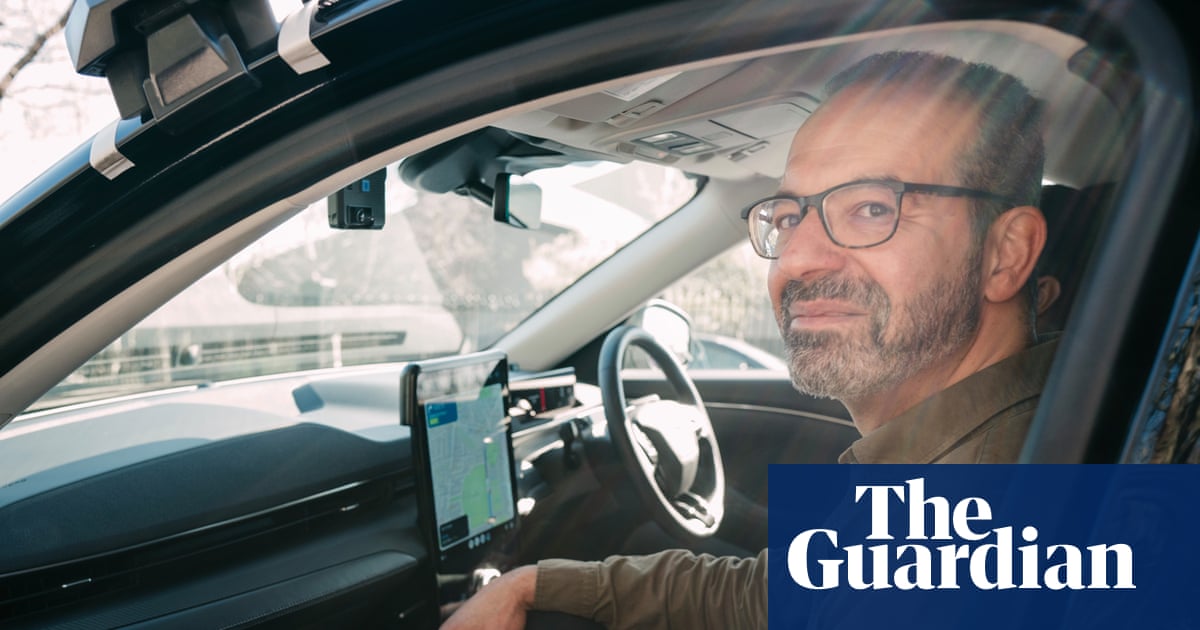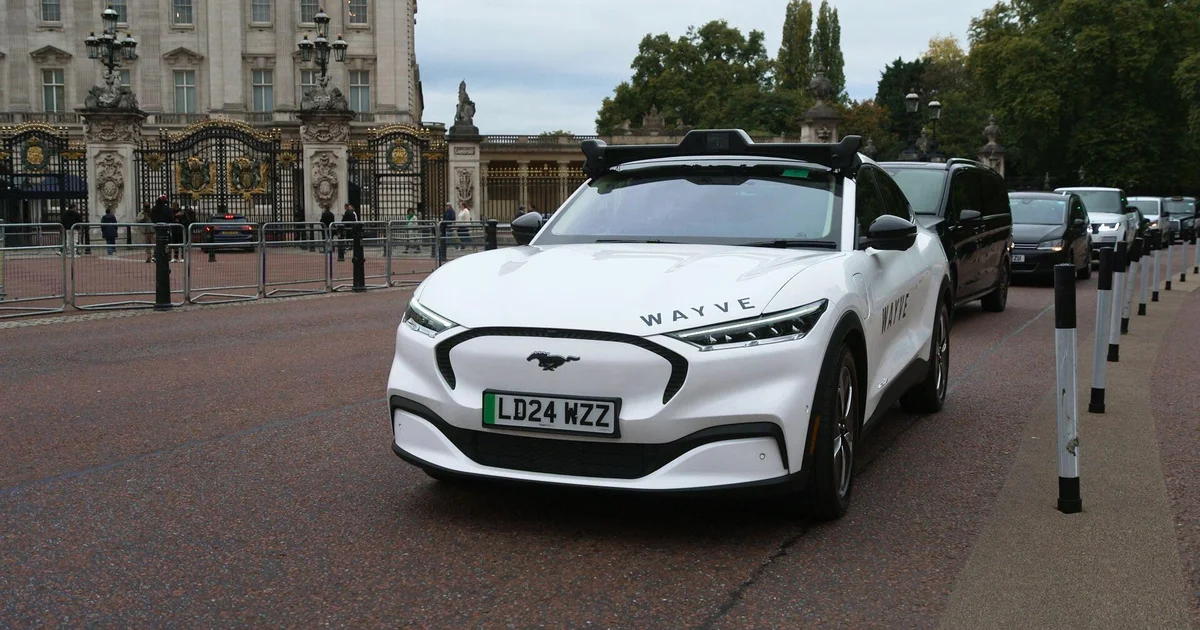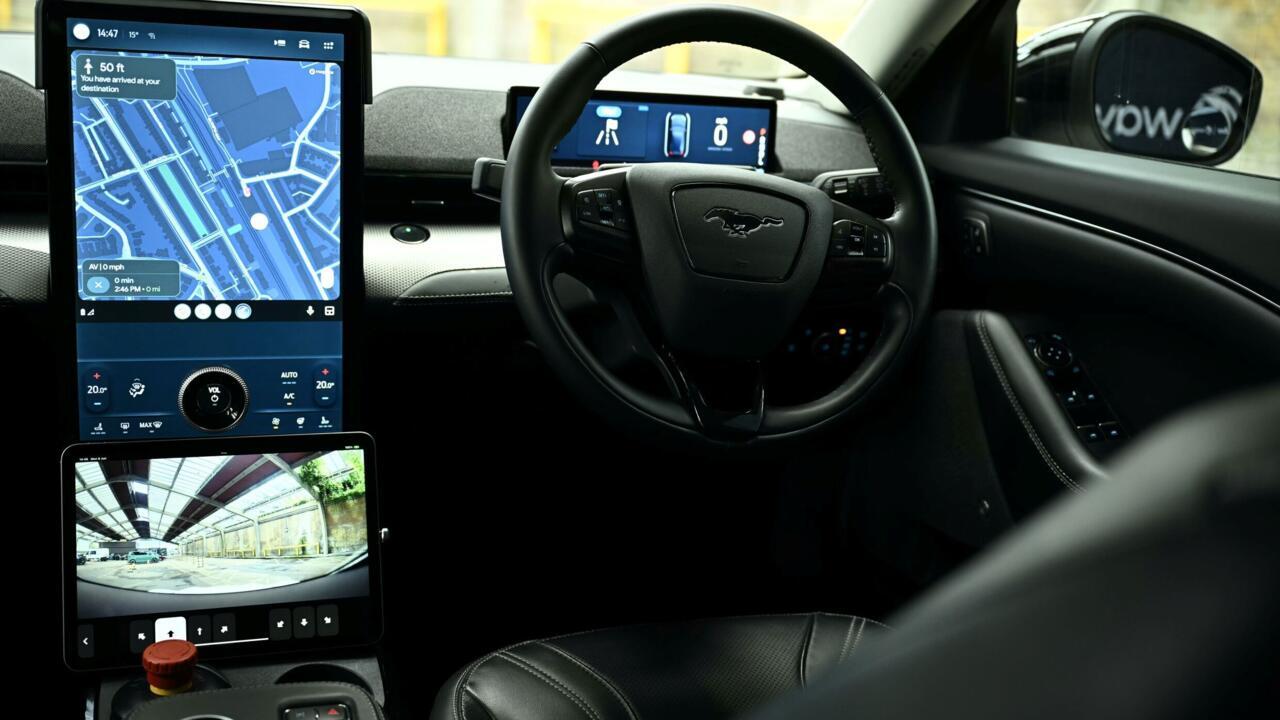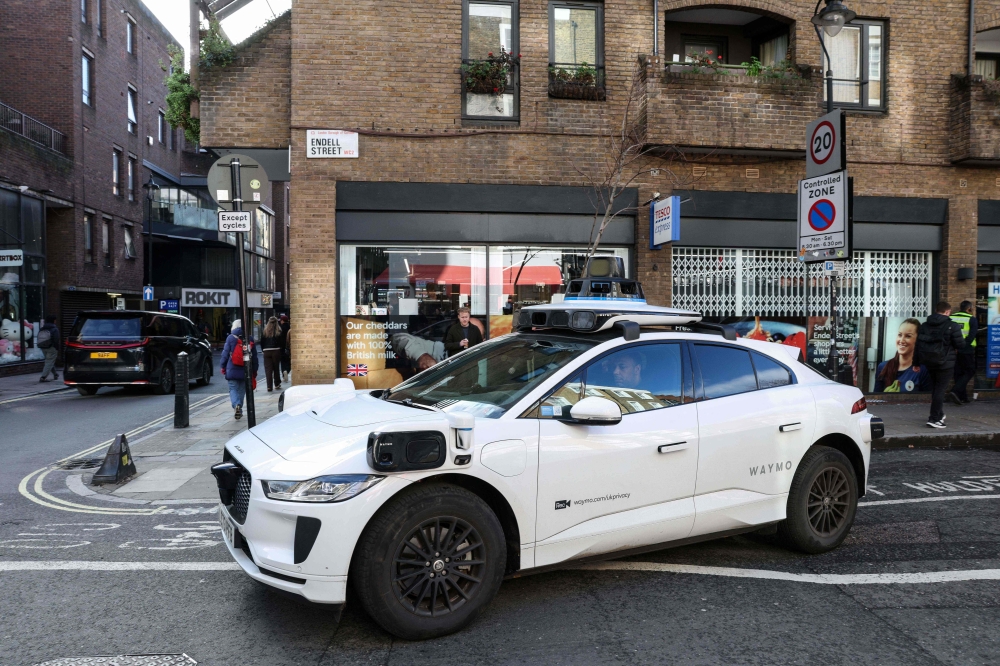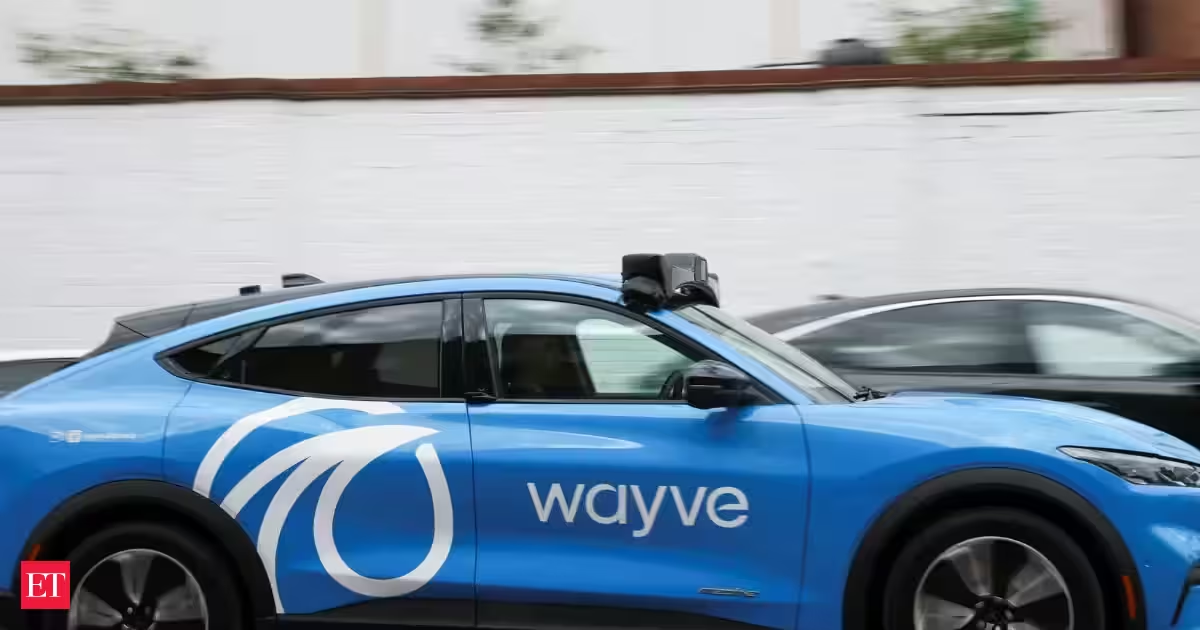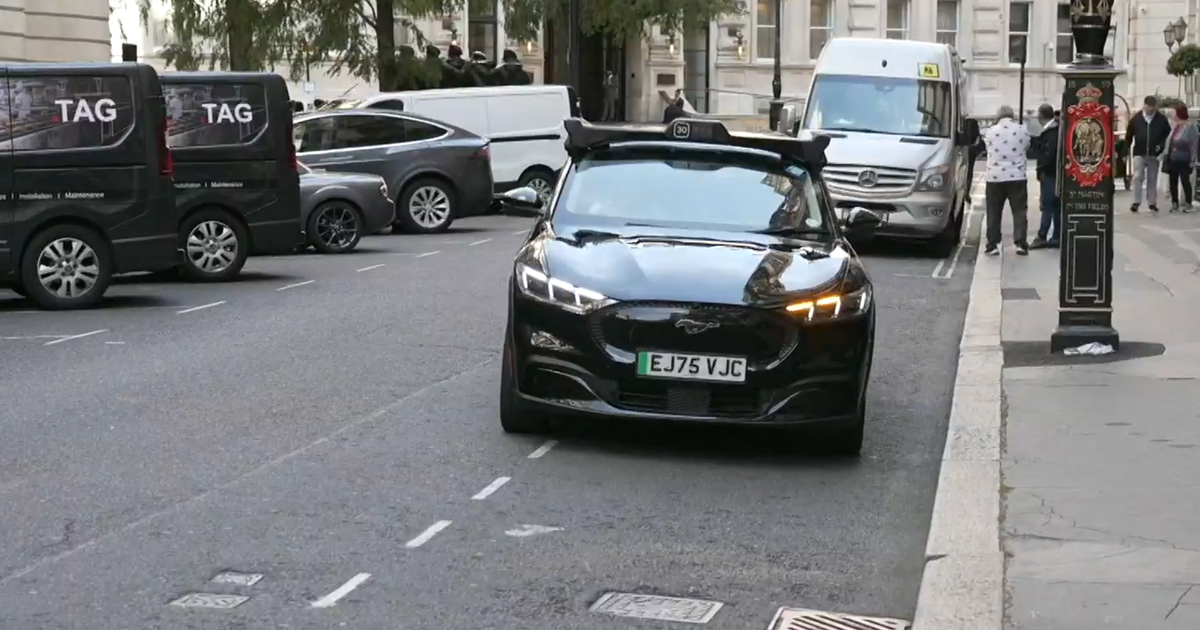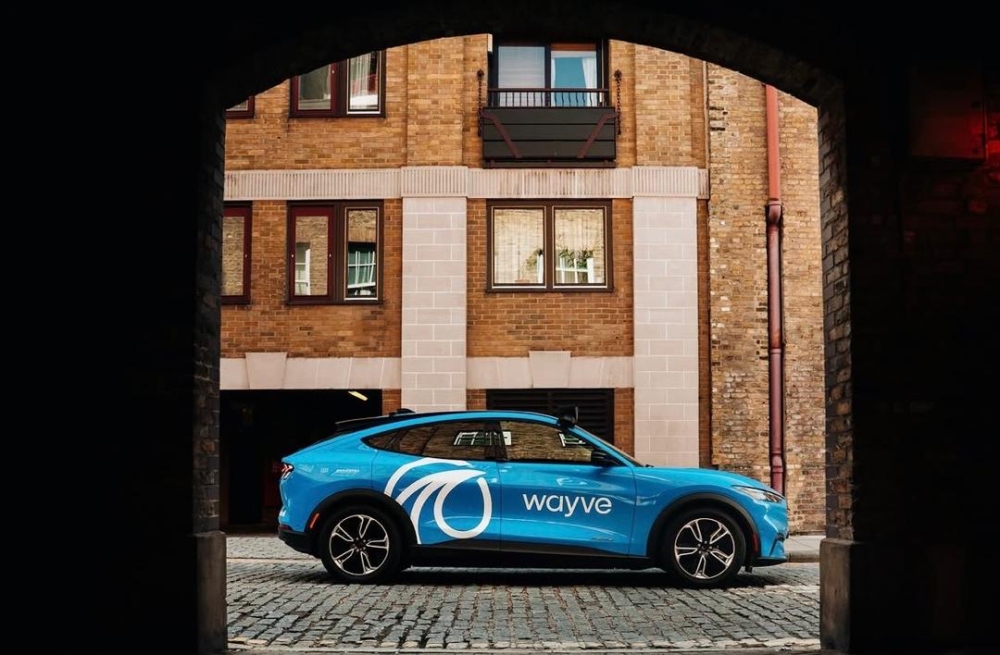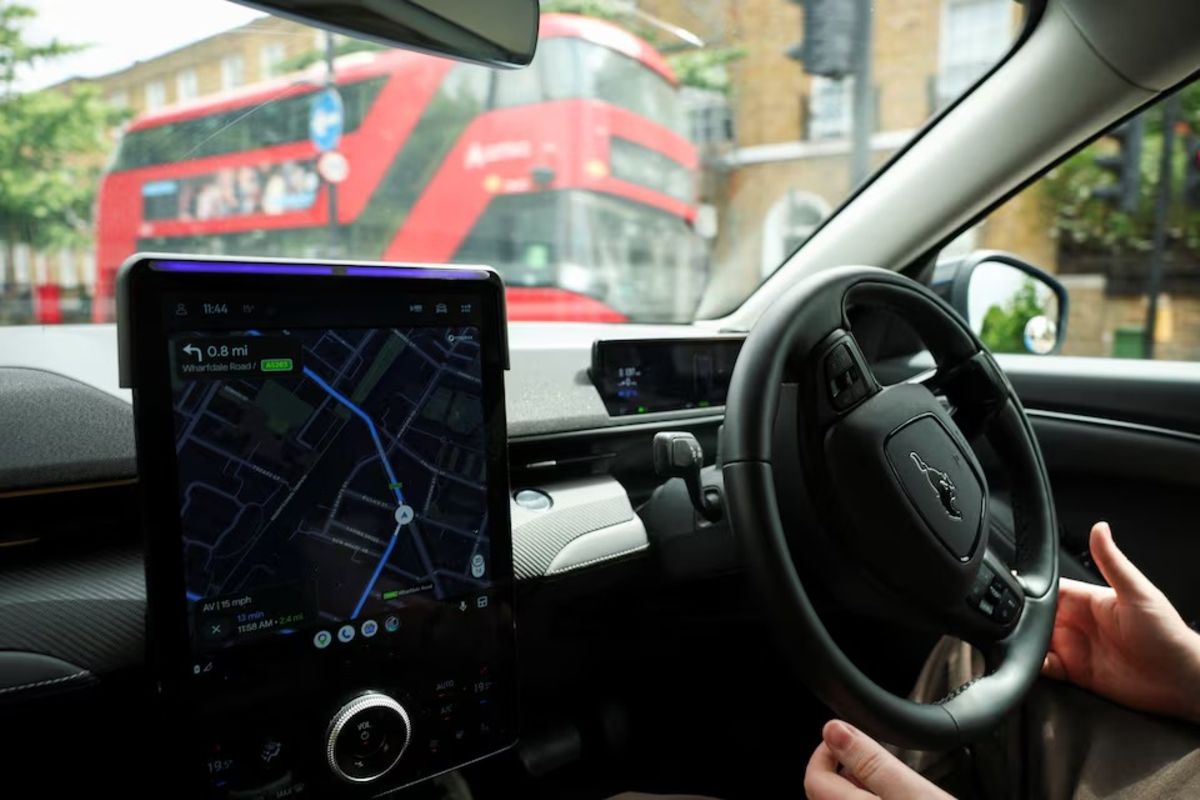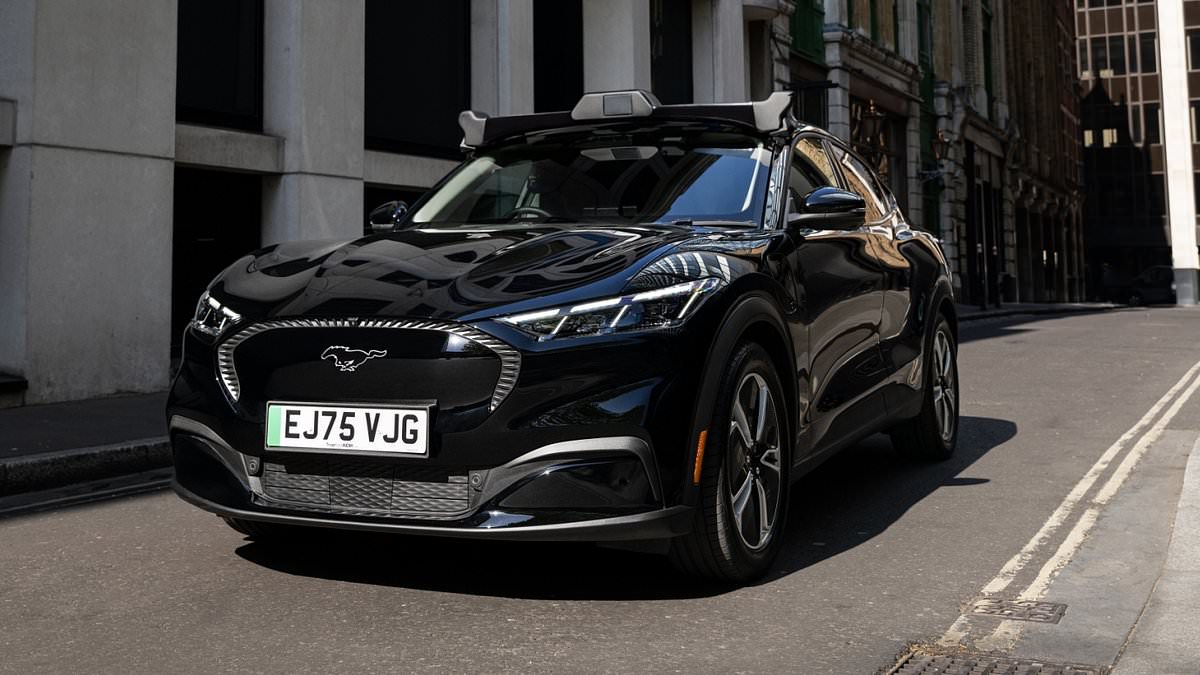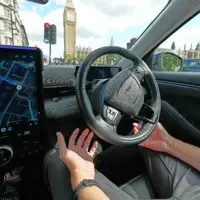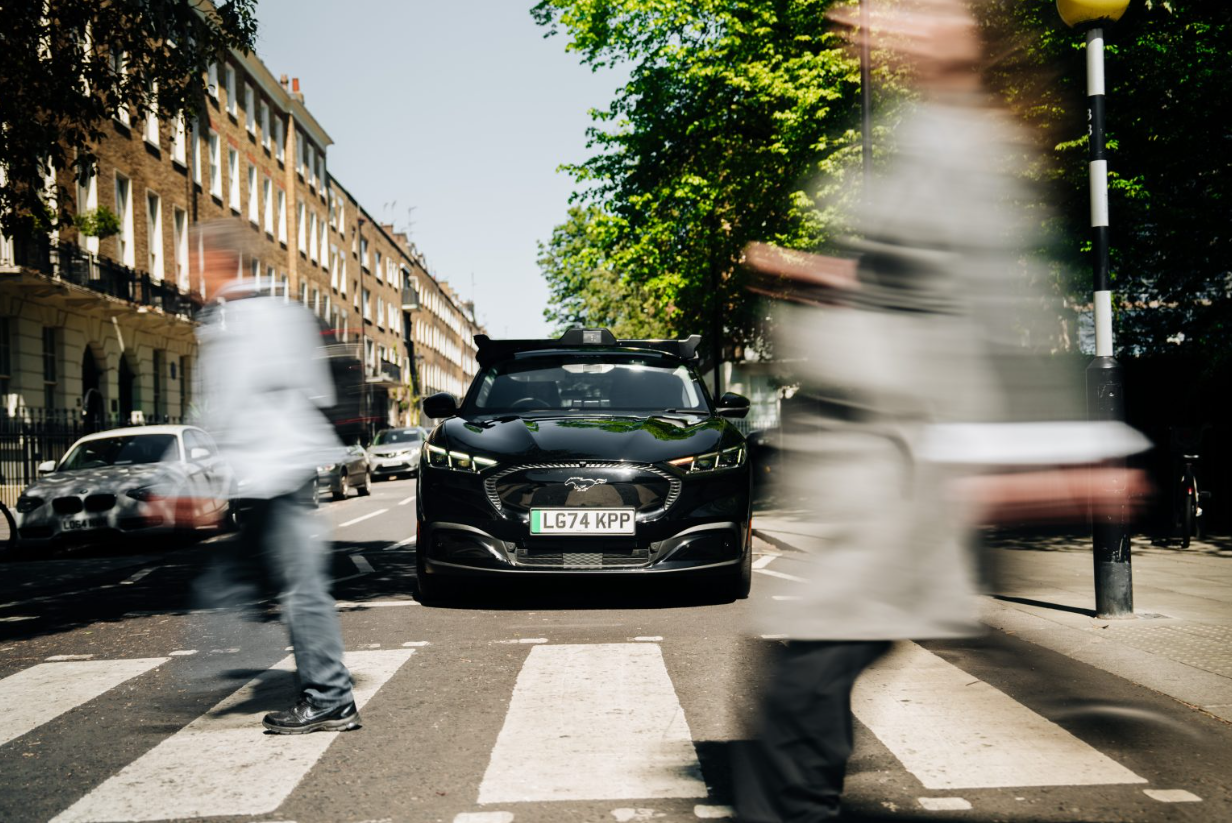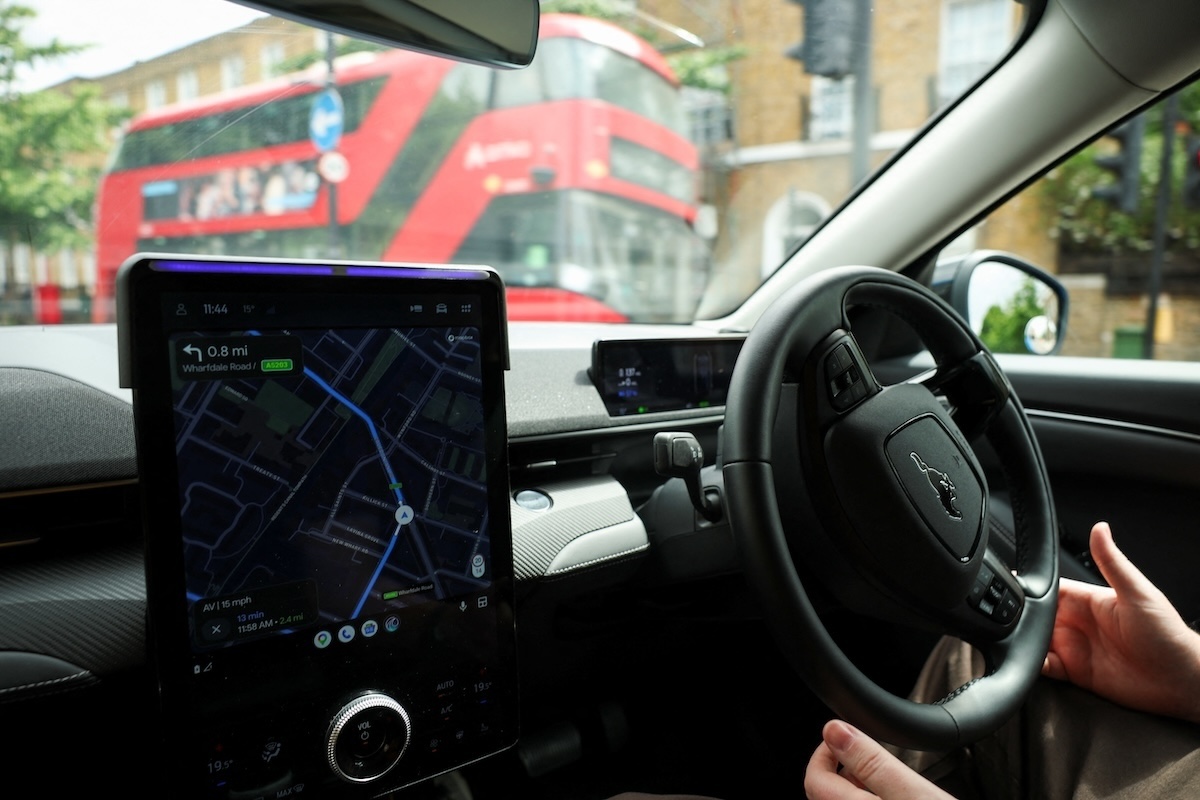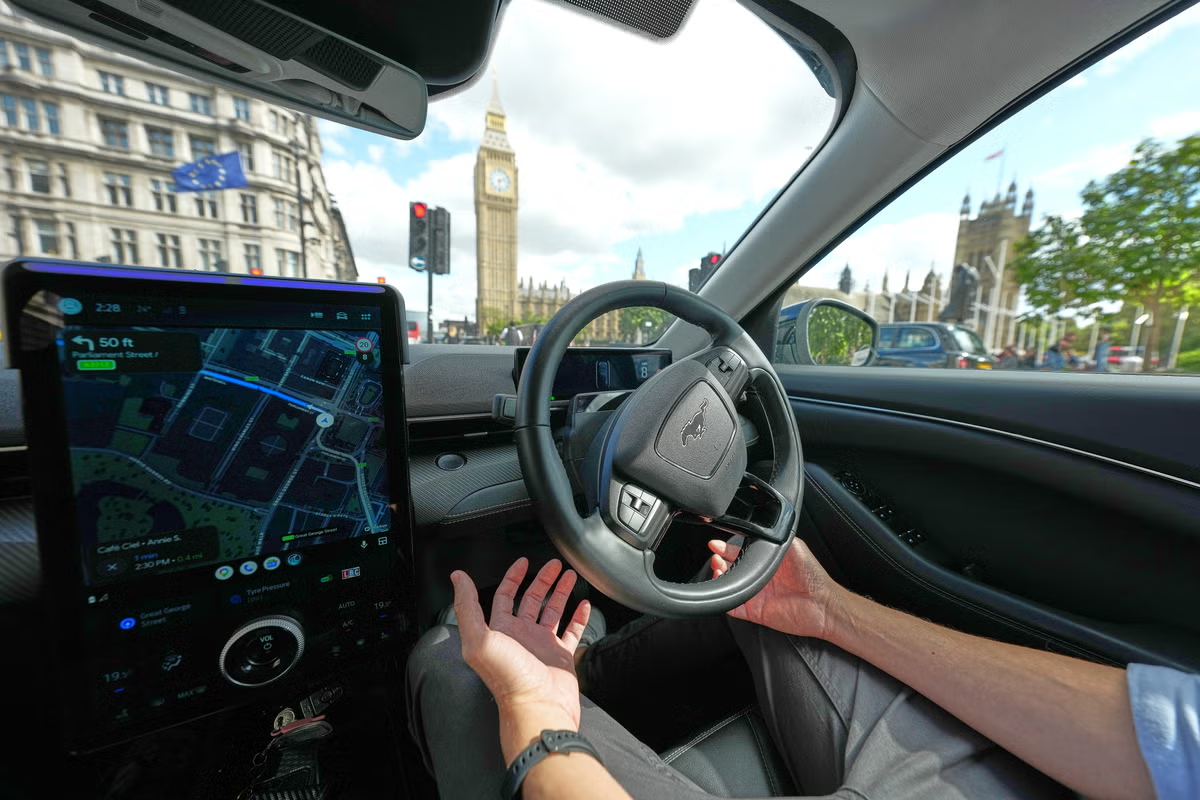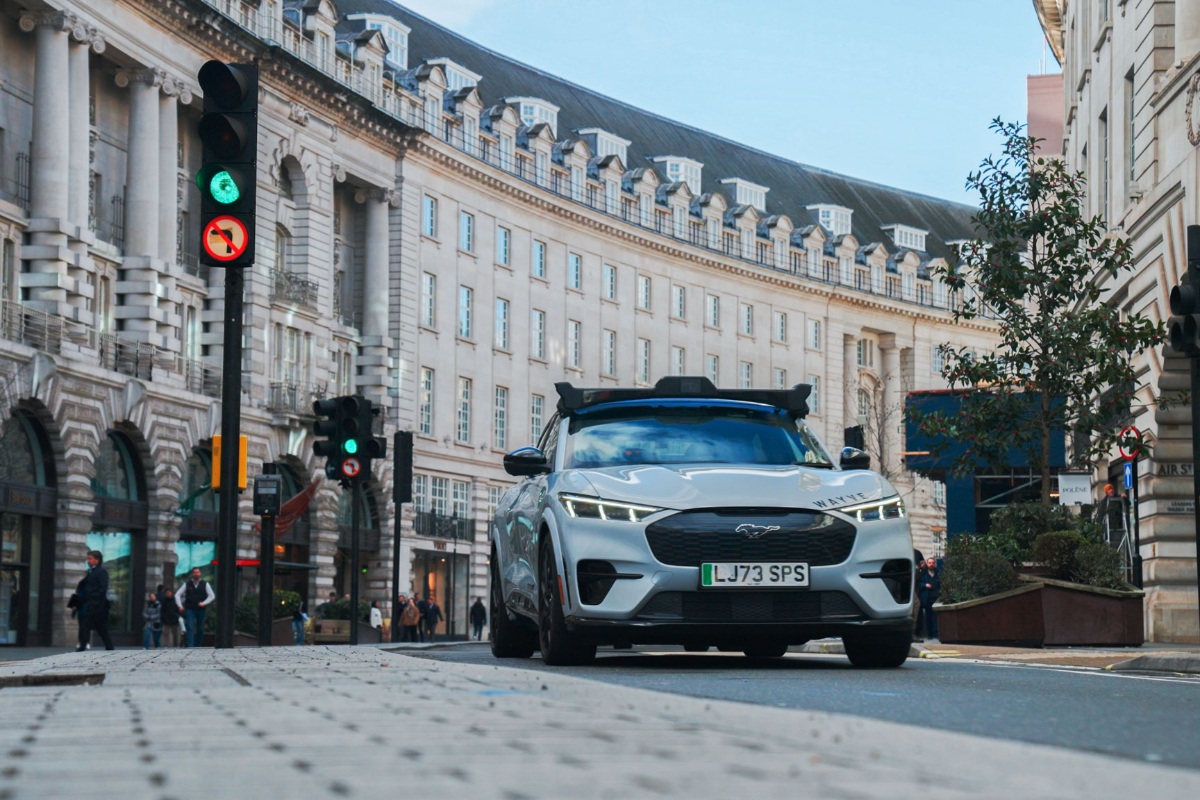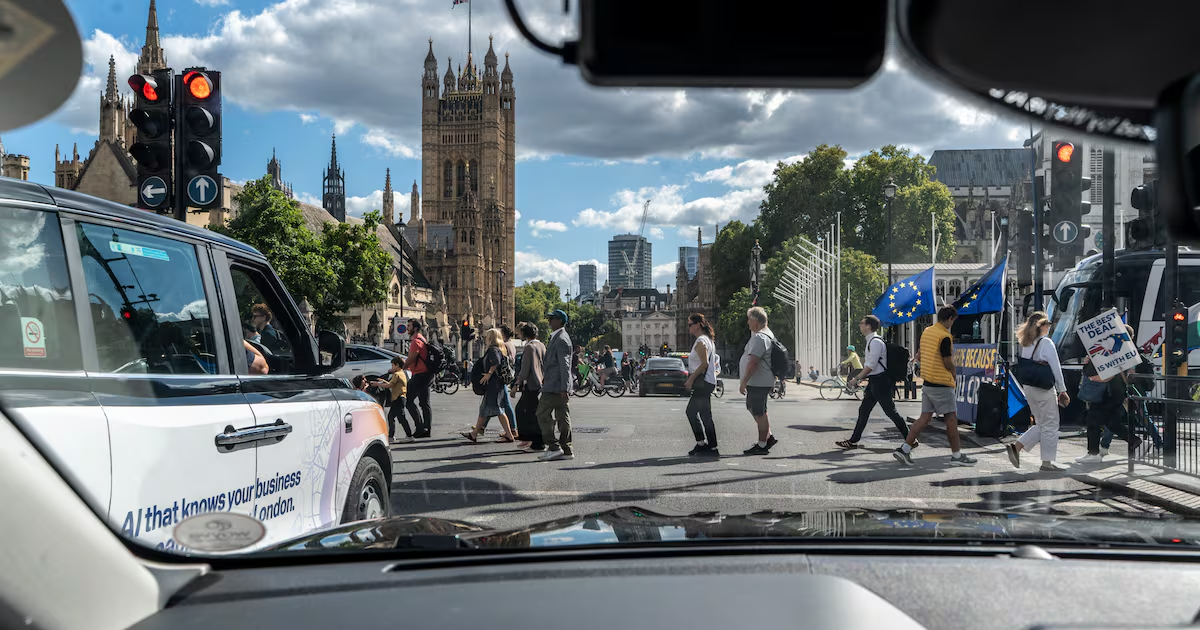
The city’s medieval layout is a dense maze filled with cars, buses, bikers and jaywalking pedestrians. How will autonomous vehicles cope?Uber and the British start-up Wayve are the latest to start testing autonomous cars in one of the world’s largest markets for ride-hailing services. Photograph: Andrew Testa/New York Times Adam SatarianoThu Sept 03 2026 - 16:33 • 4 MIN READLondon’s streets are difficult to navigate for even the most savvy of drivers. The city’s medieval layout is a dense maze filled with cars, buses, delivery scooters, bikers and jaywalking pedestrians. There are roundabouts upon roundabouts. Restricted bus lanes emerge and disappear again. On narrow, one-lane streets, drivers travelling in opposite directions intersect and must co-ordinate in an unspoken language to get through.The failure rate for a driving licence test in London is just over 50 per cent.Today, a small number of autonomous robotaxis entered the fray, carrying London passengers for the first time. Fifteen cars operated by Uber and British autonomous vehicle start-up Wayve will be available for ride-hailing through Uber’s app as part of a safety testing period. The cars will have a safety driver present to take over, if needed, as government regulators weigh eventually approving wider deployments.The technology’s arrival in one of the world’s largest cities is an important step for the autonomous vehicle industry. Driverless cars are already common sights in cities such as San Francisco, Beijing and Abu Dhabi, United Arab Emirates, but acceptance has been slower in European cities, where the driving environment can be complex and regulation is stiff.Regulatory agency Transport for London said it would 'closely monitor' robotaxis and 'take immediate action if passenger safety is compromised'. Photograph: Andrew Testa/New York Times “This is one milestone in a continuing long journey,” Alex Kendall, chief executive of Wayve, said in an interview while riding in the back seat of one of his company’s autonomous vehicles in London.[ Big reduction in costs could see explosion of robot car servicesOpens in new window ]Kendall declined to estimate when British regulators would authorise a wider deployment of the technology across London roads, but analysts have said it may not be until 2027 or even 2028.In the meantime, companies are already preparing for London, one of the world’s largest ride-hailing markets, to be a large battleground for autonomous vehicles. It is pitting American, European and Chinese technology against one another. Waymo, the service operated by Alphabet, is testing its vehicles in London without passengers. Baidu, the Chinese technology giant, has similar early tests under way with Freenow, a European division of Lyft.Ordering an autonomous taxi in London will work similarly to hailing an Uber. If one of the testing cars is available when customers make an order, the app will ask if they would like to take a robotaxi for about the same price. If they decline, Uber will send a car with a driver.On Tuesday, one of Wayve’s Ford Mustang Mach-E cars wound though London, navigating past Westminster Abbey, the Houses of Parliament and Big Ben. At each turn, through pedestrian crossings and construction zones, a driver’s hands stayed rested on his lap as the steering wheel moved itself.Shihao Fu, a senior technology analyst for the market research firm IDTechEx, said regulators were taking a cautious approach because of the safety risks, as well as political considerations. London has more than 120,000 taxi and private for-hire drivers, and “there’s a real question about what large-scale automation could mean for those jobs,” Fu said.An autonomous car parks on a street in London. Photograph: Andrew Testa/New York Times
Driverless robotaxis try their luck on London’s narrow streets
The city’s medieval layout is a maze filled with cars, buses, bikers and jaywalking pedestrians. How will autonomous vehicles cope?
971 words~4 min read