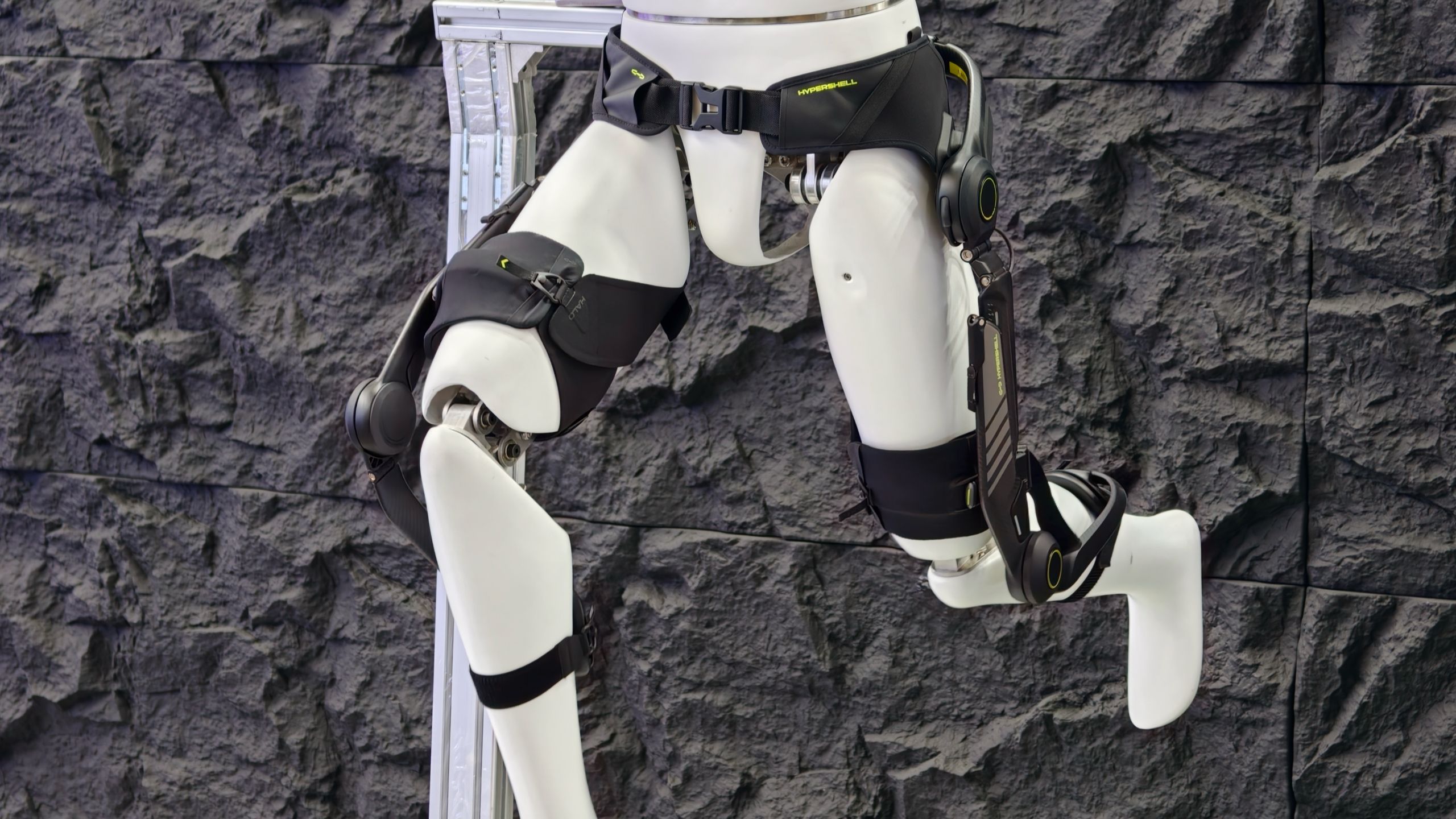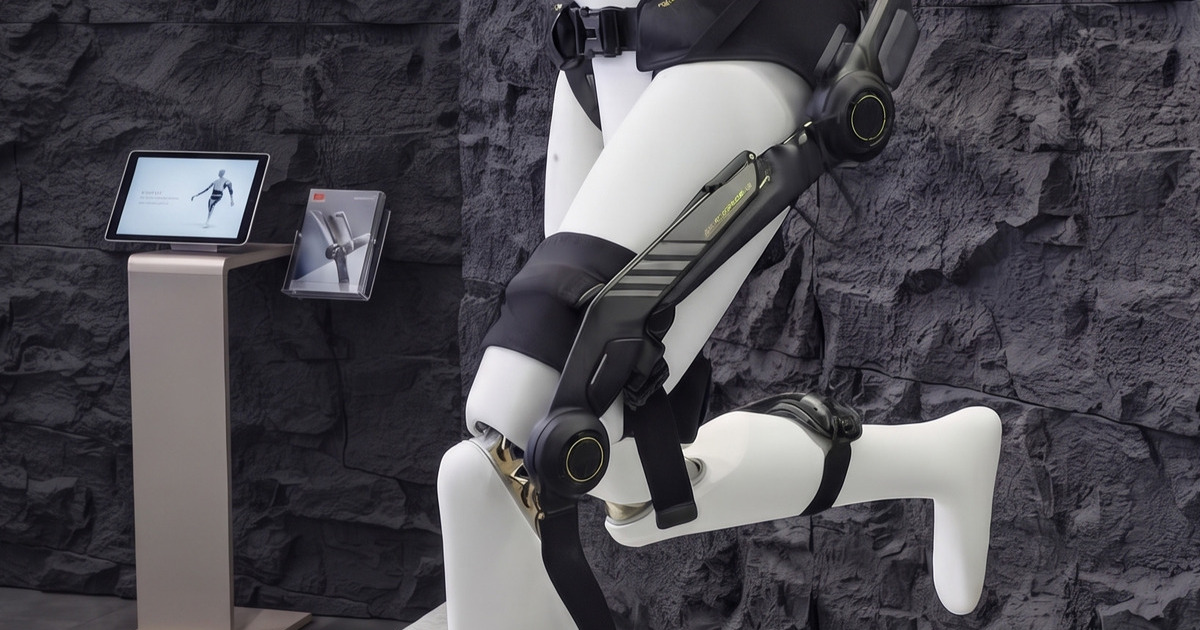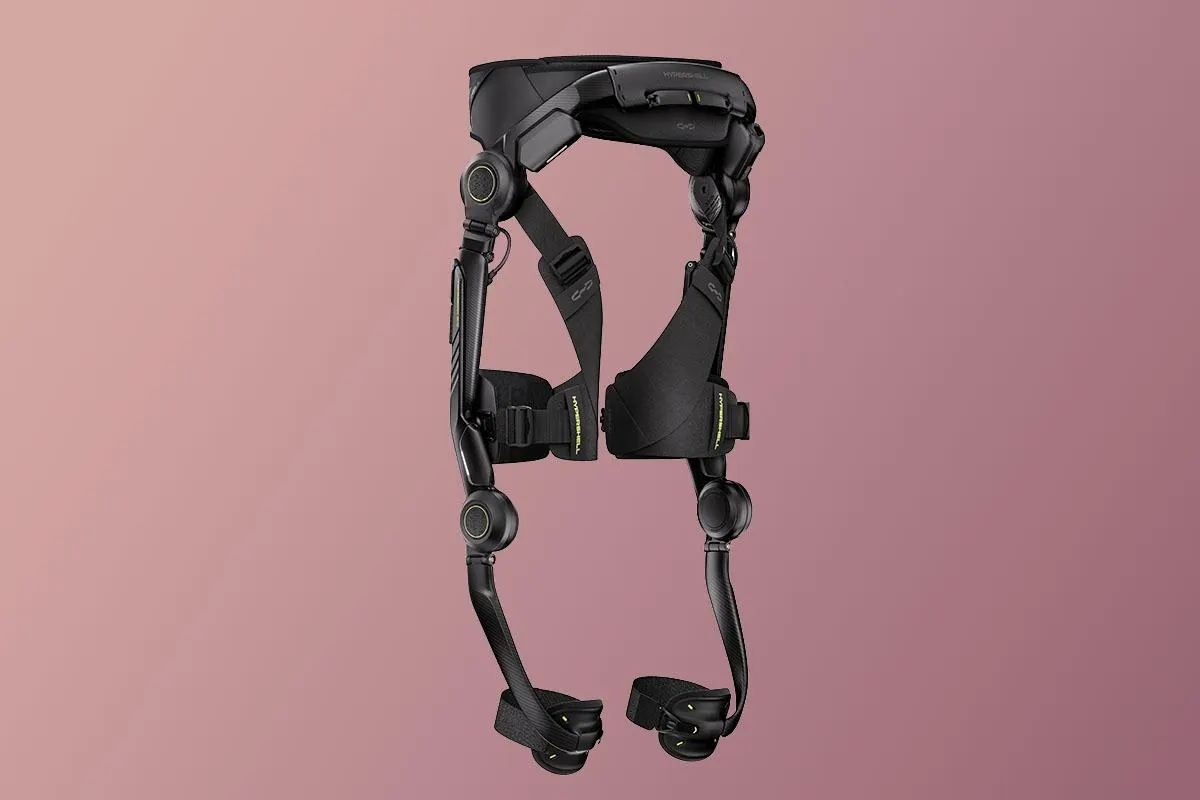
BERLIN, Sept. 3, 2026 /PRNewswire/ -- Hypershell, the world's leading consumer exoskeleton brand, today unveiled Hypershell Halo™, its flagship full-leg exoskeleton built for all-terrain mobility, at IFA 2026. Powered by the industry-first Hypershell Unified Architecture, HyperIntuition™ 2.0 AI motion control, and the all-new HyperDrive Pro four-motor system, Halo is the industry's first exoskeleton to coordinate four powered hip and knee joints as one system to deliver powerful, natural, and unrestricted assistance and protection wherever and however people move, giving them greater freedom to move beyond physical limits.
"Halo represents a ground-up rebuilding of the consumer exoskeleton," said Kelvin Sun, CEO of Hypershell. "We didn't simply add powered knees to an existing hip exoskeleton. We redesigned the architecture, power system, and intelligence around the entire lower body, so four powered joints can move as one with the user. The result is a new platform built to expand not just how far people can go, but the range of terrains and movements they can take on."Hypershell Unified Architecture and HyperIntuition 2.0 Unlock All-Terrain, All-Movement MobilityHalo introduces the revolutionary industry-first Hypershell Unified Architecture. A continuous carbon-fiber load-bearing structure runs across the hip, thigh, knee, and lower leg, creating a direct force-transfer path. This enables all four powered joints to operate as one coordinated full-leg system, providing propulsion, weight-bearing support, descent control, and landing cushioning.Halo's structure is designed for bodily freedom. The innovative Fish-Spine Adaptive Joint connects the hip motor to the leg lever, allowing the structure to follow the hip's natural movement instead of locking to a fixed mechanical axis. Offering up to 198° of lateral range and 167° of front-to-back movement, it enables fluid, multidirectional motion across changing postures.The Unified Architecture features the AeroFlex V Thigh Strap designed around the body's changing contours. By replacing conventional rigid rear-thigh panels, it allows pressure and load to redistribute naturally as the wearer stands, sits, squats, or moves across uneven terrain, improving comfort without compromising stability.