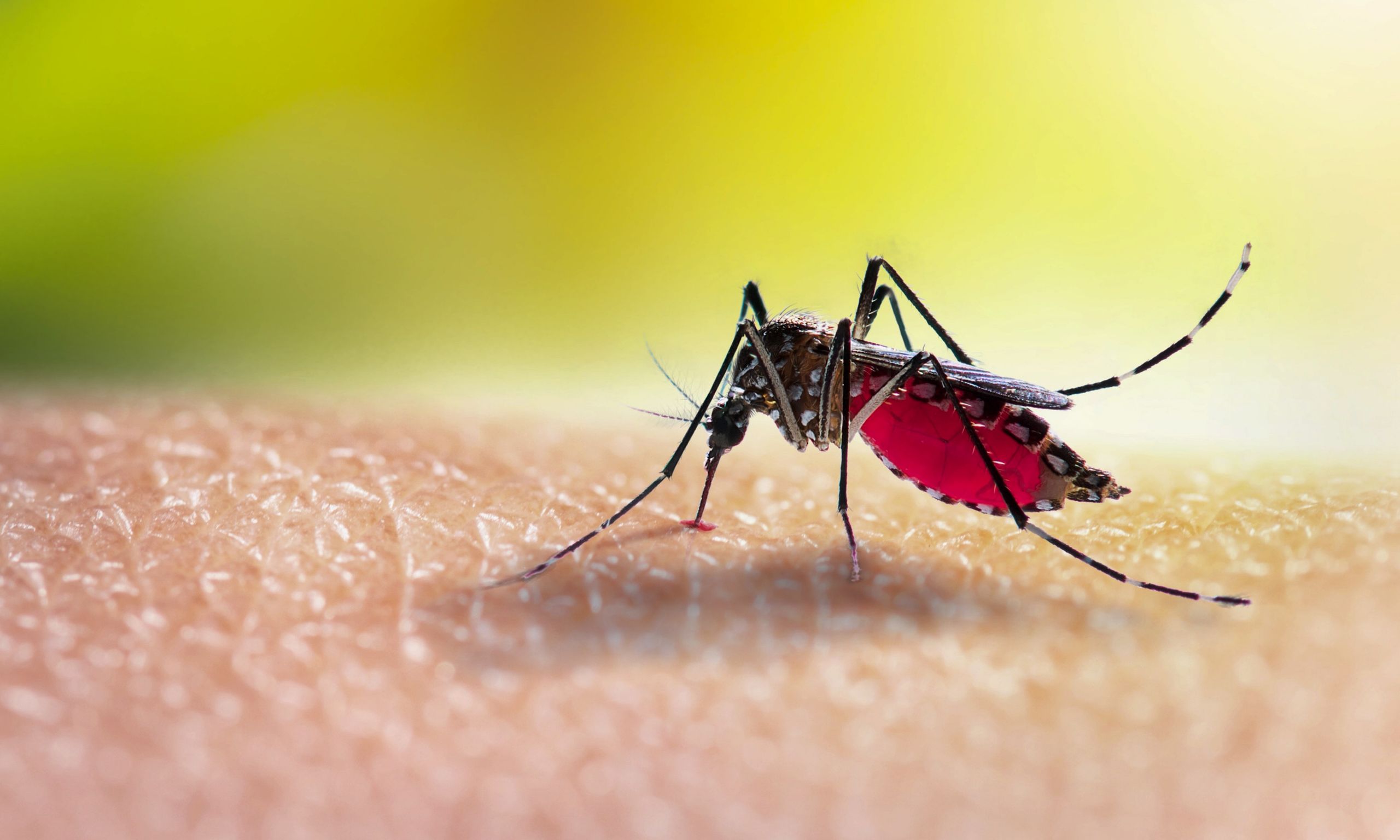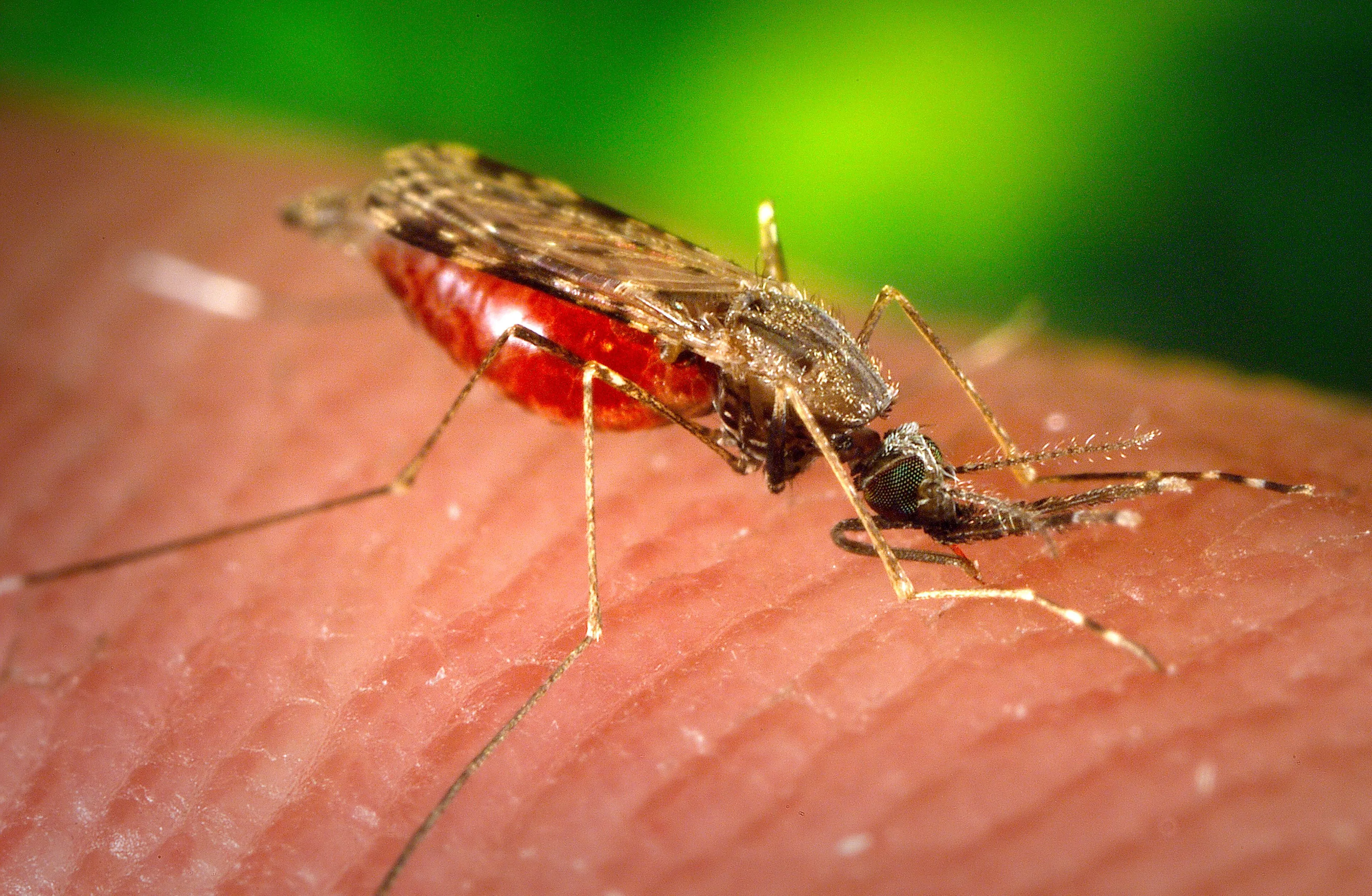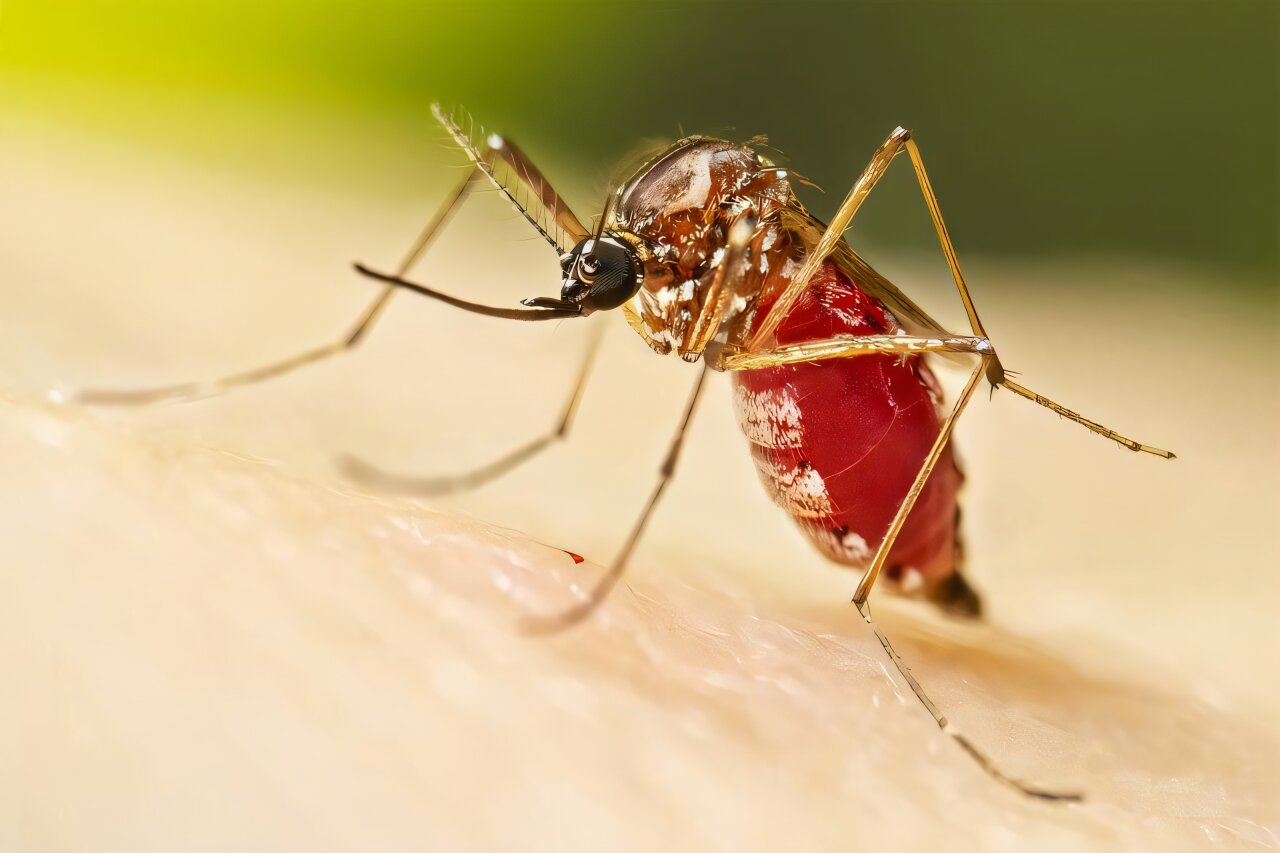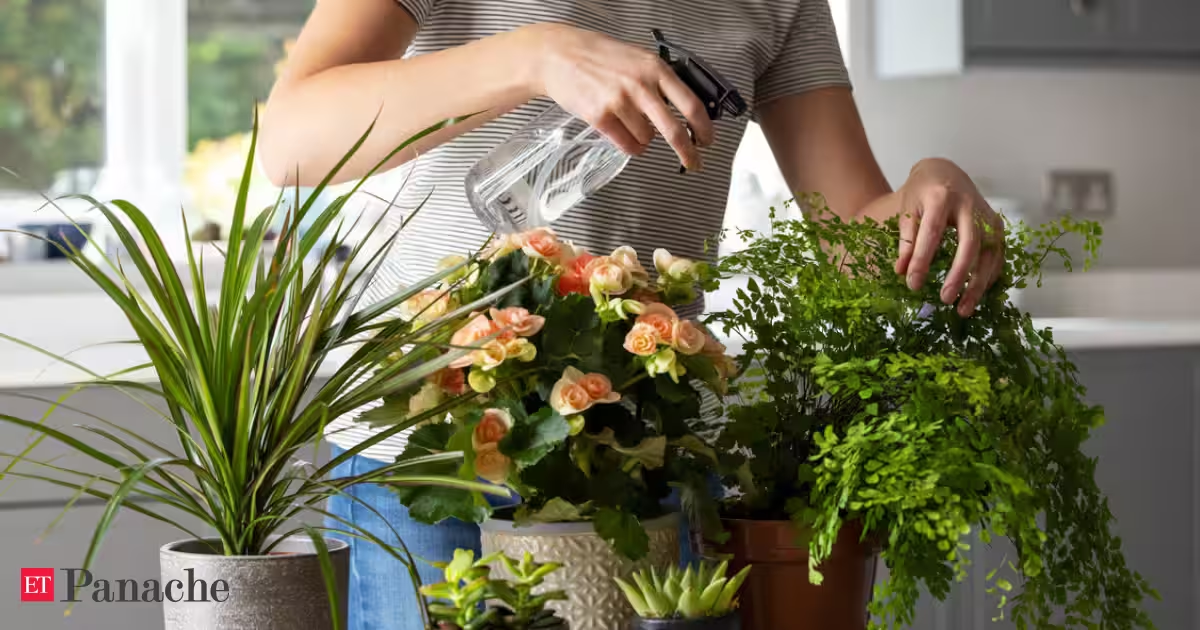
A quiet green revolution is emerging on balconies and terraces in densely populated urban areas where dengue is a threat. Homeowners are utilising plants not only for aesthetic purposes but also as useful mosquito repellents. Lemongrass, citronella, marigold, rosemary, basil, peppermint, and lavender are just a few of the terrace-friendly plants that are being adopted for their purported mosquito-repelling properties. These herbal friends, according to supporters, might lessen persistent pests in shared living areas, particularly throughout the height of the dengue season. Experts point out that many of these plants release odours that mosquitoes find repulsive, which may reduce bites near containers, planters, and shade-grown areas, even though research on their precise effectiveness is still ongoing.What does the research say?No single plant is a remedy for dengue-carrying mosquitoes, public health researchers warn. A global health organisation's report highlights integrated vector control, which combines any plant-based interventions with community awareness, water management, and environmental remediation. However, horticultural manuals and agricultural blogs frequently emphasise that the main line of defence is still to control standing water in pet bowls, plant saucers, and blocked containers, with fragrant terrace plants acting as an additional barrier. In a recent assessment of dengue prevention best practices, an entomology expert states that "plants can contribute to reducing exposure when used as part of a broader, actionable plan."Community Voices After implementing a terrace planting practice, residents in high-rise neighbourhoods report observable changes. Some have seen fewer mosquitoes in late afternoons when doors are opened to let the air in. Local garden clubs are starting workshops to teach neighbours how to choose, position, and care for plants, which is an indication of a larger trend toward inexpensive, environmentally friendly preventative measures.A pragmatic green shieldTerrace gardens are an affordable, easily accessible addition for urban households, but they won't take the place of traditional dengue protection. Tiny herb and flower patches may subtly reduce bites while enhancing common areas as cities adopt greener balconies and more intelligent water management, transforming every terrace into a miniature public health frontier.
Dengue season: Mosquitoes taking over your house? These 7 common plants can act as a natural shield
Urban residents are using plants on balconies to repel mosquitoes. Fragrant herbs and flowers are being adopted for their natural repellent properties. Experts emphasise that these plants are an additional barrier, not a sole solution. Integrated vector control remains the primary strategy for dengue prevention. Community workshops are teaching residents about these green shield gardening practices.
337 words~2 min read