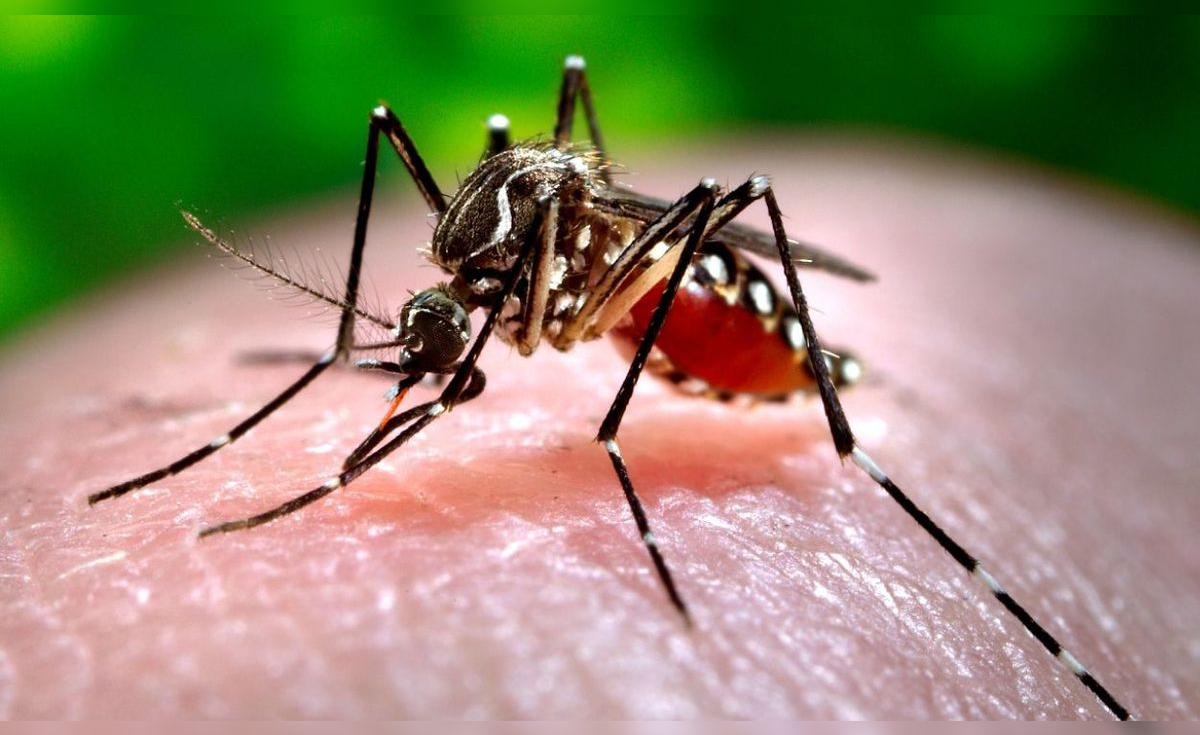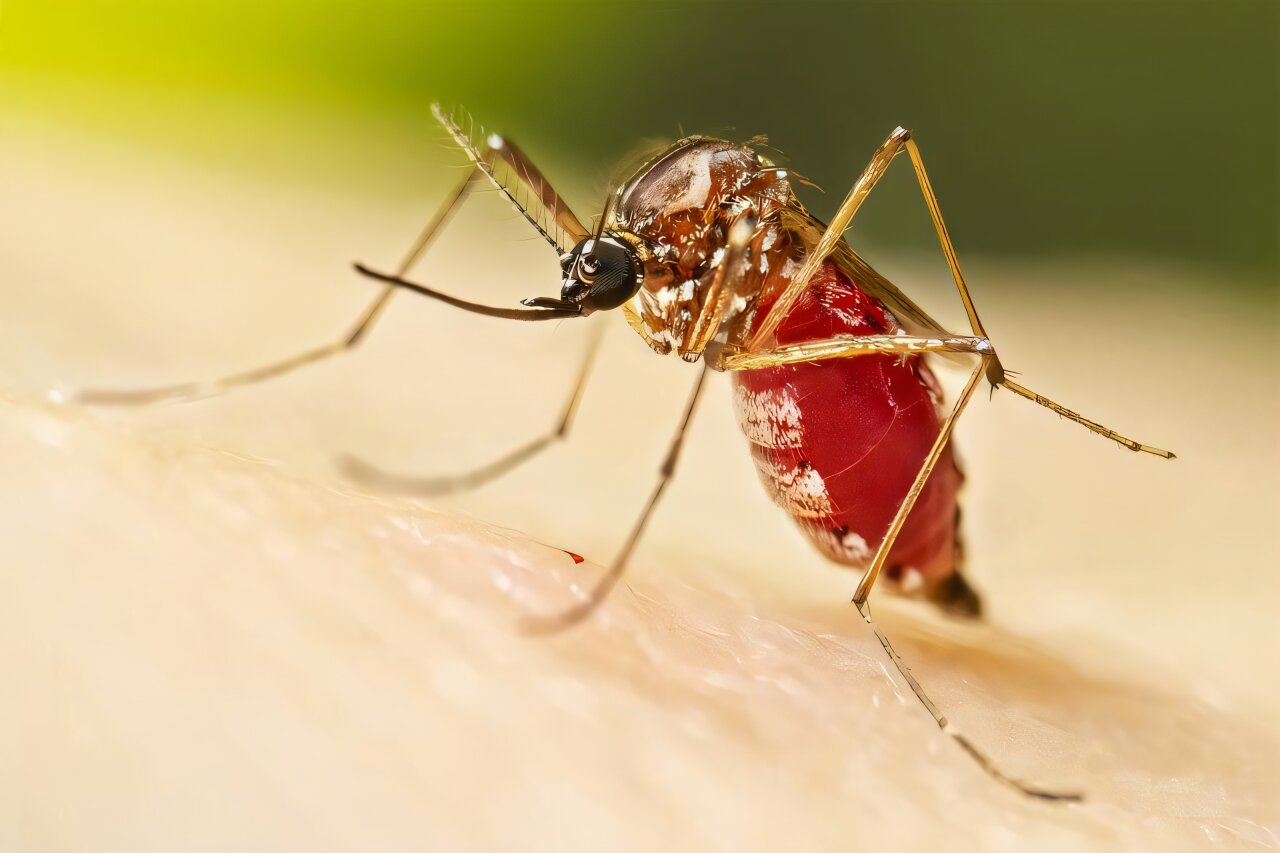
A female Aedes aegypti mosquito after feeding on blood. Credit: Lauren Bishop / CDC
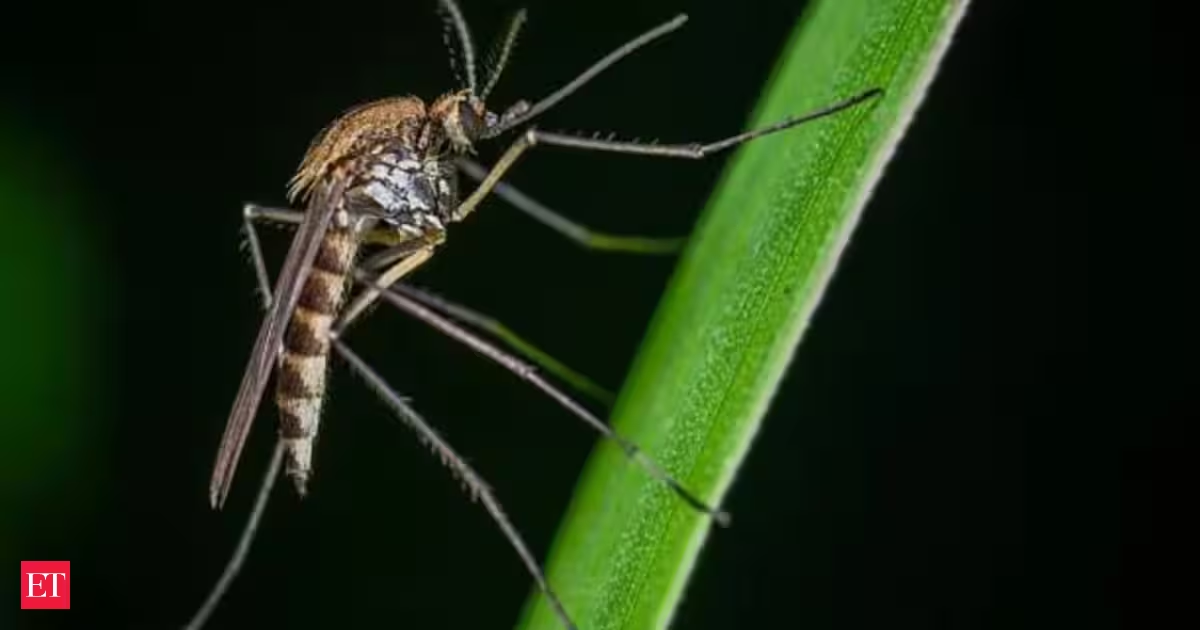
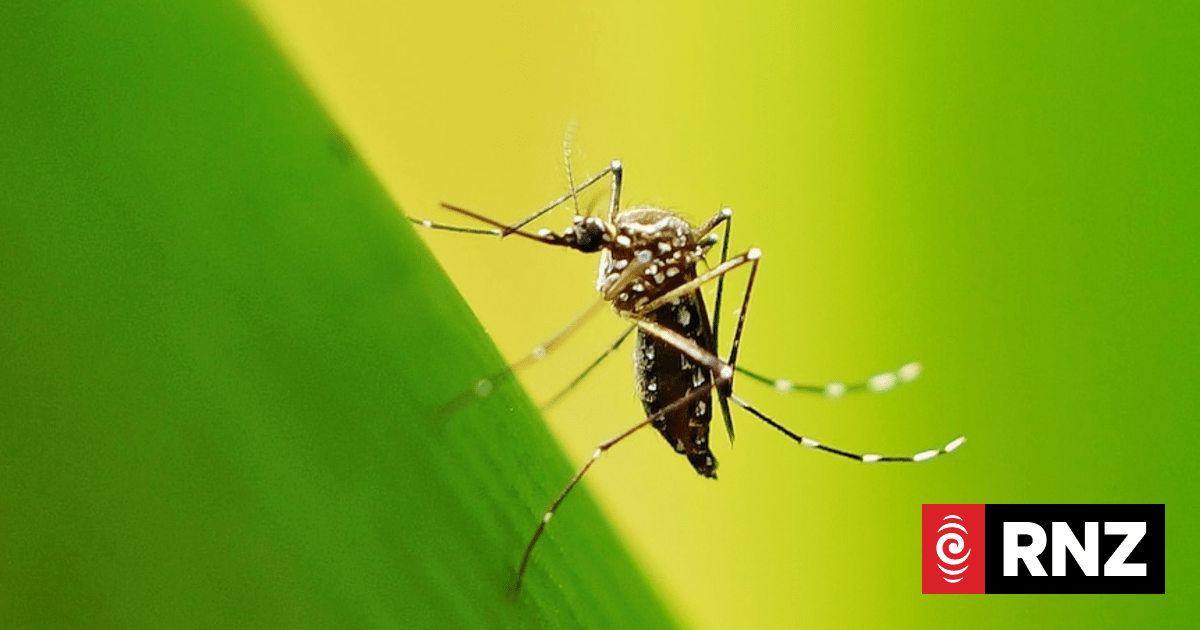
A single application to water containers can significantly reduce yellow fever mosquito (Aedes aegypti) populations—and thus the spread of dengue fever—for many months. Researchers from the Faculty of Medicine at the University of Freiburg demonstrated this in a study published in The Lancet Infectious Diseases.
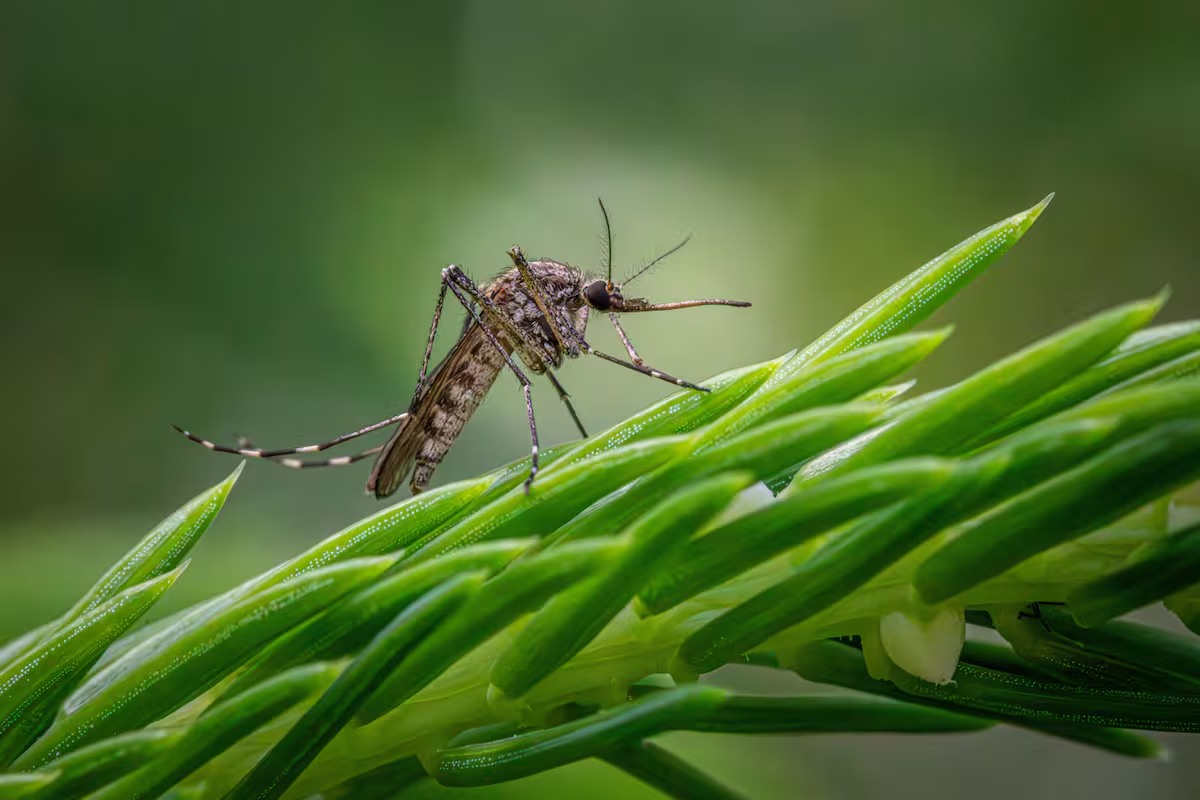
The study shows that dengue fever cases fell 45% more in Colombian neighborhoods with specially coated water tanks than in comparable control areas. The findings may also be relevant to Germany, where the closely related Asian tiger mosquito (Aedes albopictus) has become established in many regions.
"Our findings show that we can protect many people from dengue infection through a relatively simple measure. By targeting breeding sites, we can significantly reduce the burden of disease," said project leader Prof. Dr. Axel Kroeger, a researcher at the Institute for Infection Prevention and Hospital Hygiene at Medical Center–University of Freiburg and a member of the Center for Planetary Health at the University of Freiburg.
"The principle can be applied quite easily worldwide. It could also help in Germany in the fight against the Asian tiger mosquito," Kroeger said.